
 Accessing this site
 Display settings
 Artist login

Cold War movie by Pawel Pawlikowski with gorgeous photography by Łukasz Żal, amazing performance by Joanna Kulig.
Cold War film
Cold War movie by Pawel Pawlikowski with gorgeous photography by Łukasz Żal, amazing performance by Joanna Kulig.
As part of my research I am watching films screened as part of the Kinoteka – Polish Film Festival. Available online via BFI – player.
A search for aesthetical methodologies that problematize how history is written and traditions are represented continues to drive my practice. My work evolves through re-defining, re-contextualising and experimenting with affectual discourses and a constant engagement with questions exploring what tradition is, whom it belongs to and how it can be reclaimed by those marginalised within it. In the past two years I have been developing a notion of ‘tender crafts’, which is exploring how crafts (and tradition) can be revisited and re-imagined from contemporary feminist, queer and diasporic (migrant) perspectives.
Through my new moving image work that I am researching during the residency I would like to explore folklore’s capacity to move through political vulnerabilities and its potential to foster new forms of kinship, affective communities, intimacy and care. With this in mind I would put an emphasis on customs and traditions that have transgressive, protective and healing purposes.
Costumes and masks (made in collaboration with a costume designer) based on traditional garments will play an important part of the choreography and visual structure of the work. As furtherance of their role in folk traditions the costumes will function as storytelling vehicles, shaped by the intersection of collective memories, personal histories and socio-political visual codes.
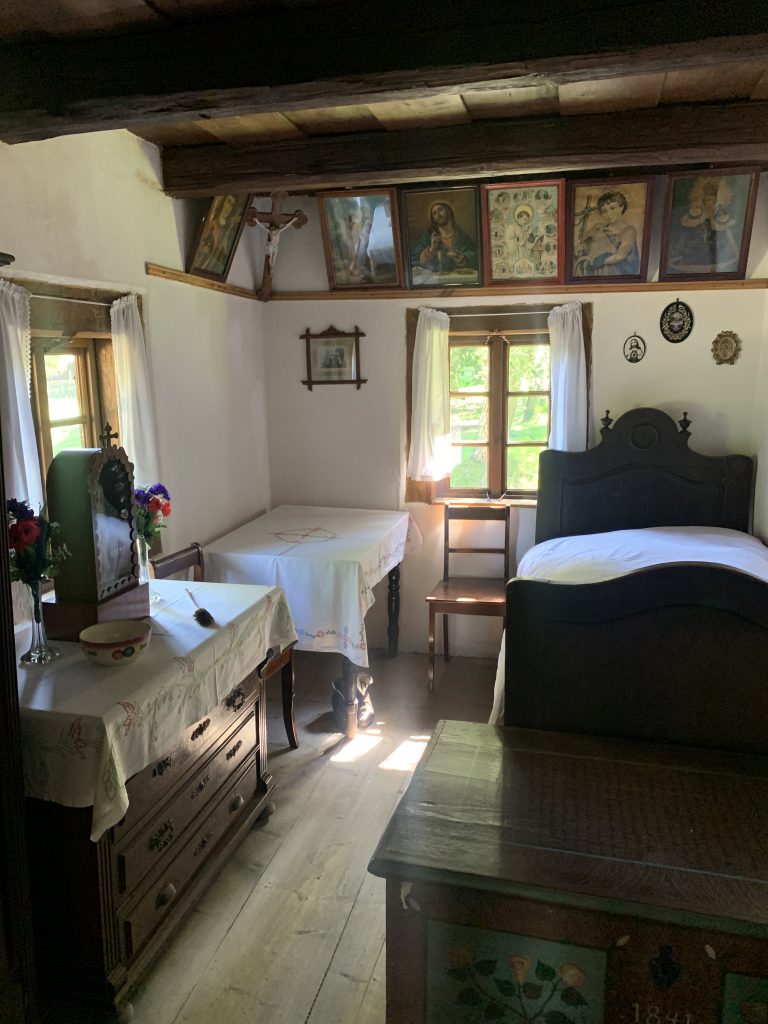
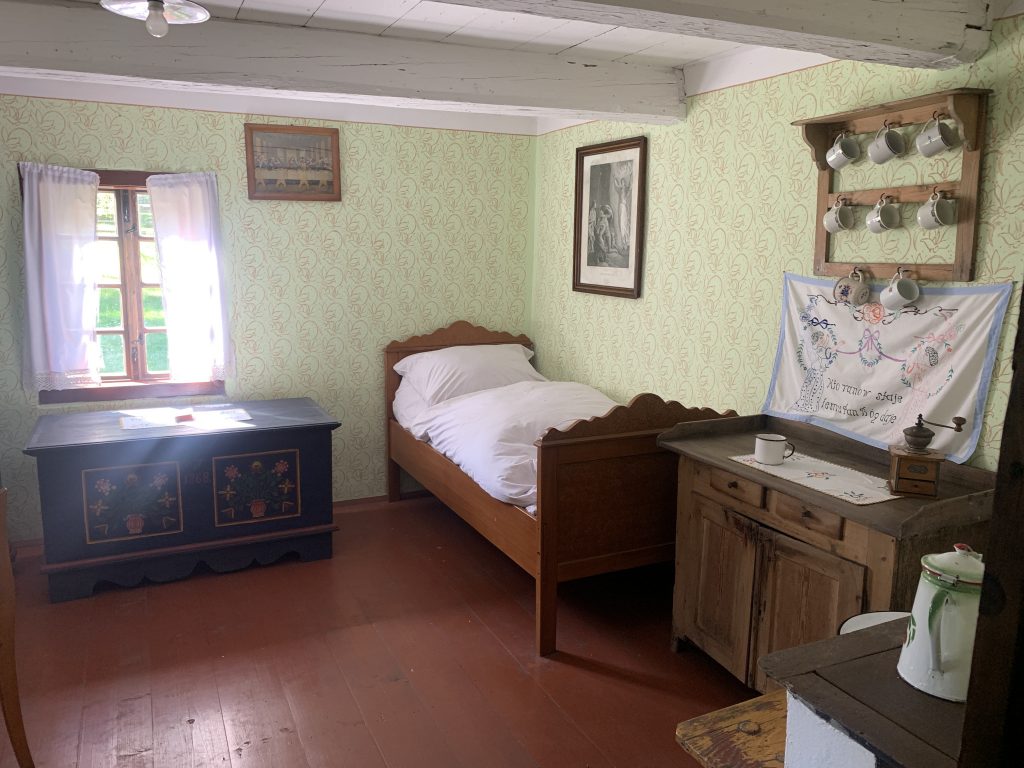
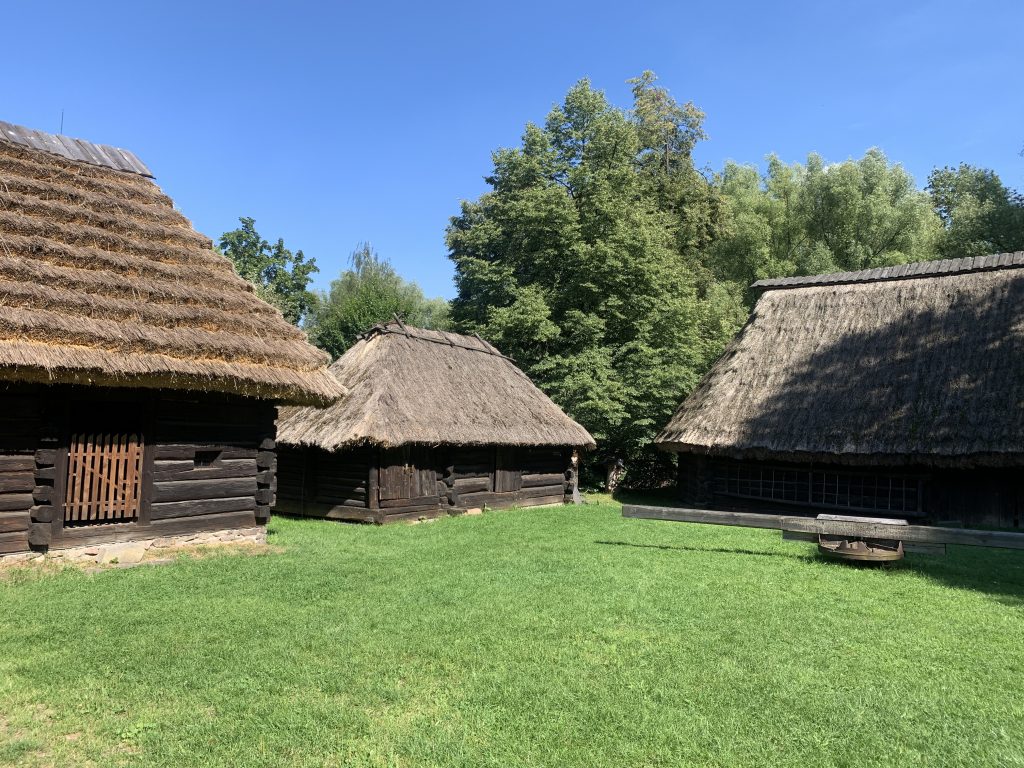
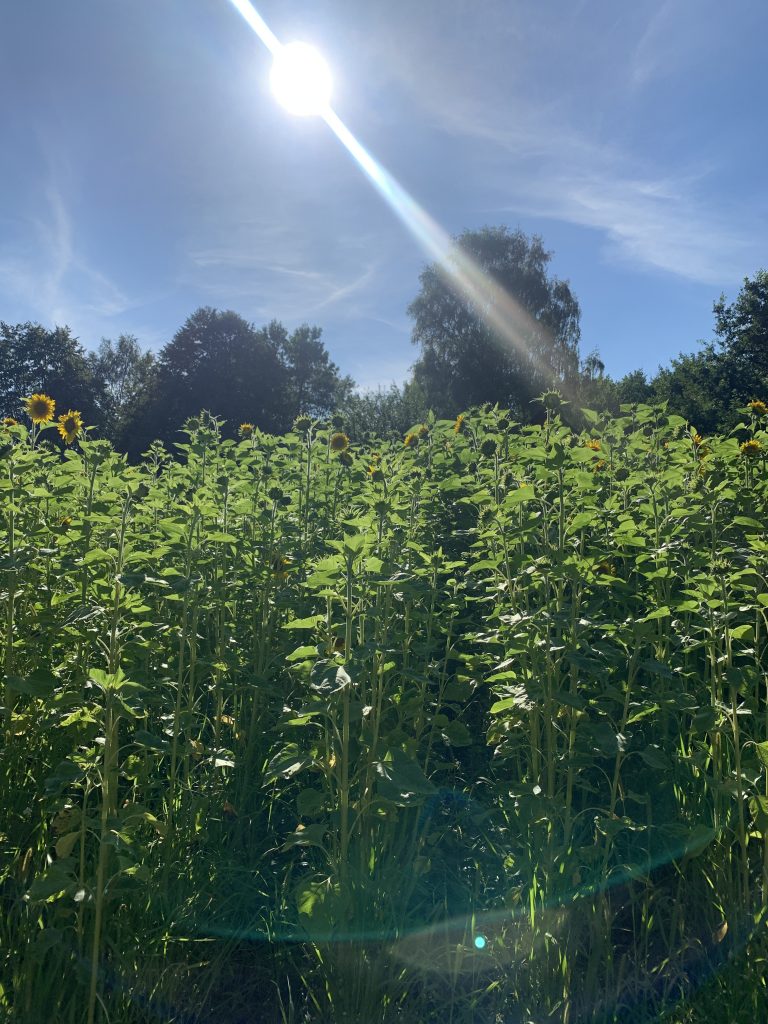
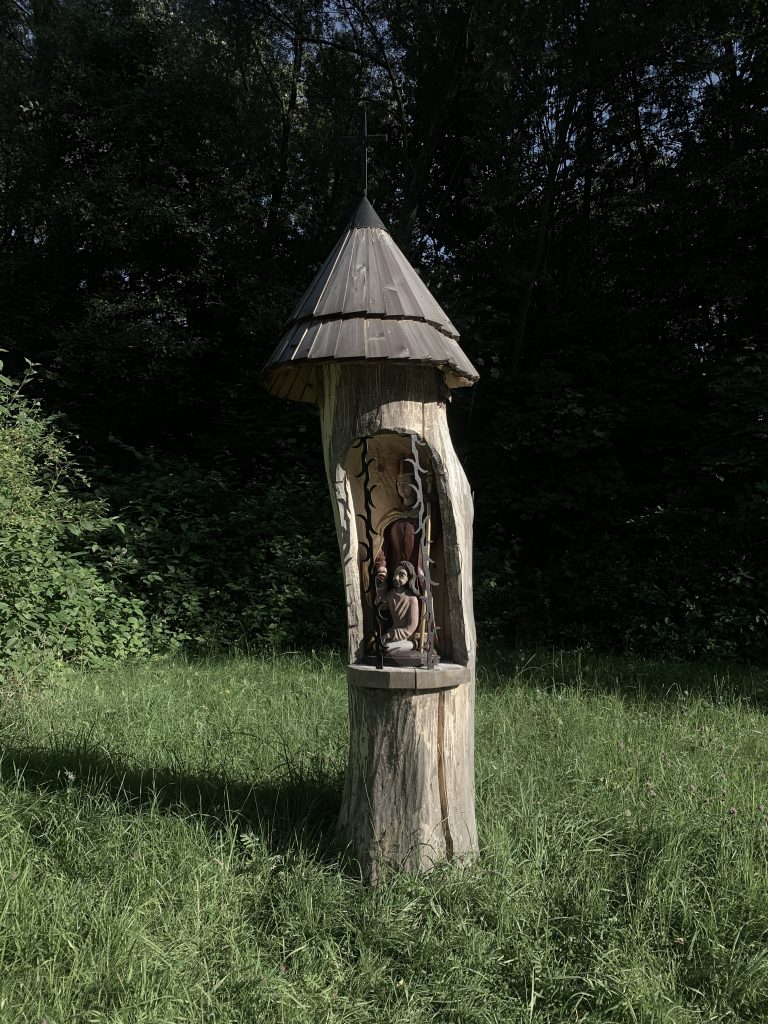
One of the locations I am looking to shoot at – in Poland, Skansen (open air museum) in Chorzow, Upper Silesia – where I come from.
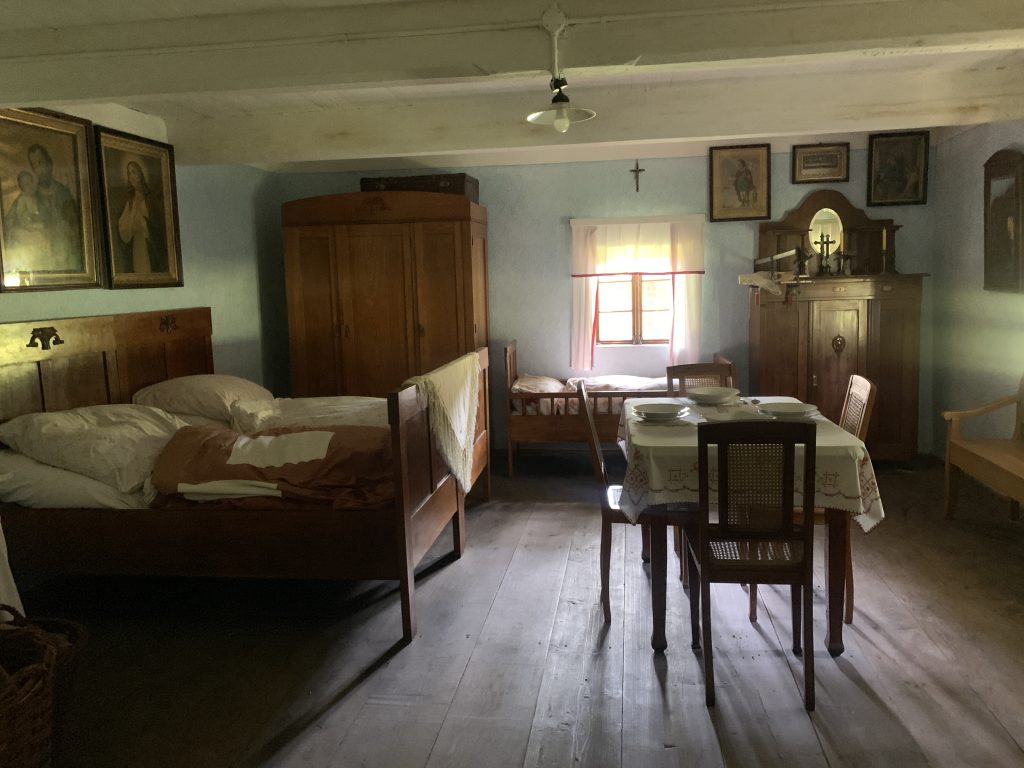
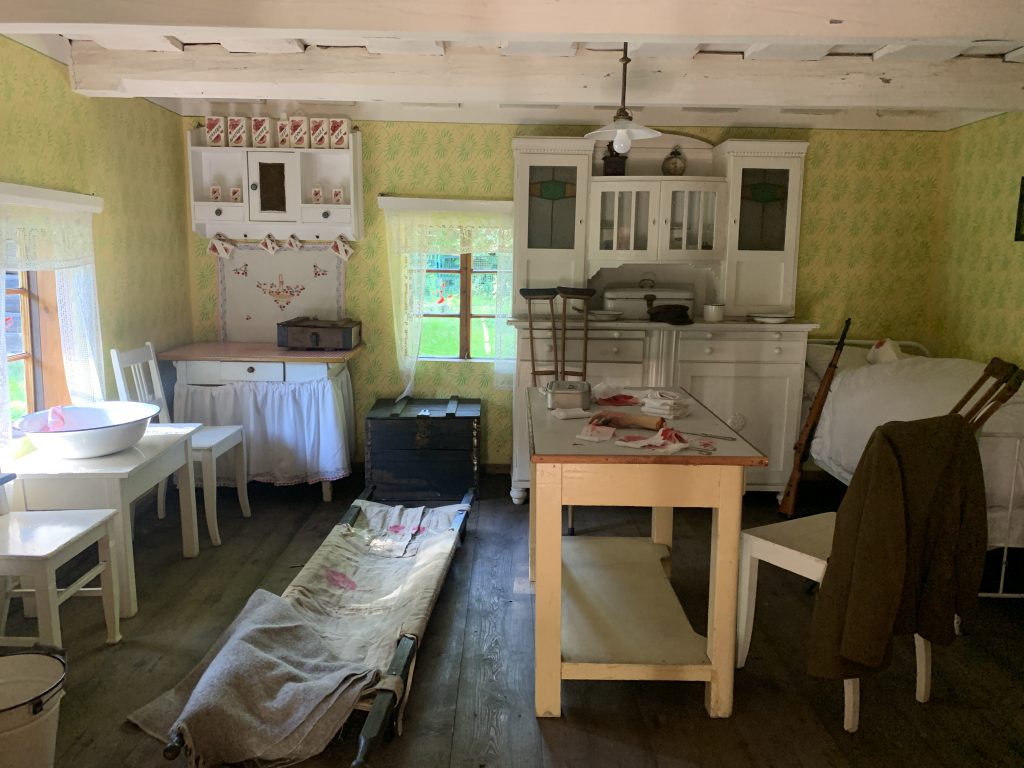
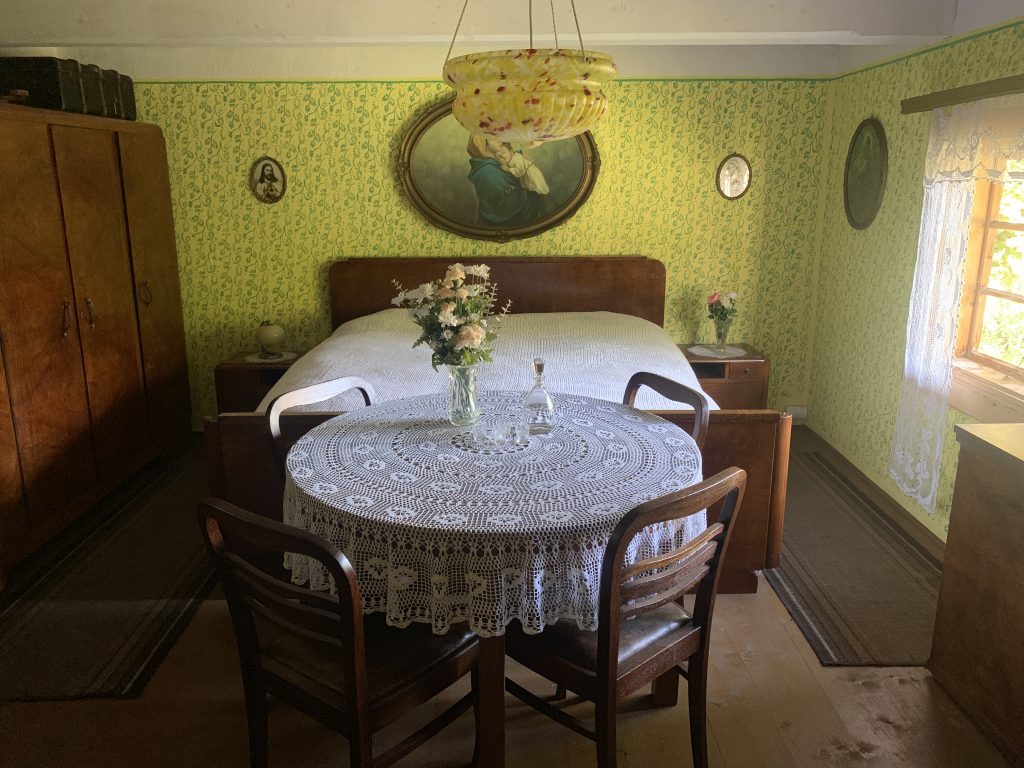
This is the second episode of a series interview with my immigrant friends. Each of each contains different content but in the meantime similar in a way. The total run time of each video is around an hour. Feel free to treat it as a podcast or background music and discover the surprise moment in it.
There was a part Wayne talked about Utopia, to be precise, what is Utopia. He sort of thinks it through during the interview about the definition of it. He said: “Imagine something beyond reach, a critic of presence lack of whatever.” Utopia is something that can’t be materialized. When the paradox of the meaning appeared in his mind, it confused him for a bit then shortly he realized that is exactly what utopia means. The moment or that part perfectly presents the idea of utopia. Also, he talked about his idea about immigrants, which is complicated. That tells it all… I couldn’t quote what he said individually, it’s like extracting a single drip from a stream. But if look it as a whole thing it becomes a surface that can be clear sometimes, reflective things and some moist illusion. You can see the fish and the world under it but you won’t feel the chill until you jump in it.
Over the last two years, I’ve been developing a theoretical and critical framework titled ‘Subaltern Futurism’. Subaltern Futurism is envisioned as a speculative resource framework for artistic research, practice and the technological education of marginalised. Drawing from anti-caste literature, critical race theory, bahujan solidarity practices among other guiding experiences, it asks if artistic practice can become pedagogical tools to communities that are excluded from regular access to critical discourse around contemporary art & technology. The framework views technology through a sociological lens, as a fundamental right and shared resource. It expands upon Gramsci’s post-colonial notion of the Subaltern as ‘colonial populations who are excluded from the hierarchy of power’ to include the current state of digital colonisation, the shared sites for the digital commons and sections of technology users rendered ‘subaltern’ due to the capitalist pursuit of efficiency. Subaltern Futurism speculates that developing empathic relationships with technology through a range of critical & pragmatic actions can assist in the imagination of radical futures that are diverse, inclusive and conducted from multiple geographies especially arising from the global south and from contexts outside of euro-centric biases of inquiry. By considering a very wide scope at the outset, it is envisioned as a multi-year generative project occurring as various modular forms and widely disseminated within the ethos of open access.
Continue reading “02 Subaltern Futurism”
This is a series interview with my immigrant friends. Each of each contains different content but in the meantime similar in a way. The total run time of each video is around an hour. Feel free to treat it as a podcast or background music and discover the surprise moment in it.
Daniela Stubbs-Levi is a Peruvian artist, poet, and musician based in New York City. She received her BA in Graphic Arts from Toulouse Lautrec in Lima Peru, and later a BFA in Visual Arts from the University Paris VIII in France. Stubbs-Leví was born in Berlin, raised in Lima, studied in Paris, and currently lives in New York. Her sense of displacement informs her work and leads her to embrace and delve into the relativism implied in the act of remembering: memory is not a fixed device but more likely an ever-changing frame with which we measure reality. She is interested in dissecting music as sound — a pivot balancing between language and meaning— and notations for their use in different contexts that explore the nature of time and its connection to emotion. She uses mediums such as video, photography, sound, drawing, and writing as individual voices that coexist giving each one space for dialogue.
https://danielastubbslevi.com/
During the interview, she mentioned something that’s haunted my mind. She mentioned Anne Carson’s lecture about stillness which talks about immigrants as a quote because we are the quote without context. Anne Carson references the Antigone by Sophocles, how Antigone was put in the dark cave(Tomb) and became a metic that changes her status to be an immigrant, someone in between. Antigone was pulled out of the status neither alive nor dead, she was foreign to both of them. Giorgio Agamben also said, “to cite is to pull it out of the customary meaning but refused to let it settle to the new meaning”.
I like how Daniela introduced what she did was finding or be something in between. I had a friend like that too, who’s no long in U.S. but that had me thought about the feeling of hesitation and how powerful it could be.
In my research I was looking into lies, something not real nor fake, because all the lie you told was already in the memory and they might become real during the time it was told. Talk with Daniela remind me of different aspect of my lies, but to put them back into the context of my creation will erase the unsubstituted status. In that sense, I am the King Creon and I let my project or my immigrant status dry as Antigone at the cave. I quote it all the time because I couldn’t think it through…
Many thanks.
Award-winning director Paul Wright (For Those in Peril) explores the complex connection to the British countryside with an archival remix drawn from more than 100 years of Britain on film. With a new score by Adrian Utley (Portishead) and Will Gregory (Goldfrapp), Arcadia embarks on a visceral sensory journey through the seasons, exploring the beauty, brutality, magic and madness of our changing relationship with both the land and each other. This fresh new work crafted from the past is a folk horror wrapped in an archive film.

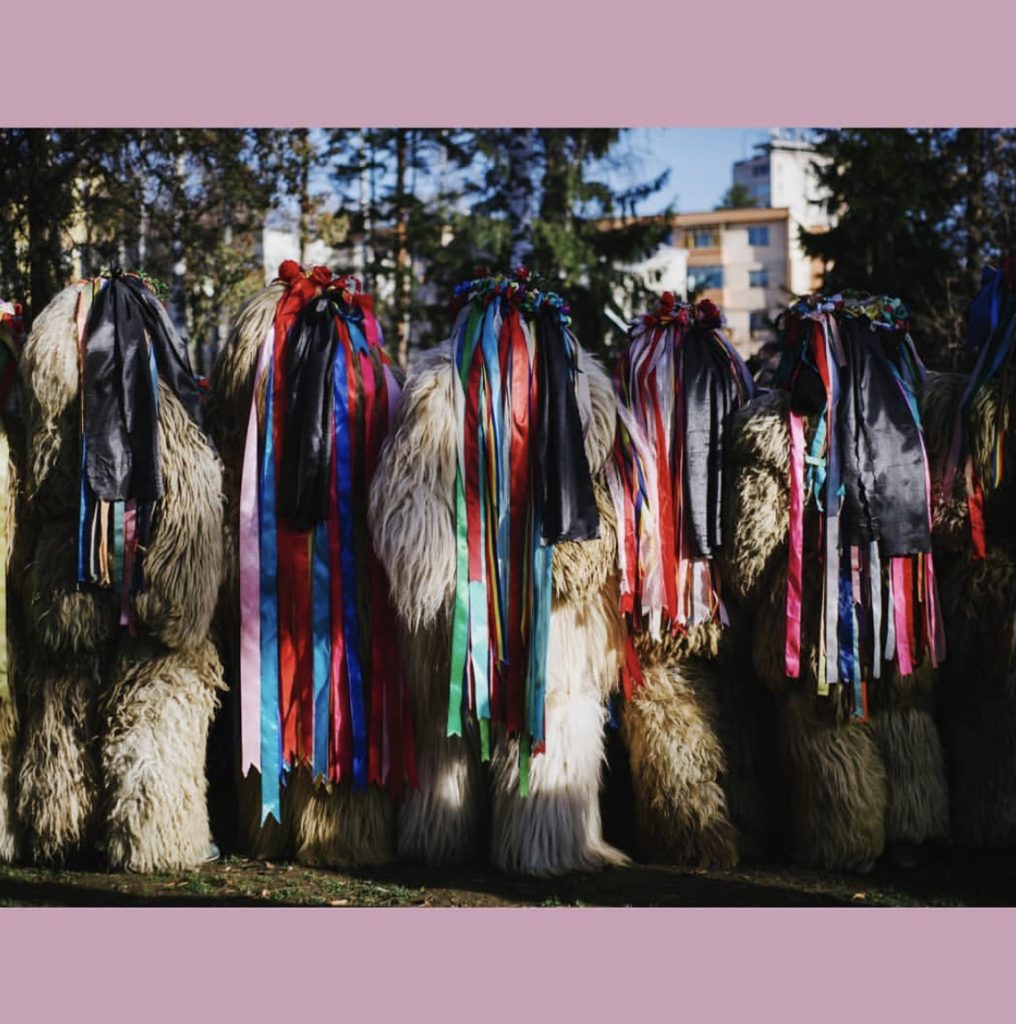
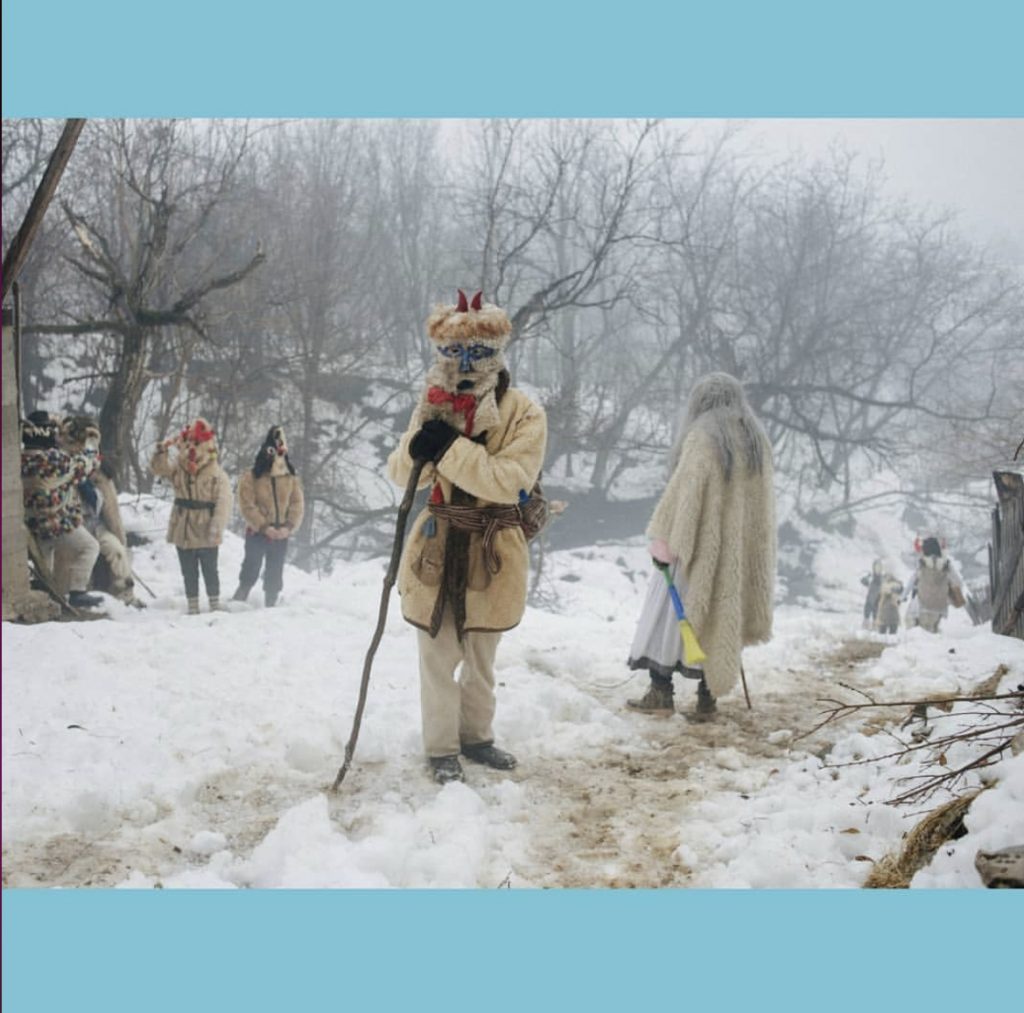
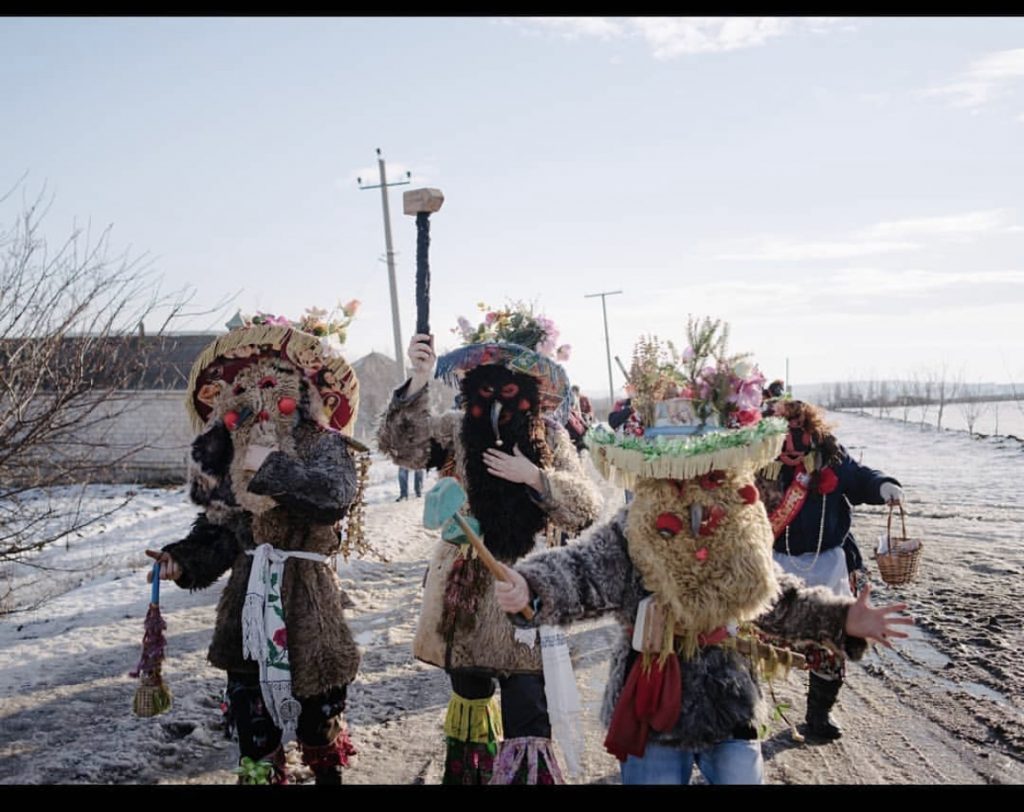
Photos by Ramin Mazur – winter carnival in Moldova.
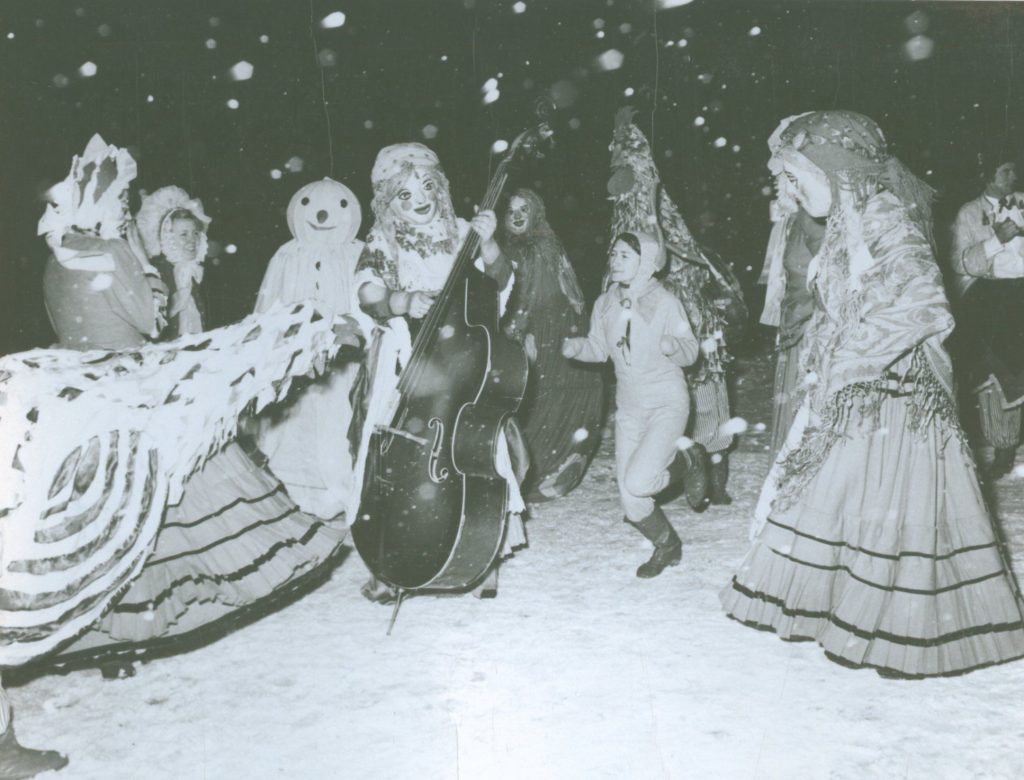
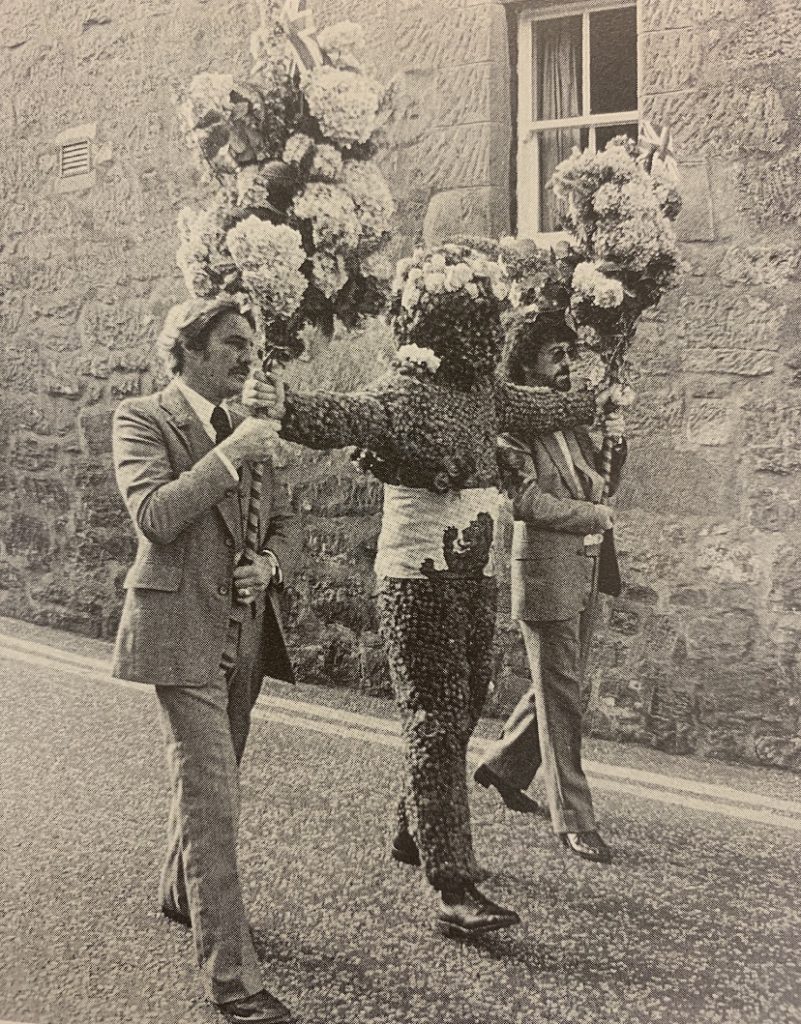
Archival Polish winter carnival.
The way I create videos is straightforward. I do the video, create the story, shooting, editing then done. I deal with the installation later if there’s any. But this time I am doing this differently, I tried to picture what the installation will be.
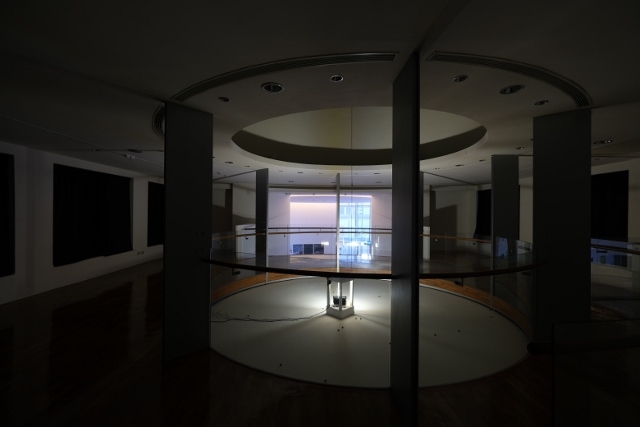
Back in January 2020, I was working on “Hypothesis Atlas and Voyager” at Kuandu Museum of Fine Arts, Taiwan. The space I was exhibited was very unique, a circular space with two floors. The first floor was just a black box space but the second floor has a big hole to the first floor in the middle of the space and the wall has an altar-ish look, not to mention the floor was all wooden floor.
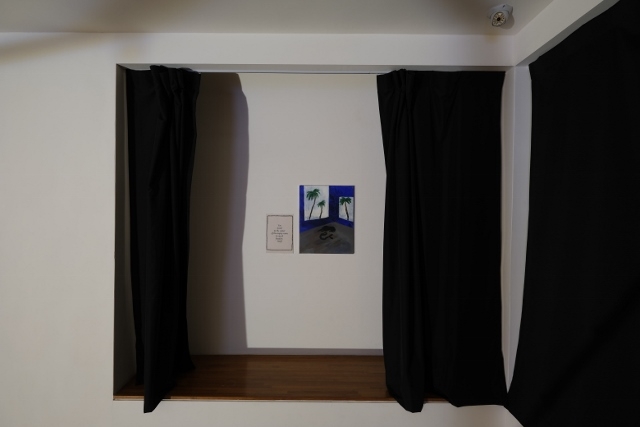
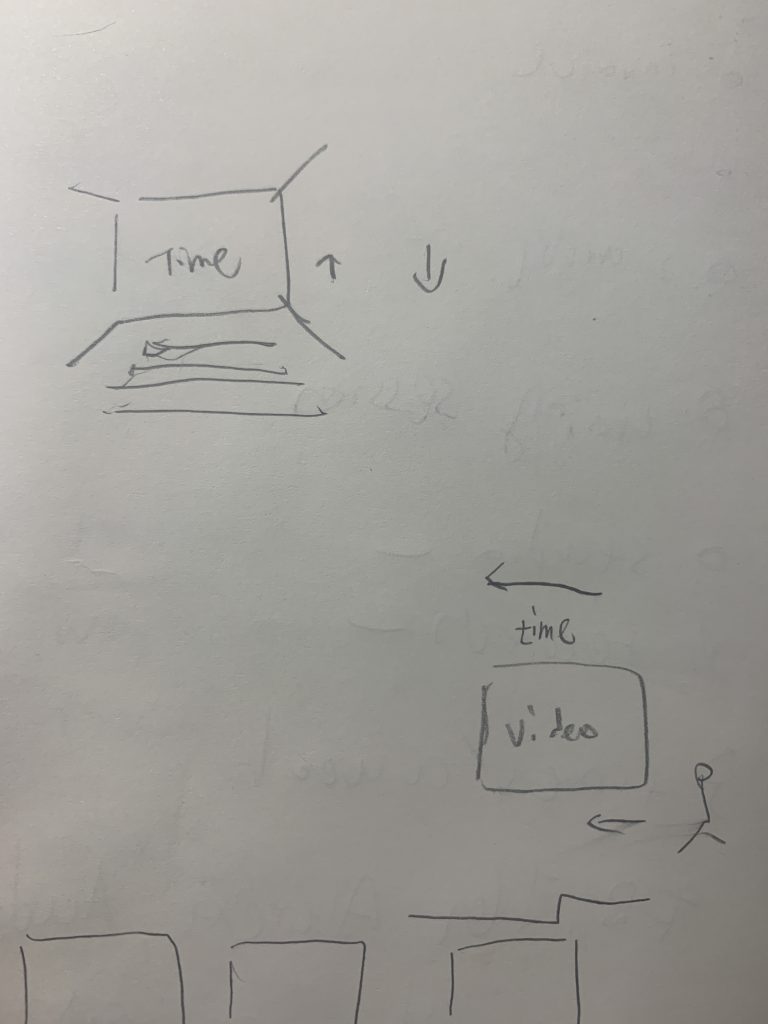
I was thinking about the relation between the viewer and space, when the viewer walks in it, they traveled to see each altar and what’s inside. My original idea was to install objects that related to the video on the first floor and serving as a chronological exhibition. Thus when the audience walks they will become the time.
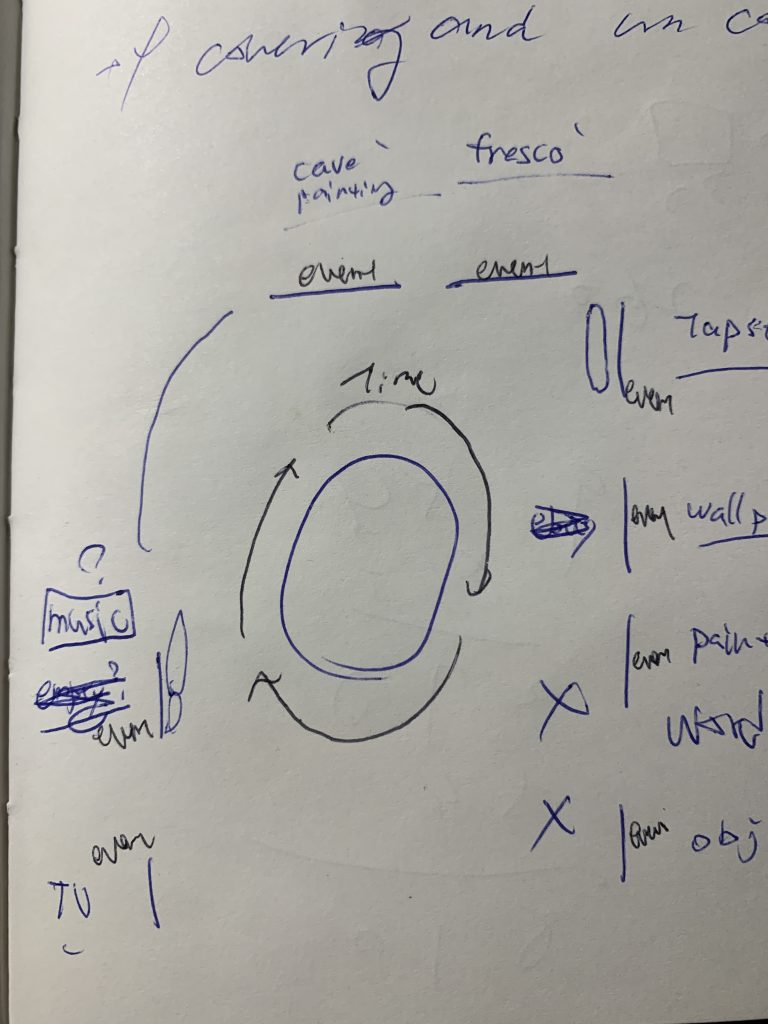
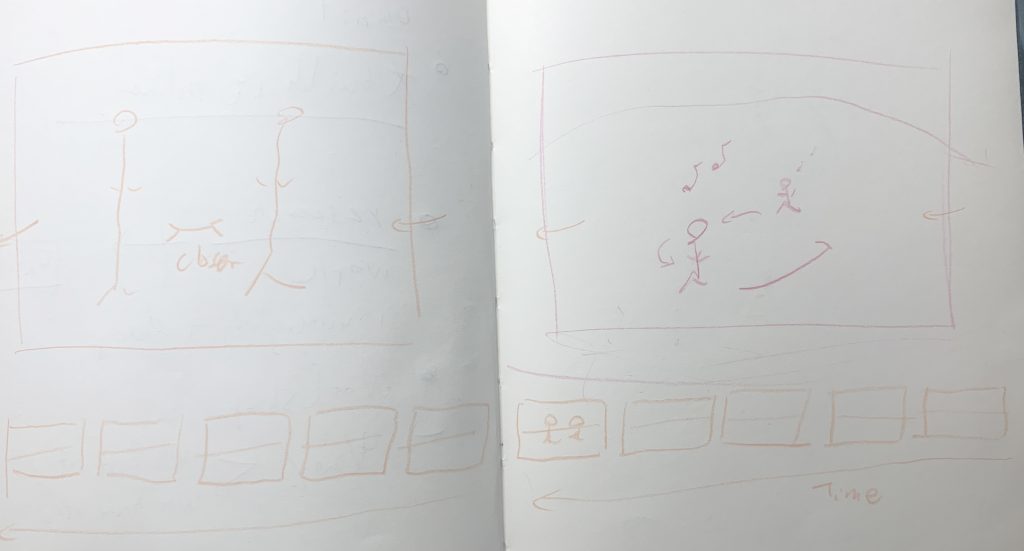
I kept this idea in mind and picked it up recently. My idea for this project was to shoot ten scenes, each scene represents a year, then it will be my past ten years. Those scenes will all be similar with two actors walking and chatting from right to left, talking about different things while they are walking. Each scene will sit around two minutes that make the total length to be 20 mins. The audience will walk with the actors from the first screen to the last scene, when the actor walks to the end of the left the screen will keep playing the scene without actors. This work will take a long space to exhibit, but it can alternatively be exhibited on one screen with ten scenes one after one, it just won’t be that cool…
I do not intend to show the notes of each scene, instead, I will just post my notes and researches that related to it. Perhaps at some point, I will have it display as a more clear story and post it as one post.
References book “Atlas of Emotion: Journeys in Art, Architecture, and Film” by Giuliana Bruno, Publisher: Verso, 2018
Stills from some films that I have watched as part of the research.
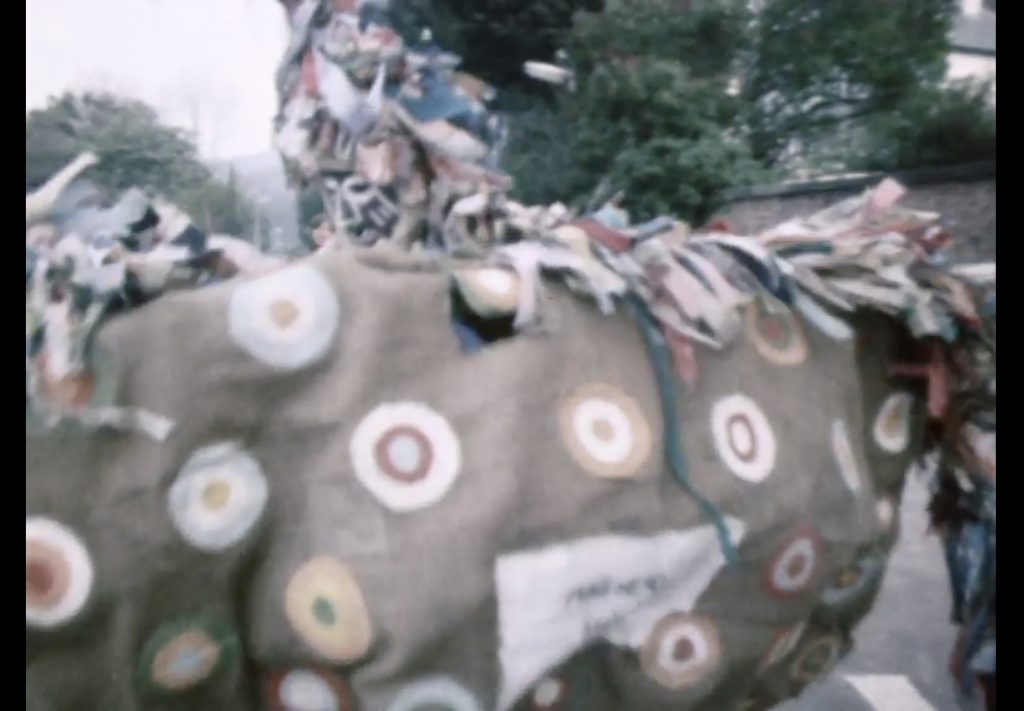
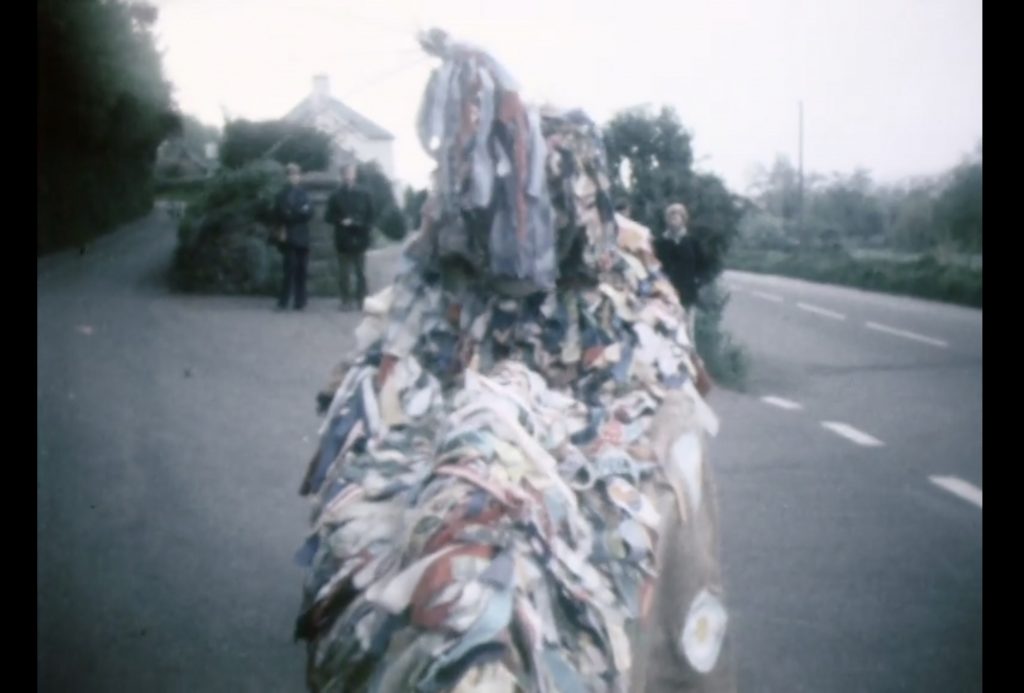
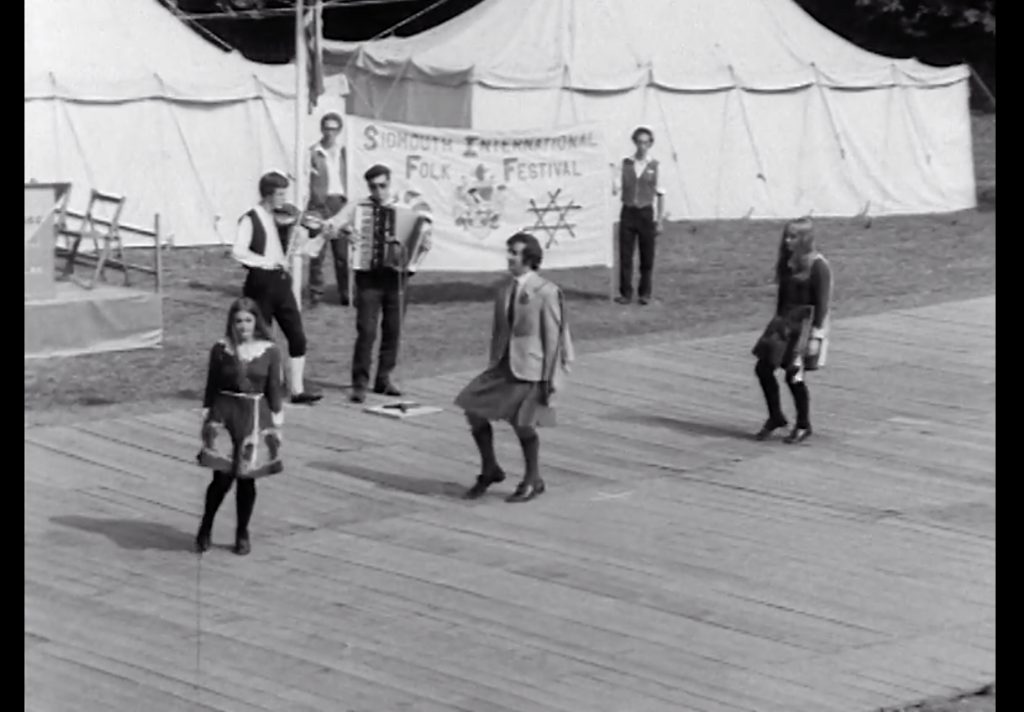
Films:
Billingham Folklore Festival 1965.
Minehead’s Obby Oss Festival.
The Sidmouth Folk Festival.
All the films are available via BFI Player.
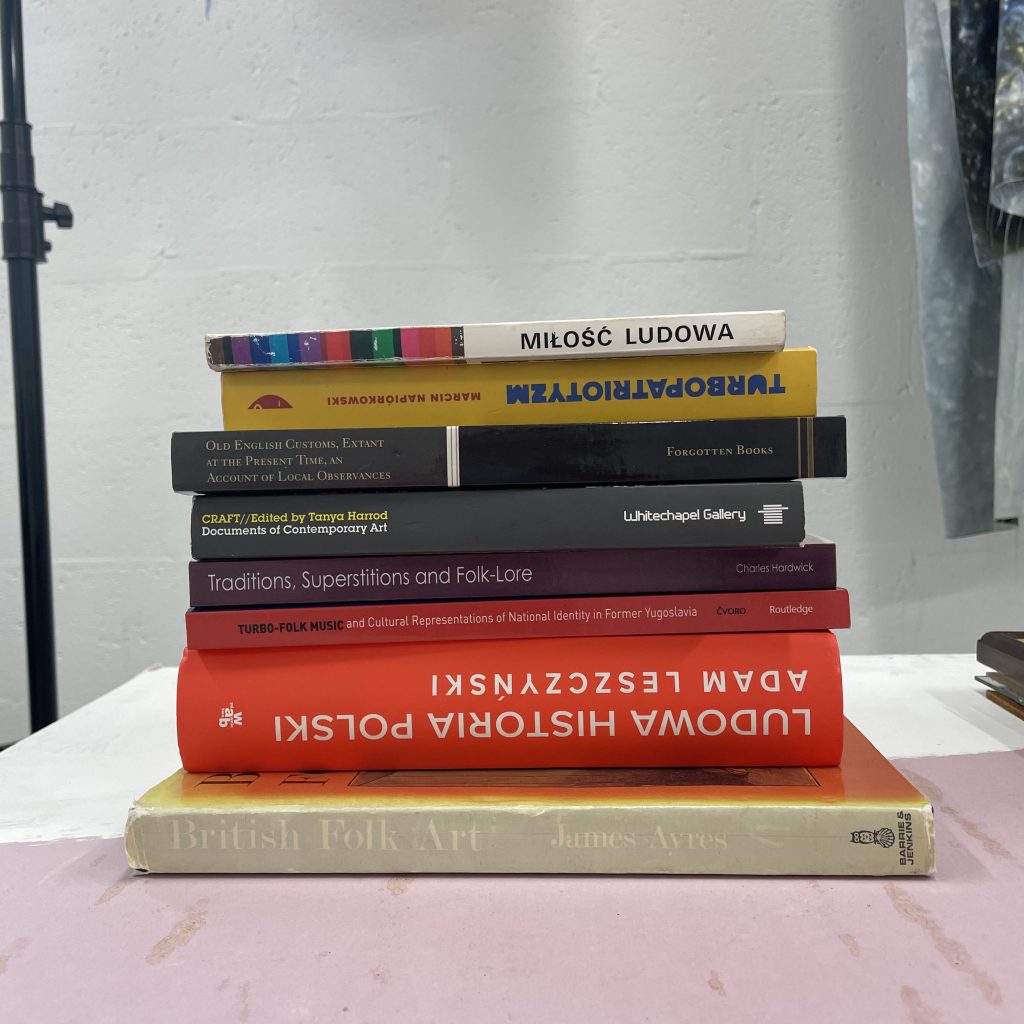
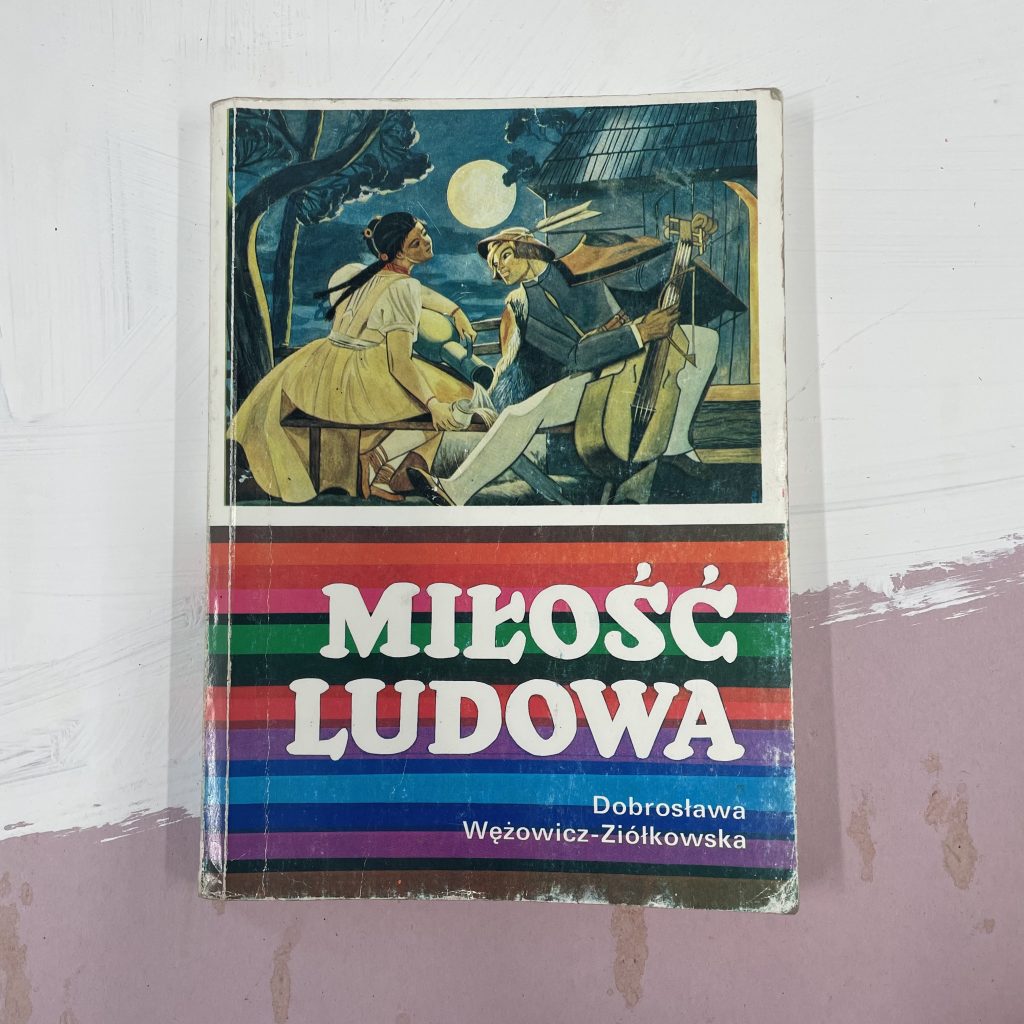
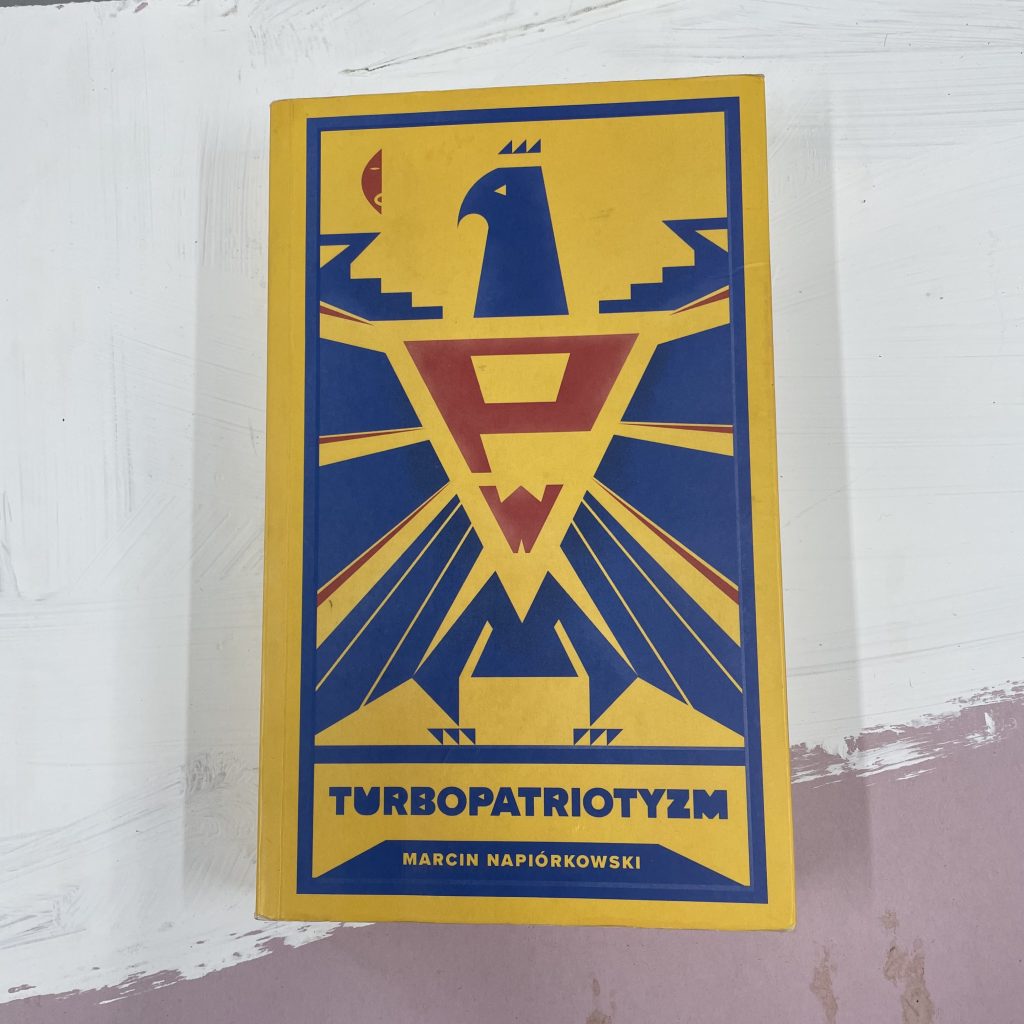
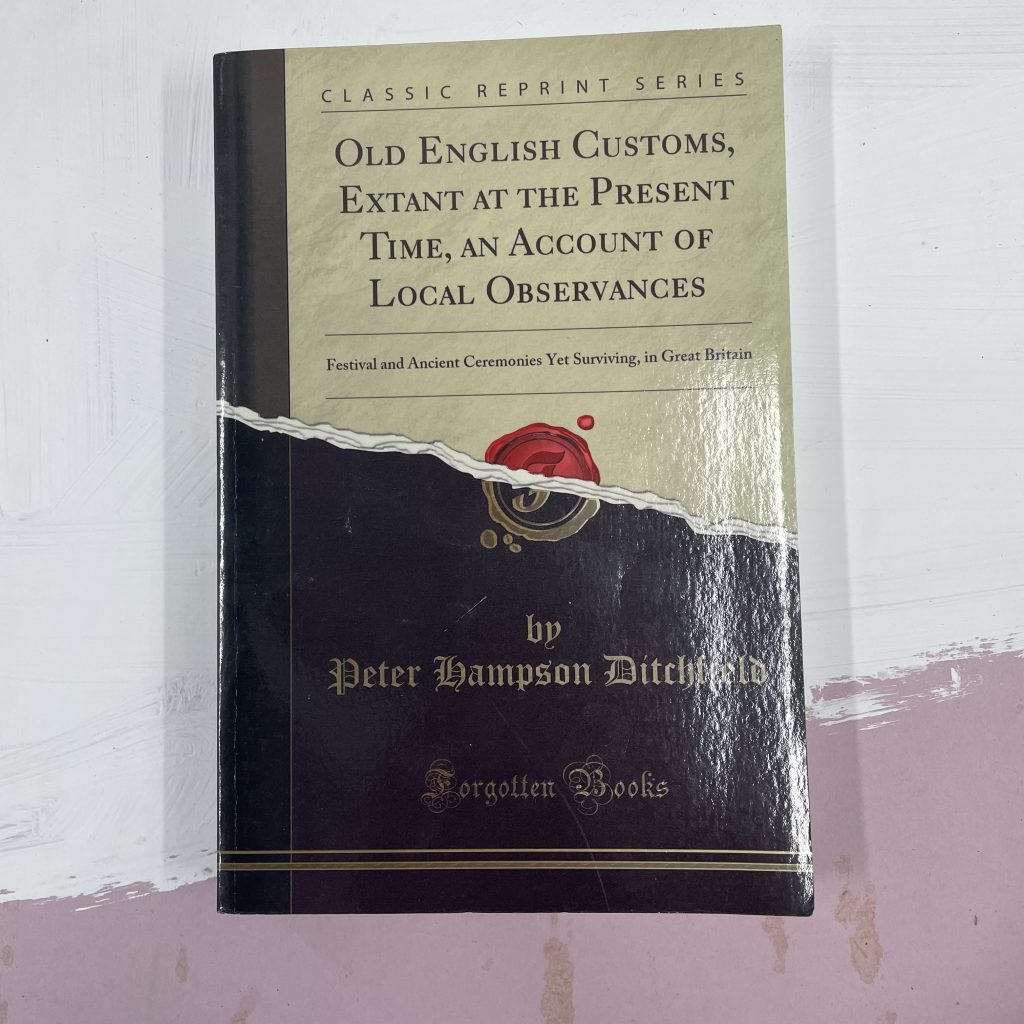
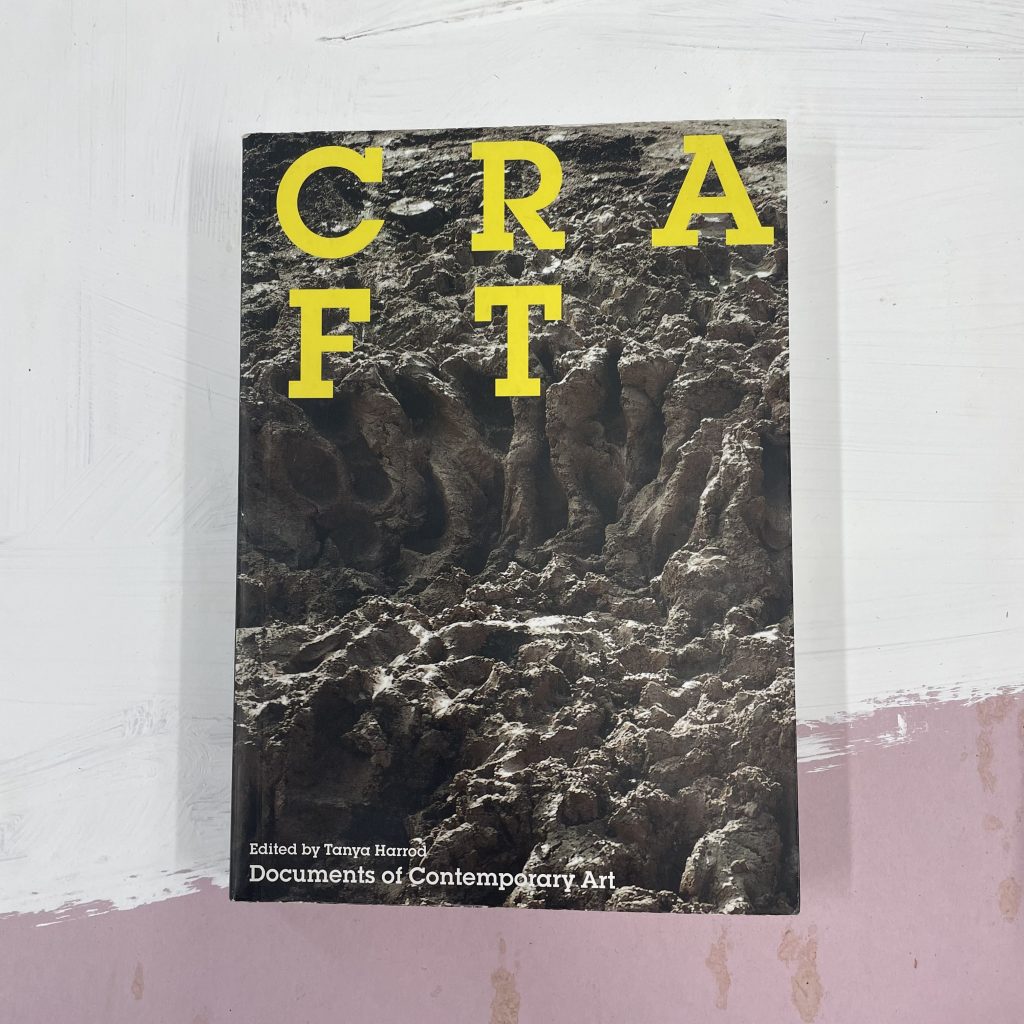
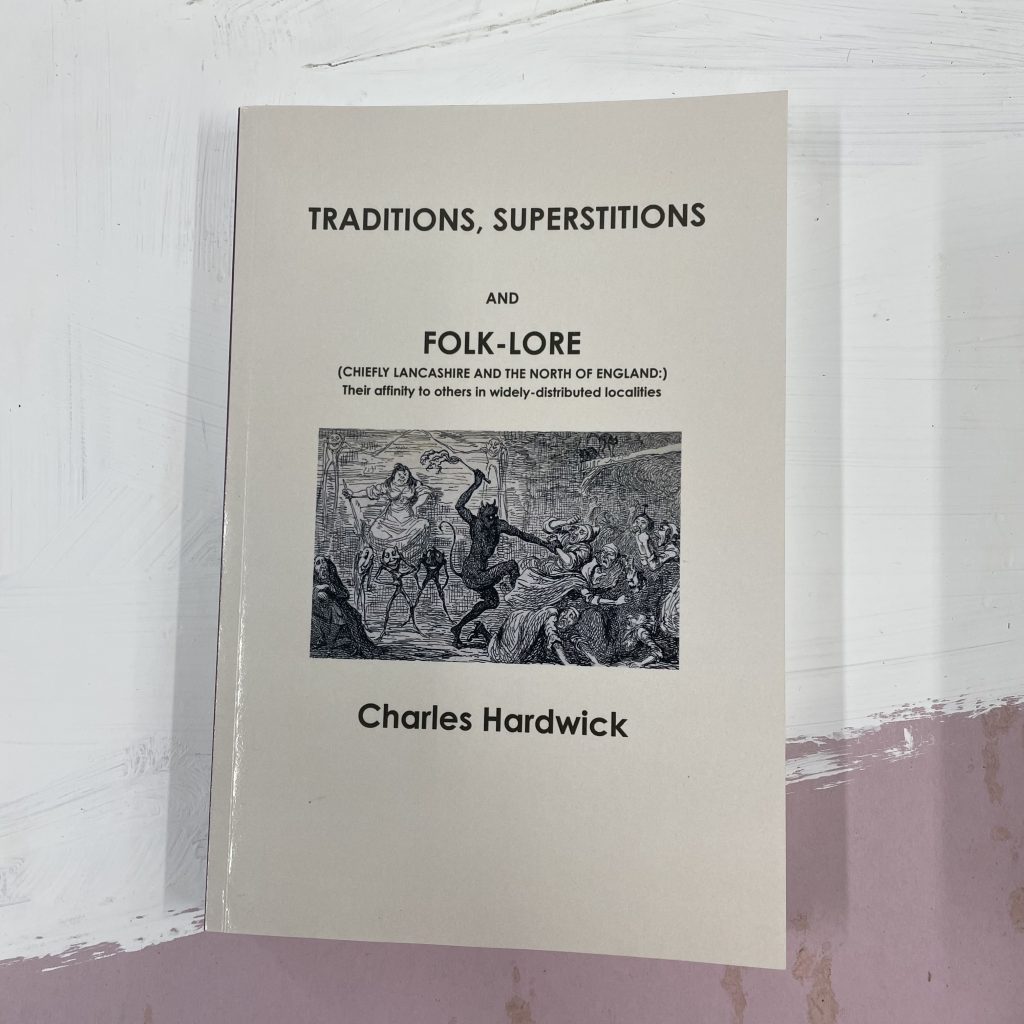
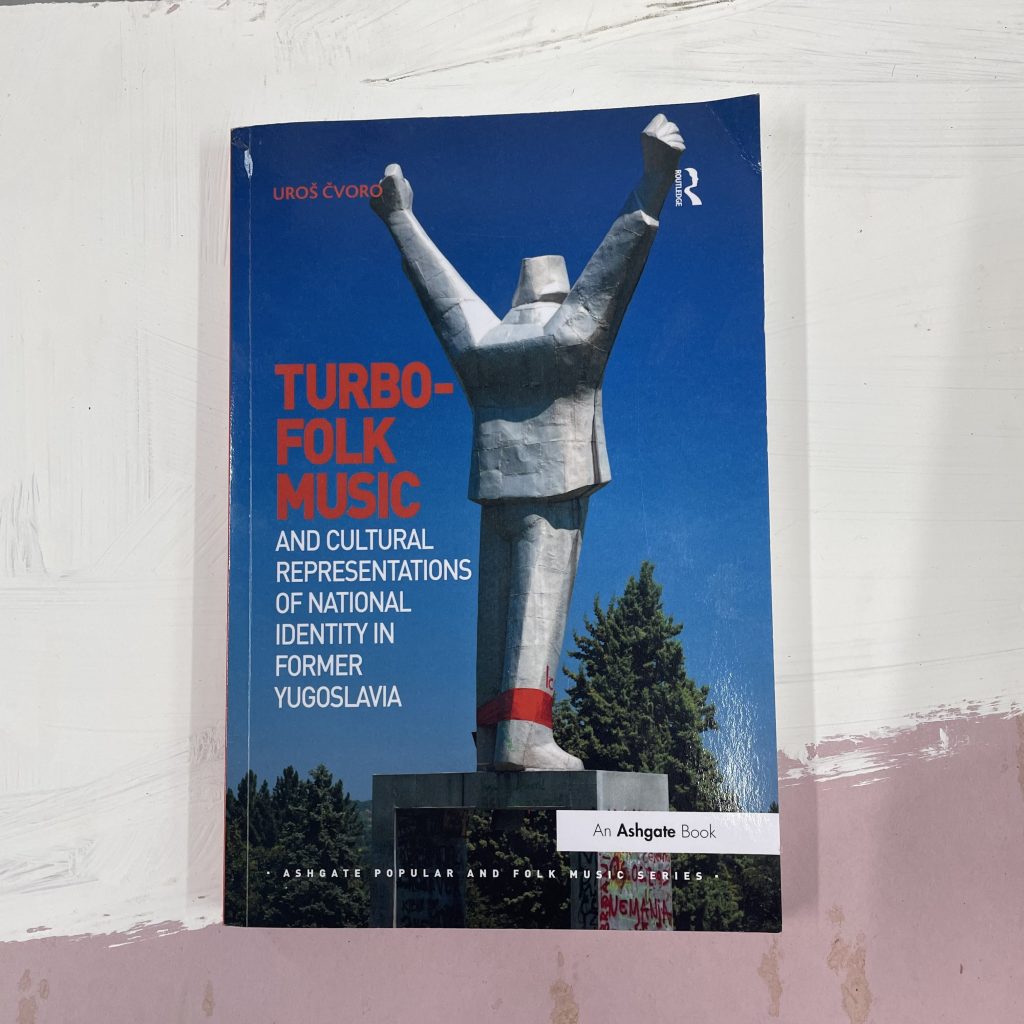
Here some of the books I am reading as part of my script research.
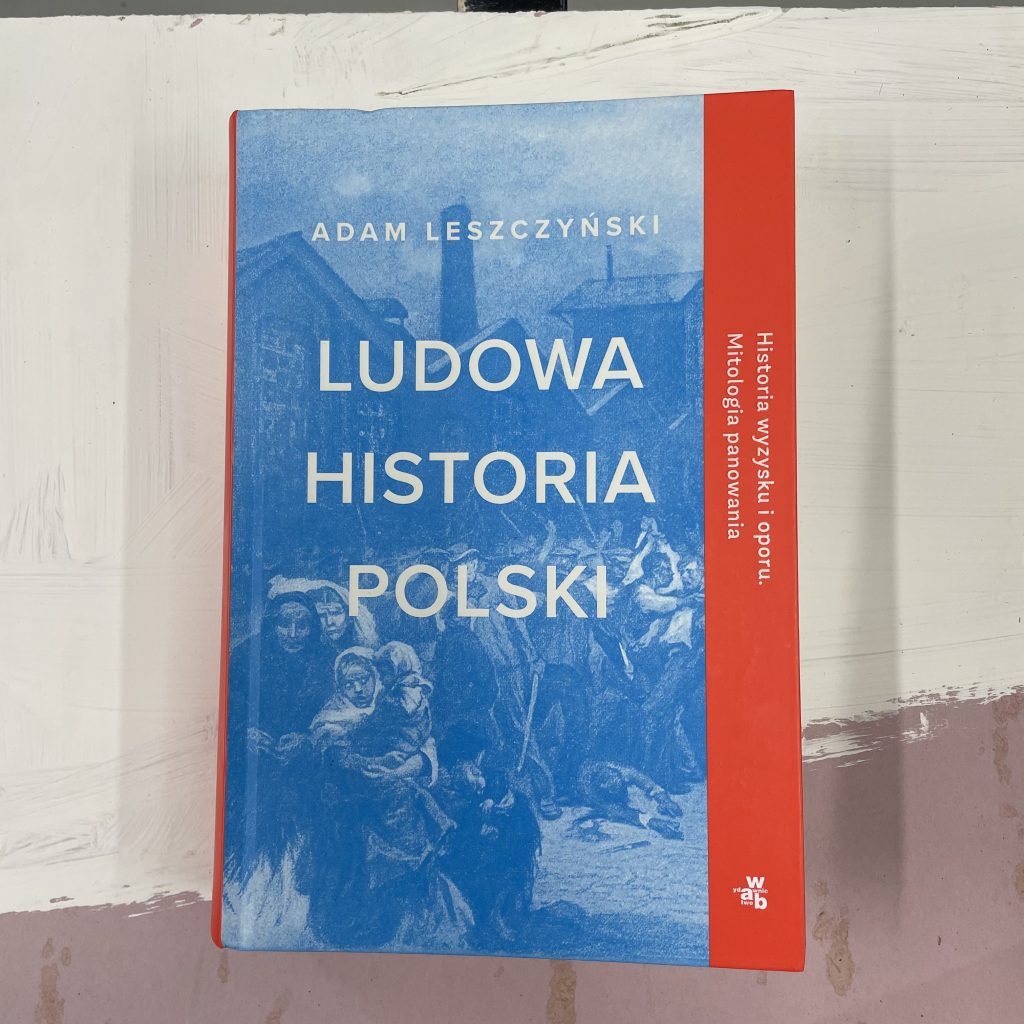
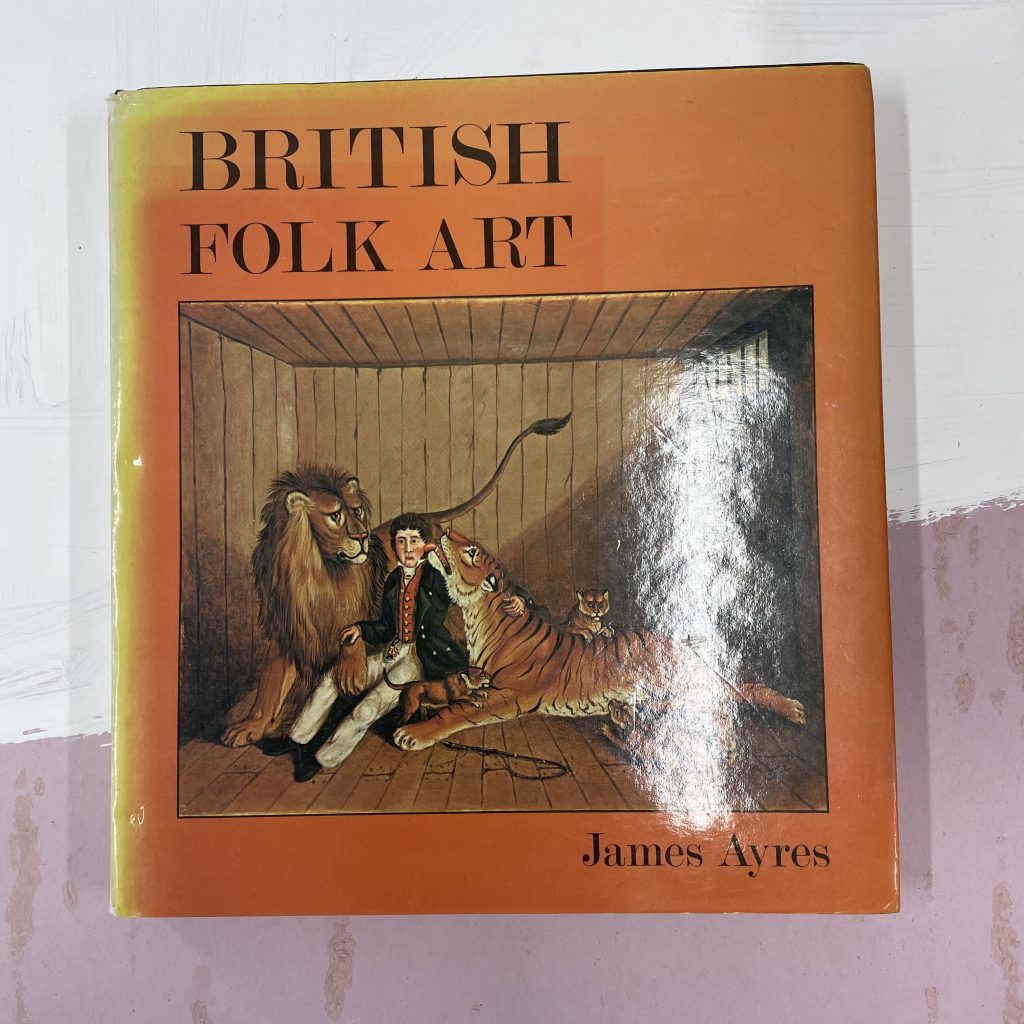
Images description:
Nine images presenting the books. First image: A pile of eight books on white / pink table, white wall at the background. Second: Book on the table. Title: Milosc Ludowa (Folk Love) by Dobroslawa Wezowicz – Ziolkowska. Cover shows illustration with a women and man in Eastern European folk costume , with moon behind them, test of cover is multi colour strips. Third: Book on a table. Yellow cover book, with blue eagle and a red symbol inside, book title ‘Turbopatriotyzm’ (Turbo Patriotism) by Marcin Napiorkowski. Fourth image: Book on a table. Old english looking, black, beige colour. Book title: ‘Old English Customs, Extant at the Present Time, an Account of Local Observances’ by Peter Hampson Ditchfield. Image five: book on a table, grey cover with yellow writing CRAFT, Edited by Tanya Harrod. Image six: Book on a table, light beige colour, black writing with book title ‘ Traditions, Superstitions and Folk – Lore by Charles Hardwick. Image on the cover show an evil looking creature beating bunch of medieval looking white people with a whip. White bigger women at the background smiling and undefined small creatures in front of her. Image seven: Book on a table, communist style monument on blue sky background. Title in red and white, ‘Turbo Folk Music and cultural representations of national identity in former Yugoslavia. Eight image: Book on a table, blue red cover, title in Polish ‘ Ludowa Historia Polski’, Folk History of Poland’ by Adam Leszczynski. Image nine: book on a table, orange cover with image of English aristocratic looking white man between two lions, male and female, who is licking his face. He is embracing them both and there are little tigers running around. British Folk Art is the book title.
There are multiple strands of thought I’m following and working through my findings at the moment. I usually do this by identifying the emotions that certain research materials stir up as I engage with them and then head off on a journey to locate its companions in a way. Imaginations of ‘what else might complement this’ guide how I proceed or retreat and the connections I end up making are often circuitous and serendipitous.
I attribute this to the sense of wonder I have for technology in general and the internet in particular. I have visceral memories of being enamored by the sheer power of being able to access random streams of knowledge that had nothing to do with school work as a kid and I’ve held on to these memories quite strongly. They help me determine when I stop the process of ‘making’ my works and how I determine if I am sufficiently intrigued by the things I create.
Continue reading “01 Thoughts on Race & Technology”
During the residency period I will be expanding research that I undertook, while making ‘Niolam Ja Se Kochaneczke’ (2016).
Niolam Ja Se Kochaneczke explores potentialities of queer utopias, while looking at the relationship between history, ‘national values’ and power structures.
Through the work I revisited Eastern European folk traditions and whilst employing feminist and queer reading I questioned why queer love has never been preserved and celebrated in the folk history. I reclaimed these stories by subverting the narrative of ‘straight’ love songs to represent queer love stories instead.
My aim was to problematize how history is written and tradition is represented, often only to sustain the power structures that claim it ‘objective’. I intended to encourage the viewer to consider and experience history as a discourse made out of multiple, overlapping and contesting narratives rather than a single, fixed entity.
I questioned what the “national values” are / are claimed to be and look at the ‘fragility’ of national identity, threatened so easily by ‘otherness’ and queer subjectivities.
Niolam Ja Se Kochaneczke relocates queerness both historically and geographically. Queerness In Eastern Europe is often perceived as a contemporary phenomenon that arrived from Western Europe, rather than something that always had its presence. I want to acknowledge its historical place and reclaim histories that were repressed. As well as this I want to speak of queerness in context of rural communities, as too often it is considered only within the urban setting.
The recordings were done in a traditional rural setting in East of Poland (Roztocze and Karpaty) with folk singers singing both in Polish and Lemkov (Ukrainian dialect).
This work is currently exhibited in local_30 gallery in Warsaw, Poland – part of POGANKI | HEATHENS, a group show curated by Agnieszka Rayzacher, featuring Karolina Breguła, Marta Bogdańska, Maria Kniaginin-Ciszewska, Katarzyna Górna, Kinga Michalska, Liliana Piskorska (Zeic), Aleka Polis, Karolina Sobel & myself.
The exhibition is directly inspired by The Heathen, considered the first Polish novel to address love and passion between women. Boy-Żeleński wrote: “sisterhood, that most perfect form of friendship, could lead to genuine love tragedies – and powerfully impregnate souls with suffering. Because The Heathen comes into being one year after those incidents.”
The relationships addressed in the exhibition are not always downright romantic. Close ties between women, mutual understanding and empathy have a long history and manifest themselves in women’s circles reactivated today, among other phenomena.
See the show till 5th June 2016 if in Warsaw, and also you can access it virtually via the local_30 website.
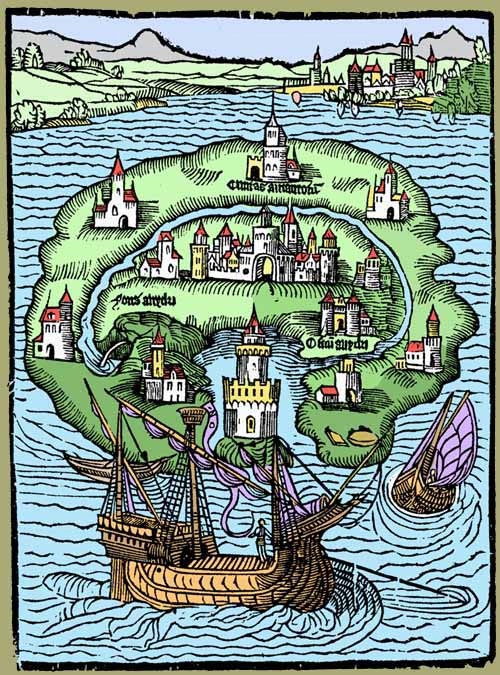
Utopia- Sir Thomas More 1516
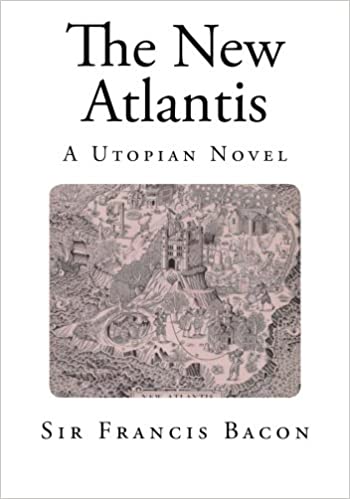
The New Atlantis – Francis Bacon 1626
Robinson Crusoe – Daniel Defoe 1719
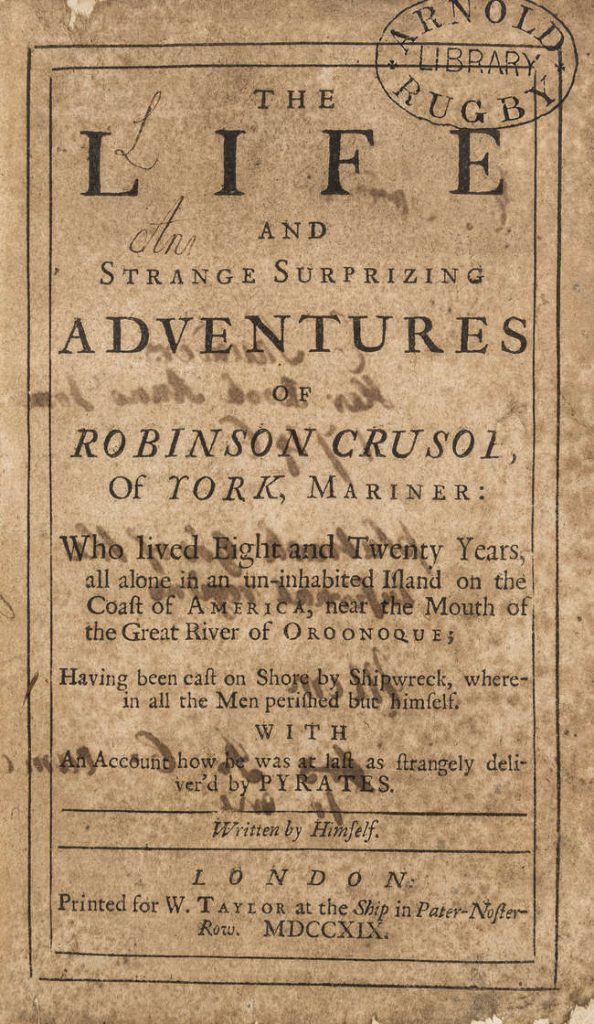
Around 17~19 century ppl move from Euro to USA (740m population vs 800000 population). The term immigration was coined in the 17th century.
Then, Utopia experiment in USA in the 20 century, architect Frank Lloyd Wright, Paolo Soleri, Acrosanti
Vendredi ou les Limbes du Pacifique (Friday) – Michel Tournier, 1967
Internet as Utopia from Expanded Education For The Paperless Society- Nam Jun Pak, 1968 *link to NJP’s future prediction
/////////// (・∀・)
Each 100 years, artists try to create work that shakes the world and reflects it’s time. Combining reality and fiction to picture something that is there and yet to be discovered or can’t be pictured.
In the seventeenth century, knowledge is power, the science and technologic jump and progress Scientific revolution change how people see the world. Then the Age of Enlightenment and Age of Reason came, they dare to know. By the end of the eighteenth century the idea of Utopia no longer restricted to space, it shifted it to time, the future, which is more accessible than the unknown territories. The distance that makes possible the critique of reality remains.
If time is the fourth dimension. If the three-dimensional space of Utopia does not exist, then perhaps how we map the future will concern its history.
¯\_(ツ)_/¯⌛⌛⌛⌛
?????
Go to Next post
?????
Hello, my name is Tzu-Huan Lin. Welcome to my studio!
I am a Taiwanese artist living and working in Brooklyn so please bear with my English. In my studio you will find my research, work in progress and my Vtuber. Many times during artist talk people ask me about how I create video work? Does the narrative(story) come first or the image itself? It’s like a chicken and egg question for me, I like to see things Janus faced. Standing in the cross road makes me able to see the destination so I can make some detours on the way.
Continue reading “00 INTRO”
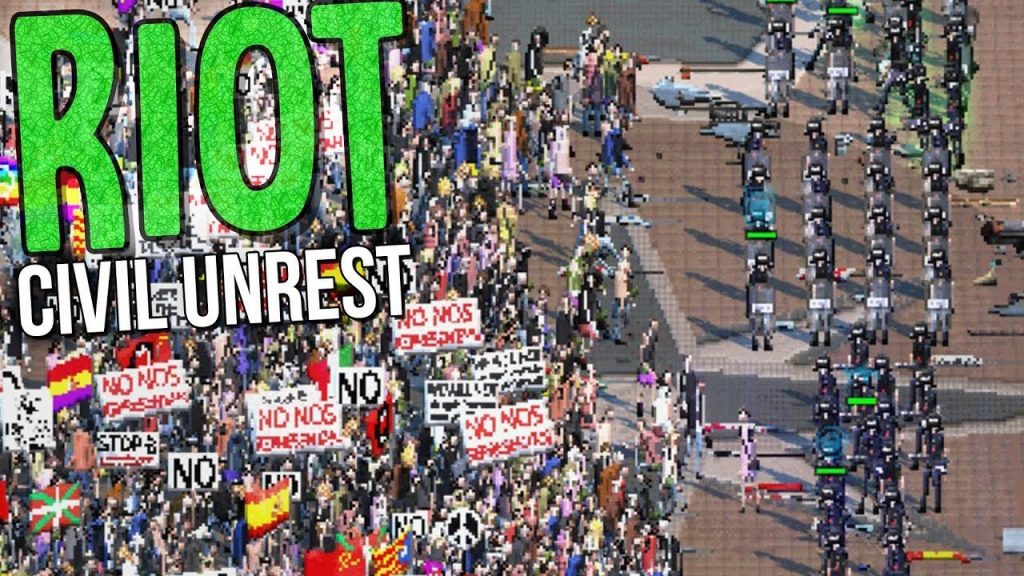
Riot: Civil Unrest is an online game that blends real-world protests from recent history with objective based strategy gameplay. The game references four major civil unrests, Arab Spring in Egypt, No TAV in Italy, 15-M movement (Indignados) in Spain and the Anti-Landfill protests (Keratea) in Greece. The director of the game and previously an editor and cinematographer at Valve, Leonard Menchiari, has experienced riots personally and the game “Riot” was created as a way to express it and to tell the stories of these events. The player can pick between playing as police or rioters. Playing as either side will even tell you about the public’s opinion on how you handled the demonstrations. The game aims to depict scenarios in a neutral manner, allowing the player to explore both sides of the conflict.
Riot was launched in February 2019. It was highly recommended by LIHKG netizens in Hong Kong as early as June 2019 when the Anti-ELAB protest began. Protesters, whether they belong to the peaceful camp or the radical camp, can learn different tactics from the game.

When I followed the Hong Kong Protests daily, what captured me the brilliant use of colors. Not just in clothing and tools but as forms of communication. As with all things, I always filter how I see the world through my Elder’s teachings (Elder Isaac Day of Serpent River First Nations). Some of the colors that held the most sway overall were Yellow, Red, Black and White. In Isaac’s teachings that would be Honesty, Kindness, Caring and Sharing. As I reflect on these teachings and think about the Hong Kong Protests I find these teachings completely and aptly applicable.
Of all the signs I choose to replicate the ones that resonated with me the most is “Don’t Shoot Our Kids”, “I Will Not Kill Myself”, “Stop Killing Us” “Be Water! We are formless. We are shapeless. We can flow. We can crash. We are like water. We are HONGKONGERS.” and Hong Kong People Hearts Never Die in Cantonese. I think it is important to profile that the police brutality in Hong Kong has largely targeted the childen and youth, medics and journalists, hoping to scare others into submission. Without the children and youth the movement is ashes on the ground. So I am showing solidarity and my own prayers that the Kids are protected. It is a sad state when children have to take to the streets to protest their own government and write wills to do so.
“I Will Not Kill Myself” was the single most emotional sign I had to replicate. Thinking of the allegations of “suicide” that clearly are of well know prominent protesters including Chan Yin-Lam (15 year old), Chow Tsz-lok (22 year old), Alex Chow and so many unnamed victims targeted by the Hong Kong Police Force, and their enacted state sanctioned brutality during the protests of 2019 and 2020. What struck me in my research is how difficult it was to find a list of these names. I hope these moments and acts are not lost to the tendrils of history. A not so gentle reminder of the great human rights abuses that are being perpetuated in Hong Kong against it’s citizens as we speak. “Stop Killing Us” isn’t just a poster it’s a reality for Hong Kong citizens right now as we speak.
Finally closing this circle of grief is still the strong hope and message of Hong Kong People, Hearts Never Die written in Cantonese. I believe in the future of our peoples. As long as our hearts live with the fire of the future and we flow like water, then this hope and fight for freedom also never dies. Until we are all free.
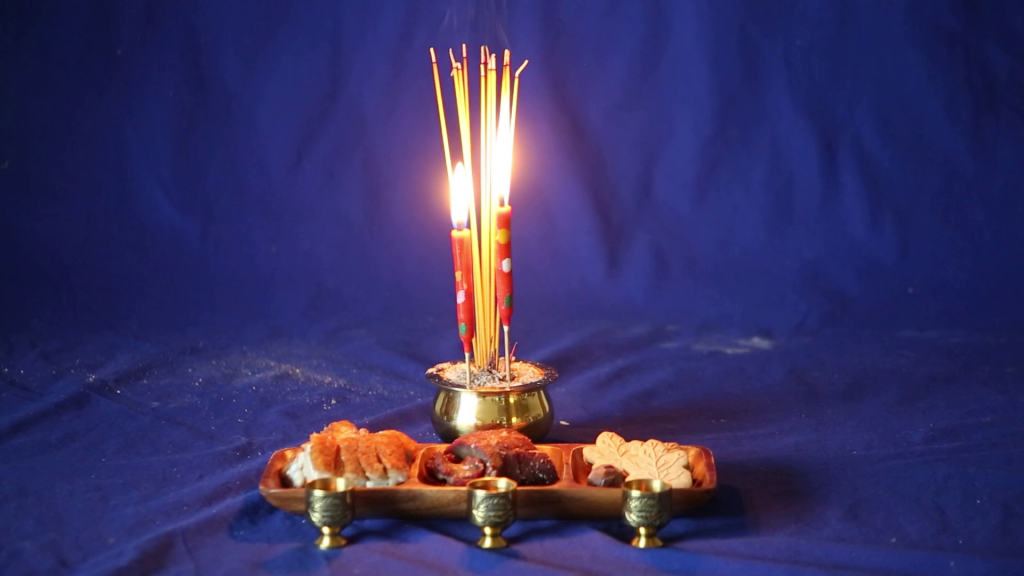
I don’t recall what the festival is called but a search on Google tells me it’s called the Ching Ming Festival. Ching Ming and the Mid Autumn Festivals were by far my favorite time of year overshadowing even Chinese New Year. Both festivals featured fire prominently and reminding me of aspects of my all time favorite time of year: Halloween.
Ching Ming being a festival we went and visited our ancestors resting places, talking to them, honoring them with offerings of food and wine, while burning joss money and sometimes even paper condos and servants. I loved the fire, the bigger the better, I loved feeding the fire with our folded joss money, I loved watching other families offer condos, suits, phones and servants to the all consuming flames. The whole day of adventures: going from site to site and we would end the day with a feast as if we were celebrating with the ancestors together. We would all sit down on my Great Grandfather’s grave and eat a sumptuous meal of foods, fruits and wine often amongst the sweet aroma of ripening mango’s on the trees around us.
The Mid Autumn festival with the lanterns and bonfires was another highlight of the year. I delighted in making lanterns that I knew I would be able to burn later in the night, parent sanctioned and all. I love fire to this day. Some of my other favorite things to this day being the moon and rabbits, Mid Autumn festival was the pinnacle of my favorite things: Fire, Moon worship, Rabbits and making things. For the adults it was also time to find love and there would be markets of fresh flowers and mazes with notes dangling from higher up, each seeking love or a particular lover. The lights, the flowers, the fires and the lanterns all made for a fantastical childhood that is unparalleled in Canada.
There is something magical about fire to me always and forever. I still remember keenly the smell of josh sticks in the air, the special candles we used, I remember collecting moon cake tins with various indentations to make interesting molds for the night of melting candles. Most of all I loved the ritual of folding and burning joss money. My Grandmother taught me how to fold these papers with the golden square in the middle, we folded it to mimic the old school currency of the gold ingot, know also as a yuanbao.
I grew up in a time in Hong Kong where mythologies and legends were real life. To me phoenix’s and dragons were the real deal, ghost and ancestors walked amongst us and the Gods and Goddesses was a relationship full of wonder, fantasy and fire. May our prayers rise with the smoke to the Gods and Goddesses. It brings me a great peace, at 45, to start to bring these elements to my own home in this foreign land, creating an Altar to the same Goddess as my mother did for so many years continuing a lineage and tradition older then the words I write on this page.


