Accessing this site
 Display settings
 Artist login

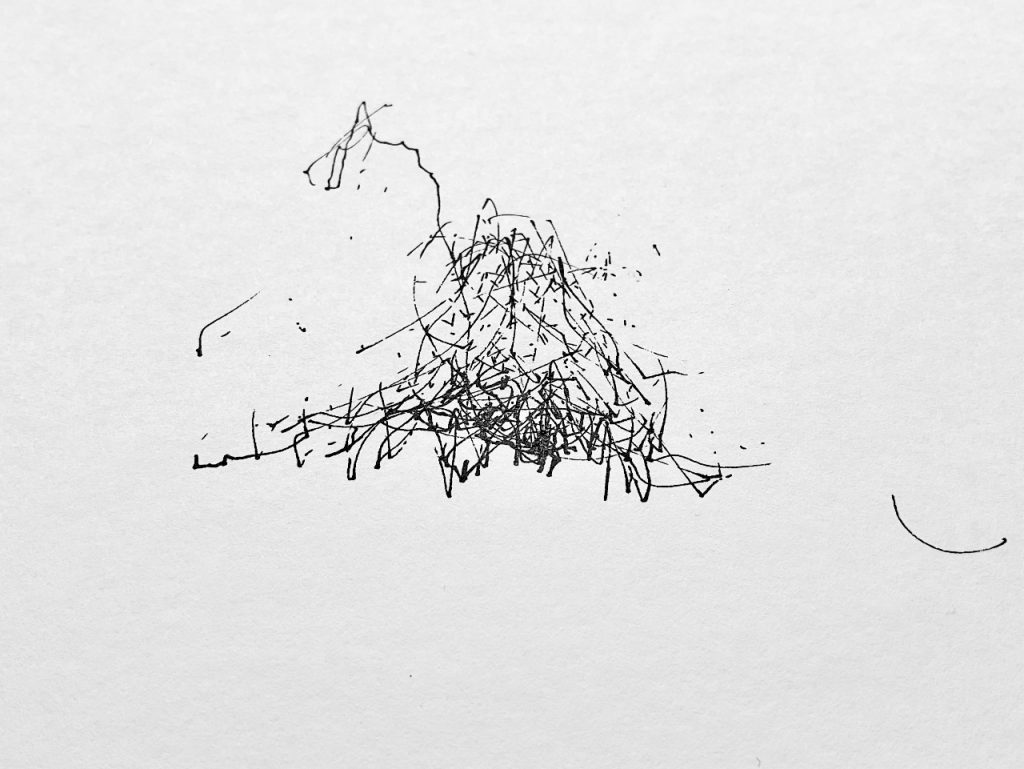
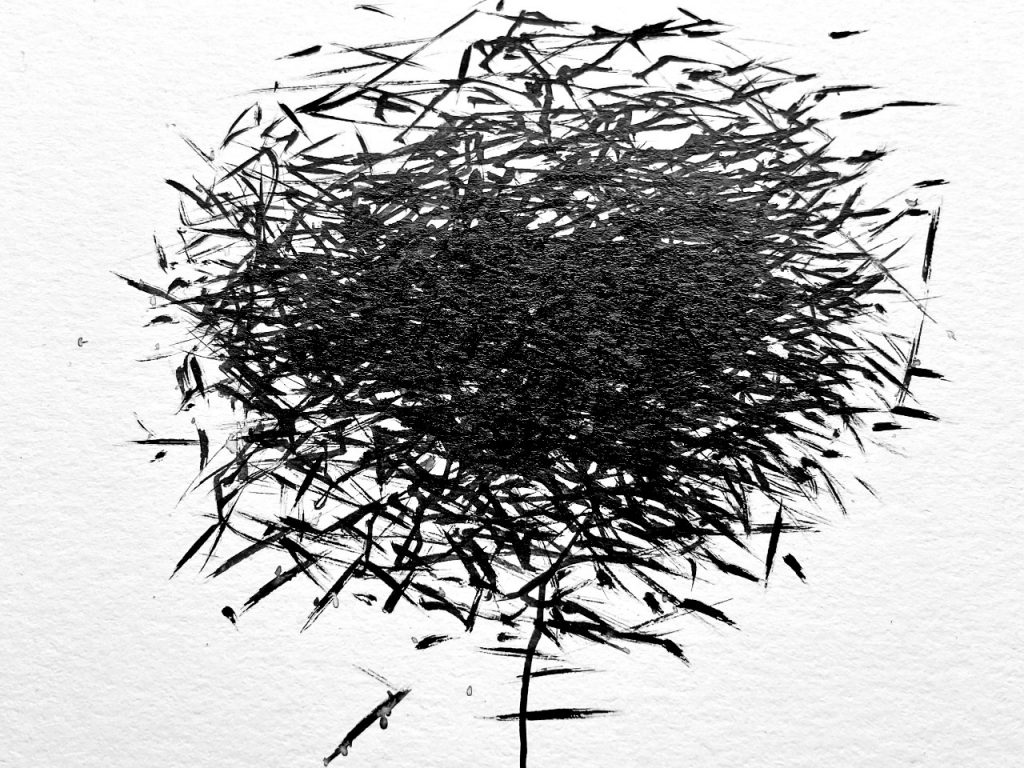
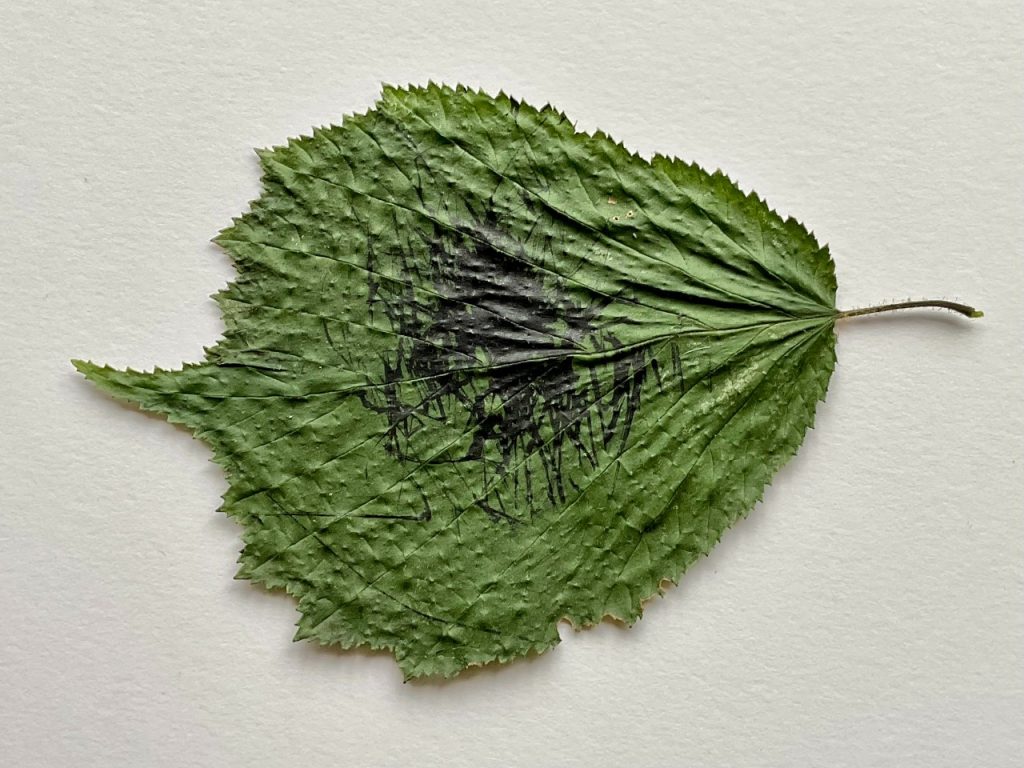
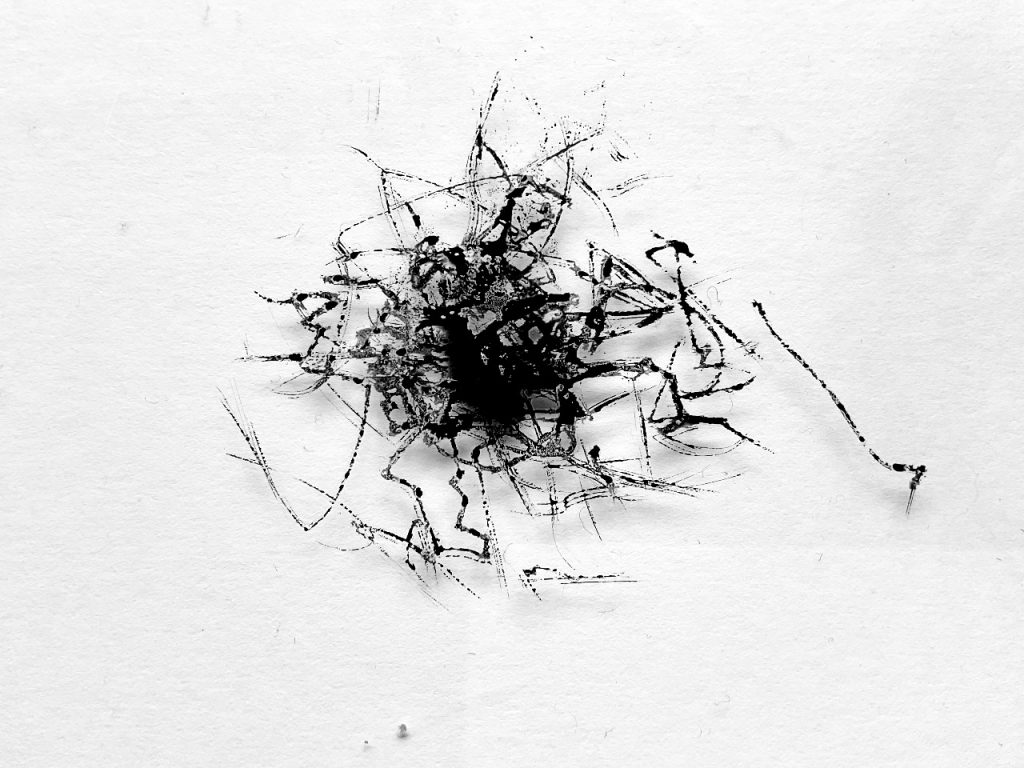
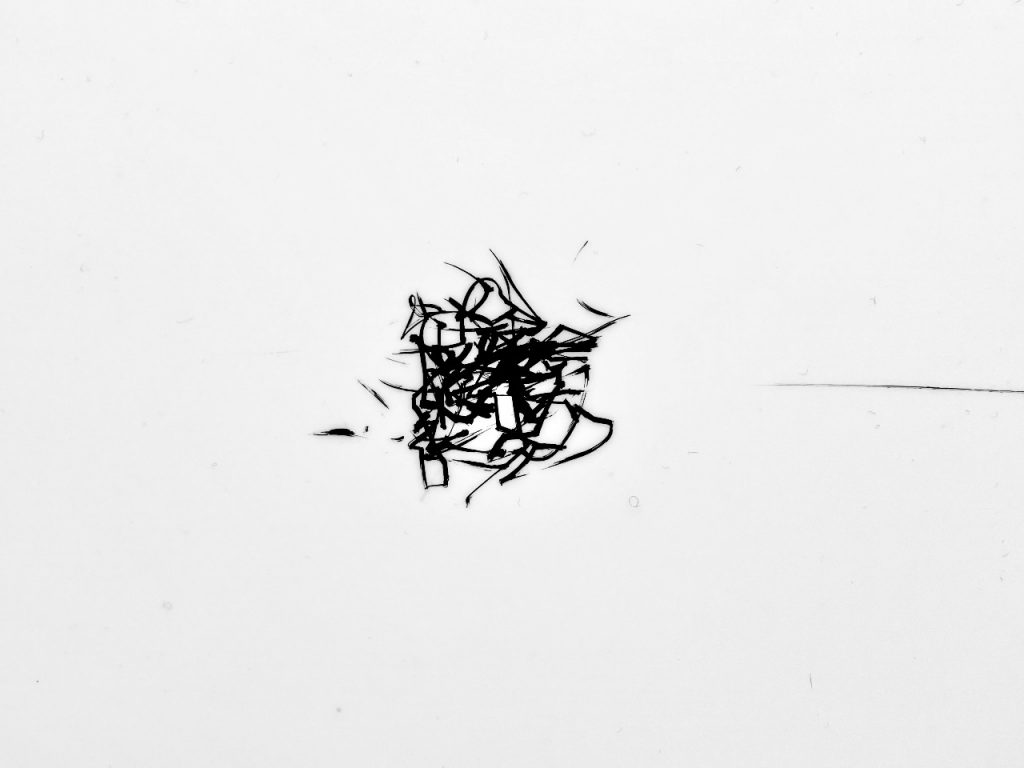
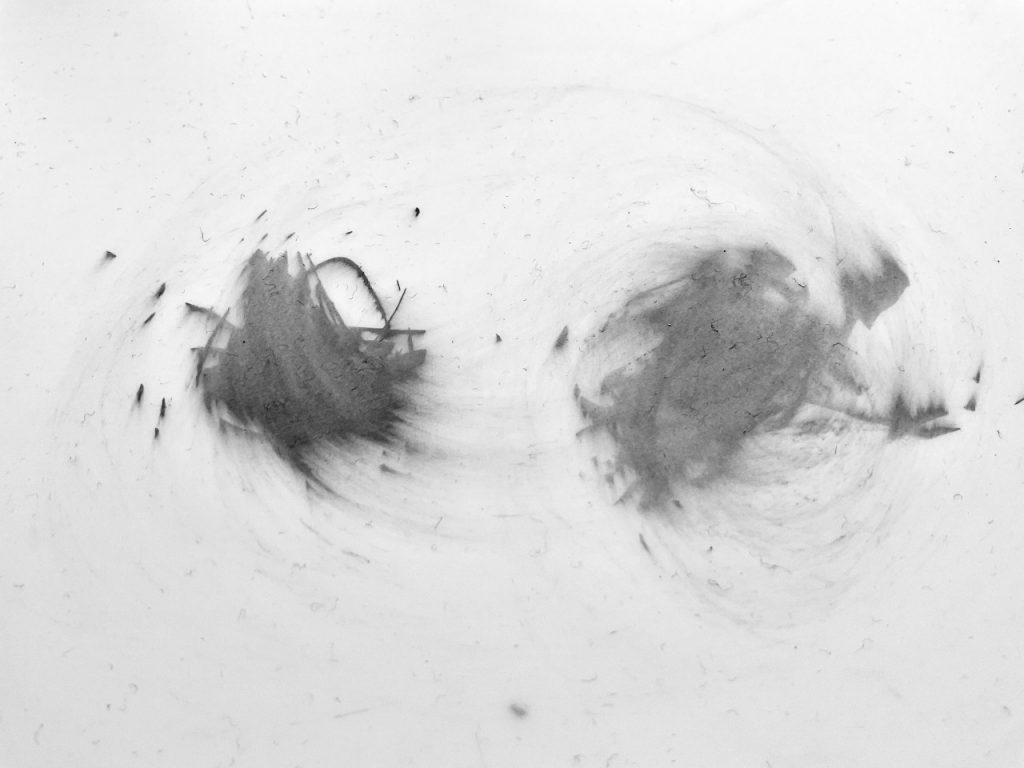
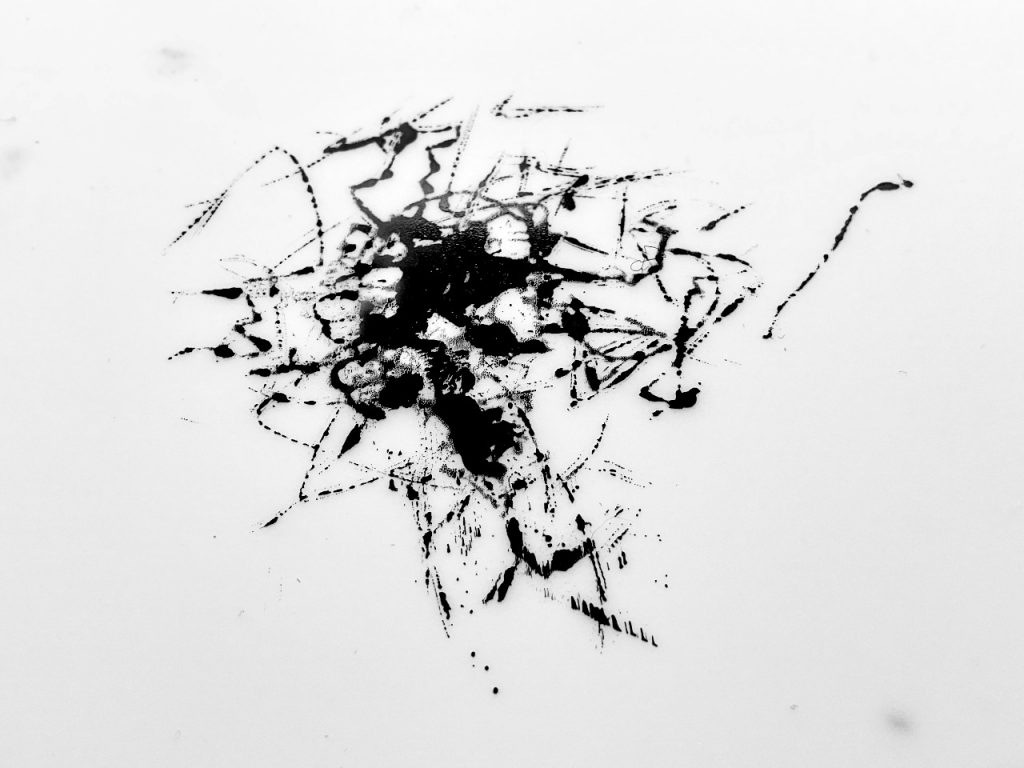
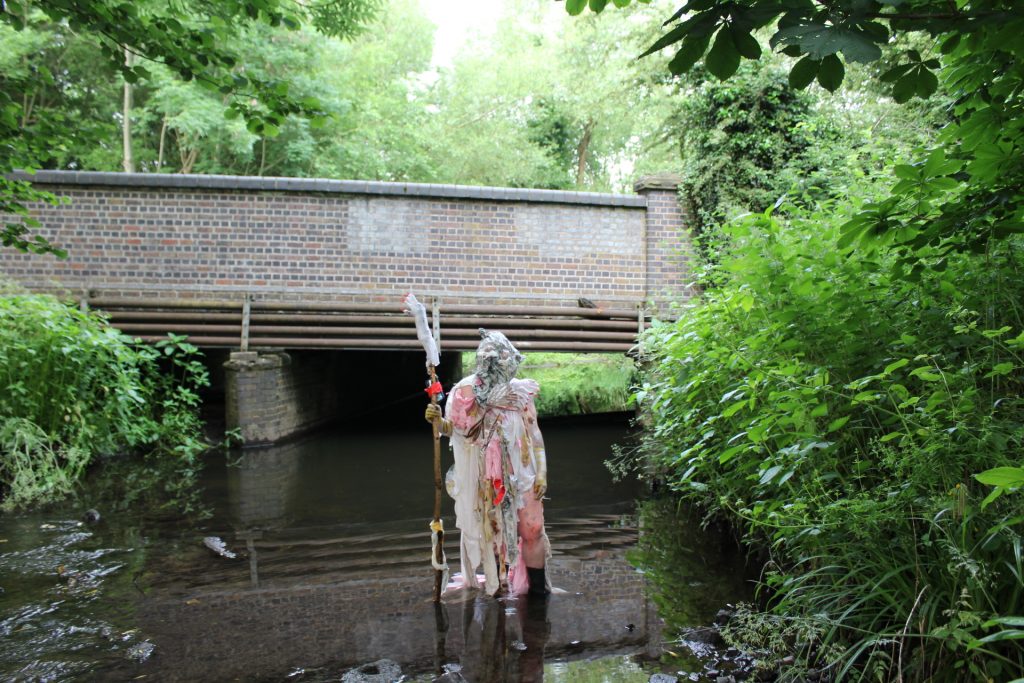
Okay, they are not exactly failures, in fact they are very lovely drawings I think. These are some of the walking drawings I have made over the last couple of weeks. Most are black ink on paper but three are on clear acetate and one is on a dried green leaf.
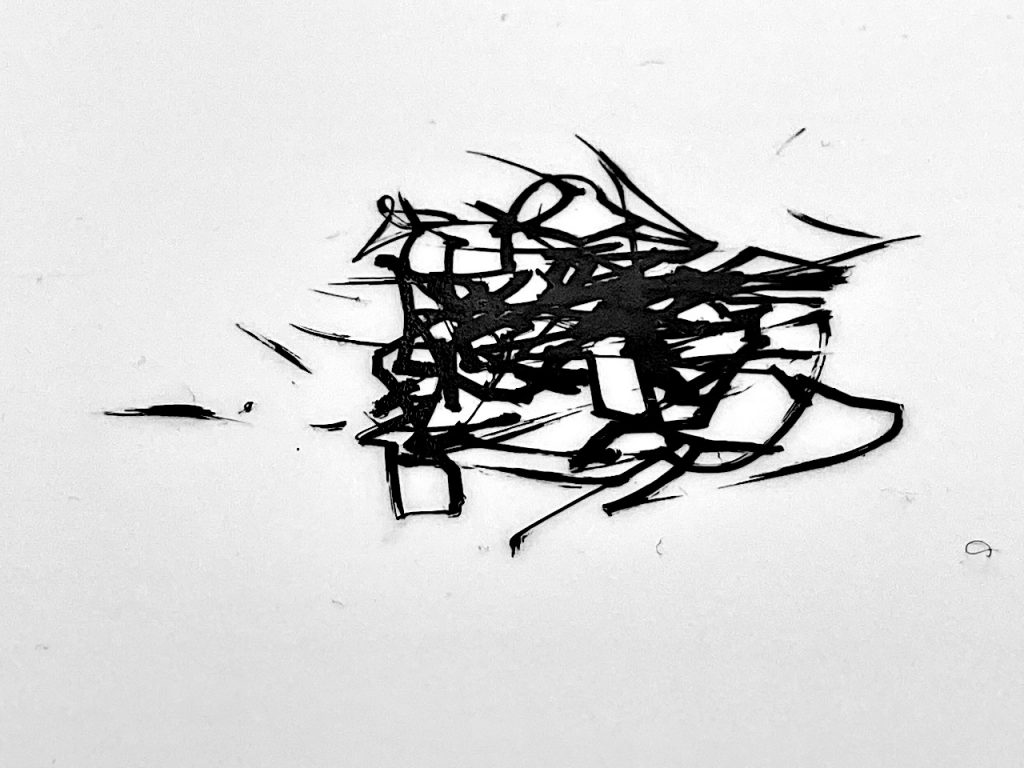
These drawings have all been created using a very simple drawing device I made using wire, cardboard and a copper spring. I suspend a ink pen from the copper spring and take the whole contraption for a walk, the pen drawing as I move.
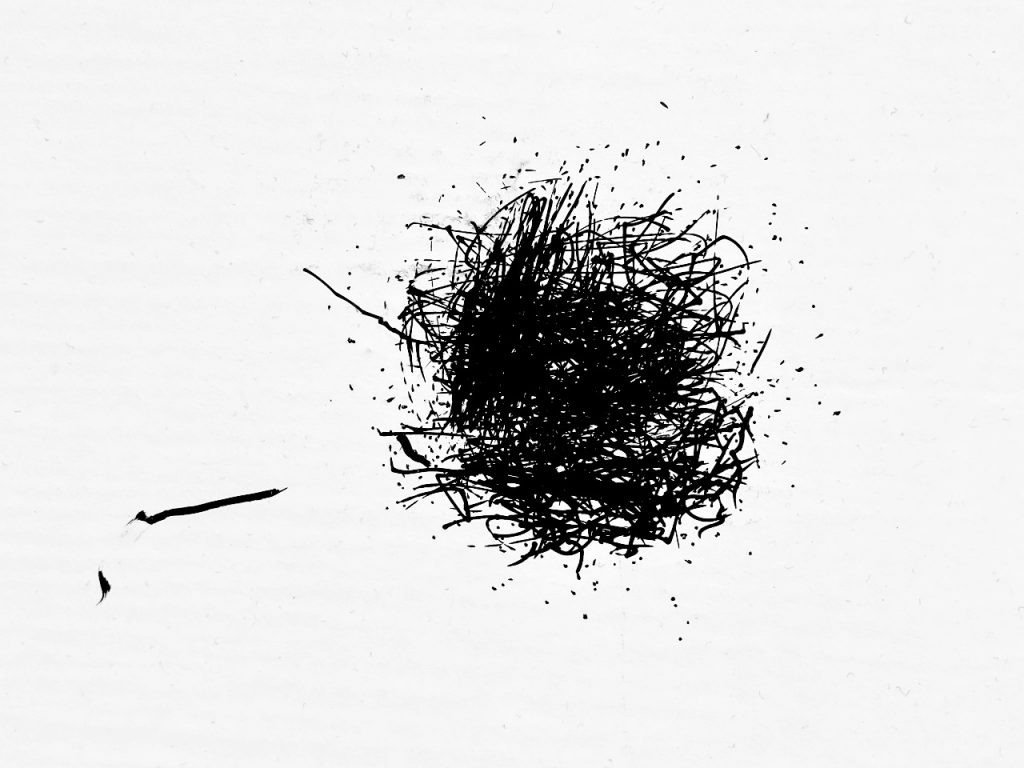
I’ve been attempting to film the process, with varying results. I bought myself an iPad, hoping for better film results, but it’s new technology for me and is currently proving quite frustrating, not least in the weird placement of the iPad camera to the far right of the device, which is really awkward in the drawing device. I might go back to my simple, but trusty mobile phone!
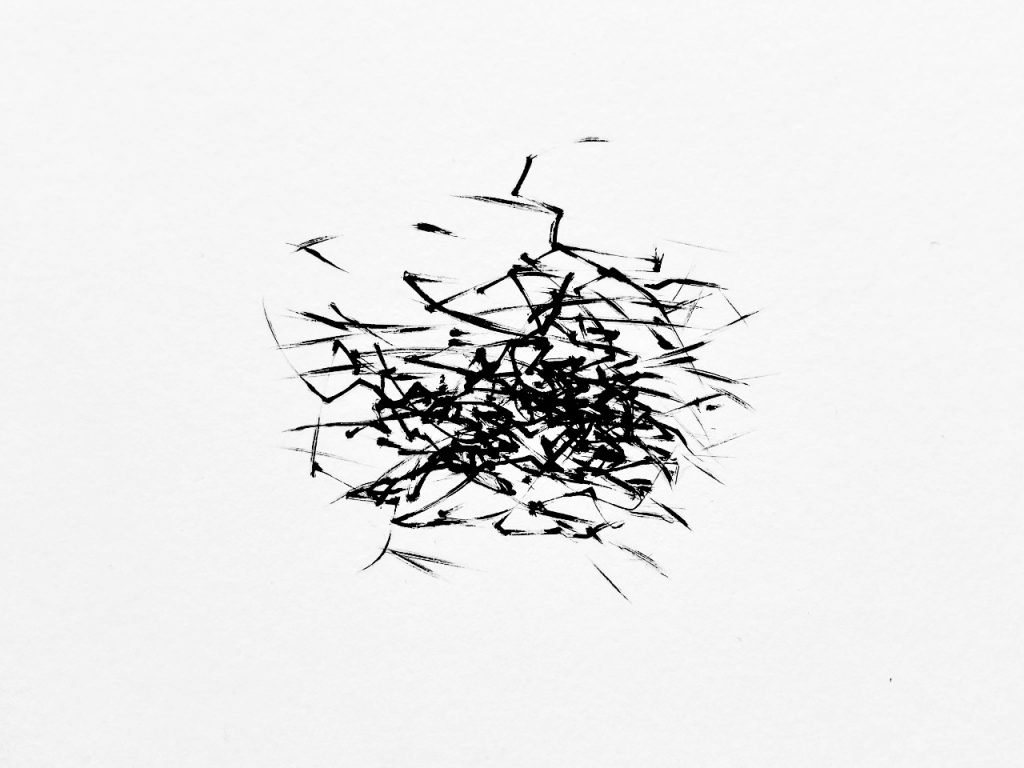
So back to the drawing board (or drawing device I should say)…























![Page 183 of the book [reading] [sounds] by Sean Zdenek - title of chapter "Captioned Silences and Ambient Sounds" Below the title, the paragraph starts with "As counterintuitive as it may sound, silence sometimes needs to be closed captioned. Captioners not only inscribe sounds in writing but must also account for our assumptions about the nature, production, and reception of sounds. One of our most basic assumption is hat sounds are either discrete (with a clear beginning and end) or sustained (continuous). Sustained sounds, including sounds that are captioned as continuous or repeating (e.g., using the present participle verb+ing, as in [phone ringing]) may need to be identified in the captions as stopped or terminated if it's not clear from the visual context. That is, if we can't see the phone being answered or the ring being turned off, the captioner may need to mark the termination of the ringing sound. We also assume as moviegoers that the world is never technically silent. Ambient noise provides context. True silence is rare on the screen. In the real world beyond the screen, the same assumption holds.Sound waves envelop hearing viewers even in "silence." The total absence of sound can only be achieved on Earth artificially in an anechoic chamber, a room designed to block out exterior noise and absorb interior sound waves. Designed to test product noise levels (and not human tolerance levels), the chamber reportedly causes hallucinations and severe disorientation in hearing visitors who spend even a little time in one (Davies 2012):"](https://vitalcapacities.com/wp-content/uploads/2021/06/IMG_2319-768x1024.jpg)