Augmented reality and darkroom printing

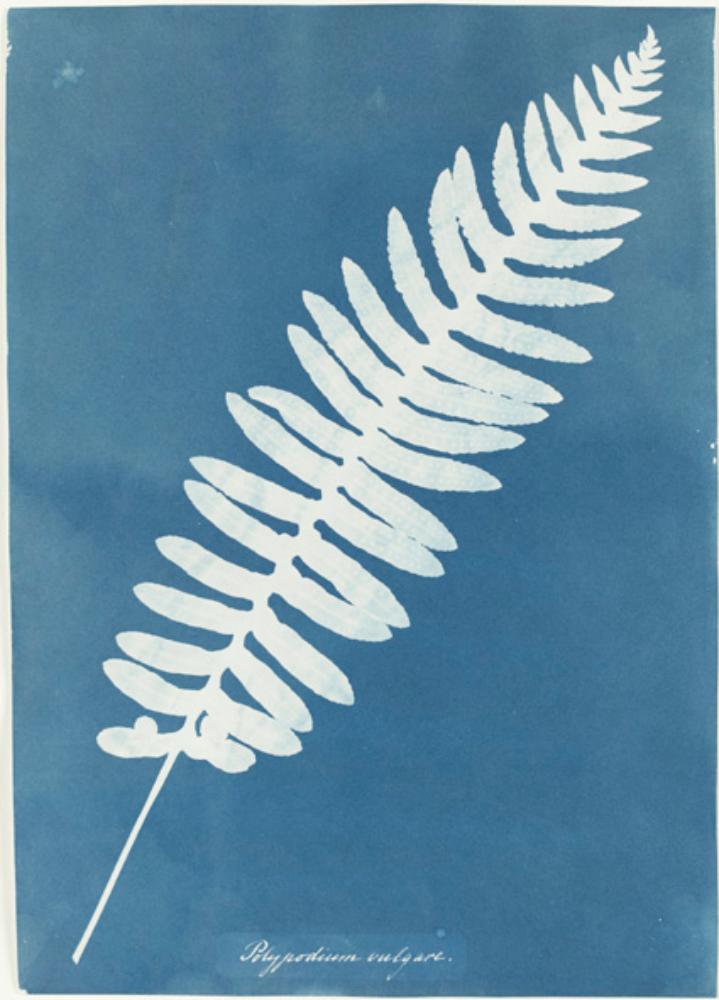
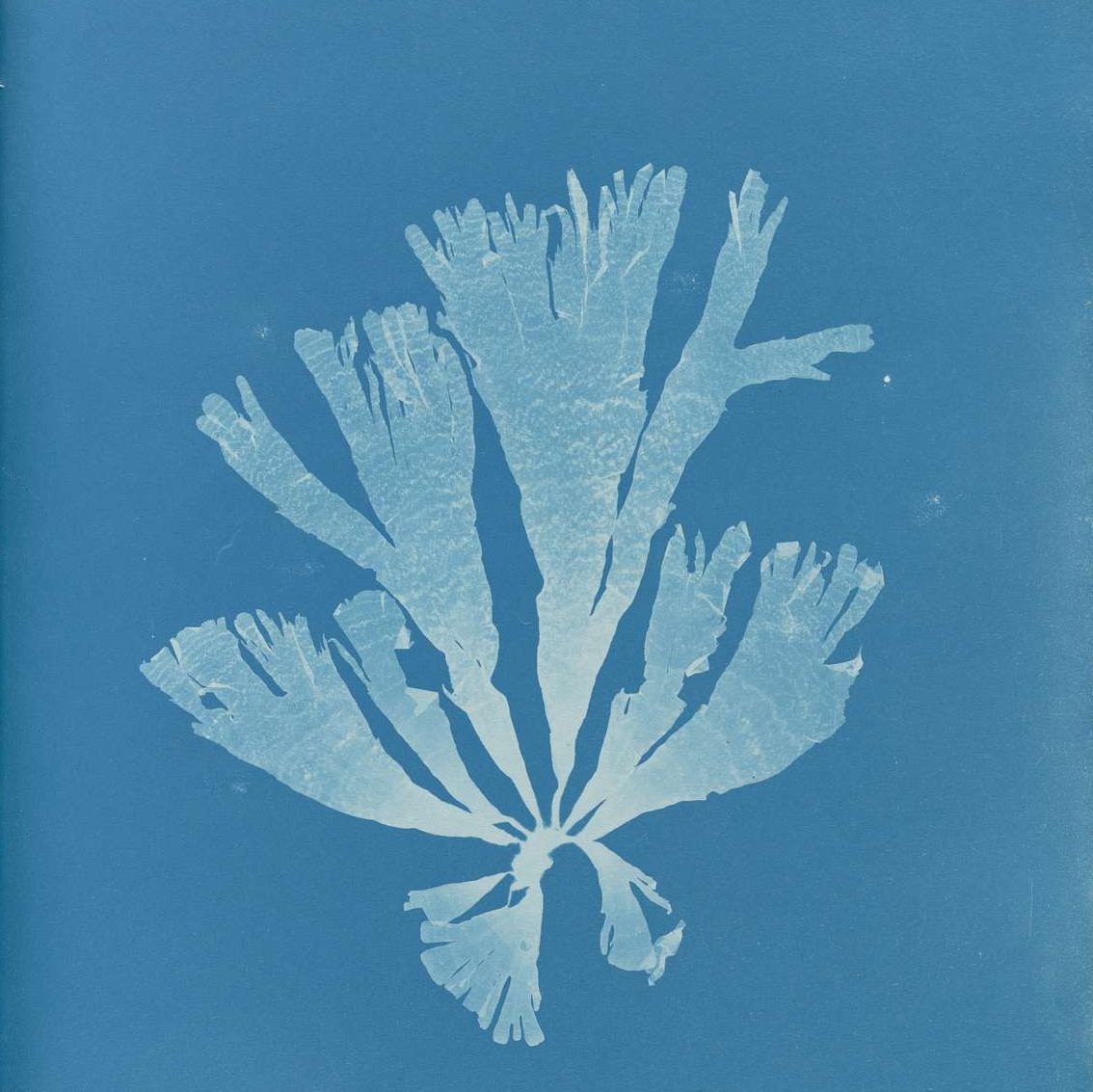
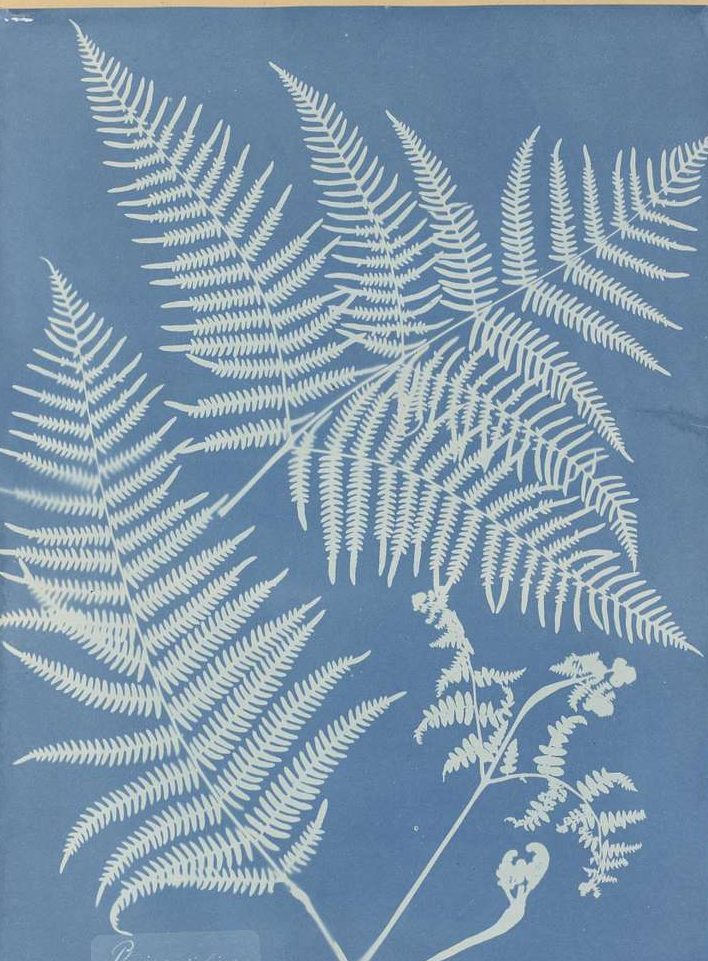
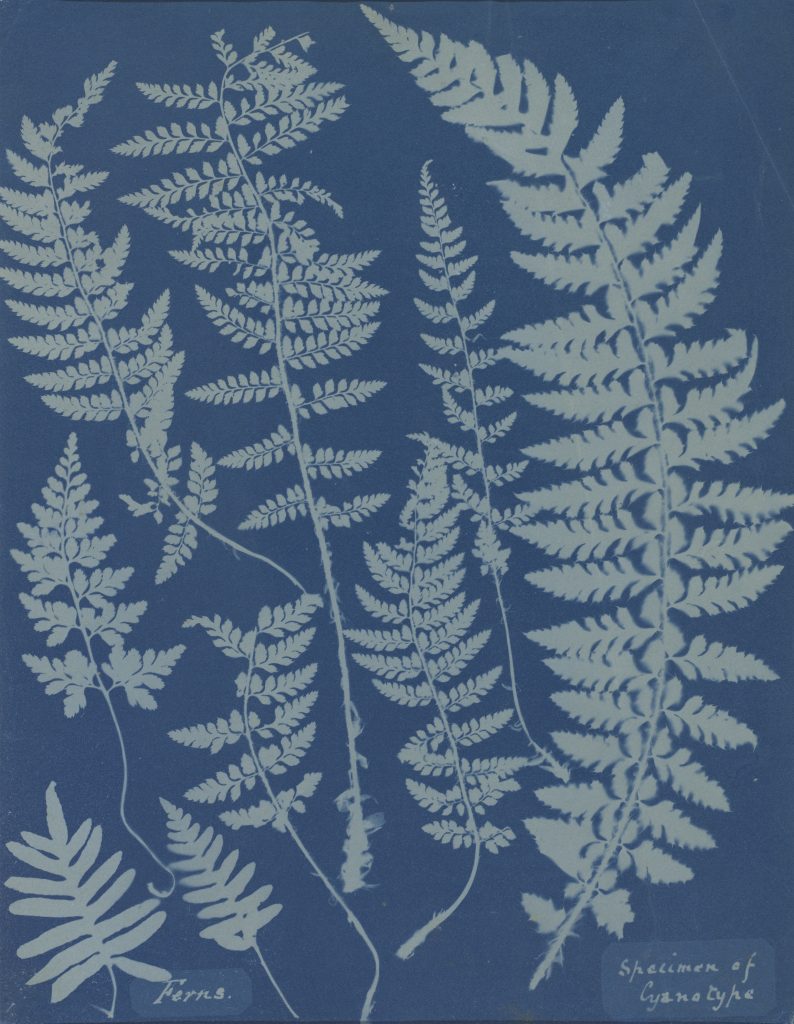
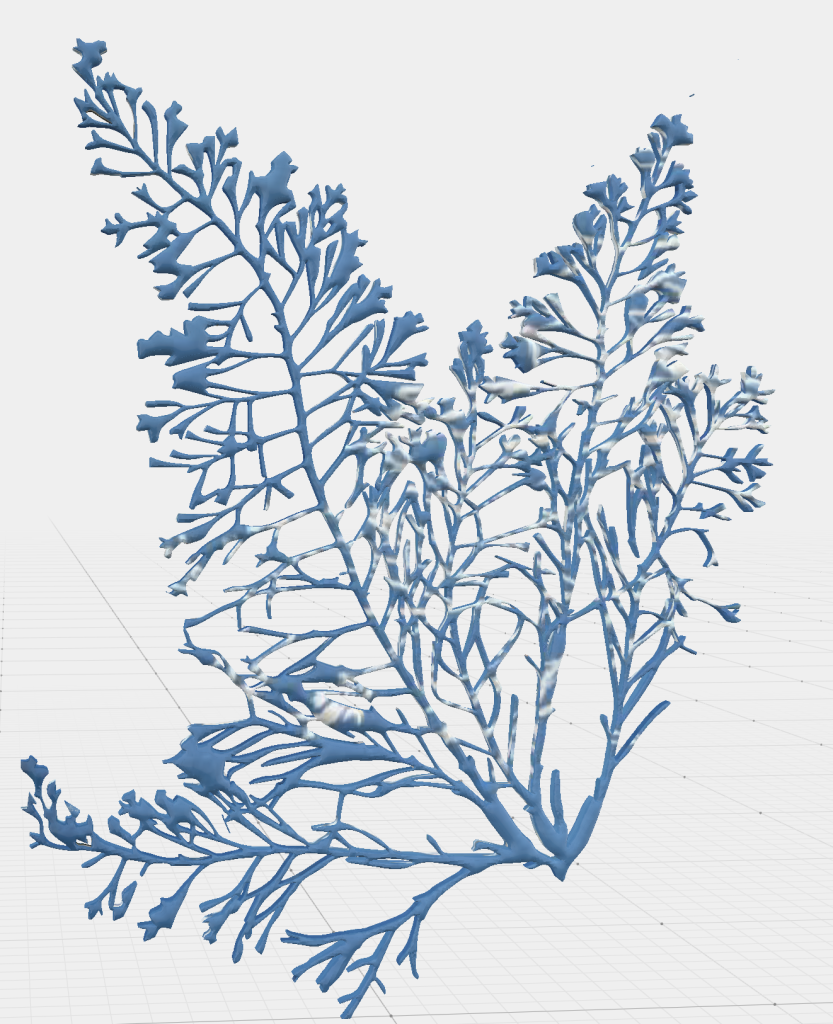
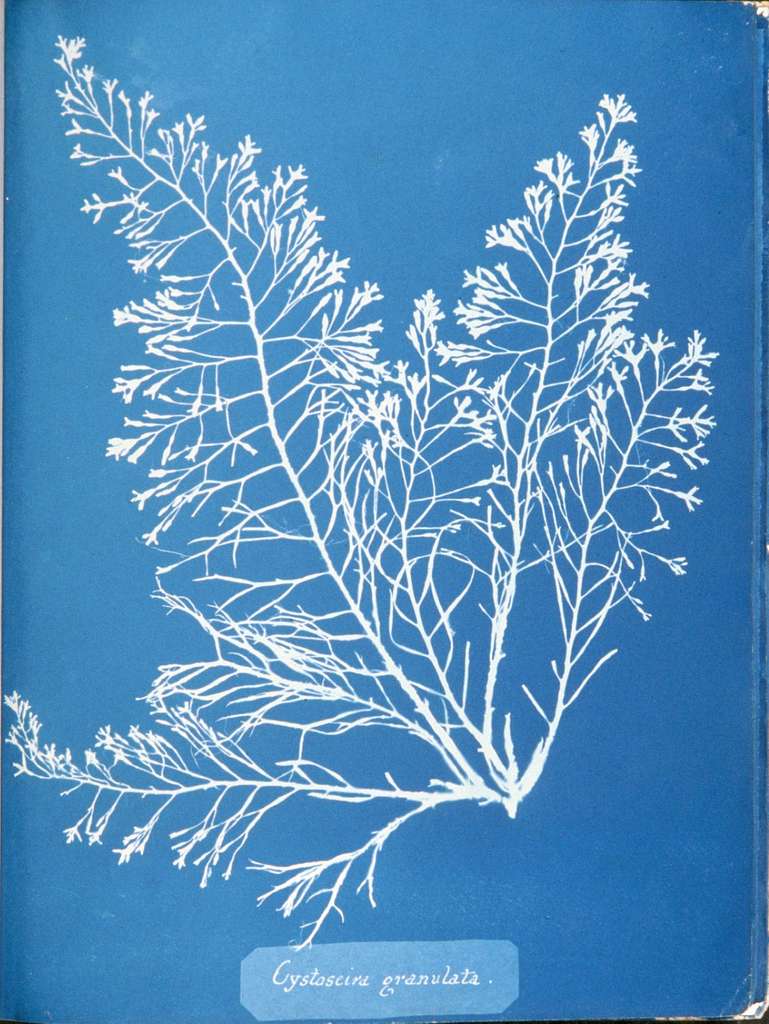
I am interested exploring darkroom printing with AR/VR. Today I downloaded an Anna Atkins cyanotype to edit and create into an AR artwork.

Anna Atkins cyanotype of a leaf. A cyanotype is blue with the outline of the image being a lighter white colour.

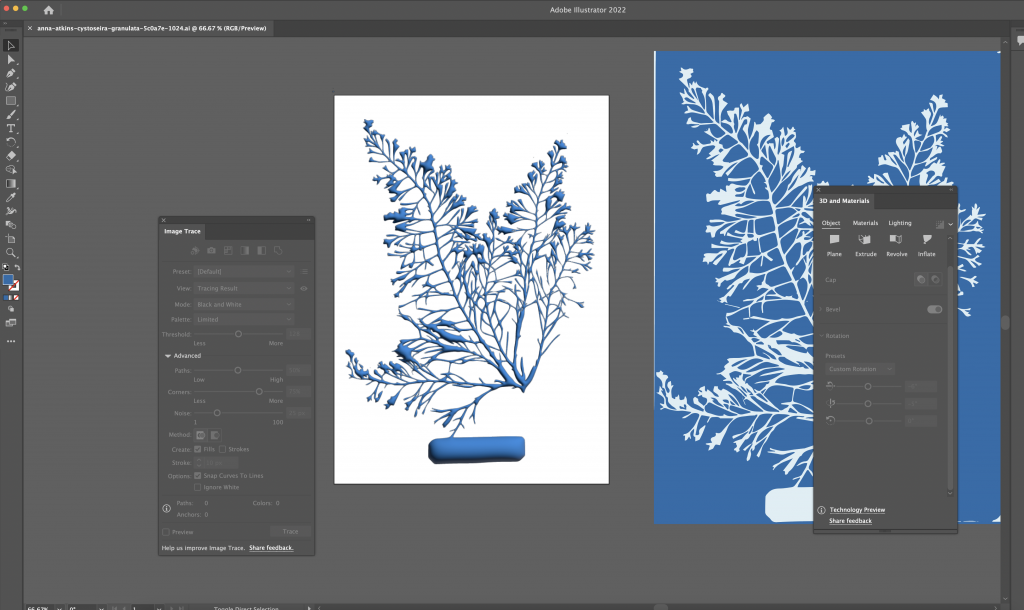
I used Adobe Illustrator to edit the print.

1. Use the image trace tool to turn your image into a vector

2. Use the 3D & materials tool to inflate the vector into a 3D shape

3. Used the eyedropper tool on the original blue colour on the print and added this as the material

4. Export the shape as an .obj file

5. Uploaded to Abobe Aero

Screenshot of Adobe Illustrator with me editing the print.

If you have the Adobe Aero app you can scan the QR code below to see the work in AR. Sadly the material hasn’t transferred over and so I need to learn how to keep the colour when exporting from Adobe Illustrator.

QR code

Edit…

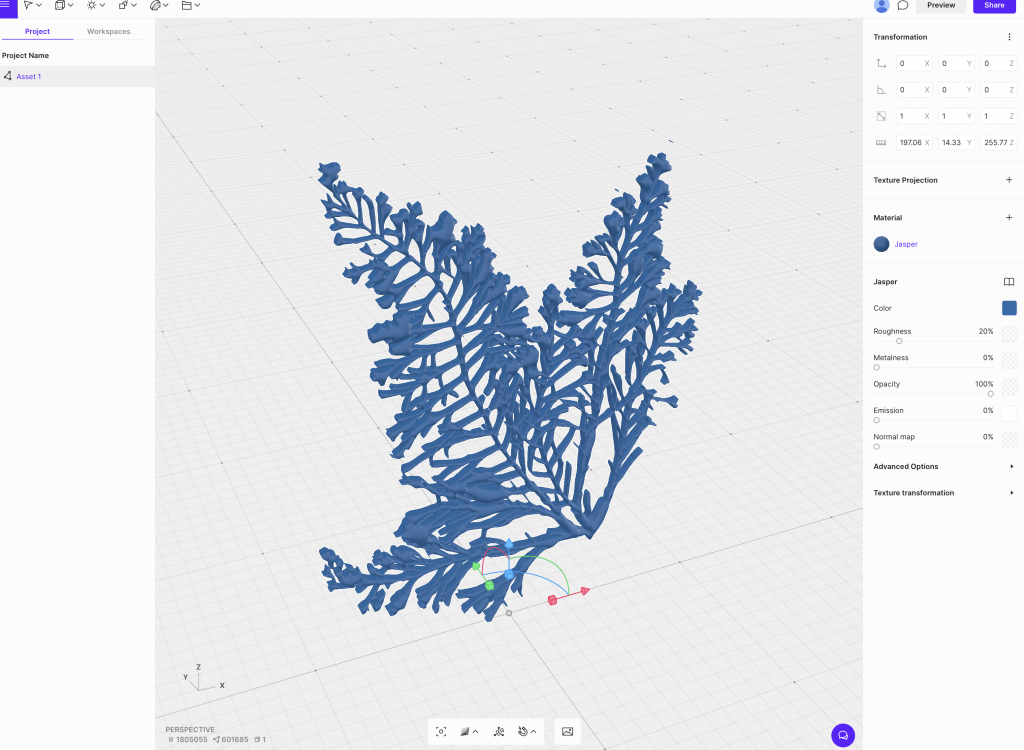
I used Vectary to add the colour and I also used Vectary to create into AR.

Screenshot of my work in Vectary.

Please find another QR code to see the work in Vectary. You do not need to download an app for this.

QR code
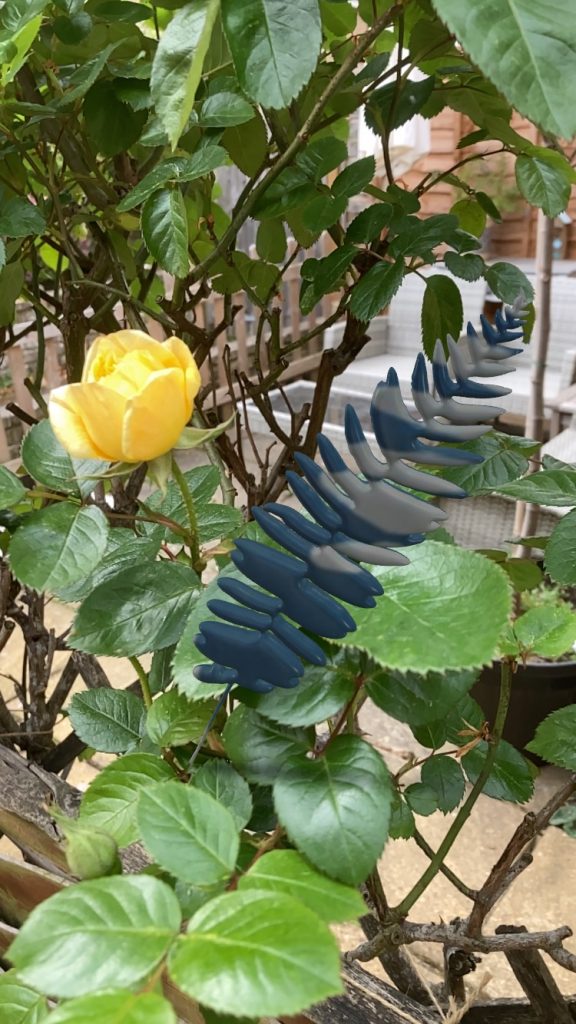
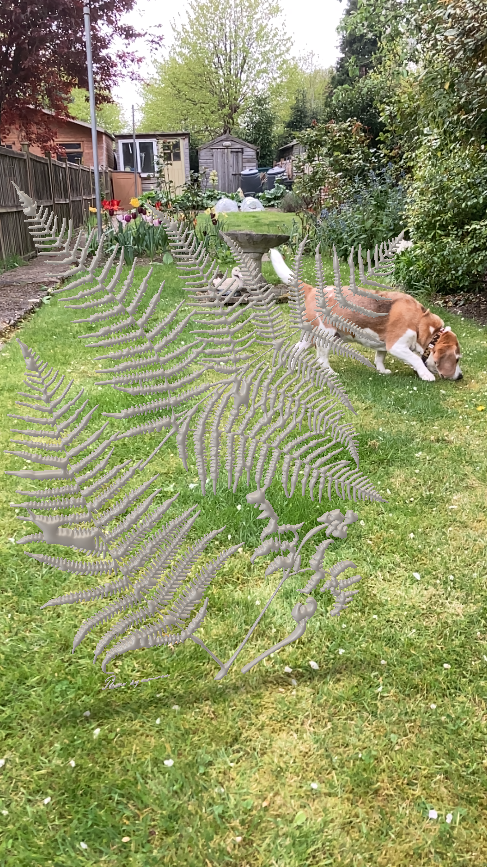
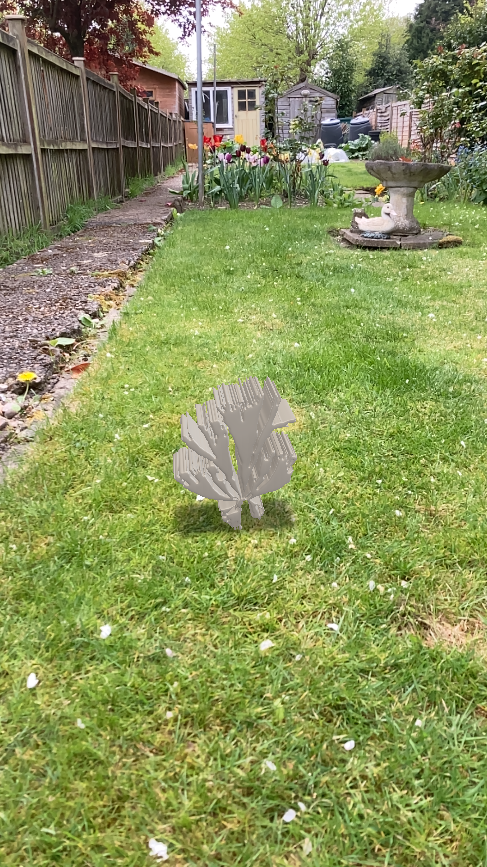
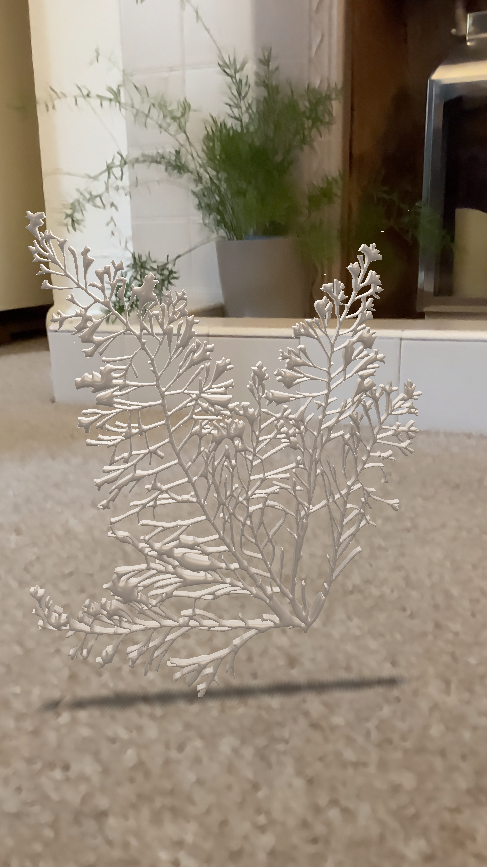
Photo of the work without the material in the Adobe Aero app. It is a white leaf on beige carpet with a small indoor plant behind it.
Photo of the work without the material in the Adobe Aero app.
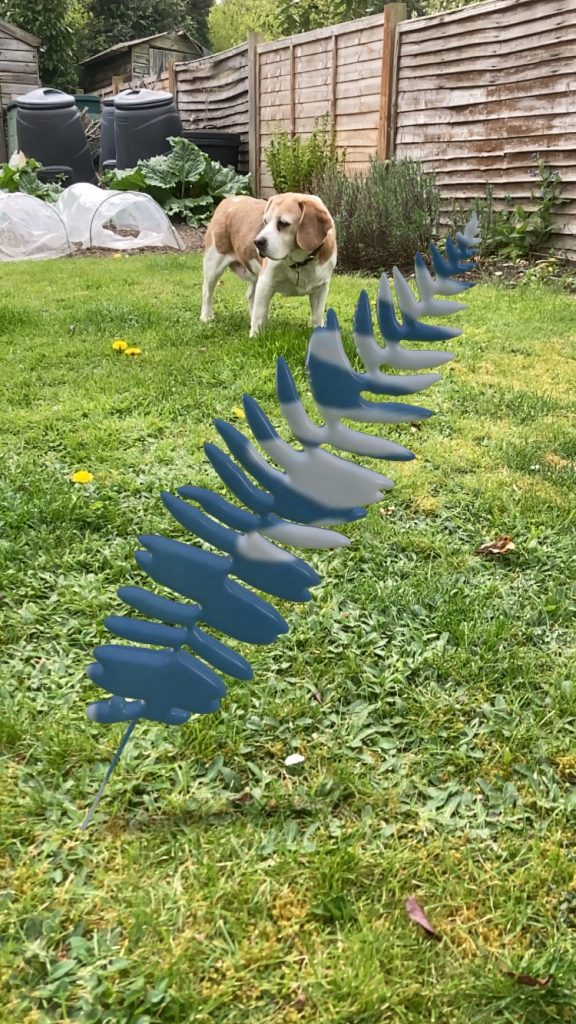
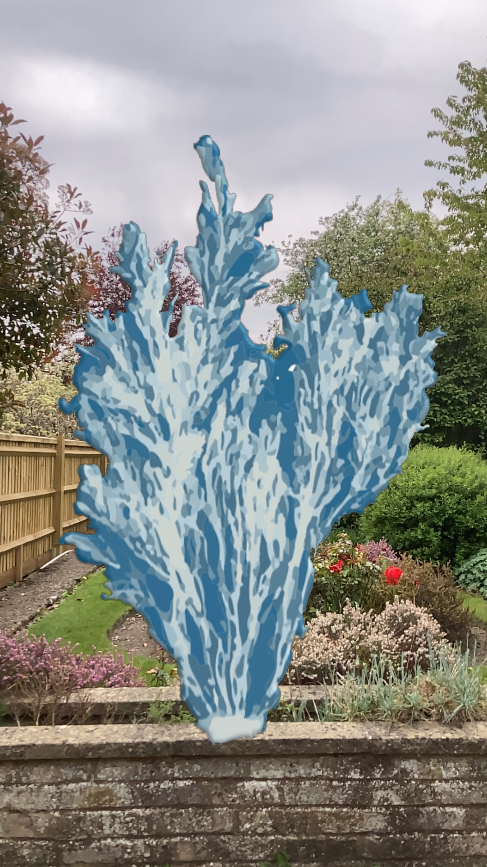
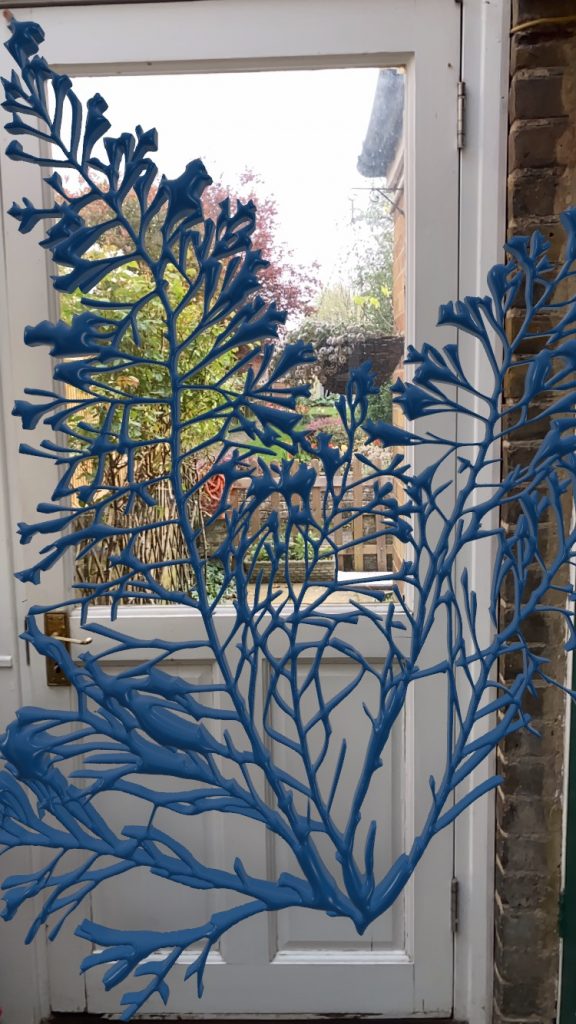
Photo of work in Vectary with its blue cyanotype material. The blue leaf is in front of a door with a window looking at a garden.
Photo of work in Vectary.
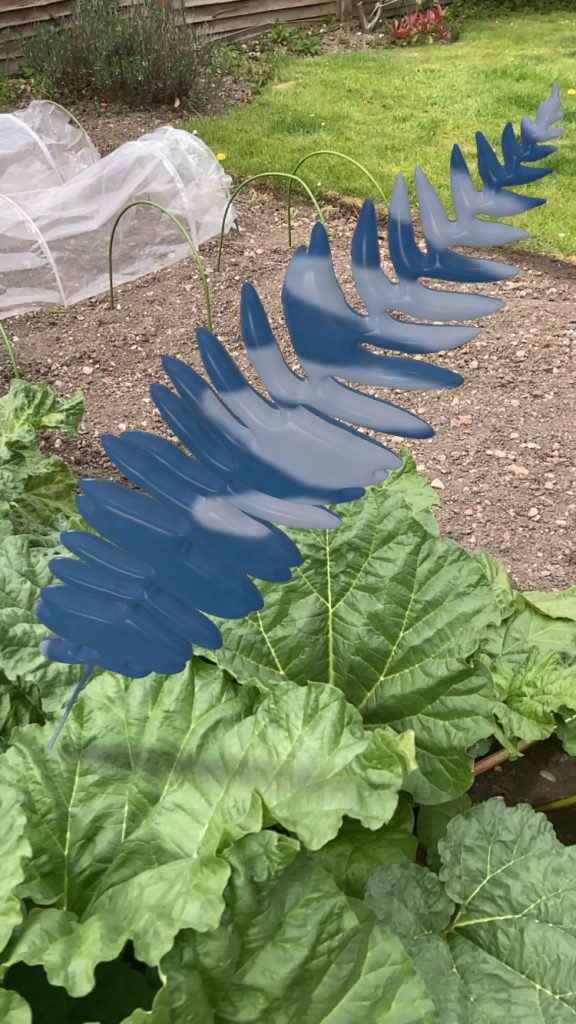
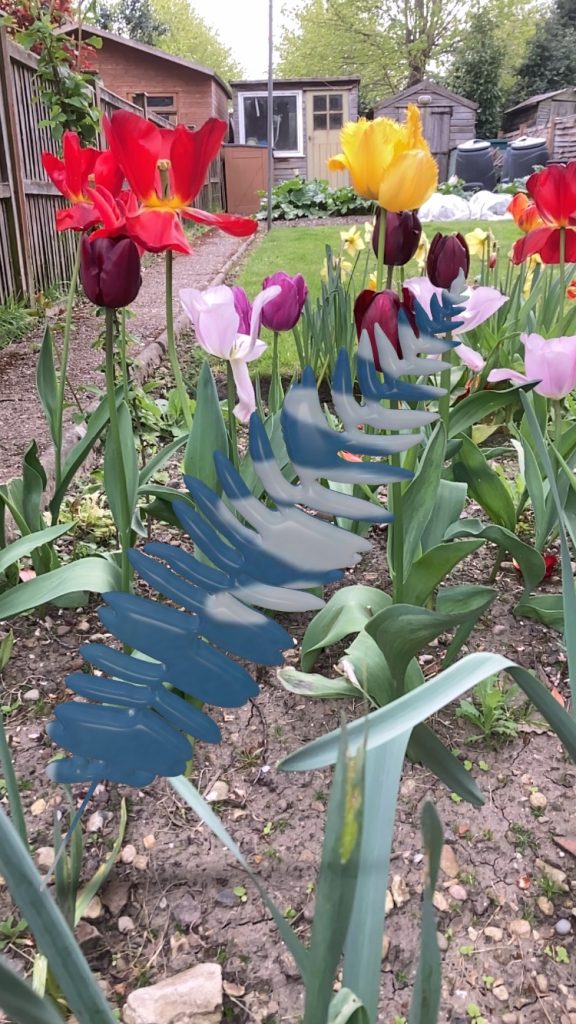
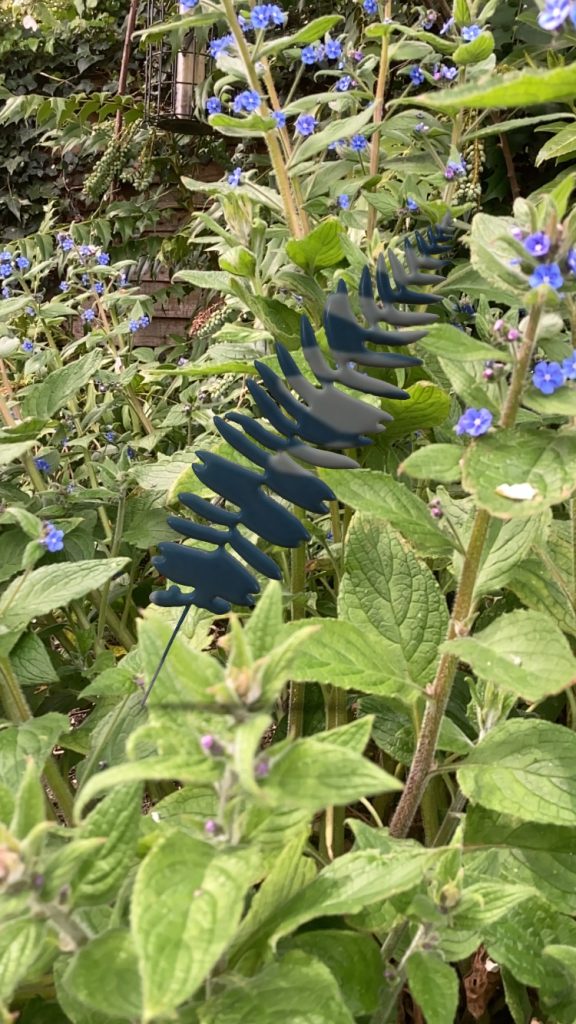
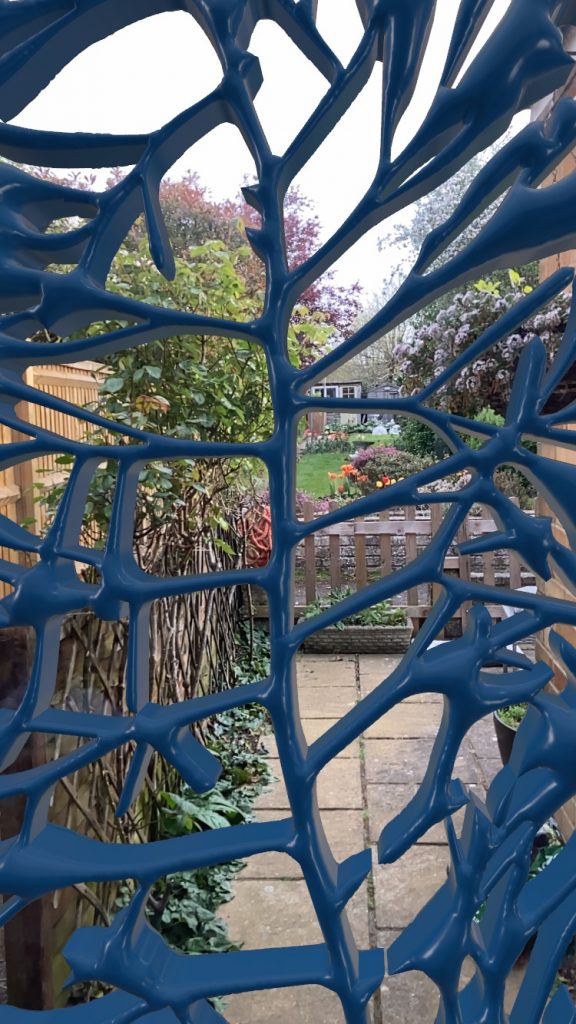
Close up photo of work in Vectary with its blue cyanotype material. The blue leaf is in front of a window looking at a garden.
Photo of work in Vectary.

Art as social practice: technologies for change

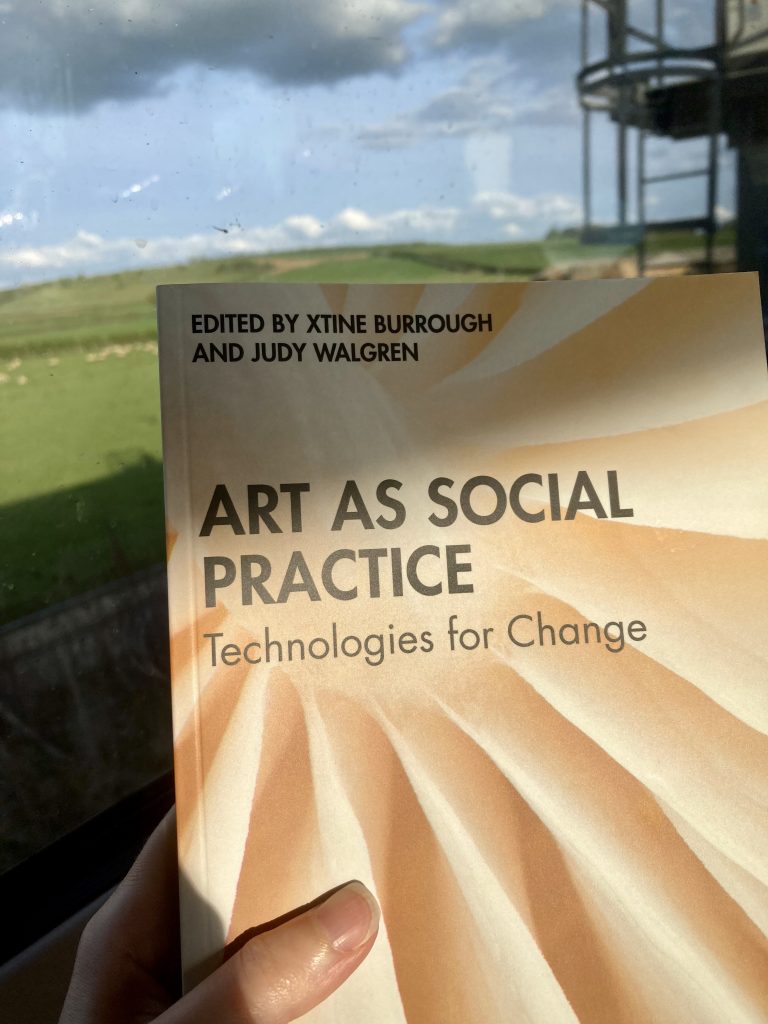
Photograph of the book 'Art as social practice technologies for change' in front of a train window with fields and sheep behind.

This week I’ve been reading ‘Art as social practice technologies for change’ edited by Xtine Burrough and Judy Walgren.

I have an interest in learning how to use technologies when collaborating with others on inclusive arts and participatory based projects. In my practice I’ve been learning how to use digital technology tools and how to use them in my creative work. In the future I would like to feel confident enough in my digital technology skills to develop and deliver inclusive arts and participatory based projects using digital technologies with participants also developing new skills through the work. So far I’ve been developing my skills in AR, VR, projection mapping and sensors.

Through reading the book I hoped to of learnt more on how others are using digital technologies creatively for socially engaged practice but most the projects where using already very established technologies such as photography, websites, social media and other forms of visual arts such as clay. Or the artist worked with participants to create visual artwork and then the artist developed the digital technologies aspect by themselves afterwards or beforehand. I would like to learn from more projects that have worked with participants to create the content but also worked with them to develop the digital output.

“I see technology as a tool, an important addition to my traditional, artistic skills, and like materials, to be used to strengthen an idea, and not for the sake of novelty. In social practice, technology allows participants with limited art experience to create beyond their own experience” – Kin Abeles – Valises for camp ground page 56

What I did like was the participation prompts at the end of each essay.

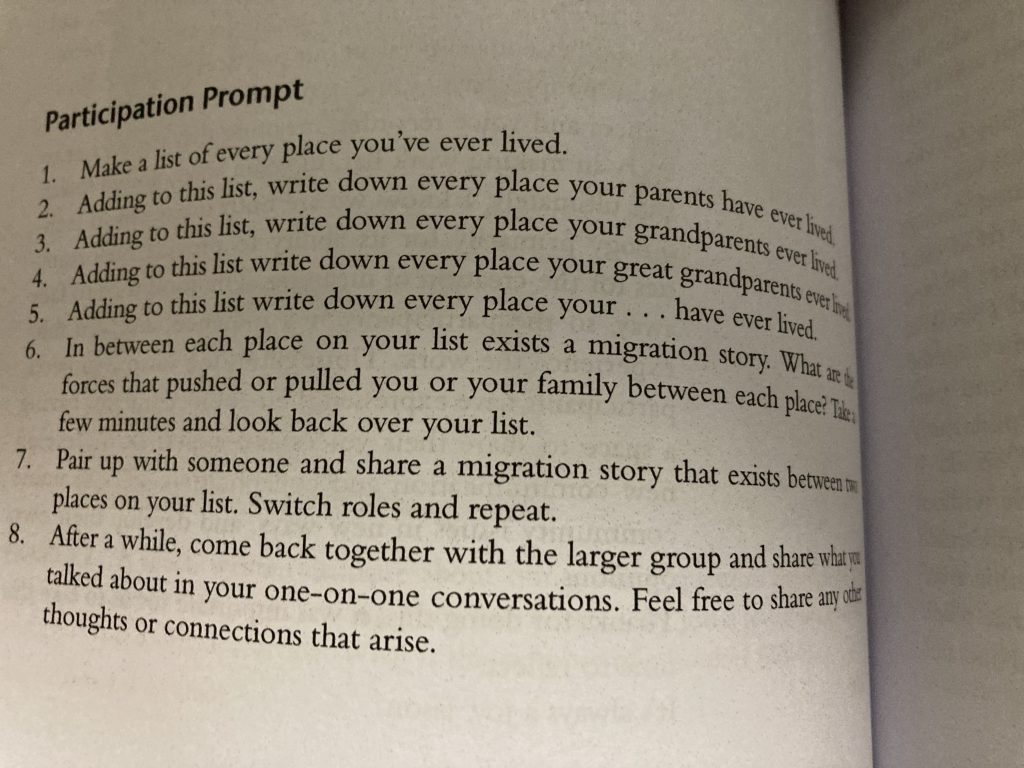
Photograph of text in book which reads:

Participation Prompt
1. Make a list of every place you've ever lived.
2. Adding to this list, write down every place your parents have ever lived.
3. Adding to this list, write down every place your grandparents ever lived.
4. Adding to this list write down every place your great grandparents ever lived.
5. Adding to this list write down every place your...have ever lived.
6. In between each pace on your list exists a migration story. What are the forces that pushed or pulled you or your family between each place? Take a few minutes and look back over your list.
7. Pair up with someone and share a migration story that exists between two places on your list. Switch roles and repeat.
8. After a while, come back together with the larger group and share with you talked about in your one-on-one conversations. Feel free to share any other thoughts or connections that arise.
Participation Prompt
Make a list of every place you’ve ever lived.
Adding to this list, write down every place your parents have ever lived.
Adding to this list, write down every place your grandparents ever lived.
Adding to this list write down every place your great grandparents ever lived.
Adding to this list write down every place your…have ever lived.
In between each pace on your list exists a migration story. What are the forces that pushed or pulled you or your family between each place? Take a few minutes and look back over your list.
Pair up with someone and share a migration story that exists between two places on your list. Switch roles and repeat.
After a while, come back together with the larger group and share with you talked about in your one-on-one conversations. Feel free to share any other thoughts or connections that arise. – Mark Menjivar and Jason Reed page 100

“I feel, for one, technology is merely a tool, and it’s really important for me to think in that way. It can be easy, as a technologist, to create projects around technology and the capabilities of the technology. But that’s merely an exhibition of the potential of technology. For me, the questions are: How can I execute this idea that I have, create an experience around it and then what are the best tools to make that happen? – Ari Melenciano page 115

Further 360 footage of Foredown Tower

I managed to work out how to download the stitched files from Samsung Gear 360 software and I’ve uploaded the four 360 stitched footage to YouTube. You can move around the 360 footage.

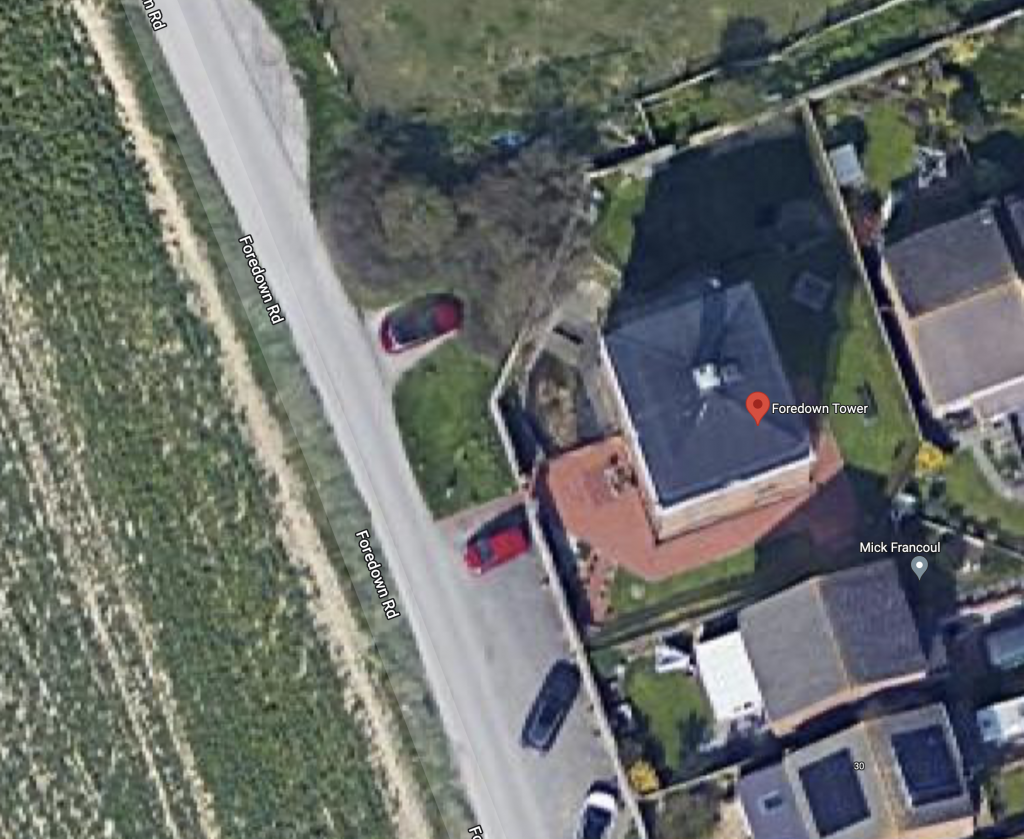
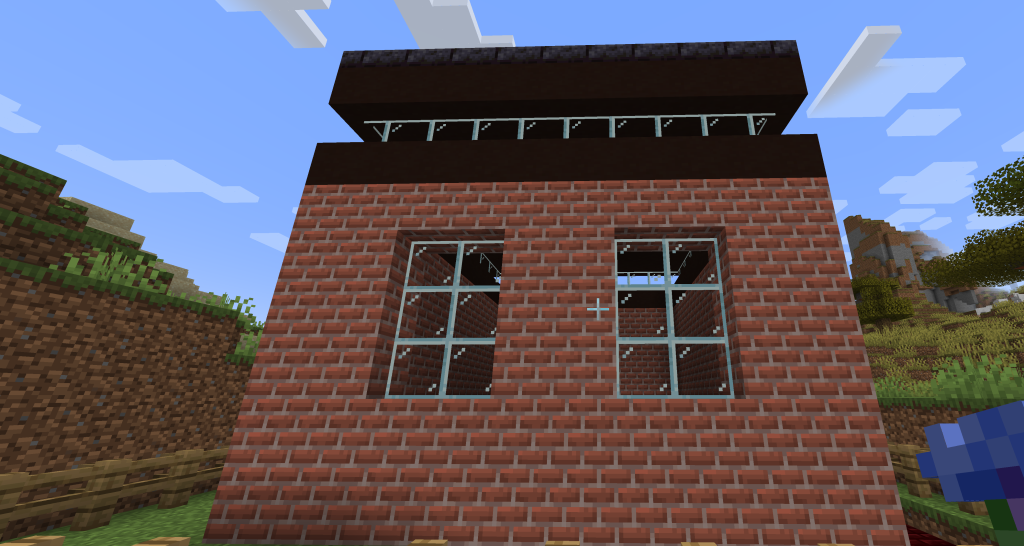
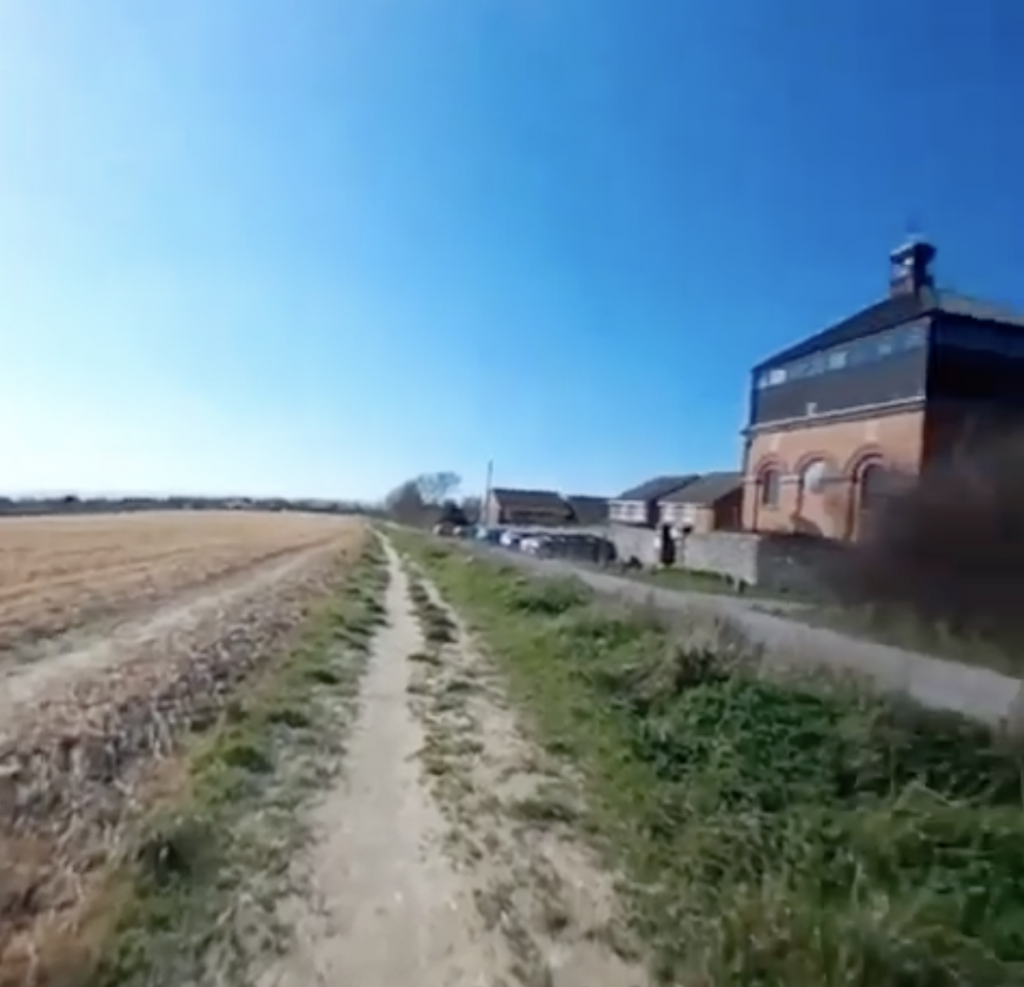
Being a 360 recording you can see a 360 view of the area outside of Foredown Tower. There is a dry field, a path next to the field and the road that goes alongside Foredown Tower. Foredown tower is an old water tower and so is a cube shaped made of bricks with a black triangular roof. I am in some of the footage wearing a brown coord jacket, dark blue jeans and a yellow jumper.

360 footage of Foredown Tower

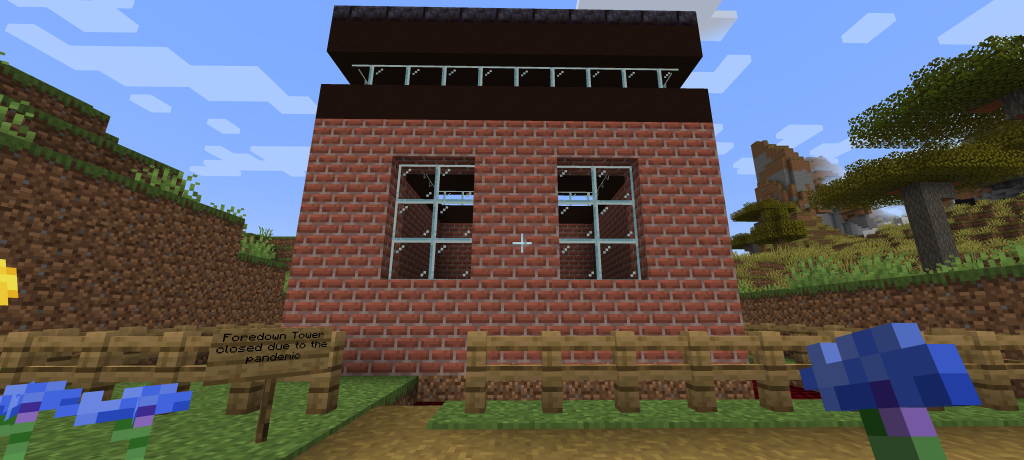
Screenshot of Foredown Tower. There is a dry field to the left of the image, path in the centre, then the road that goes alongside Foredown Tower on the left of the image. Foredown tower is an old water tower and so is a cube shaped made of bricks with a black triangular roof.
Screenshot of 360 VR footage of Foredown Tower

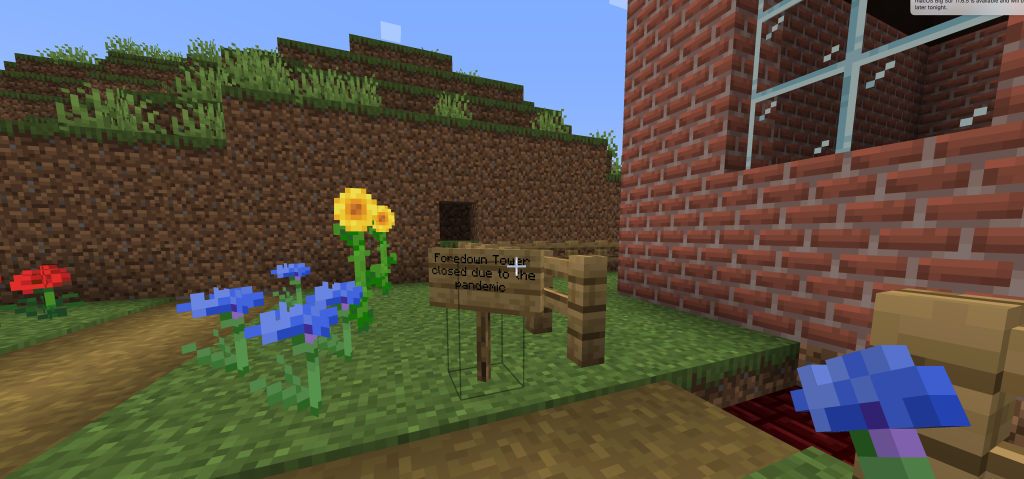
For my residency I would have liked to been able to visit Foredown Tower a camera obscura in Portslade but unfortunately due to covid they are still closed. I would have liked to of recorded scenes from the camera obscura to create VR piece of work.

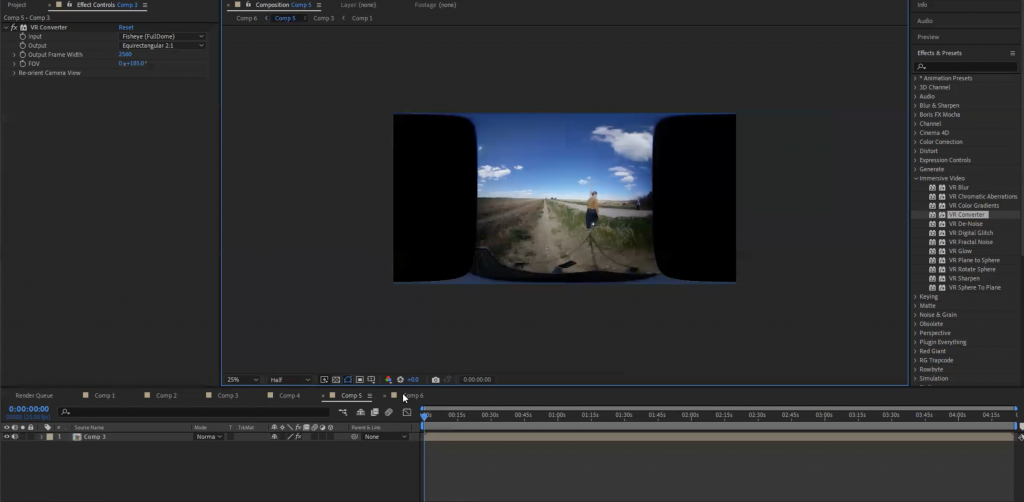
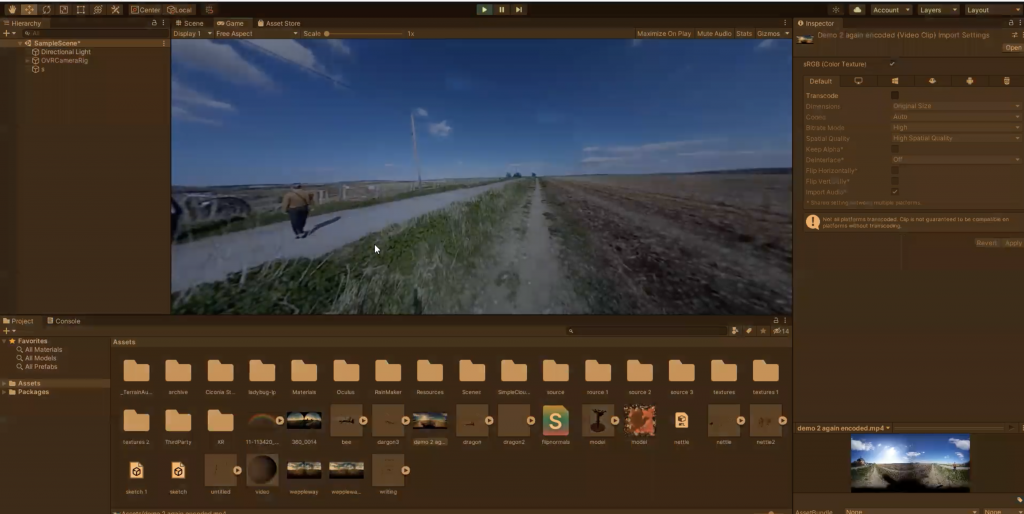
Recently I visited the outside of Foredown Tower and recorded some footage with my Samsung Gear 360 camera. I then learnt how to use Adobe After Effects to stitch the footage together as unfortunately Samsung’s software does still work but you are unable to download it anymore as the software is now not being updated due to them discontinuing the camera. I then used Unity to create the short VR work. If you click on the screenshot it will take you to YouTube to play the short VR recording.

Being a 360 recording you can see a 360 view of the area outside of Foredown Tower. There is a dry field, a path next to the field and the road that goes alongside Foredown Tower. Foredown tower is an old water tower and so is a cube shaped made of bricks with a black triangular roof.

Screenshot of editing the footage in Adobe After Effects.
Screenshot of editing in Unity.

Research Topic – Gasometer

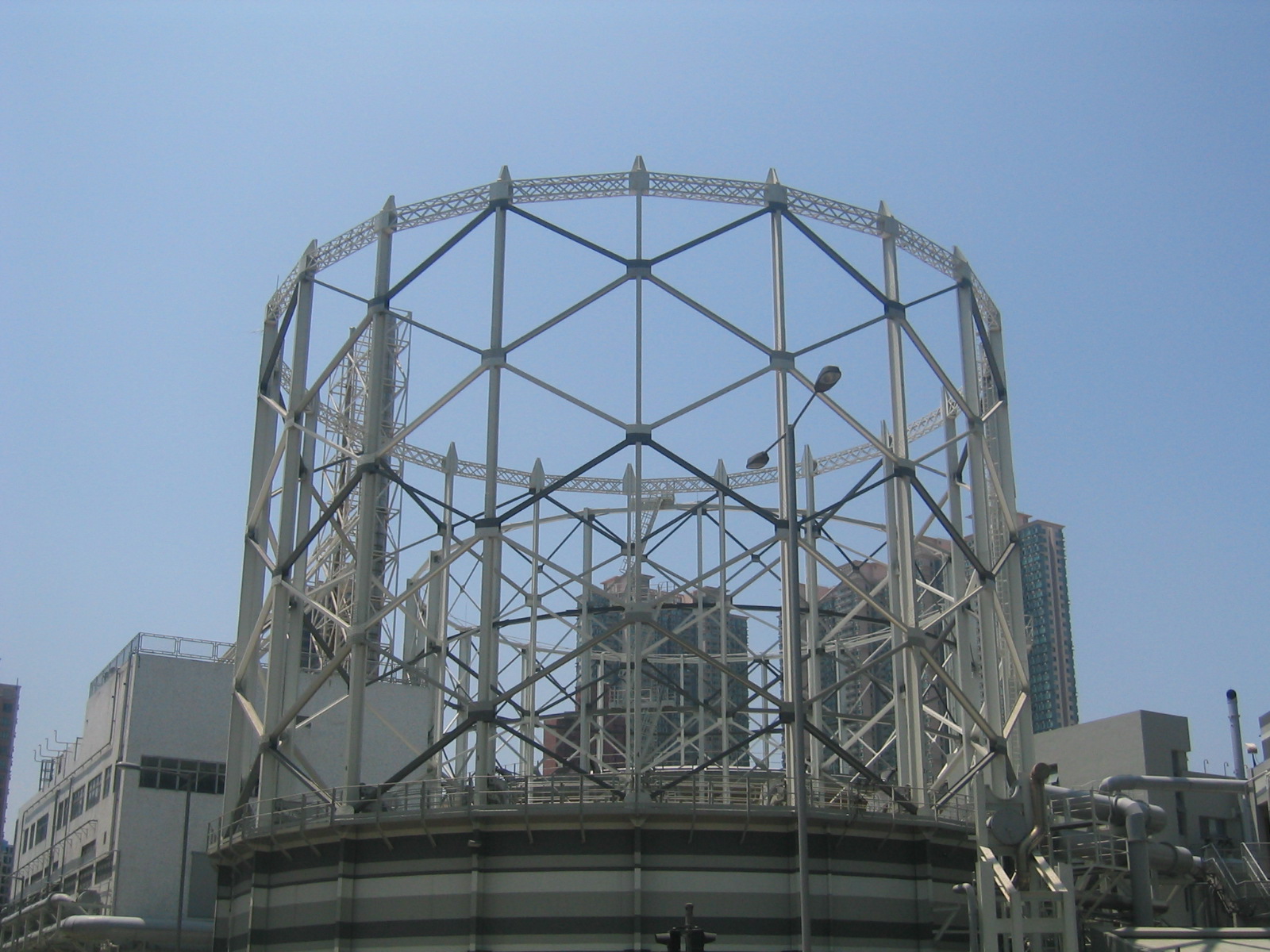
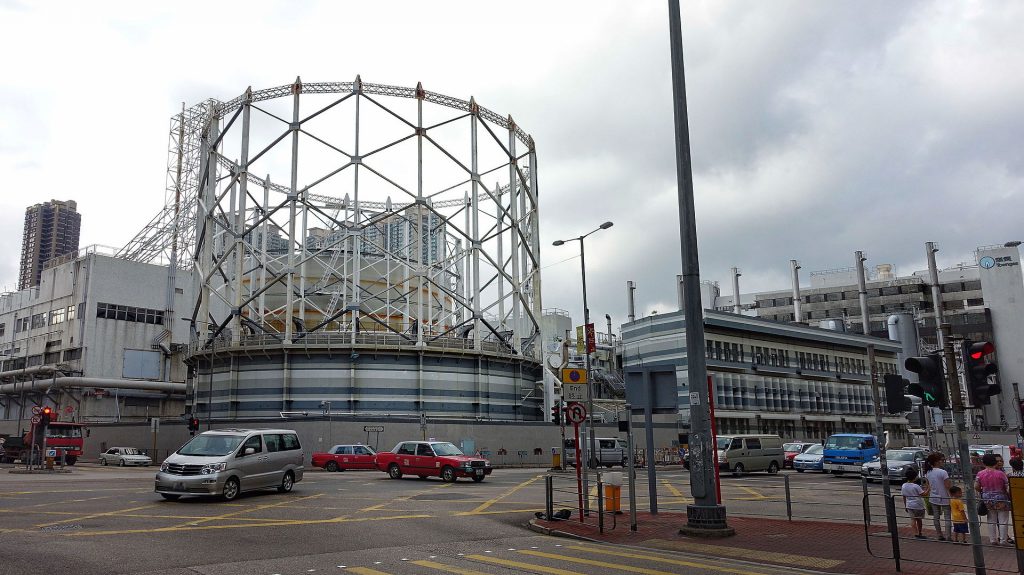
In my research for the Leave Your Body residency, I have been looking at Videotage’s quickly gentrifying neighborhood of To Kwa Wan*. As is usually the case with my practice, underlying historical narratives and connections that are not immediately apparent take precedence. The photo below is of the Towngas Ma Tau Kok Control Centre, located directly next door to the Cattle Depot Artist Village where Videotage resides.

Gasometers are large cylindrical metal tanks built as storage silos for gas for use as fuel.

There are several different types of gasometers. The type of gasometer with scaffolding, like the one at the Ma Tau Kok Control Centre, are predominantly located underground and would telescope up above ground as pressure from stored gas increased and subside as pressure decreased, storing and releasing gas through the day like a massive lung**. However, the use of gasometers has become obsolete in recent times as gas storage is largely done underground in high-pressure pipelines. As our age aligns development with green-washing, immunization, and escapism, the burying or obscuring of unseemly or obsolete systems is an ongoing process worth investigating.

*To be fair, one of the top three of Hong Kong’s pollutants is a result of its use of concrete, so most of the city is under an incessant pace of development and gentrification, which makes pointing out and finding methods of preserving historical landmarks all the more crucial.

**Thinking of the city as an organic machine, composed of its inhabitants and the infrastructure that meets their needs is a biomorphic analogy that runs throughout my practice.

Word drawings

It’s very interesting, going back and visiting old work. I tend to be consumed by new work, absorbed in my making and thinking. When my practice focused on drawing, drawing was all I wanted to do. For a while, a walk without a walking drawing was a wasted walk. My excitement and enthusiasm for the drawings gripped my mind totally.


So re-visiting the process of making walking drawings for this residency I expected to have that same consuming interest, and at first I definitely was excited and enjoyed seeing the work that was produced. Then as the days went on the work became frustrating. I felt stuck and I felt like I had gone backwards in some way. My focus has changed, my work is currently engaged with word crafting, I felt in some strange way that I was letting my practice down by attending to drawing, despite how much I love drawing as an art form. It was a very uncomfortable moment in this residency.

After wrestling with this problem and talking to artist friends I realised that I have definitely moved on from making drawings in the old style, with the drawing devices. But I haven’t finished making drawings per se, I realised that I have just changed the medium with which I make drawings.

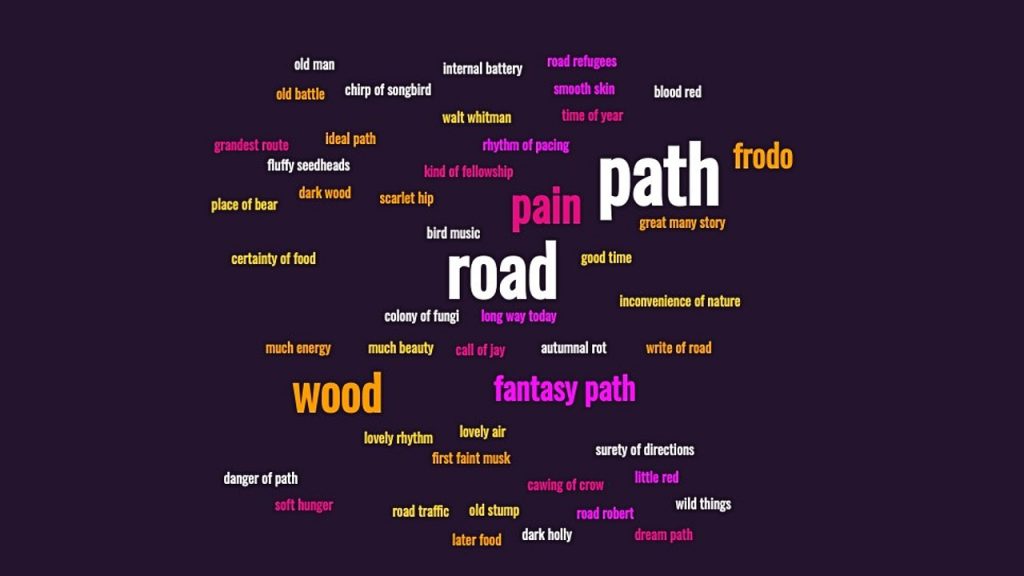
I’ve written quite a lot during this residency and I was idly thinking about drawing, writing and the possibility of drawing with words. I wondered what the writing I have done for this residency would look like in a word cloud? I was thinking that perhaps I have used particular words very often and maybe looking at those words would inspire me to create something interesting for my final exhibition piece.

So I pasted my posts into some word cloud software. There were some interesting results, so I decided to copy and paste the words into Google docs and play around with them, trying to find some way of drawing with words. Surprisingly, when I pasted the word cloud words into the document I discovered that many of the words had somehow been stuck together, forming new and rather wonderful words. For instance, fungi and old became fungiold, way and road became wayroad, breath and raven, breathraven.

Reader, my brain exploded. Okay, not literally, but I was so excited to see these wonderful, randomly created new words. The process felt simillar to how I used to make drawings, in that I would set up an experiment which had an element of the unexpected and/or random process and then metaphorically step back and allow the outcome to generate itself. In drawing, that is effected when I design a device for making a drawing based on some input not deliberately controlled by my hand, as when the pen in the device moves because I am walking.

Using the word cloud felt similar. I wrote the initial words and input them into the word cloud, therefore setting up the conditions for something to happen, yet it was the way the word cloud software handled the text and the Google software handled the copy and paste process that determined the outcome of the combined words.

These combined words placed together in an arbitrary collection are word drawings, maybe even a poem. But I am the mother of a poet and I have enormous respect and awe for a poet’s effort and creativity in combining words and meaning and I feel that to call what I have created poetry is incorrect, even audacious. They are word drawings; odd, sometimes beautiful, nonsense in which we may nonetheless see meaning.

Just as I make the decision what type of pen or what colour ink to use in a walking drawing, therefore having some aesthetic control over the final drawings, so I took some control over the placement of words in my word drawings. Mostly, I left them as they were arranged by the word cloud software, but in some cases I moved them around and I sometimes inserted words, such as go, and or where to break up the list and improve the rhythm or flow of the piece.

Finally, I used some Open Source software called Twine to gather all the words into an interactive word drawing. Readers determine what text will be displayed on screen by clicking on the highlighted words, therefore having a different experience with each reading, depending on which words are selected.

I’m very happy with this result! I never could have imagined getting to here from where I began on this residency, back at the beginning of August. What is really exciting for me is that this feels like the start of a new way of working, a new stream to my practice, which is always evolving anyway. It was so good to pass through that uncomfortable place, revisiting the walking drawings, to come to this. Sometimes, being an artist is like walking along a path, one with switchbacks and branchlines and where the path ahead is often completely obscured by the trees.

Uncategorised

Research Process

As I was researching on making an accessible virtual dance project someone shared this beautiful audio described dance project.

Stopgap Dance company and their very good audio described trailer of an outdoor dance work called FROCK.

Ten failed drawings

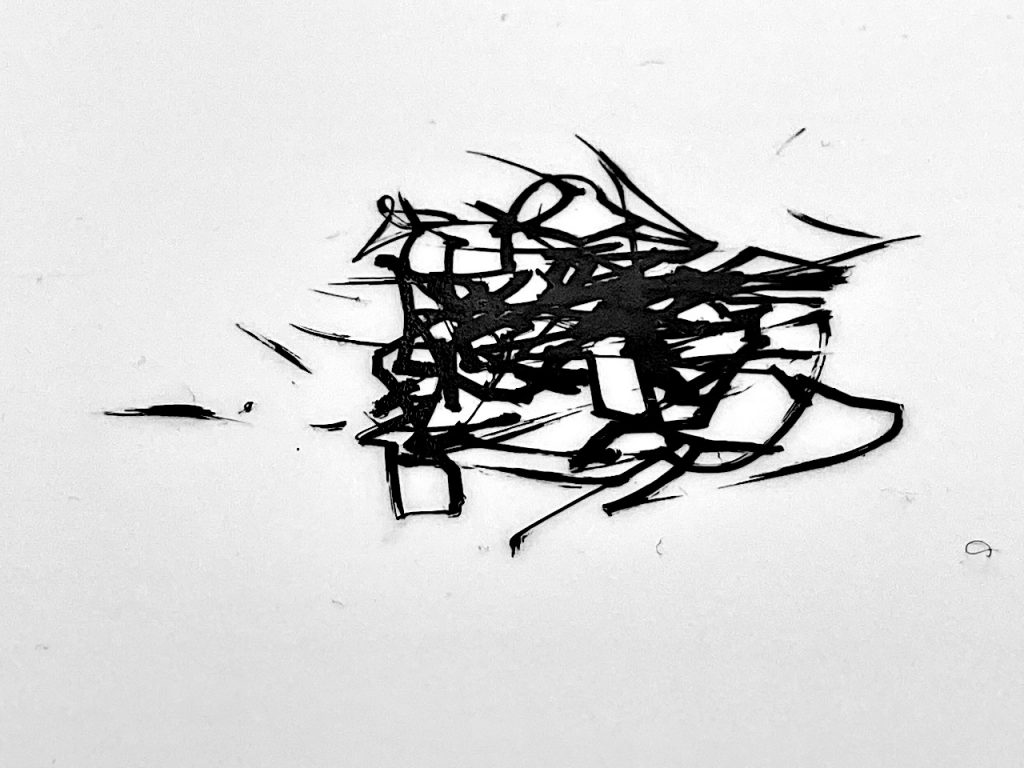
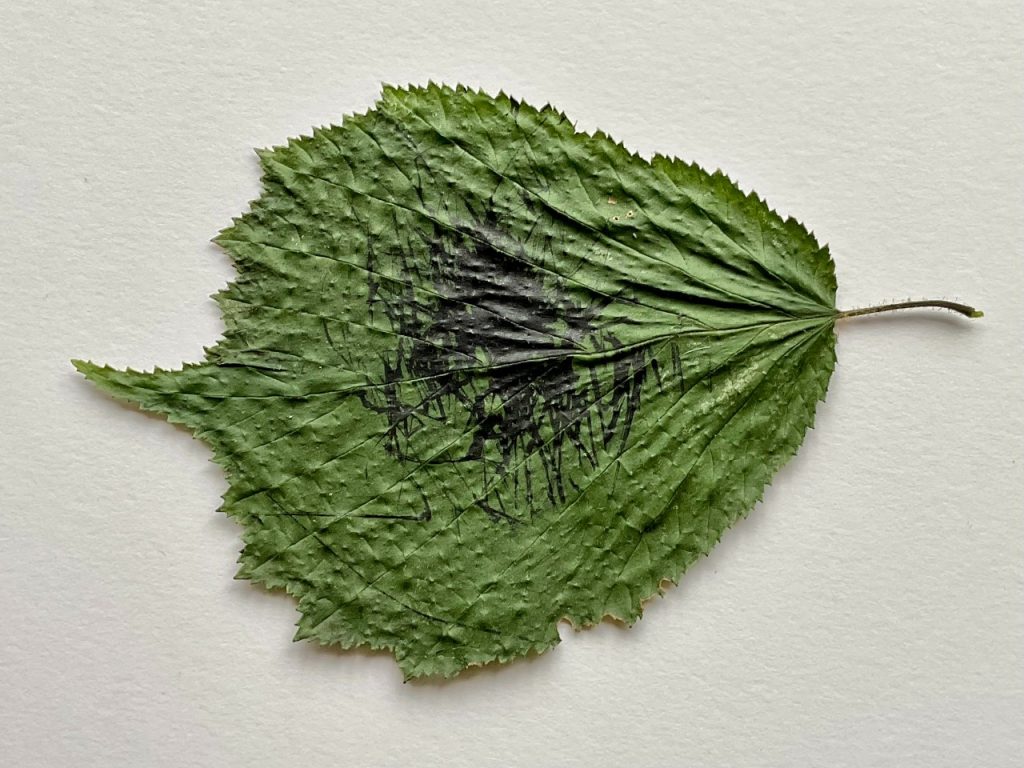
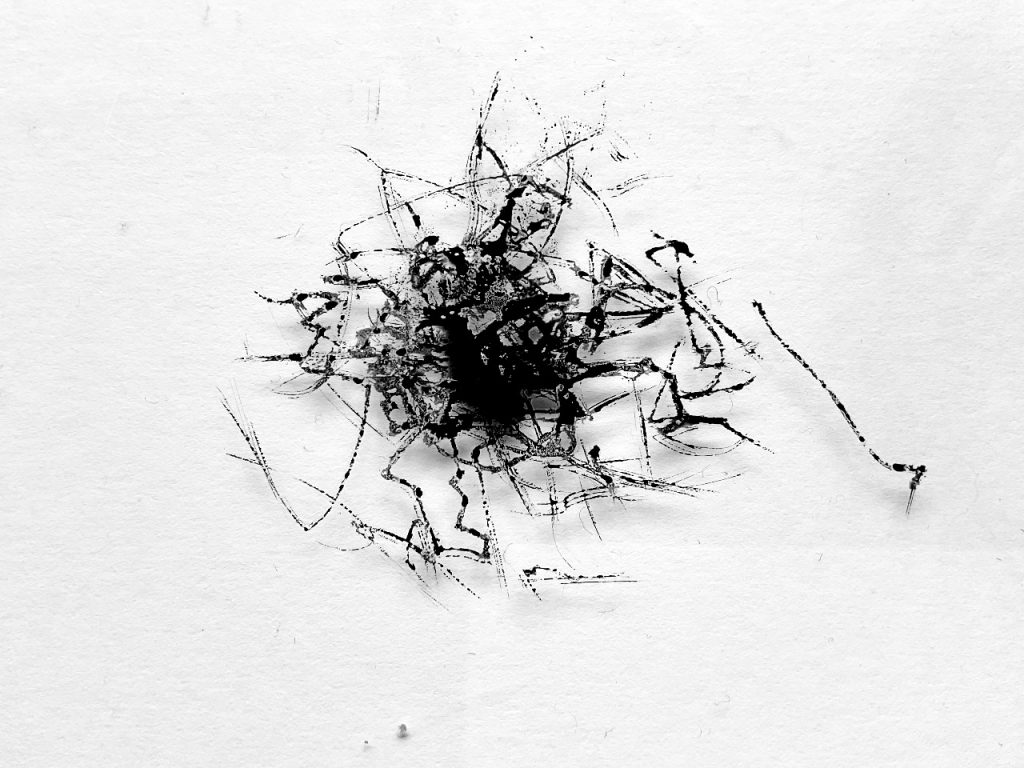
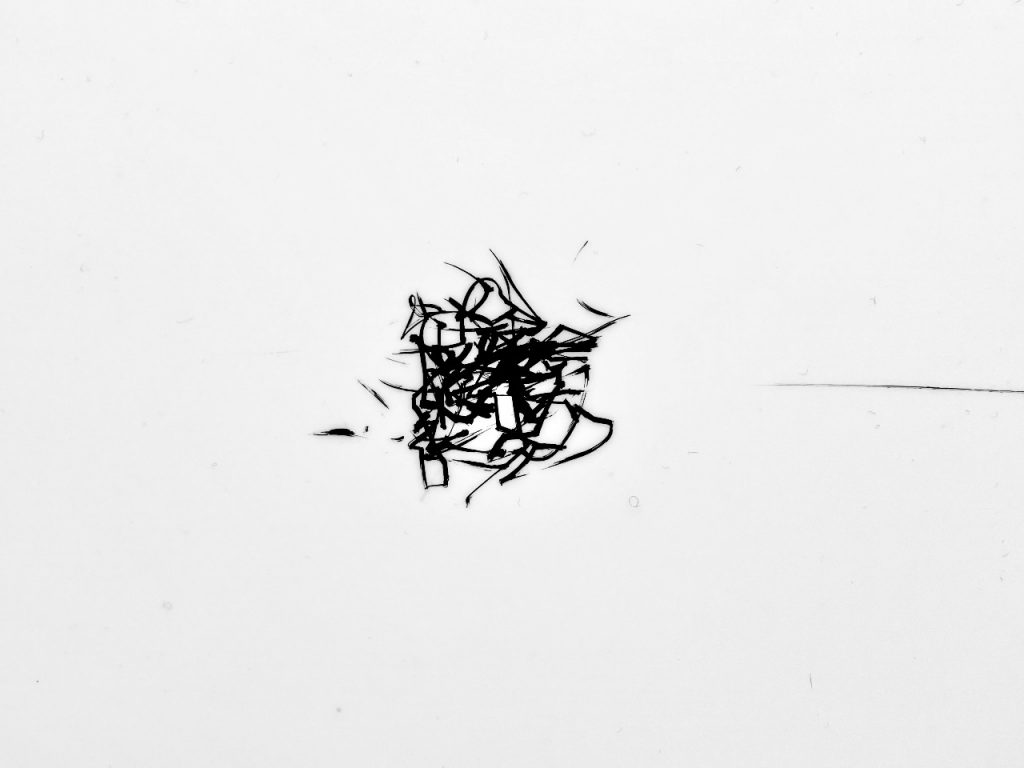
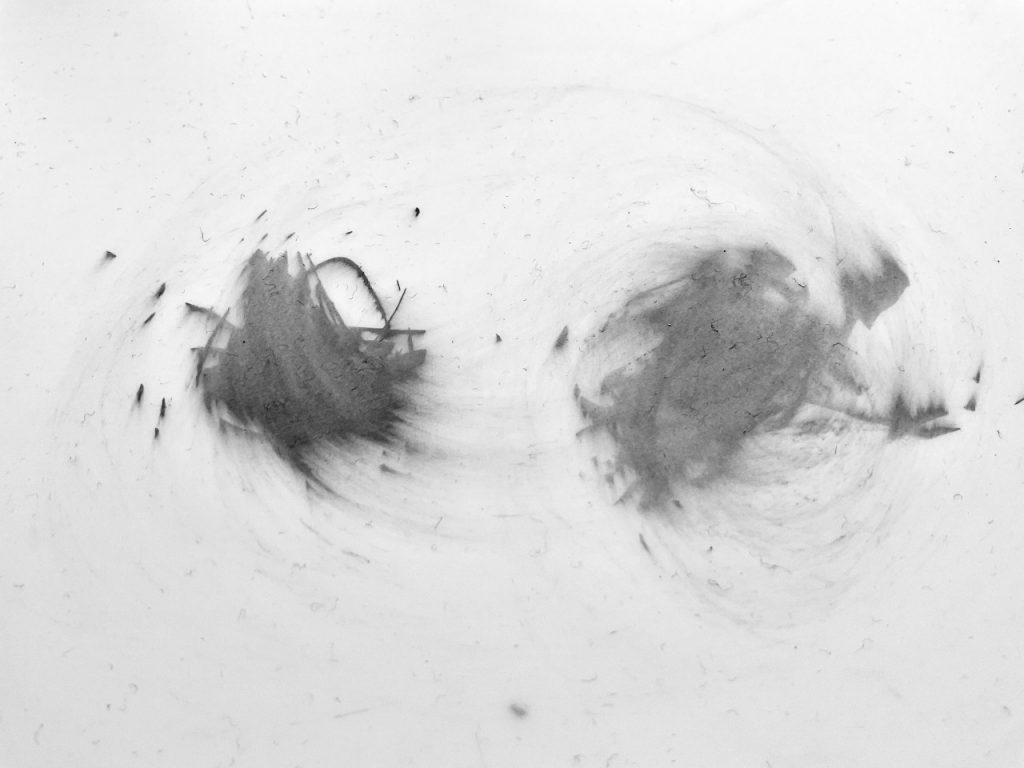
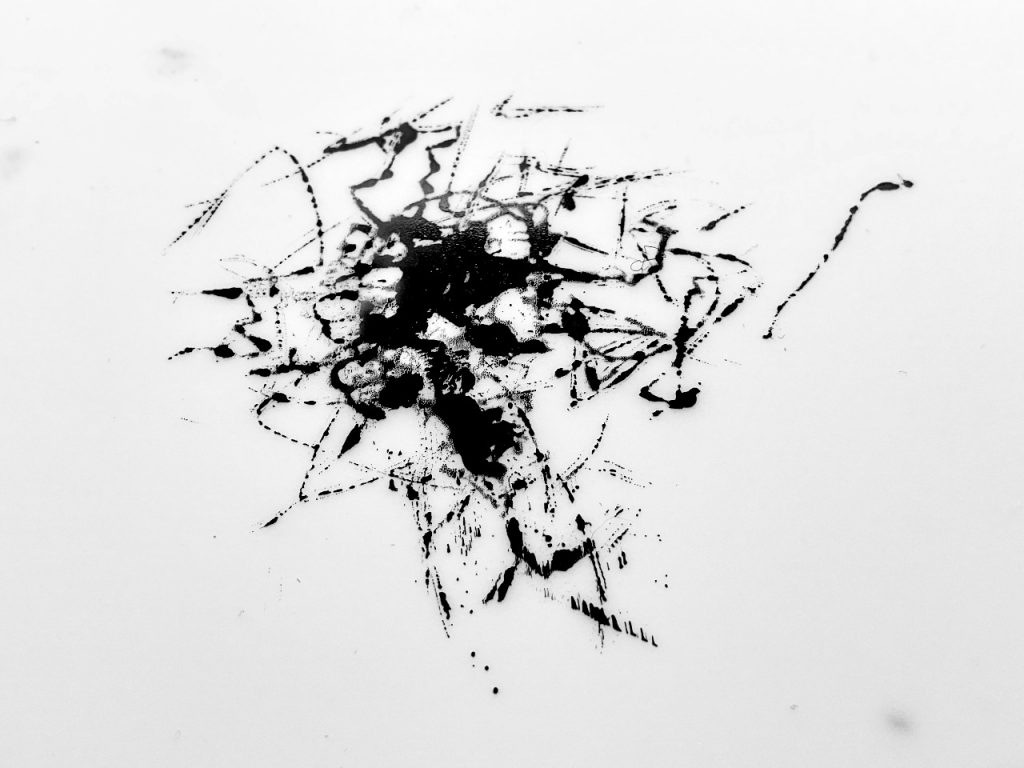
Okay, they are not exactly failures, in fact they are very lovely drawings I think. These are some of the walking drawings I have made over the last couple of weeks. Most are black ink on paper but three are on clear acetate and one is on a dried green leaf.

Black and white abstract drawing, ink on acetate. A tangle of short, straight and curved lines drawn with a brush pen.

These drawings have all been created using a very simple drawing device I made using wire, cardboard and a copper spring. I suspend a ink pen from the copper spring and take the whole contraption for a walk, the pen drawing as I move.

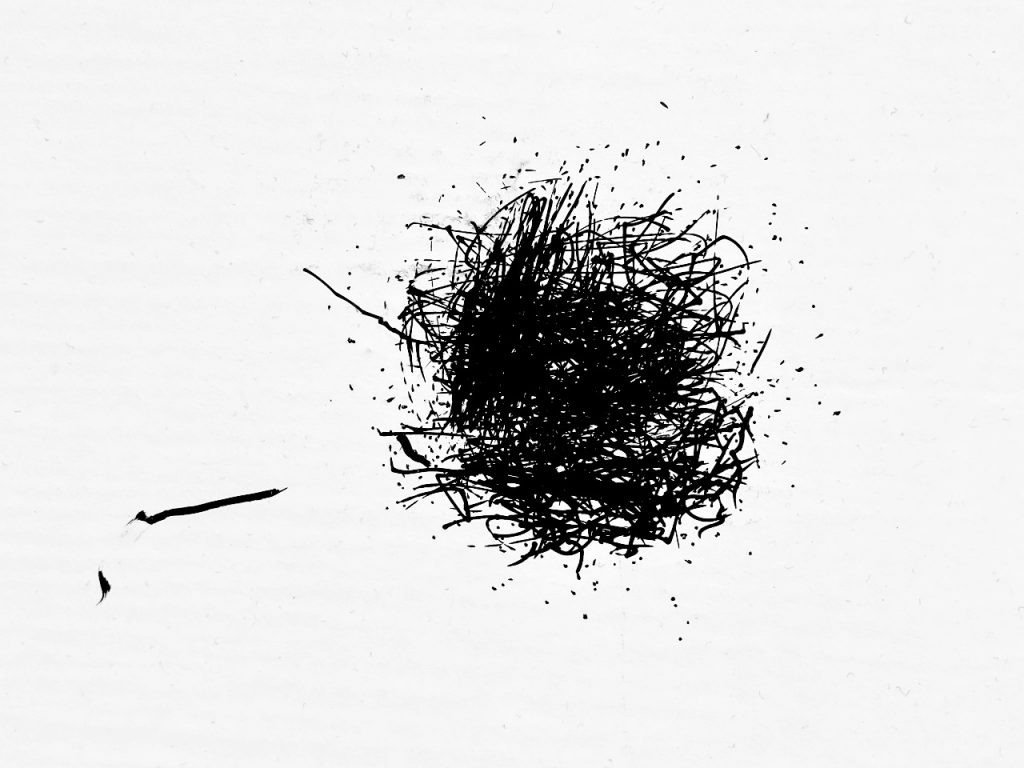
Black and white abstract drawing, ink on paper. A dense tangle of very short lines going in all directions but forming almost a circle. Small dots of ink decorate the edges of the drawing.

I’ve been attempting to film the process, with varying results. I bought myself an iPad, hoping for better film results, but it’s new technology for me and is currently proving quite frustrating, not least in the weird placement of the iPad camera to the far right of the device, which is really awkward in the drawing device. I might go back to my simple, but trusty mobile phone!

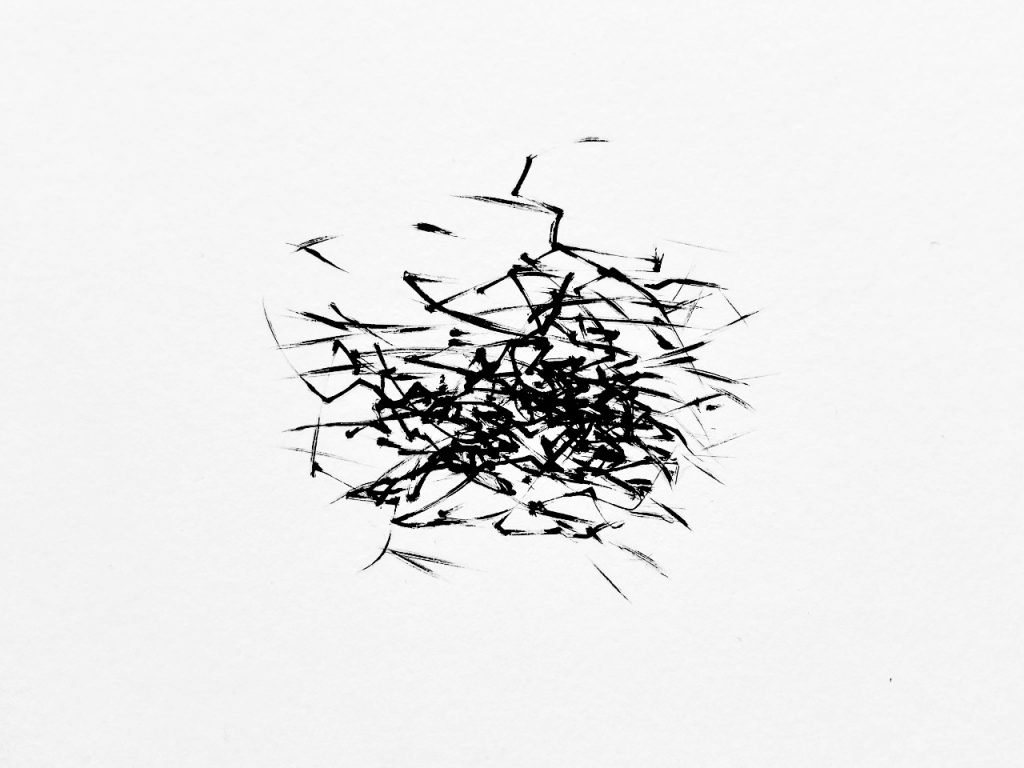
Black and white abstract drawing, ink on paper. Delicate, short, feathery lines made with a brush pen at the center and center top of the page, forming a roughly circular shape.

So back to the drawing board (or drawing device I should say)…

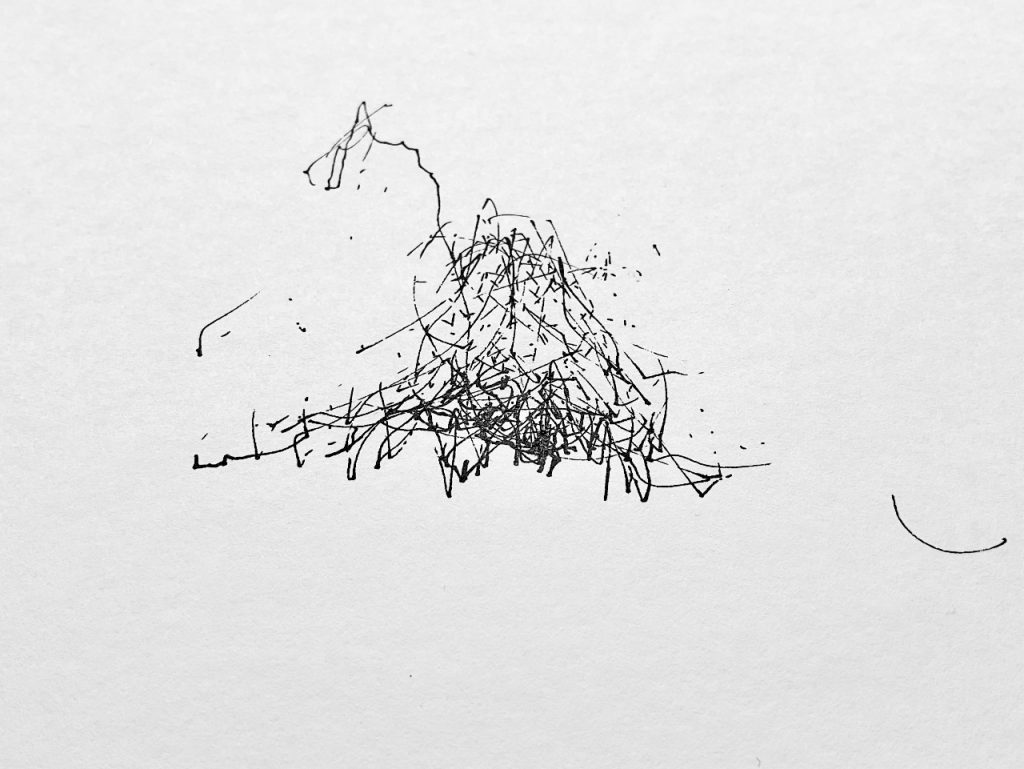
Black and white abstract drawing, ink on paper. Delicate, lines and dots form an almost triangular shape. The lines crisscross over each other.
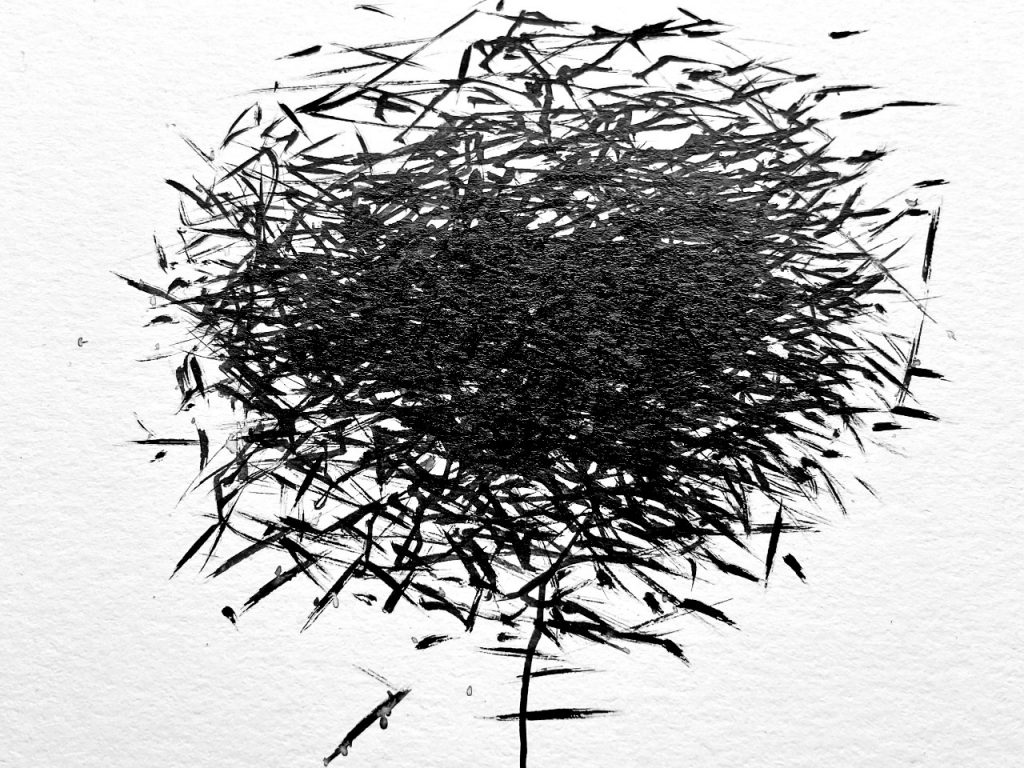
Black and white abstract drawing, ink on paper. Close up image of a very dense roughly circular drawing made with thick, short, feathery lines going in all directions
Photograph of a dried green hazel leaf decorated with dense black ink lines in the centre of the leaf. The ink marks mostly go in the same vertical direction and cross over each other in the centre.
Black and white abstract drawing, ink on acetate. The lines go in all directions forming a roughly circular, spidery shape. The ink remains wet and forms little blobs of thicker pigment along each line.
Black and white abstract drawing, ink on tracing paper. A small roughly square tangle of thick ink lines decorates the centre of the page. One single fine line is drawn from the right edge of the page, not quite meeting the tangle of lines.
Black and white abstract drawing, ink on acetate. two ink blobs sit side by side roughly in the centre of the page. The blobs swirl in roughly circular form where they have been wiped with a cloth or rag.
The Black and white abstract drawing, ink on acetate. The image is full of movement, lines made in many different directions. The ink has not dried and has pooled in blobs along the drawn lines and in the centre of the drawing.

I am a pen

Had a very interesting, useful and inspiring (three for three!) meeting today with Jamie Wyld and access specialist Sarah Pickthall. It got me thinking not only about how to make my work more accessible online, but also led me into thinking about the walking drawings in a new way.

I wrote yesterday that I was frustrated with producing works on paper and wanted to explore something else with these drawings. At today’s meeting I suddenly saw that I could try and articulate the drawing, maybe even try to articulate it as it is happening. It’s really hard to describe my thoughts on this, but it’s about making a drawing become more three dimensional (or four dimensional if I include time?).

I’ve always felt that a drawing can be more than a drawing. (Would it then be a drawing though, or a sculpture?) I would love to make drawings that go beyond seeing, being looked at; that you could feel, or hear, if you have hearing.

Anyway, the video below is my attempt to give a drawing a different kind of life…

Drawing the path 01

Prototype drawing device on Oxfordshire path

I took a prototype drawing device to Oxfordshire at the weekend. I wanted to walk down a path I knew well with the device and film it working.

This path starts at the top of the lane where we used to live when I was a small child. It’s a very significant place for me, which I wrote about on my Wayfaring blog a while ago. I wanted to revisit a path that I know well, so that my focus would be on the thing I was making rather than on the path itself.

It was odd making this drawing. I’ve made drawings like this many times before and I’m not sure how to take this work forward. Just making yet another drawing doesn’t seem like a particularly productive thing to do. On the other hand, I do love watching these drawings get made.

It was interesting filming it and I think this might be who I want the drawings to be shown. I’m still exploring that idea, but I have some concerns about making paper based drawings – it’s just more stuff in the world you know?

Booklist

I’m using this space as a place to list everything I am/plan to read for this residency.

In Praise of Paths by Torbjorn Ekelund (translated by Becky L. Crook)
published by Greystone Books, Canada 2020
EAN: 9781771644952

The Old Straight Track by Alfred Watkins (Kindle edition)
published by Heritage Hunter 2017

The Old Ways by Robert MacFarlane
published by Penguin books 2013
EAN: 9780141030586

The Book of Trespass: Crossing the Lines that Divide Us by Nick Hayes
published by Bloomsbury Publishing PLC 2021
EAN: 9781526604729

Interview with artist …kruse

Jamie Wyld (Vital Capacities’ director): Thanks for being part of the Vital Capacities residency programme! Can you say a little about yourself and your work, perhaps in relation to what you’re thinking about doing during the residency?

Thank you for inviting me to take part! I always say that I am a neurodivergent visual artist and writer and kind of leave it at that. I tend to compartmentalise my life; over here is art, over there is everything else. I’m trying to bring things together into a more cohesive whole these days though, because that feels more honest. So a more accurate description would be, I am a neurodivergent visual artist, walker, knitter, writer, sewist, pagan, crone-in-becoming, small business owner, mother, disabled, white, cis female, human animal/cyborg. I draw, design, make, illustrate, write stories, write non fiction and spend a great deal of time in an imaginary post-climate-crisis future with a cyborg called AuTCRONE. I’m currently learning to play the recorder.

JW: One of the aims of Vital Capacities is to create an accessible site (so more people can use it) – how do you think this will be an opportunity to develop your way of working?

I think this is a wonderful and important project and I am aware that I actually don’t do enough to make my own online presence more accessible. My neurodivergent brain really struggles with this, writing Alt Text is tortuous for instance (because my brain struggles to simplify things) but I want everyone to be included so I am looking forward to learning more about creating accessible content. I hope it will become second nature to do after spending time working on Vital Capacities site.

JW: What would you like to achieve through the residency? Is there a particular project you’ll be focusing on?

Yes, I’m going to be using this residency as an opportunity to research my interest in paths and tracks. Walking is a very complex thing for me and touches on many different areas of my life and practice. For instance, I have psoriatic arthritis, a chronic autoimmune disorder, which means that my body often hurts and walking can be painful, yet walking also helps ease my condition, helping my joints stay relatively flexible. I am invested in the idea of walking as medicine, though I don’t think it has to be done on two feet. Following a path, actually or metaphorically, especially a path that takes a person outside and into the world, feels like an inherently positive act. 

I find walking a very creative thing to do and I often record my walks using video, sound, photography, writing and drawing. I also use walking as an opportunity to test my ideas regarding clothing, hand work, relationship to materials, my relationship to capitalism and testing minimalism/essentialism. Walking connects me in a very direct way with my ancestors, with history, and is an invitation to become an animal among animals. 

Hmm, walking is a very complex subject for me! (laughs) I want to use this residency to  tighten the focus of my thoughts, using the notion of The Path to direct my making and thinking.

JW: How do you see the next few weeks unfolding? Where would you like it to take you?
One of the things I am looking forward to is the relationship with the other artists and curators involved in the residency. I’m excited to see what this cohort is working on and hope that some creative and interesting conversations will happen between us.
I’m really looking forward to the opportunity to work ‘deep,’ to focus on my interest in paths and tracks. I don’t really know where I will end up, I’m just following the path as it unfolds, I don’t want to know where I will be at the end of this journey until I get there!

Body Work, Breakdowns and Burn Out: in resistance of Hyperability

A grey background with a 3d diagram of a silver car body. Over the top is the title 'CAR BODY CONSTRUCTION' in red text. Around the diagram are the names of the different car body parts with black lines pointing to their corresponding section, these include 'roof panel', 'panel trunk', 'centre pillar' and 'scuttle base'.

Getting towards the end of this residency and my body feels close to a burn out. Working while your six month old wakes you up every hour during the night like a sleep torture program has been.. hard. My insides are starting to jolt and shudder.

I have been considering the way we describe the shell of an automobile as a ‘body’, an external casing which holds in all of the car or lorry’s guts. There are auto body repair shops for when you damage your body or car and truck body builders for when you want an upgrade.

Researching this also led me to a strange trend of body builders (the weight lifting type) posing with their cars and this amazingly comical article to help body builders choose the best car for them which says ..

‘As bodybuilders, you cannot survive without a car. A good and big car will not only look proportional to you but will also serve your needs adequately.’

A large white expensive car stands in what looks like a slightly mountainous desert. On the bonnet lies someone in a bikini and heels with an expressionless face
via guagemagazine

And of course there is the ‘sports car’.

These automobile bodies can be symbols of wealth, power, authority, capitalism, work, burn out or protest. During times of social unrest and resistance, the news and media is often littered with images and videos of burning cars (ACAB). When our physical bodies become exhausted by the pressures of capitalism and the inequalities of structural oppression, we also burn out and break down.

three British police vans parked in a narrow street at night. They are parked at angles and not in a straight line. The left van is on fire which is bursting out of the front window and sides. The bonnet is covered in graffiti which says 'kill' and 'ACAB'. Smoke is billowing and filling the top part of the image, it is glowing orange and red from the fire and blue from the van's lights. The vans in the middle and on the right are not on fire. Their headlights and blue emergency lights are on. A silhouette figure of a person is visible in the foreground on the right from behind.
police vans burning at a Bristol ‘kill the bill’ protest earlier this year via theguardian

I like to think of myself as a monster truck; big, slow, colourful and garish, with very little functional use other than for fun.. a performative body that rests a lot and comes out bouncing and blazing for a show every so often when I feel like it, only to inevitably and predictably crash and burn at the end.

A pink and cream ice cream monster truck with large oversized wheels and a big soft white whip on top with a cherry.
Dragon Ice monster truck, a compact monster truck with a blue dragon body design with scales and teeth and spikes and big wheels. There are colourful logo stickers on the black undercarriage. It is doing a small jump over a very muddy ramp in a stadium filled with people in the background.

HUGE

I’ve been researching bodybuilder poses, the reasons for them and the way they accentuate the muscle definition. Scrolling through Google images at these magazine covers, there are obvious themes that arise. The women are very rarely as muscly as the men, they are often used as props to the central male figure or they are overtly feminised and sexualised in bikinis with big flowing hair. I couldn’t find any magazine covers with any variation of this apart from Renee Campbell, a bodybuilder who is trying to challenge the standard look. There weren’t any covers of her but the photos from an article on CNN definitely had a different energy and aesthetic.

The positions range from intimidating to comical, one of my favourites is the one where they look like they’re pushing an invisible shopping trolley. When I look at a lot of these images and bodies all at once, shiny, bulging, smiling, angry, tanned, flexed bodies, it starts to make me feel weird, they remind me of rotisserie chickens just spinning on repeat. But they are also somehow very fascinating and impressive.

The limitations of mobility that pushing your body to this size causes makes me wonder if they are really hyperable or if they are just a visual symbol of hyperability.

Renee Campbell via CNN

Lulikenstein’s Mascot Monster Bodies

A faint grass background with a creature diving in the foreground, their body made up of several mascot limbs, a yellow angry looking cartoonesque sunburst face, a raised right arm or wing of an eagle mascot, brown with black feather and a white gloved hand, the left arm, also raised, is a green glistening wrist and hand poking out of a brown long sleeve, the face melts down into the body, grey fur with a white fur belly oval, the left leg has blue shorts with a small logo, a yellow leg, white sports socks and black and a red puffy mascot nike trainer, the right is a thick beige fur trunk with a huge bright blue hoof. The legs are bent and arched backwards.

This is an experiment into creating my own hybrid Frankenstein mascot monster bodies in footy diving positions. I would love to do this with irl second hand mascot bodies one day for an installation, taking a few apart and sewing bits back together, so it’s cool to be able to do some digital mock-ups and think about how I can use them sculpturally in an online exhibition to accompany the video work. I’m thinking about some t-shirts one day maybe too. I’m looking forward to developing this idea and creating more of these.

This was created with A LOT of help from Hang Linton and their stellar photoshop skills.

Body Builder Vol II – Costume

With a mid noughties, year 9, gelled up hair style and matrix like glasses, we are getting roared at by a man in a muscle suit and tight leather trousers. His hands are clenched in fists at waist height, knuckles facing each other so the bulging suit and rounded arms create a strange ring of meat.

I have been working with fashion designer, Max Allen, to literally build a body. You can see the final product in my studio. I am going to use this costume for a choreographic film experiment, superimposing this performative figure onto my own physical body. Here is some of our inspo:

Like a super hero, fists on waist and chest puffed out, stands Big Daddy. Thick thighs shoot from calf high black boots. A white leotard has Big Daddy written in block capitals. They are wearing a union jack crop top that is split down the middle, exposing the deep circular neck of the leotard. Big Daddy has an emotionless face, rather large and shiny chin while sporting icy white hair.
On top of a green background is a person in a red hoodie and white bib. We can only see their chest, no hands, no head. They are wearing a white bib which saying 'Doping Control' in bold, black all caps.
A comic book image. On top of a glowing red background, we are shown the transformation process of Jennifer Walters into She-Hulk. From grey to green, busting and shredding from her normal clothes, She-Hulk dominates the image with her wide stance, big hair, big muscles, big tits and tiny white and blue leotard.
A person with long dark hair and black socks stands there with a wide grin and one fist raised like they're about to pump it in a 'YES' type celebration. This person is wearing a comically large inflatable muscle suit with beige skin, dark brown muscle contours and a red bikini.
Macho Man Randy Savage in all his might, standing on stage beneath a spotlight. Wearing a yellow cowboy hat covered in red stars with a big sparkly 'M' on the front, he is wearing 80's shutter shades, has long brunette hair and a big fluffy beard. Randy stands legs wide and arms flexed to create the shape of a very thick pitchfork. He is wearing a black jumpsuit covered in tassels. One half red, the other half yellow. Randy also has tassels tied around his arms to emphasise his already bulging biceps.
A yellow cycling jersey with red shoulder sections. White, red and blue sponsorship logos litter the jersey to a landfill like state.
A bright and colourful, candy bar like, collection of football scarves from across the world. They run vertically up the image with all text turned 90 degrees clockwise also.