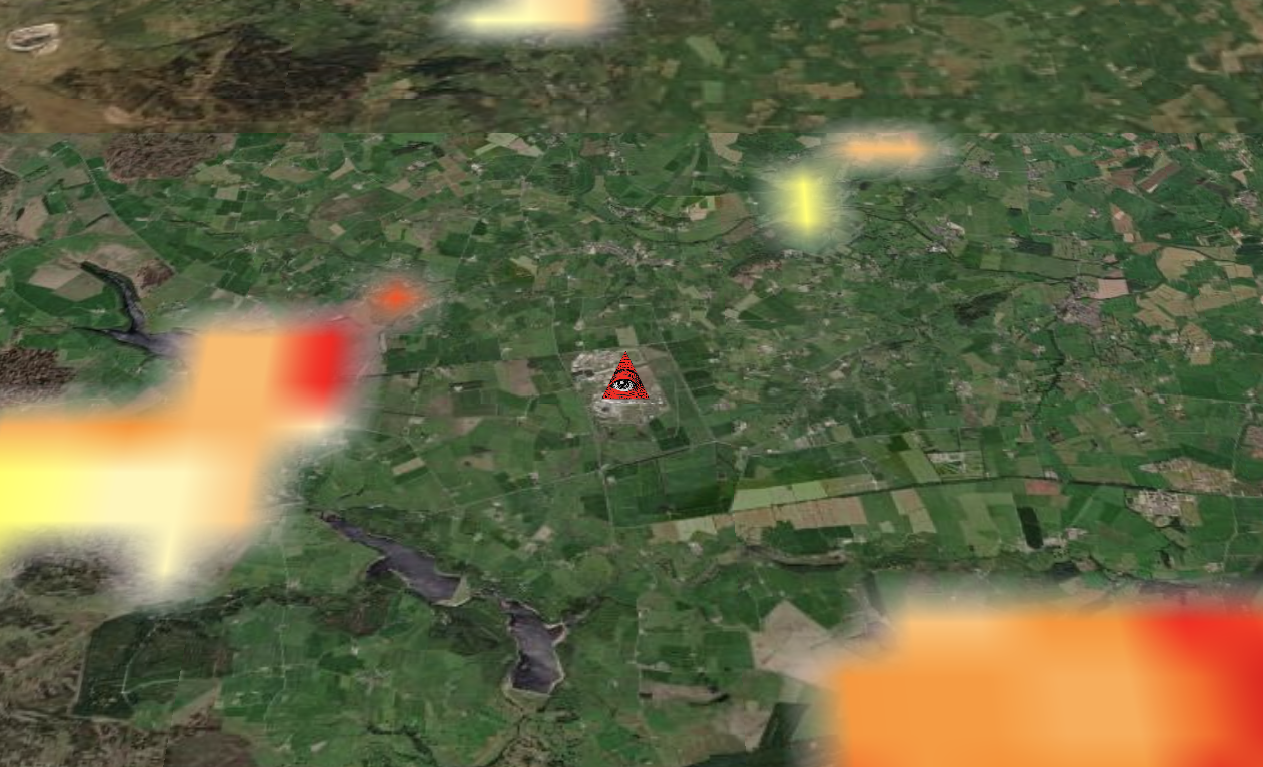
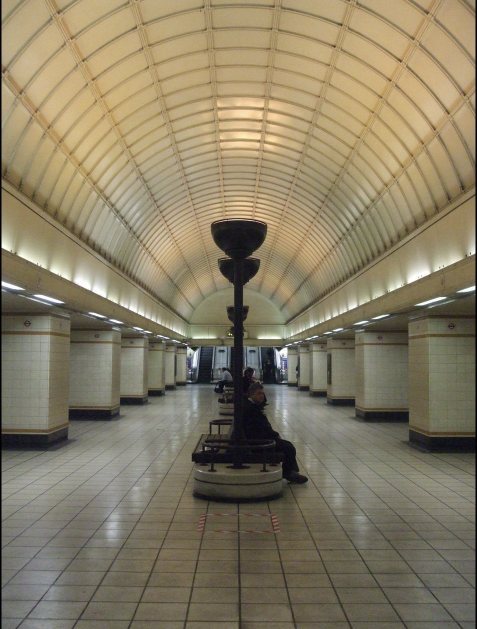
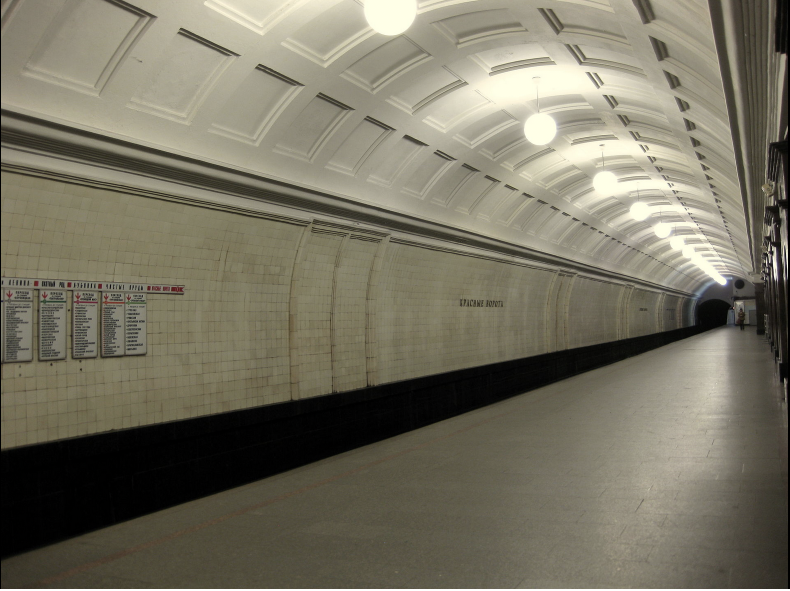
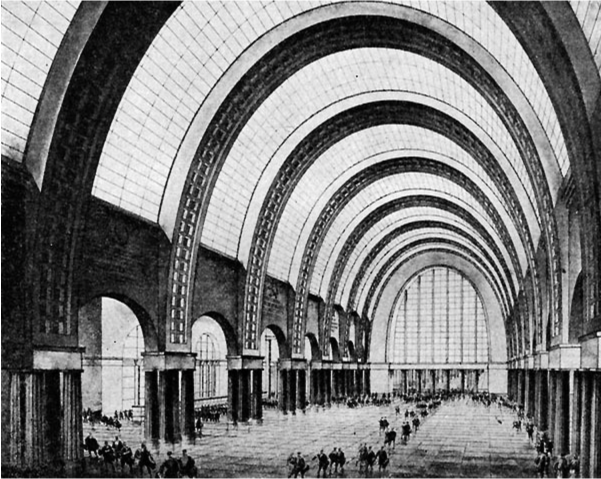
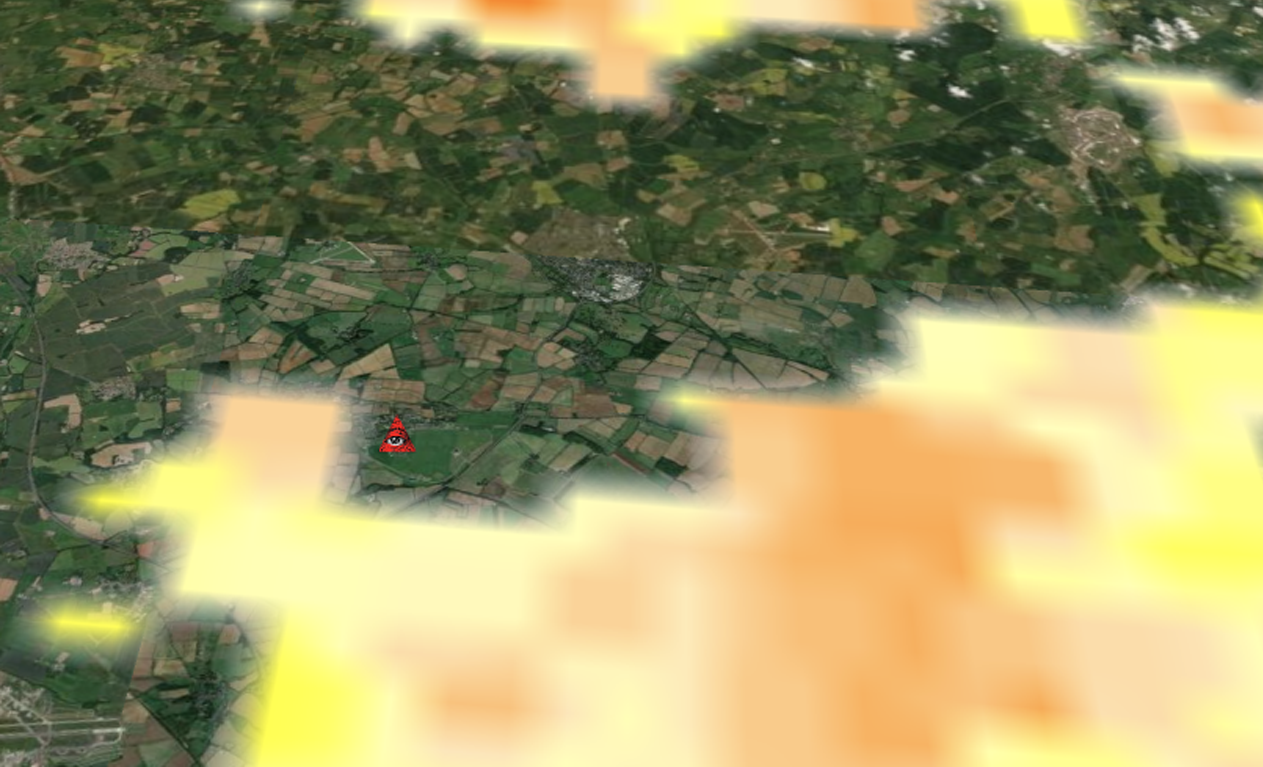
I’ve been looking for photos that show the inside of the Serpukhov-15 bunker. This is the only image I have come across so far and it’s unverified.

I’ve been looking for photos that show the inside of the Serpukhov-15 bunker. This is the only image I have come across so far and it’s unverified.
can’t stop watching/listening to these tunes >
Noor Jehan is an icon > singer of over 10,000 recorded songs > first female Pakistani film director in 1951 > affectionately known as the Queen of Melody >
Below you can hear Noor Jehan singing ‘Lal meri pat’ >
Lal meri Pat is the original version of the song that venerates the saint Lal Shahbaz Qalander > it brings the research out from the mystic 12th century reaches > out also from the Afro-South Asian connections > straight to Lollywood >
Pakistan’s film industry set up in Lahore has its own heroes and history > if interested > this podcast has been a joy to listen to >
I’ve been blaring these songs in my room and in my headphones on the go >
I’ve been paying attention to the way these videos are shot and edited >
I’ve enjoyed the sharp, deliberate, on-beat chopping >
studies in chopping up the tabla


studies in chopping up the tabla
these studies are produced by pushing family photos into images of chopped trees < these trees are located in the Harz Mountains in Germany where the bark beetle has destroyed local forests < amongst the decay and disease wild flowers and grasses < growback >
< the bark beetle is a kind of predatory invader to the forest < “nature” has its own forms of violent destruction < reoccupation of habitat < re-inscription of its role < colonialism >
< normally a tree would be able to ward off the beetle by producing its own resin < but increased heat and drought have weakened this defense < many trees are dying < many trees are being chopped down < chopping >
< roots in the ground remain as the wood is chopped and moved elsewhere> < chopping >
< the stump is a sign of this dislocation < a mark of my departure >
< the stump becomes the image of the tabla face < except it misses the syahi < the syahi is the blackened tuning paste in the center of the drum < the syahi is the pupil of the eye > < in the iris >
< in the iris < my father and his brothers < my grandfather alone < the generational split that I never knew < their relationship with the looking lens < the brothers facing the eye of the camera < the father lost in his work < neither looking at each other < both brothers and father >
< in my eyes >
< in my eyes < as I walk>
< at the rhythm and pace of a tabla>
< through the dying forest < and mystifying growback >
A God realised. It was meditation to see the transgender God in space/reality. This is the beginning, where I create rituals for its appearance and movement in space. The black paint represents the Universe, a body that holds the planets and the stars and commands space-time. I understand my body as an integral part of this experience. I am interested in finding out: Am I in a trance as a vessel? How do I create transformation for other transgender bodies? How do I open myself to this present moment? I want to be consumed.
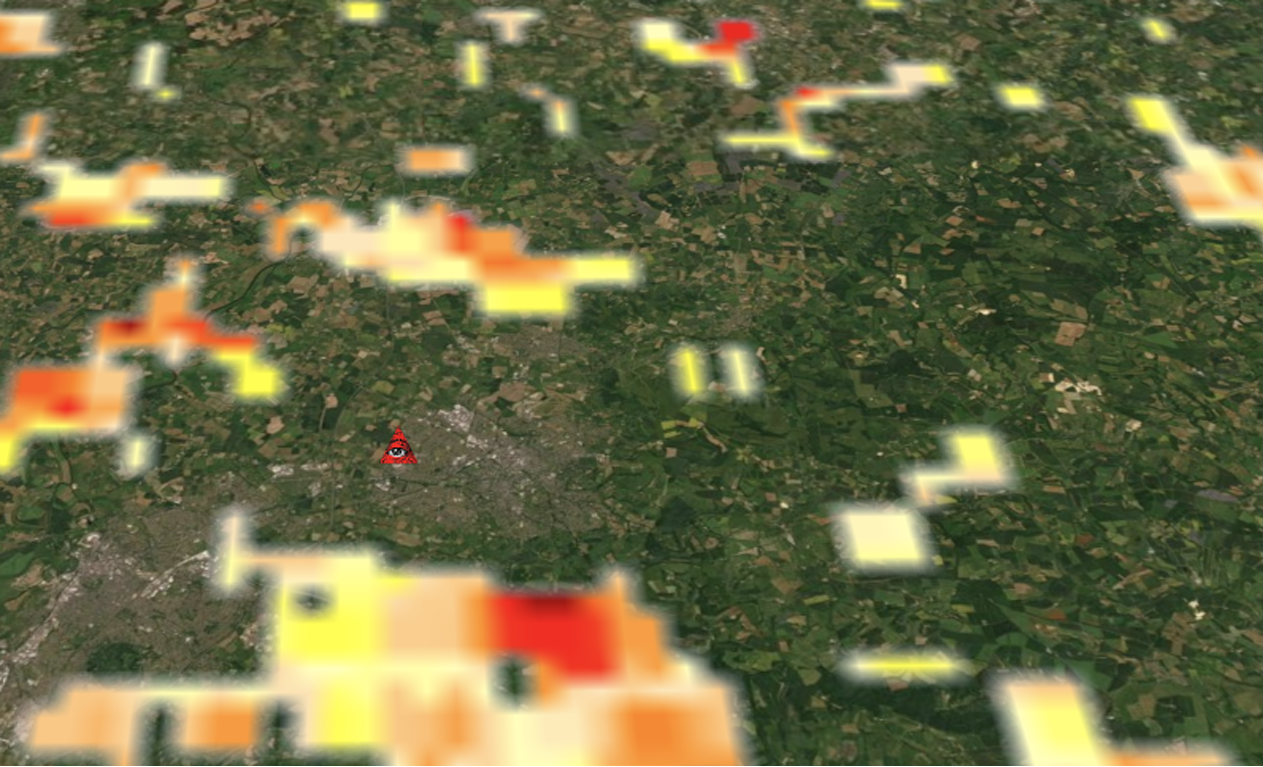
The God is nameless at this point; however, Trumu Fetish is the title for the experience of veneration.
A song by E B U. Listen to this while watching. I have added the lyrics too.
Take me back To the silky black The silky black of liquid sap Slate and stone I feel at home With space to roam This feels like home Solace on a hill Stones standing still Standing proud Out of the ground Quietly Watching me Comforting Company So take me back To the silky black Take me back To the silky black Happy to be bound By the embrace Of homeland Written By - E B U

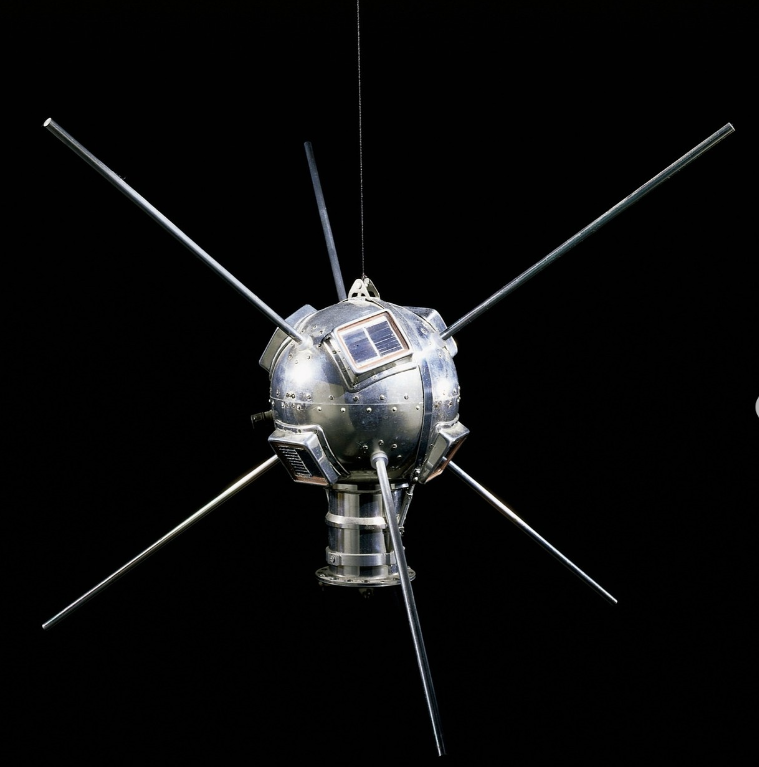
I came across an interactive digital work called OKOgame that uses NASA satellite imagery to form an audio-visual experience triggered by mouse clicks. It revolves around a target-like centre which splits into rings that you can control with your mouse. Working like a puzzle, the aim is to get them to fit seamlessly together revealing the original satellite image. There are various levels, each becoming more complicated with an increasing number of moving parts. The soundtrack is recordings taken from within space shuttles.


This is the second part of my reflections on Virilio’s Bunker Archaeology and which sections are resonating with my research.
He writes about the materiality of concrete and how a poured substance can create this sense of claustrophobia and imprisonment:
“It is the coherence of the material itself that must assume this role: the centre of gravity replaces the foundation. In concrete casting, there are no more intervals, joints, everything is compact; the uninterrupted pouring avoids to the utmost the repairs that would weaken the general cohesion of the work. (p47).
‘Their grey cement relief was silent witness to a warlike climate’ (p12).
Although the bunkers themselves are solidly anchored into position, unable to move and or be impacted by events on the ground, Virilio knows that it’s the speed of the things that they are controlling that is at the core of their power. He focuses on the trajectory of weapons, how quickly they are able to move, and the battle for speed.
‘At the heart of combat’… “a new infrastructural-vehicular system always revolutionizes a society in overthrowing both its sense of material and its sense of social relationship” (p19).
It seems for him that it’s the speed of trajectory that is crucial. And related to this is the miniaturisation of space, of making distances feel shorter and easier to travel across. It ties into the omniscient, all-seeing systems of satellite observations, of mapping technologies, and geospatial tools of control.
“A homogenizing process is under way in the contemporary military structure, even inside the three arms specifications: ground, sea, and air is diminishing in the wake of an aeronautical coalesce, which clearly reduces the specificity of the land forces…(T)he volumetric reduction of military objects: miniaturization” (p18).
Finally, he makes a broader point about how technologies of speed and travel are related to the desires of military activities:
“It should never be forgotten that the ancestor of the automobile, the log transporter of the military engineer Nicolas Joseph Cugnot, during its first trip from Paris to Vincennes, was hauling a cannon” (p47).

Bunker, France, ca. 1958–65. Photo: Paul Virilio
This week I’ve been reading Virilio’s Bunker Archaeology (1967), a collection of texts and photographs documenting his research and visits to the military bunkers of the Atlantikwall along France’s northwest coast. Spanning coasts from northern Norway to Spain, the Atlantikwall consisted of 15,000 bunkers built to conceal radar stations, submarine pens, and various military arsenal.
He reflects on what it feels like to enter one of these ominous monolithic spaces and the relationship between death, tombs and military architecture.
‘I was more impressed by a feeling, internal and external, of being immediately crushed. The battered walls sunk into the ground gave this small blockhouse a solid base; a dune had invaded in the interior space and the thick layer of sand over the wooden floor made the place ever narrower. Some clothes and bicycles had been hidden here; the object no longer made the same sense, though there was still some protection here. A complete series of cultural memories came to mind: the Egyptian mastabas, the Etruscan tombs, the Aztec structures . . . as if this piece of artillery fortification could be identified as a funeral ceremony…’ (p11).
He describes trapdoors in cement floors leading to crypts packed with ammunition, round or hexagonal inner chambers, and often the placement of what alludes to a religious alter or plinth in the centre of the space.
“The bunker was built in relationship to this new climate; its restrained vo1lume, its rounded or flattened angles, the thickness of its walls, the embrasure systems, the various types of concealment for its rare openings; its armour plating, iron doors, and air filters – all this depicts another military space, a new climactic reality” (p39).
I also found it interesting to read his thoughts around the relationship between territorial representation (maps, satellite views) and military expansion. He writes about these representations being strategies of military control – satilletes and radar systems – and desires around ‘controlling expanding territory, of scanning it in all directions (and, as of now, in three dimensions)’ (p17).
“The “conquest of space” by military and scientific personnel is no longer, as it once was, the conquest of the human habitat but the discovery of an original continuum thar has only a distant Iink to geographical reality.”
Another thought I had whilst reading this was the act of fortification and what it means to use the earth’s material itself and underground locations as a kind of barrier. It’s making me think of the subconscious and how the spatiality of physical spaces can have psychological connotations and interpretations. Also, what it means for the decision-making processes and the actions that are expected to happen at these sites.
“The fortification is a special construction; one does not live there, one executes particular actions there, at a particular moment, during a conflict or in a troubled period” (p42).
So this is my second draft of the first scene of Episode 1


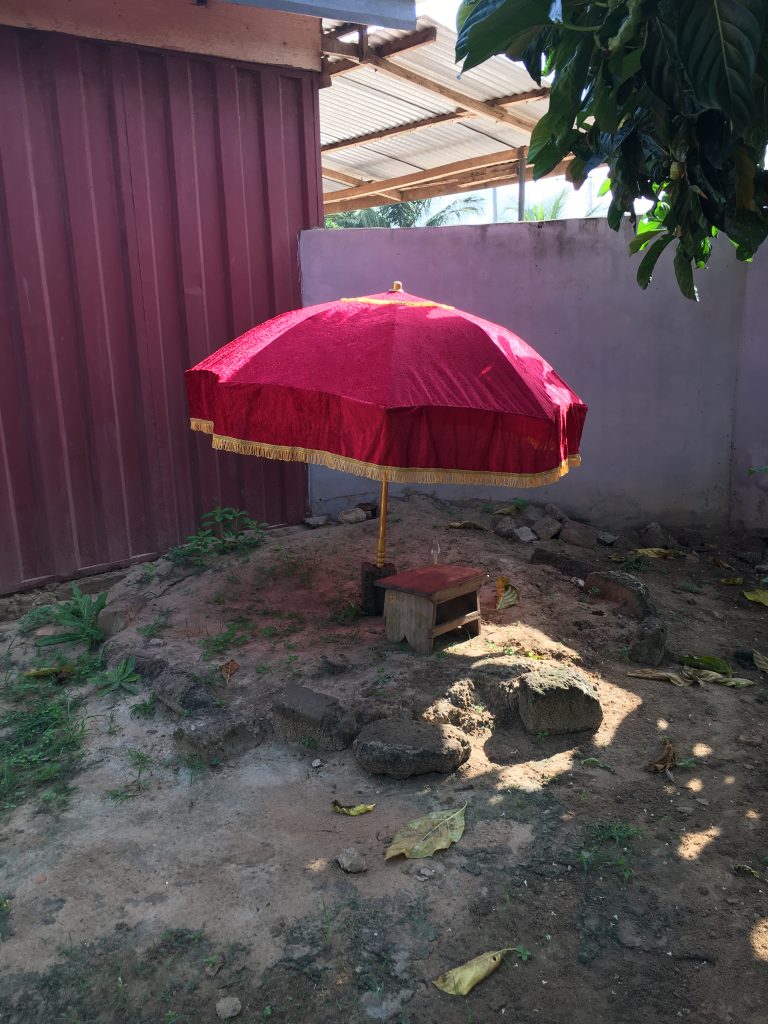
West African traditional religions have pantheons of Gods.
Within these pantheons, there is a hierarchy. The supreme being is at the top, followed by deities, the ancestors, human beings, animals, plants and minerals. Our Spirit/Vital force is what connects us. There are not as many temples for the supreme being or the Gods; however, there are shrines dedicated to the specific deity. These Shrines have different purposes, but this is where the deity resides. Each shrine has a caretaker or caretaker and a priest who can communicate directly to and with the deity. We find shrines in mountains, rivers or seas, at the foot of a village or at the residence of a priest/priestess. Offerings of prayer, alcohol, food or money are given to the deity for goodwill, protection or gratitude.
What I find exciting is these enormous Pantheons still have unknown or undocumented deities. It is a platform for research and discussions on transgender deities and their place in Africa’s transgender society. What rituals safeguard and re-energise our vital force and connection to the spiritual universe? How can we hold spaces for those witnessing our transition? These are the questions I am working on.
All work on my profile is orbiting this piece right here


These are the opening liner notes for MOMD. There are two images. They both share the same style; a black roti-textured background with bright pink text. On the first image, the text cascades down and reads ‘mark of my departure’ with each word in a different font. In the middle, across the cascade are the letters MOMD emblazoned large.
The second image has the same large MOMD across the middle. Above it is the track list. Which reads as follows:
mark one: water
mark two: melanogenesis
mark three: in the bazaar
mark four: ilford lane
mark five: be you
Underneath is a body of text that reads as follows:
MOMD produced, arranged and entirely composed by Allah SWT
features include Nusrat and company, the Chapparrals, whoever recorded that tabla loop, some random heads, Mufti Menk and that hilarious kid, Hamza Mohammed Beg and everyone who has ever interacted with us.
In the name of Allah the gracious and the merciful
I am greeted at the archway of my own work, stepping into it for the first time, hearing my voice drowned in the divine. All voices are dripping with it.
MOMD is a parting letter but I do not know to whom nor do I know where I am leaving to.
Those whom you guide none can misguide and those whom you misguide none can guide.
All of my research, writing and creative work for this program is trying to understand and expand on this that tumbled out of me >>>>>


I am attempting to make a interactive radio play controlled by speaking so the first things I have looked at are modern radio plays….which happen to be fictional podcasts
I never knew the radio play lived on in this form but I have to say
These three podcasts Carrier, The Message and Lif-e.af/ter have been a huge inspiration in how I can use sound as a way to craft a world that feels real and lived in.
Now the differcult bit is to finish writing the episodes.
Adversarial.io is a tool created to evade technologies of image recognition and reveal how differently machines and humans interpret images. Subtle noise added to images can completely alter how an algorithm will classify a photo, while in terms of human perception, there is little change to the original image.
I find it interesting in the context of my project because of the high confidence with which the M-10 computer declared its identification of the missiles (which turned out to be sunlight reflecting off clouds).
In my experiments, I gathered photos of nuclear missiles which, through such added noise, became sewing machines, freight cars, obelisks and totem poles in the eyes of computer vision.
Some of the nouns used to describe these missiles were quite obscure! I had to look up the definitions for: a stupa (a dome-like building usually containing relics and used for meditation), a barracouta (type of fish) and thresher (an agricultural machine for separating grains).

What I find exciting about this story is a supreme being, Lord Krishna, transitioned to form the Mohini avatar and blurred the lines between masculinity and femininity. Thus, being transgender is divine.
CW: mentions of suicide
Another Shahbaz, this time a veneration for the famous and beloved Sufi saint Lal Shahbaz Qalander.
Fascinated (as an outsider), proud (as an insider) of how this/my culture can infuse prayer, dance and music into ritual. I use this visual in Mark of my Departure to bring up a sense of collective ecstatic spirituality and straightforward party vibes.
The visual alone is full of such absurdity and humour; I love the ageing baba having money thrown at him, the dancing kids doing some ubiquitous skanking < maybe the key here is how intergenerational the celebration is?
The people they party to venerate the saint, Lal Shahbaz Qalander.
So much of my own practice is informed by techniques used and made popular by hip hop > sampling, chopping, rapping > somehow this video feels like it has every aspect of a classic early 2000s hip hop video and therein lies the appeal of the visual > it’s a kind of indirect nostalgia > I can access this image of my collective ancestral culture through my individual nostalgia for early 2000s hip hop < displacement is strange
South Asian culture (and cultural artifacts) have a relationship with hip hop that is everywhere to see but not many places to fully understand. My own work tries to explore that relationship. Famous hip-hop producers have lent on South Asian culture to give their music some flair, some essentialised but deliciously addictive vocal chops and catchy melodies < that’s only one aspect of this cultural exchange >
SIDEBAR
Here is the briefest non-chronological history of South Asian samples in mainstream hip-hop production from the early 2000s. that I can remember
Timbaland samples a Colombian song and calls it Indian with saris and babas in the video.
Dr. Dre samples the legendary playback singer Lata Mangeshkar for one of the bangers of the decade.
SIDEBAR CONT…
I’m writing as I research and have just come across the work of Professor Elliot Powell. Phew. Elliot Powell is doing the work!
“His first book Sounds from the Other Side: Afro-South Asian Collaborations in Black Popular Music (University of Minnesota Press, 2020), brings together critical race, feminist, and queer theories to consider the political implications of African American and South Asian collaborative music-making practices in US-based Black Popular Music since the 1960s. In particular, the project investigates these cross-cultural exchanges in relation to larger global and domestic sociohistorical junctures that linked African American and South Asian diasporic communities, and argues that these Afro-South Asian cultural productions constitute dynamic, complex, and at times contradictory sites of comparative racialization, transformative gender and queer politics, and anti-imperial political alliances.”
SIDEBAR BECOMES MAIN WORK…
Here’s a story from Powell’s work
Powell charts the link between the lamenting lines of Asha Bhosle (sampled by Just Blaze) and the flippant response from rapper Erik Sermon. The sampling of South Asian music seems to fall into what Powell describes as an early 2000s Indo-chic. The ‘Indian’ aesthetic is utilitzed widely and carelessly to point to a sense of the exotic or oriental. This seems nowhere more evident than in the translation of the sample for the club-ready party hit ‘React’.
“The verse, sung by Asha Bhosle, can be loosely translated as, “If someone has a fondness for suicide, what can one do?,” to which Sermon responds, “Whateva’ she said, then I’m that.”” < Elliot Powell
While Powell suggests that the White orientalist gaze has to be decoupled from the African-American orientalist gaze he still substantiates these critiques. Powell recognises some of the problems.
Of course it has problems.
Using the female-presenting body and voice as an essentialising tool while also minimizing/invisibilizing the labour of the South Asian body < exoticising, homogenising etc etc > Marking South Asian culture as an empty form > a type of commodity that has to have its meaning by-passed because of its illegibility “whateva she said, then I’m that, if this here rocks to y’all then react!”
Powell does not deny these critiques but does complicate them.
He does so by recounting the fact that a year before the release of React, Erick Sermon himself had an alleged suicide attempt.
Powell notes how difficult it was for him to admit it and how he had dissociated from the events that left him in the hospital recovering from various wounds.
One year later, Erick Sermon and Redman are hanging out at the studio and Redman plays a CD of Just Blaze beats. Erick Sermon feels that he doesn’t have a big single on his upcoming album.
There was no conversation between producer and emcee, Erick Sermon just heard the beat and decided that it was the one.
He was immediately struck by it and the next time producer Just Blaze heard the song, it was already a smash hit on the radio.
Powell invokes queer theory and cites this as an example of ‘queer temporalities’, conversations caught between time, unwittingly had, unknowingly needed.
“In the field of rap, I’m superb, I’m fly
I should be in the sky with birds”
Erick Sermon, React
MAIN THREAD RETRIEVED!
Phew.
Long time-ways from the 12th century sufi saint Lal Shahbaz Qalander.
But perhaps not > Lal was also known to be ‘fly, in the sky with birds’.
Here is a closing anthem from Qawwali singer Faiz Ali Faiz in homage to the legend Nusrat Fateh Ali Khan who is being readied for further research. The image below shows a flying Laal Shahbaz Qalander who is often likened to a red falcon.
The story of 12th century saint Lal Shahbaz Qalandar is on pause but set to continue > it’s an incredible story of syncretic religious traditions, long-lasting spiritual practices and it is our link to Amir Khusro < famous South Asian poet and inventor of the tabla > it is our link also to Nusrat Fateh Ali Khan and straight through to the heart of the South Asia diaspora.


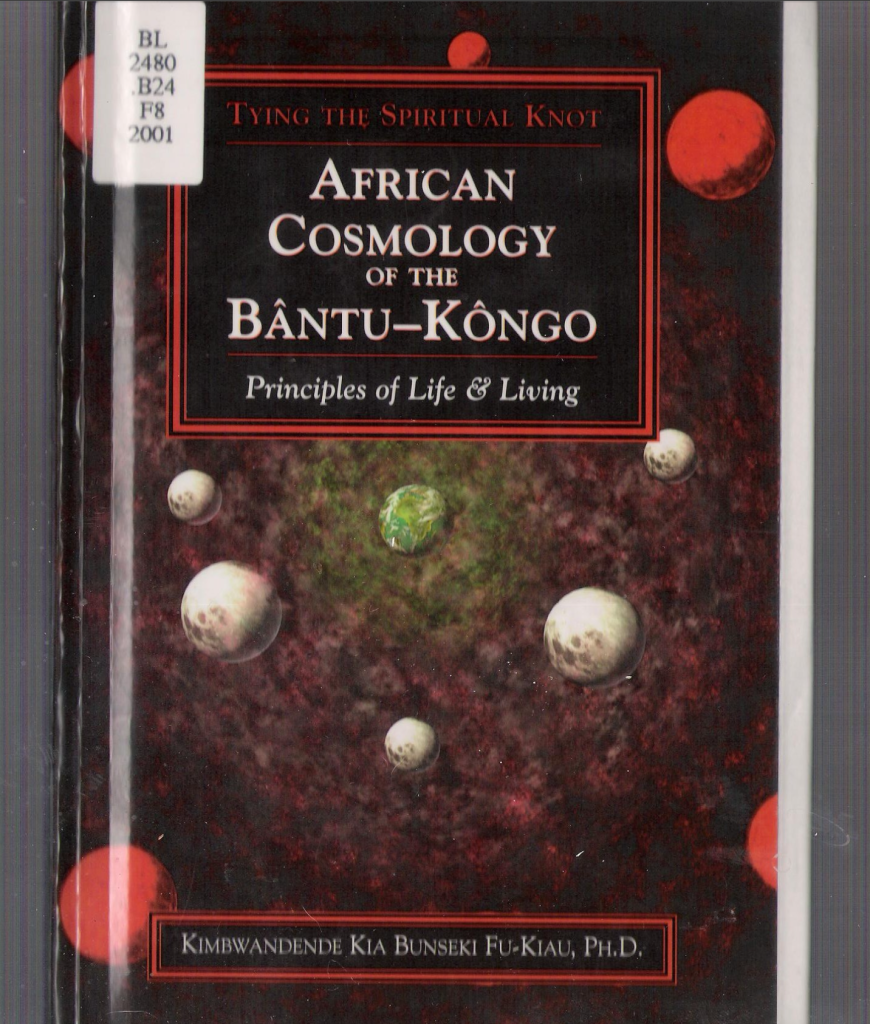
Chapter 2 – A spiritual Universe
‘The symbols that men use, masks, colours, numbers, names, and metaphors, all link up with the desired object; they are not dead symbols.’ pg26
‘The Material and the spiritual are intertwined, the former as a vehicle of the latter’ pg27
“The African sees these ritual observances as the supreme safeguard of the basic needs of his existence and of the basic relations that make up his social order…” pg27
Creating the spiritual universe of “Trumu Fetish” finds its footing in these two quotes. It is worth noting that this view is patriarchal, and I am searching for a transgender view and experience of African Spirituality. I aim to create rituals that safeguard the transgender experience and its spirituality-ladened body.
…the first musical instrument I remember touching was
[ the tabla in my uncle’s home ]

this pair of beating eyes, bringing life
the touch of taut skin
flitting
flatting
frequencies
skimming
skipping
sentences of sound
there is no more desperate path out
(of dislocation out)
than my divine desire to crop my fingers
fold them into pegs
to fling and to follow
to play play play
Un-tabla’d as I am, I dedicate my sound to learning about the music in me that already knows the rhythm of the tabla. This is the first section of Mark of My Departure. Speaking over the tabla loop here felt liberating. The image of the tabla is currently in my mind and everywhere around me all the time.
if you got the rhythm I can go with precision
i can flow with the feeling of the water
i can drop unexpected, drop like the t’s in the native speech it’s sorta
sorta slick with these thick lips flip syllables to spit am from L D N
but you can find me in the kiez by canal in the sun, in the rain, in the hail my friend
all praise due
all praise due
all praise due Allah
if i wanna manifest a blessing, my head be pressing the musallah
this language I hate it the colonisers tongue – not very fun
this language I love it, it’s the only one – well I guess that’s done
i can flow with the feeling of the water
cut through the border
what you gonna do with this bricks and mortar when the sea-levels rise
hoarder
that’s me though too much stuff
who come rough round the edges and bluffs
i can float in the cushioning clouds, pushing them bounds
kush and a crown
The tabla remains an image, a motif of dislocation for me. When I experience others playing it with such verve and knowledge I am transported. I find the rhythms intoxicating and the sounds to be full and complete in their expression.
As a vocalist, I hear a quiet challenge. Can I speak over these rhythms? Would it be an act of magical place-making? Magical relocating of the unrooted postcolonial body? Am I returning forward? Am I just traveling the planes of my Western privilege and taking without knowing?
These are specific folk rhythms with their own long histories of which I am coolly unaware. These sounds are not mine.
The tabla is the first musical instrument I have any memory of. Sitting in the corner of my aunties house. These sounds are also mine.
Should I simply let it sit in my ears and enjoy it as I do. That for now is the only certainty.
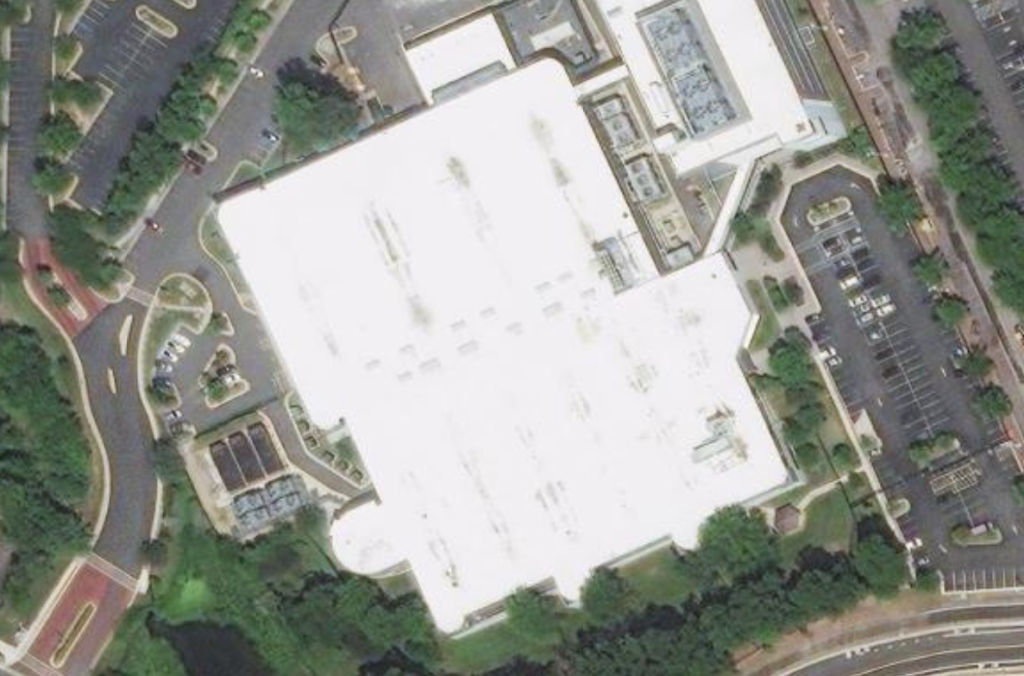
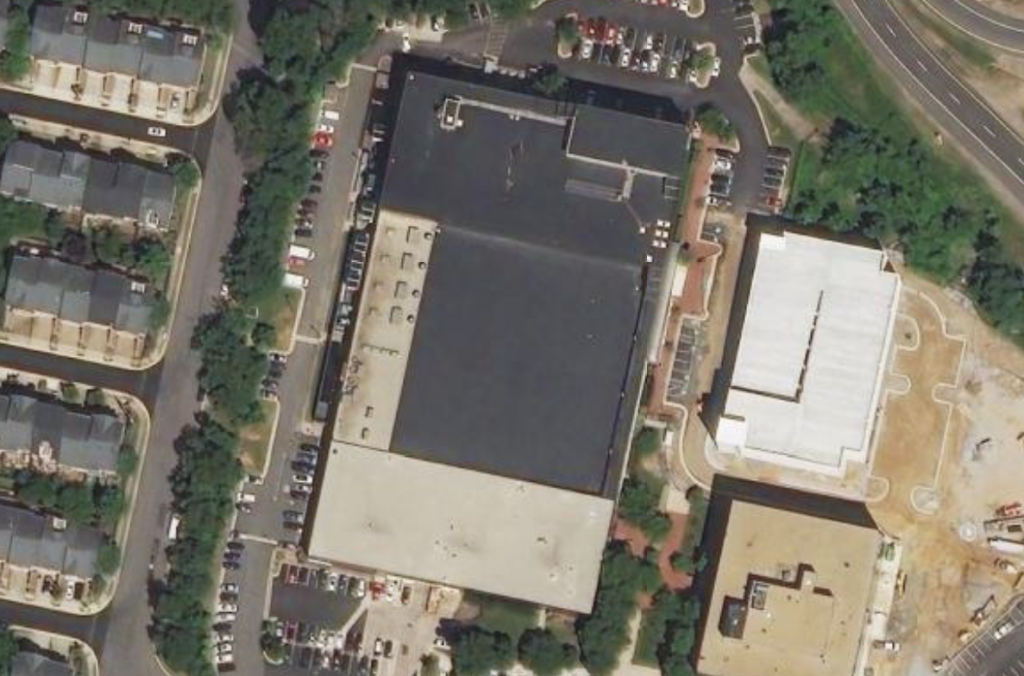
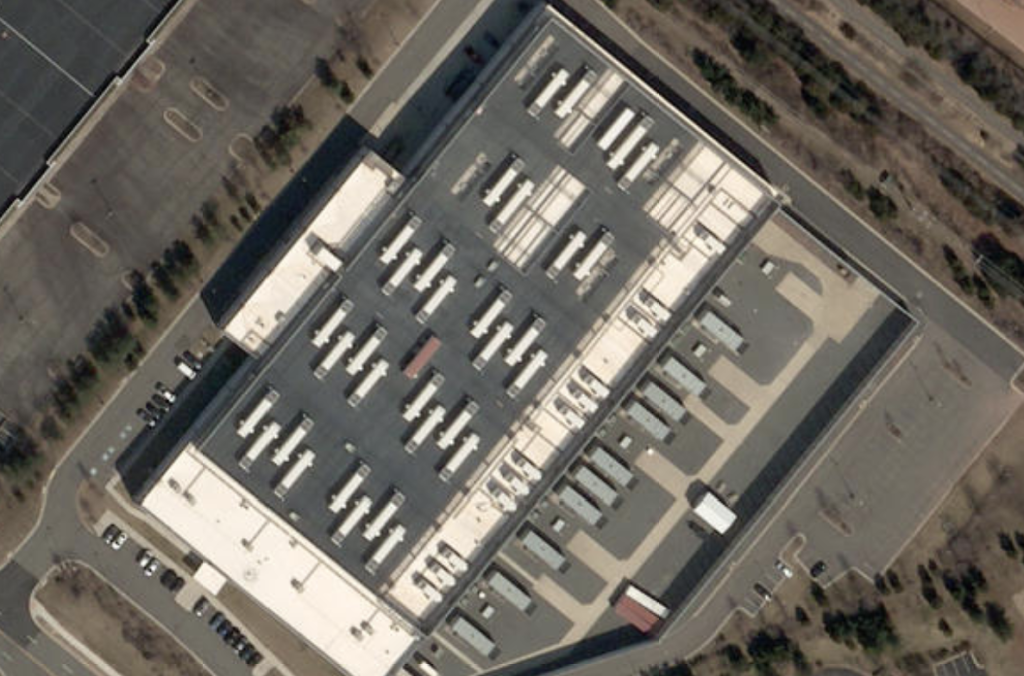
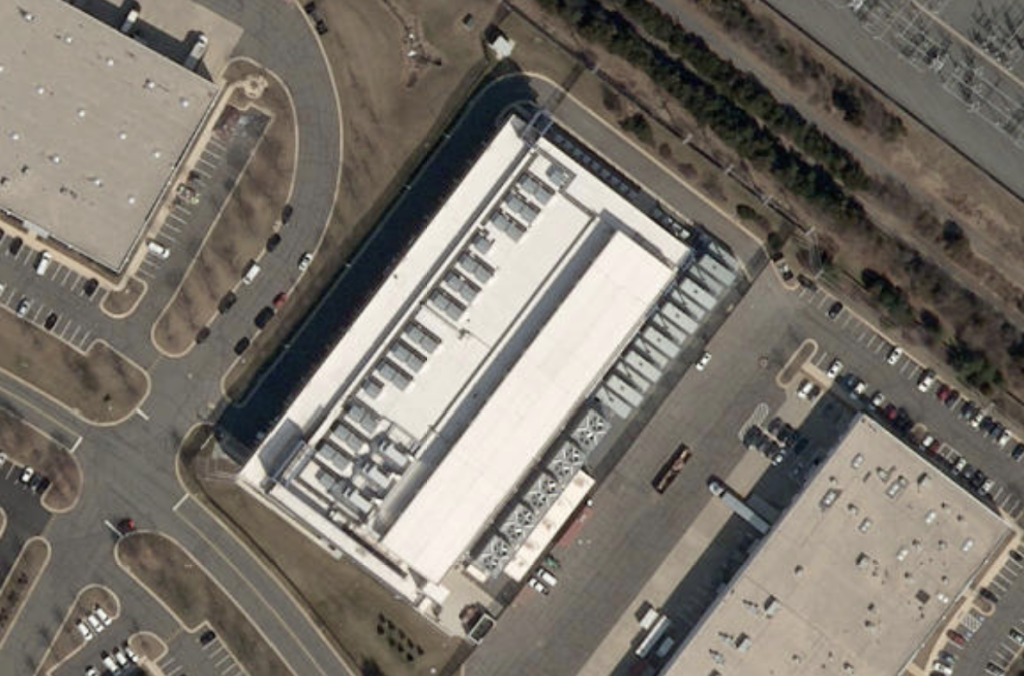
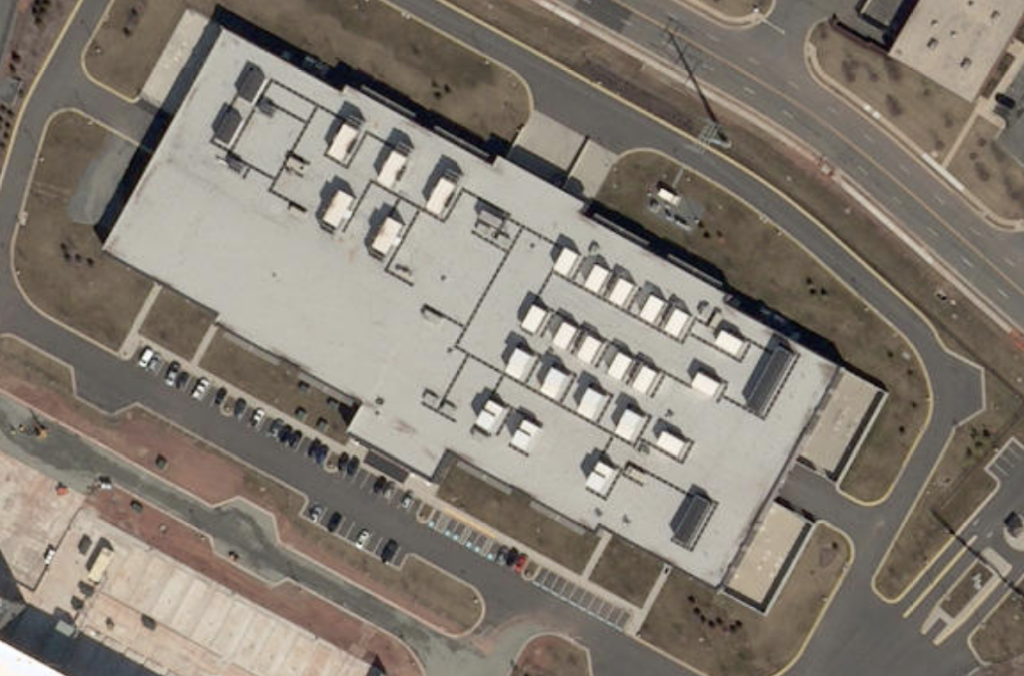
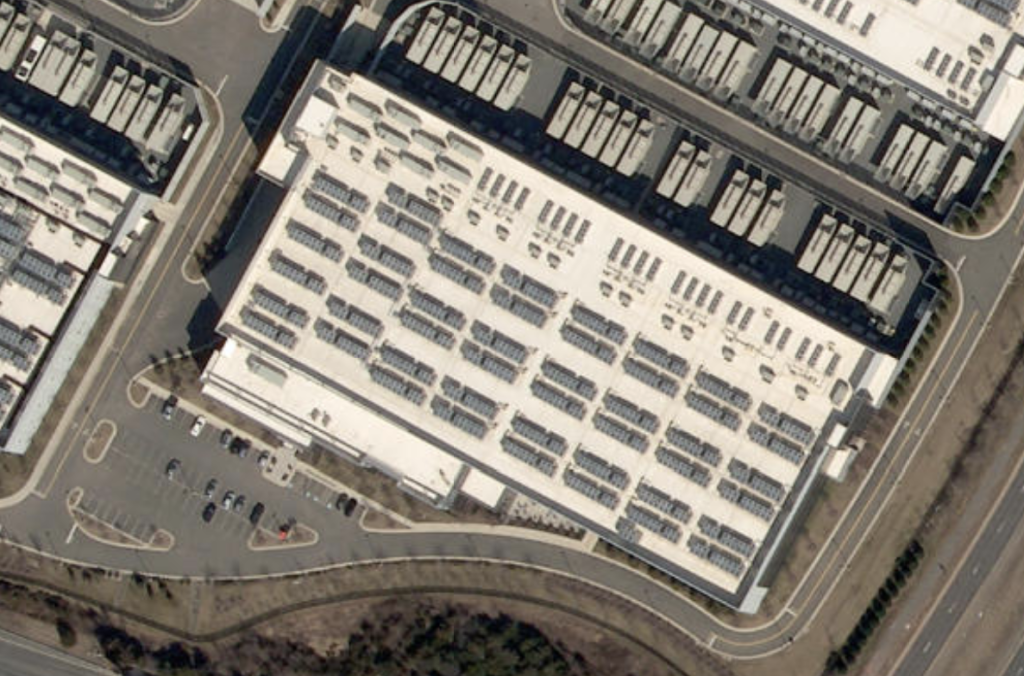
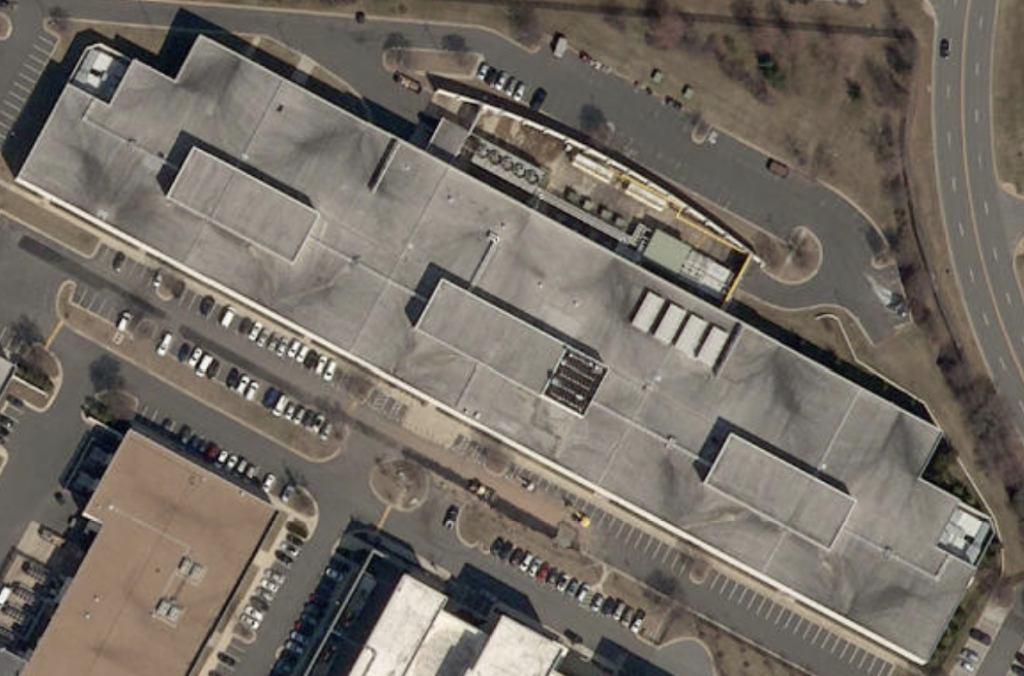
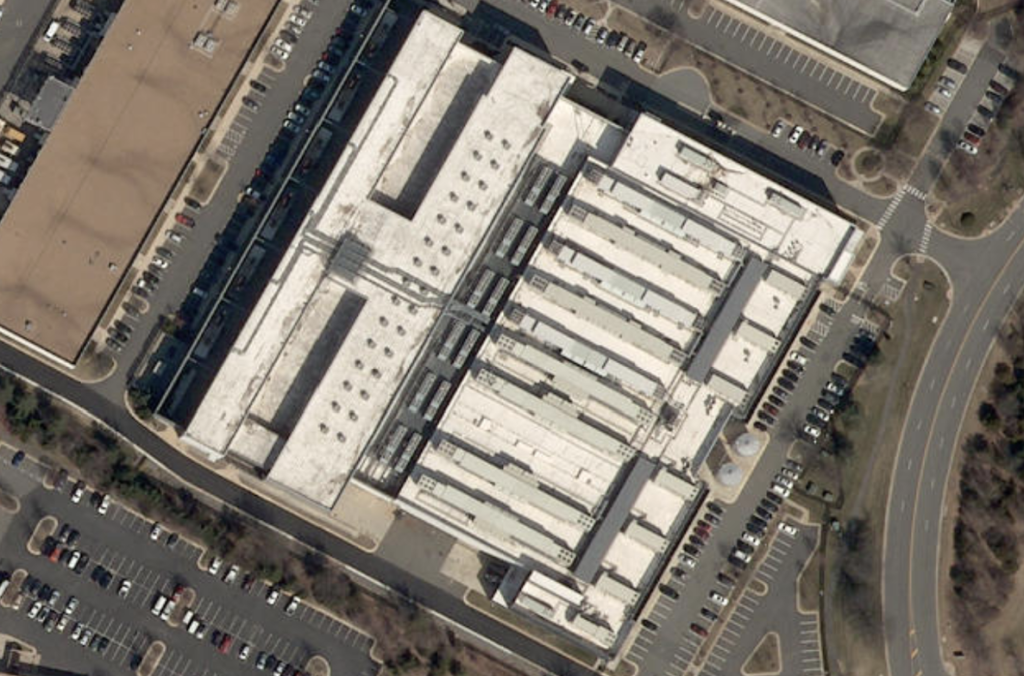
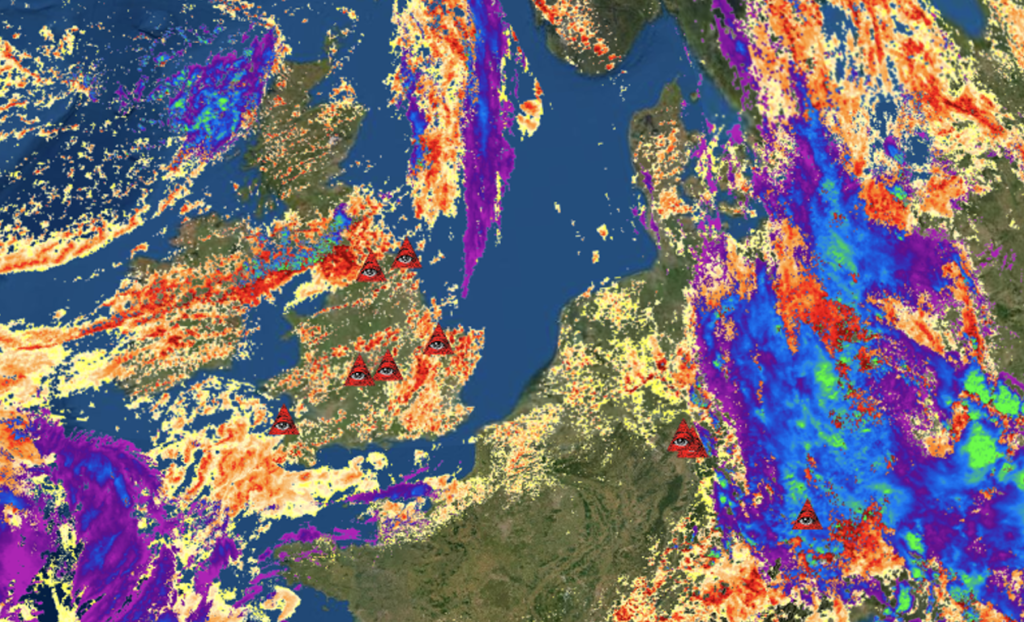
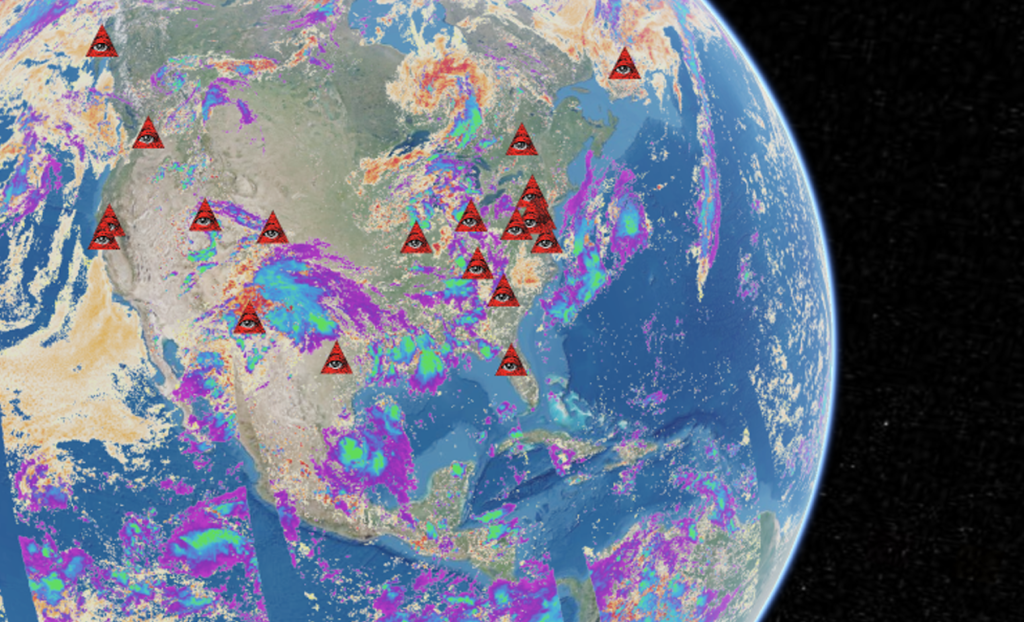
The Oko early warning satellite system was operated from an underground bunker in the military townlet of Serpukhov-15, near Kurilovo. This is where the command would be sent from to launch a retaliatory missile strike; deep underground, far from anything that is happening on the surface. The perception of events above ground are channelled through flows of data, radar, and computer signal processing.
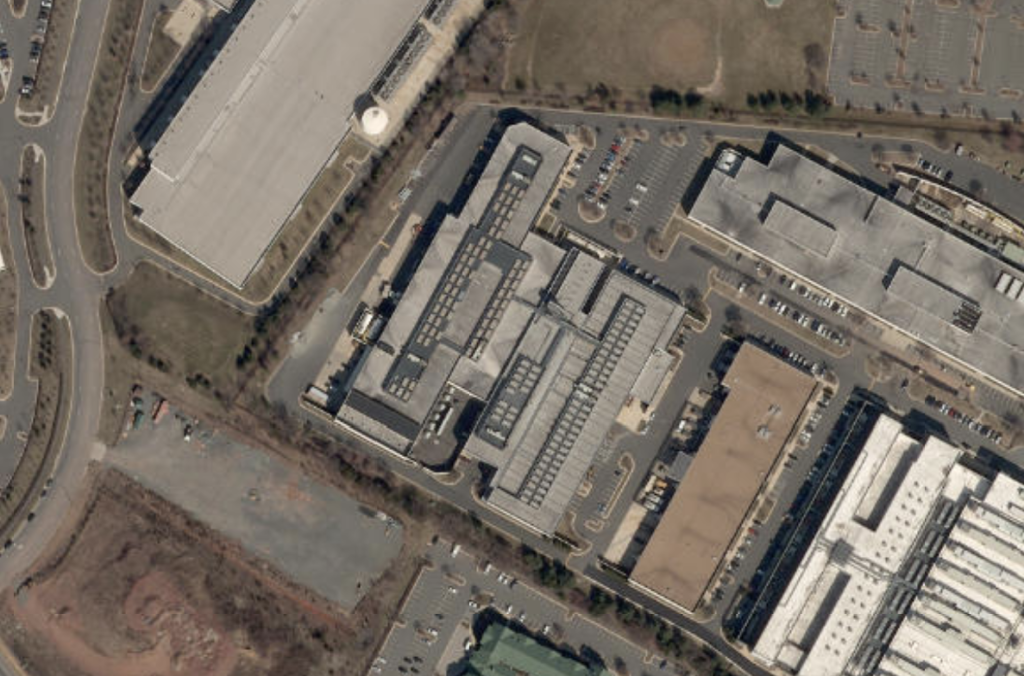
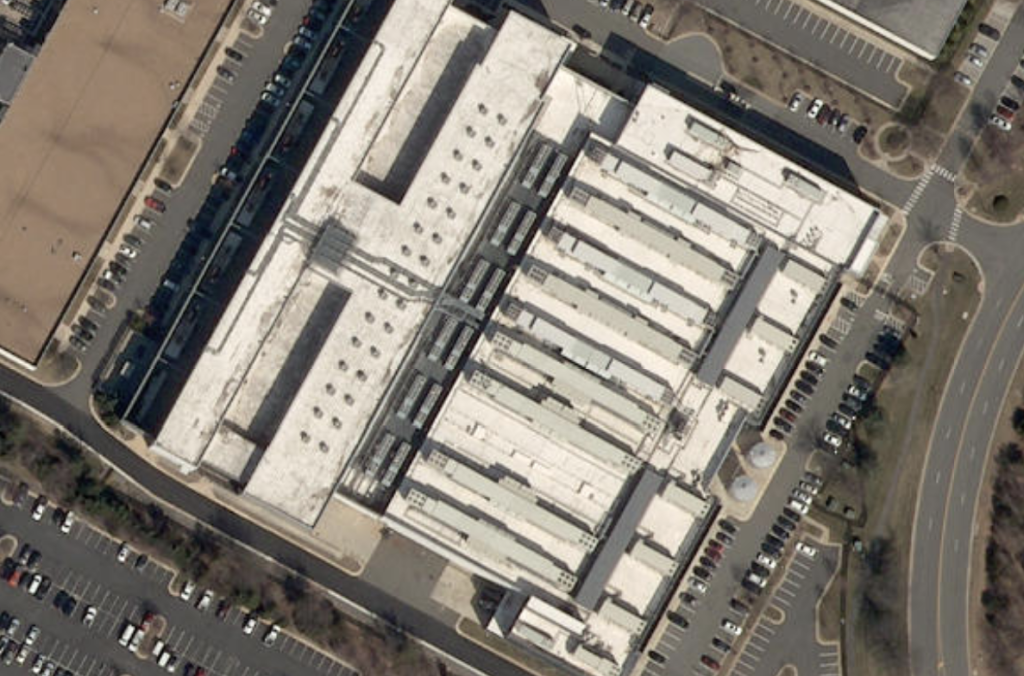
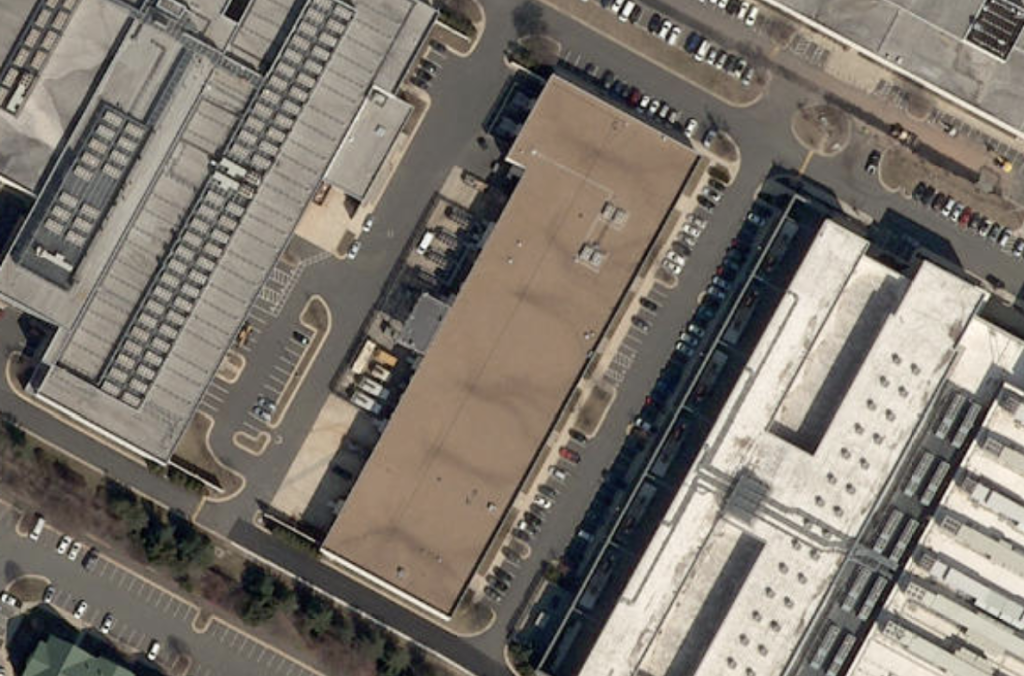
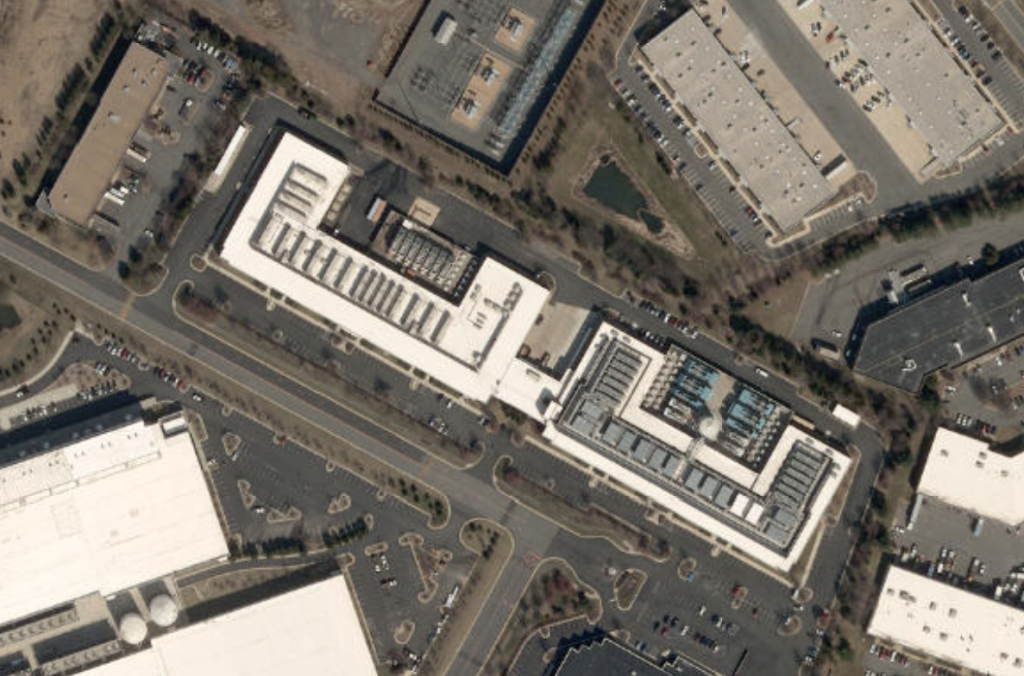
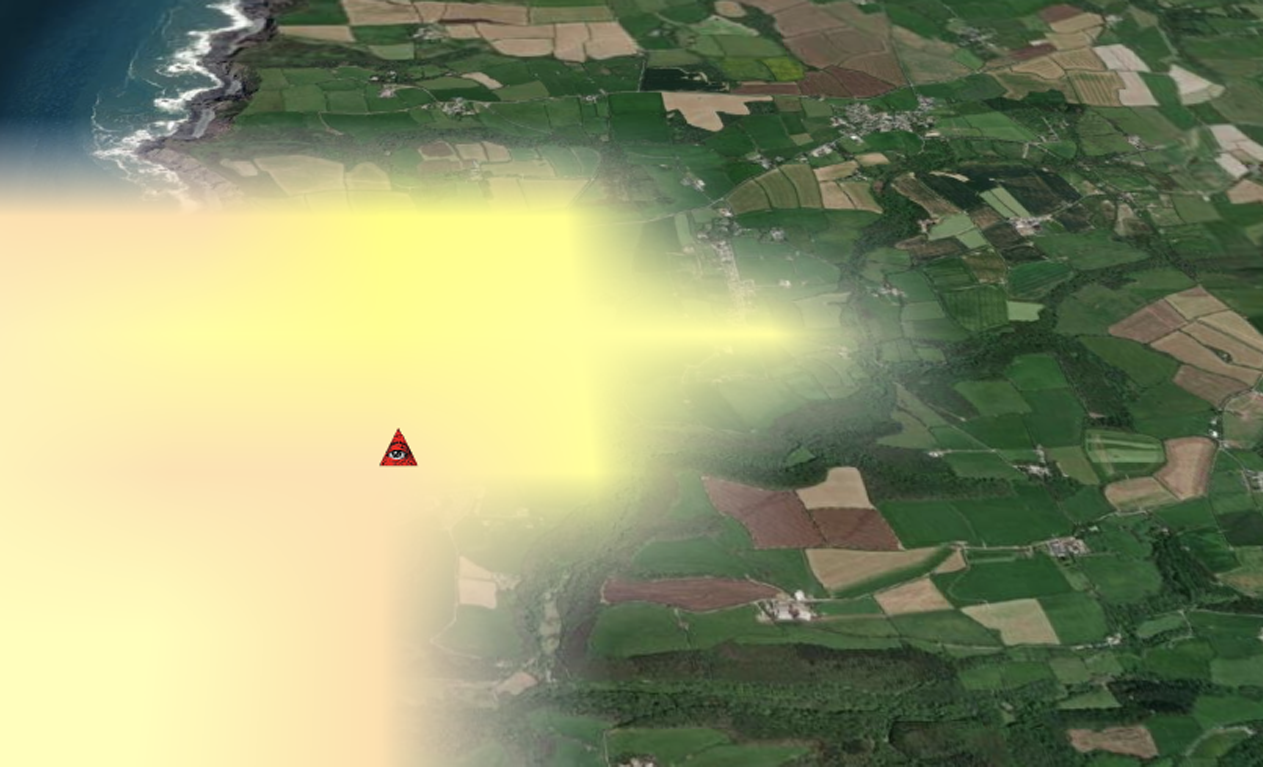
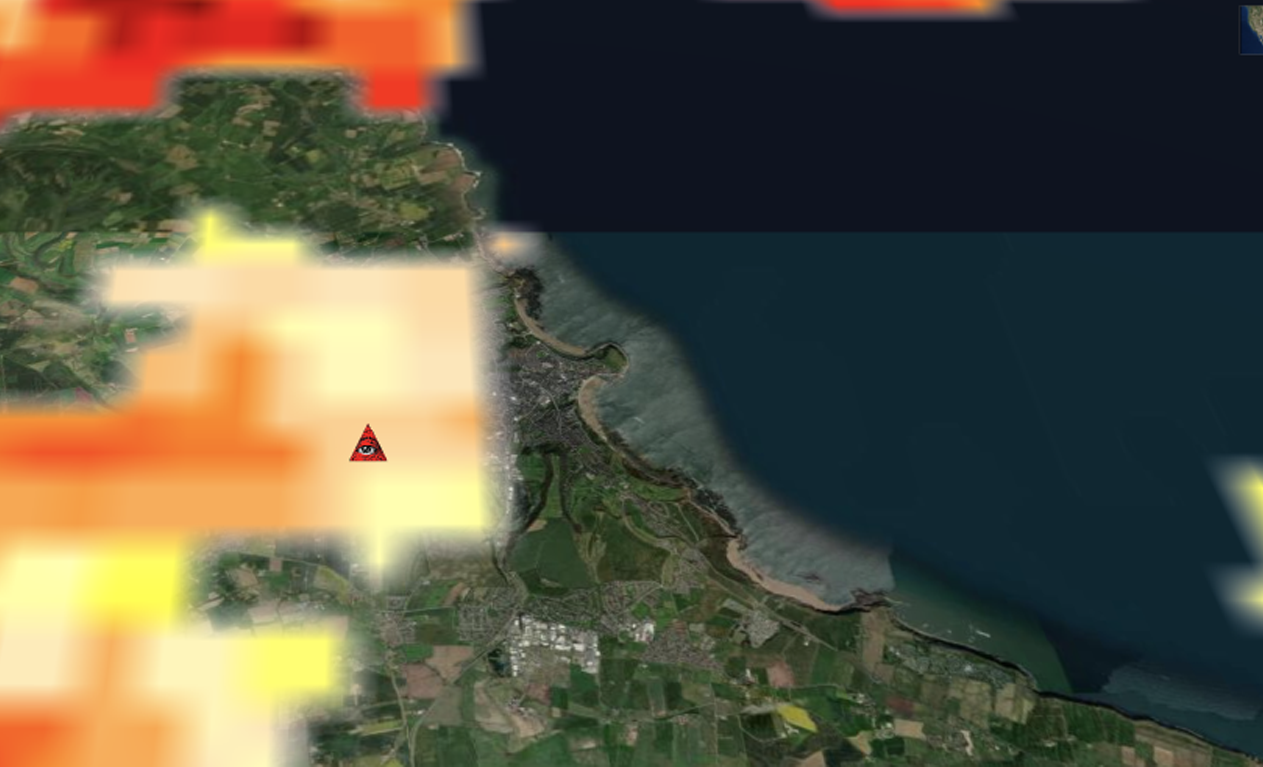
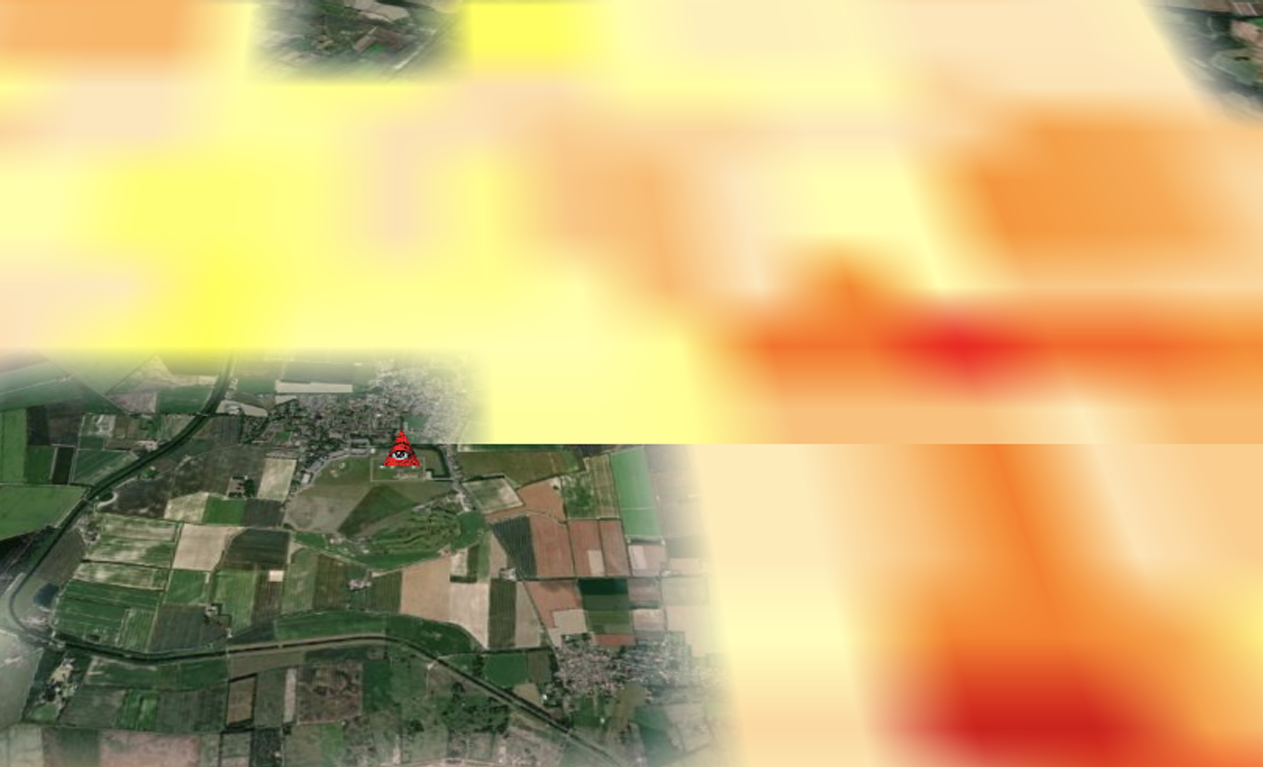
To begin my research, I decided to go for a walk, virtually, trying to get as close as possible to the bunker as I could. Obviously the exact location is not readily available but from geosatellite imagery, I spot a compound that features several huge white dome structures that suggest a site used for surveillance and listening via antennas.
My walk takes me through a woodland of what looks like mostly firs and birches on a beautifully sunny day with clear skies, or at least it was when Google cars were driving along these same roads surveying the scene. At the closest point to the compound, I find a gathering of cars, a few drivers are milling around – I wonder what they are doing here, what brings them to the outskirts of this military townlet?
As I’m moving/clicking forward, I’m thinking how such major decisions about world-changing events are made from places that are concealed and hidden from public view. I’m struck by what a contrast it makes; beneath this tranquil woodland lies a facility constructed to command the launch of deadly missiles.

“This Is My” is a meditation for the body. A meditation that clearly defines the limits and the boundaries. Understanding these limits creates a space for spiritual exploration and an openness to being a vessel. Trumu Fetish calls for a body that is open to channelling multidimensional forces. These forces lay out a body for transformation; transformative artwork for the sin of patriarchy and masculinity.

I’ve been gathering quotes from Petrov, possibly for an audio work or soundtrack for a video or installation. What I take away from his recollections are:
“I had all the data. If I had sent my report up the chain of command, nobody would have said a word against it.”
“The siren howled, but I just sat there for a few seconds, staring at the big, back-lit, red screen with the word ‘launch’ on it. A minute later the siren went off again. The second missile was launched. Then the third, and the fourth, and the fifth. Computers changed their alerts from ‘launch’ to ‘missile strike’.”
“The slightest false move can lead to colossal consequences. That hasn’t changed.”
“There was no rule about how long we were allowed to think before we reported a strike. But we knew that every second of procrastination took away valuable time; that the Soviet Union’s military and political leadership needed to be informed without delay.”
“All I had to do was to reach for the phone; to raise the direct line to our top commanders – but I couldn’t move. I felt like I was sitting on a hot frying pan.”
“My colleagues were all professional soldiers, they were taught to give and obey orders.”
“I thought the chances were 50-50 that the warnings were real. But I didn’t want to be the one responsible for starting a third world war.”
“Can you imagine? It was as though a child had been playing with a vanity mirror, throwing around the sun’s reflection. And by chance that blinding light landed right in the centre of the system’s eye.”
These quotes were from his interview with Time magazine and BBC reportage.