Accessing this site
 Display settings
 Artist login

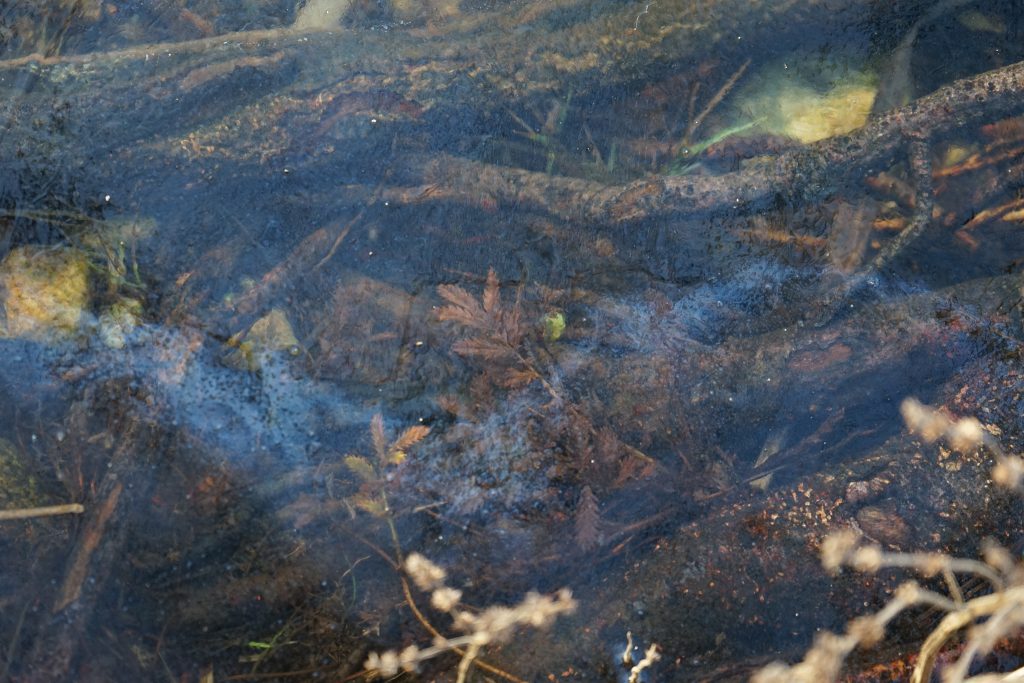
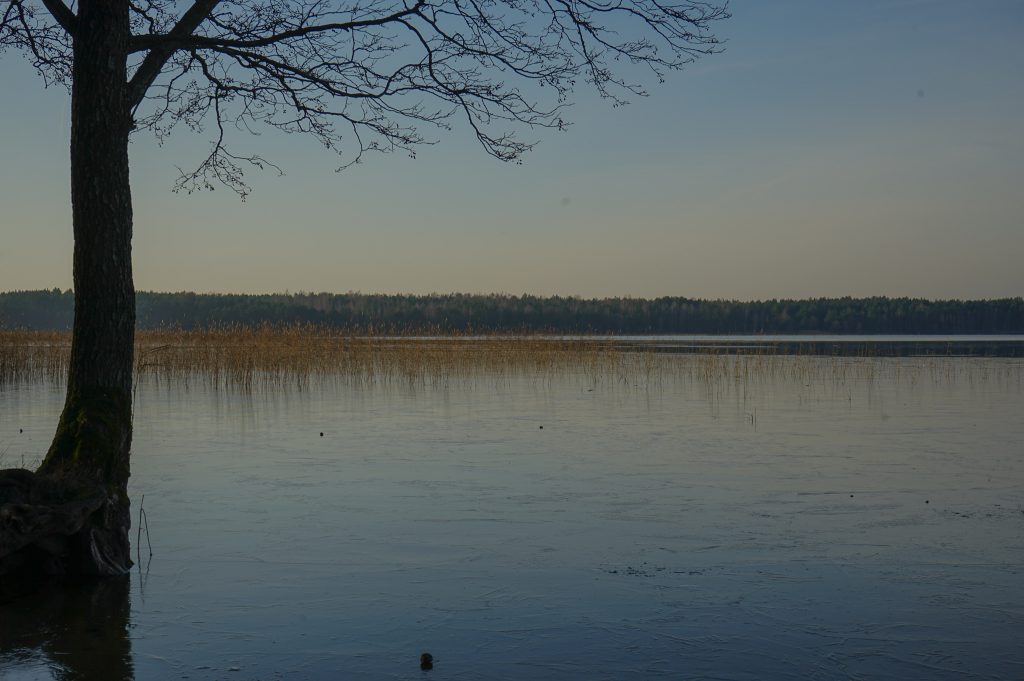
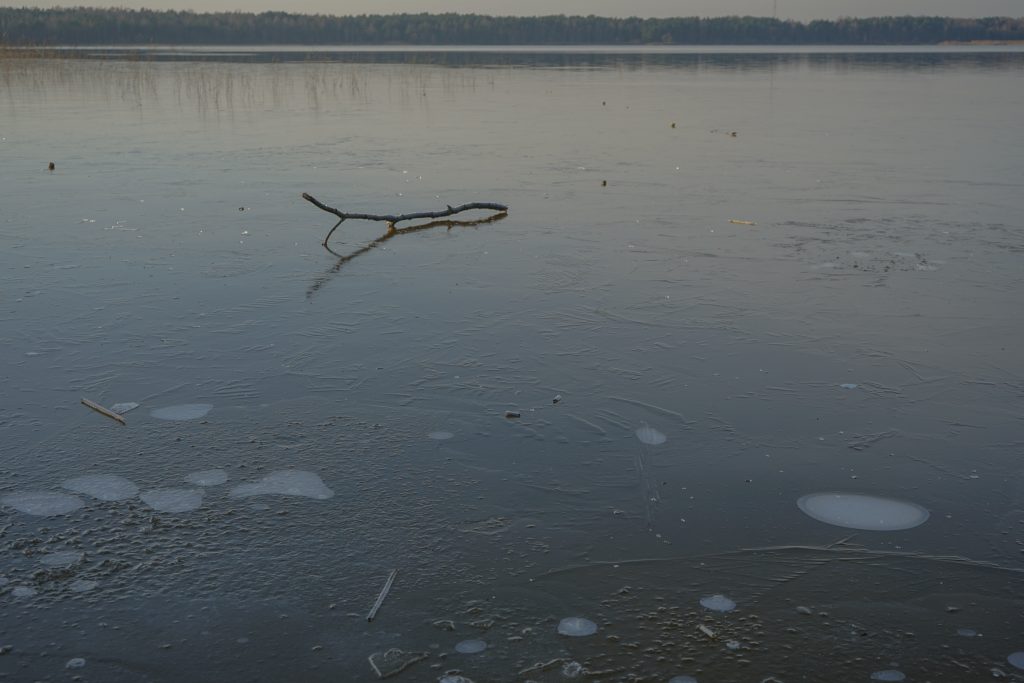
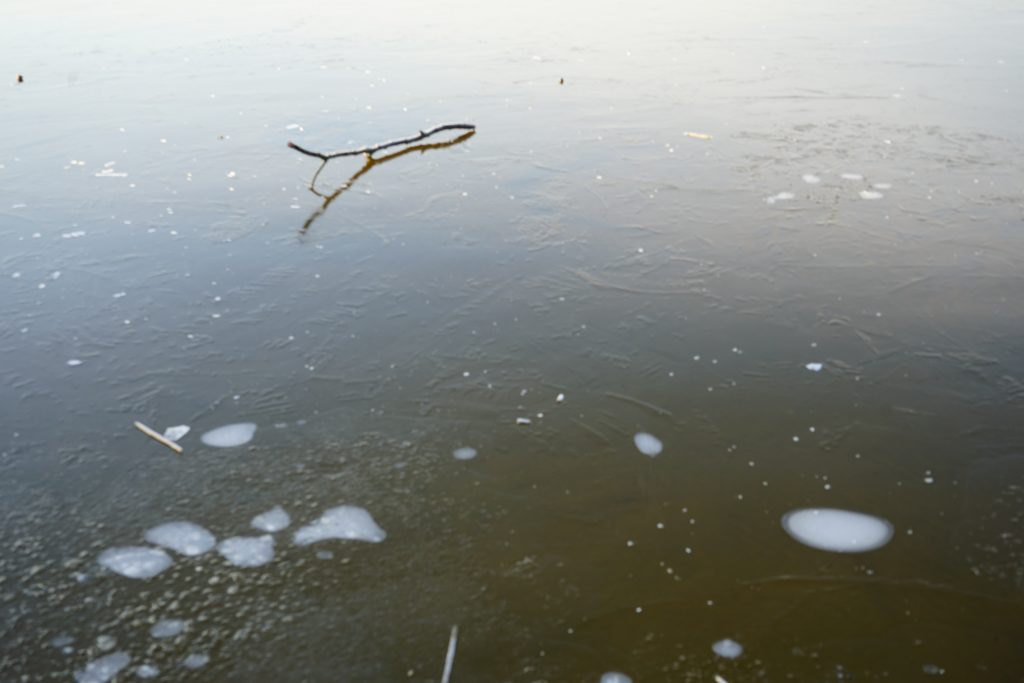
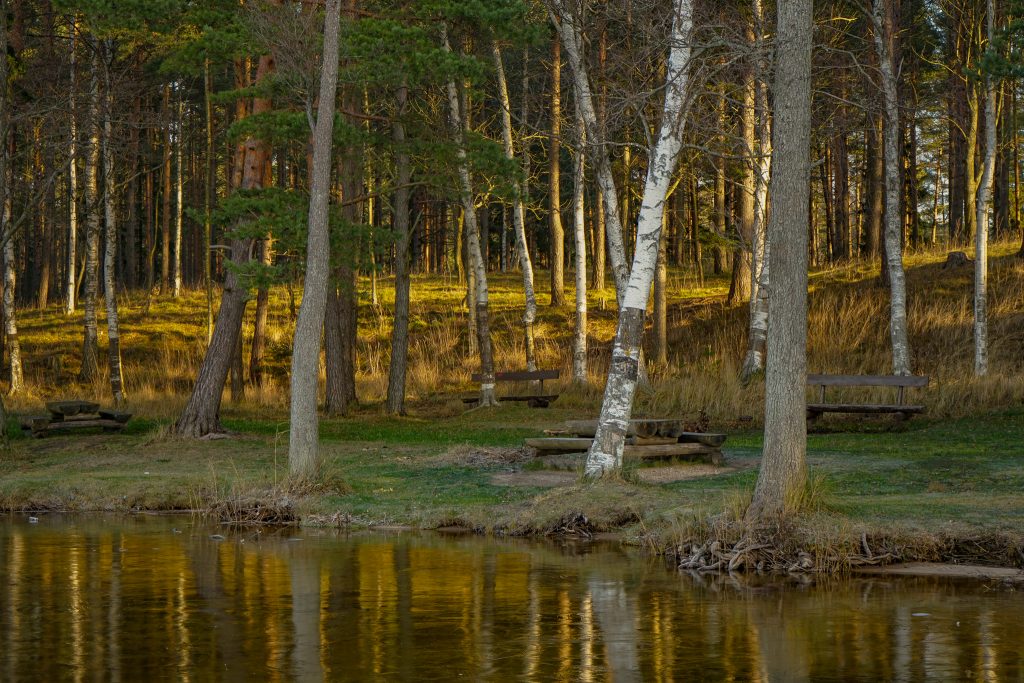
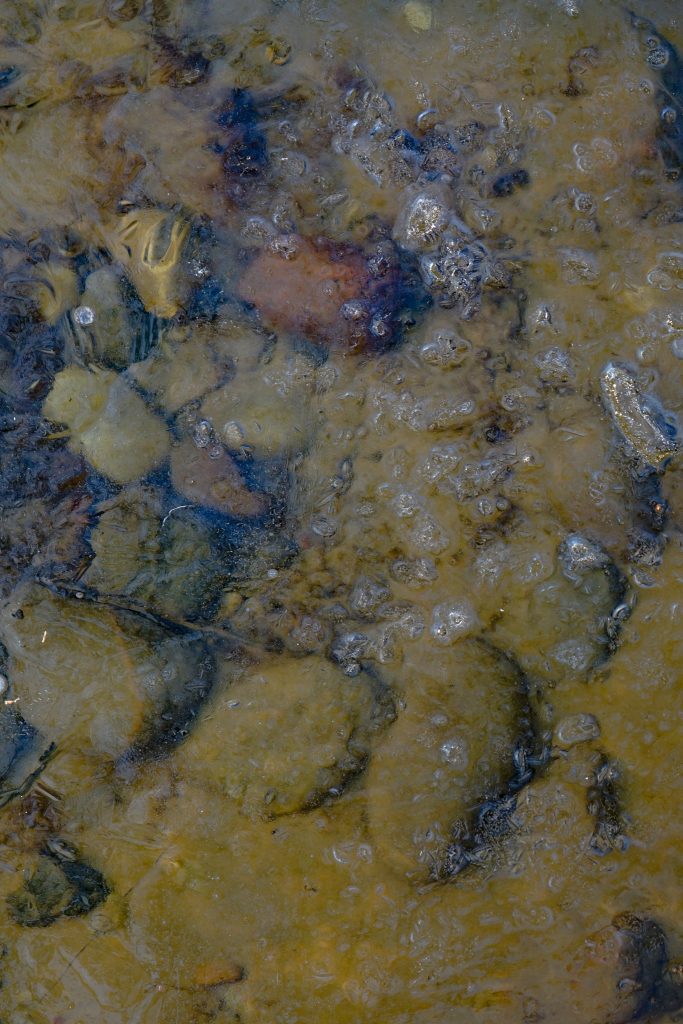
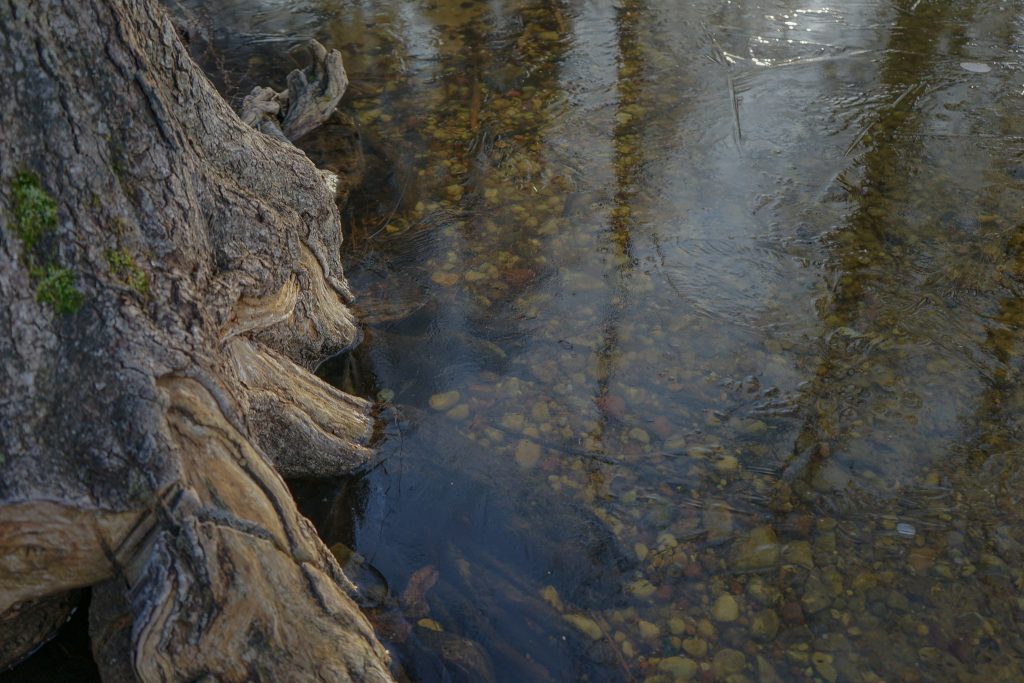
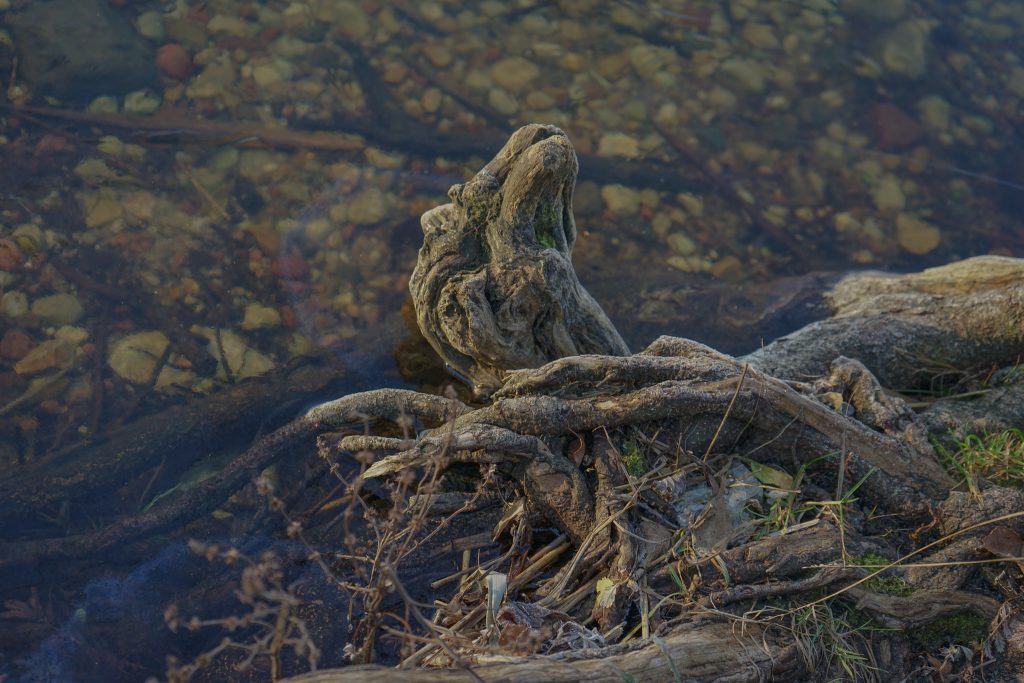
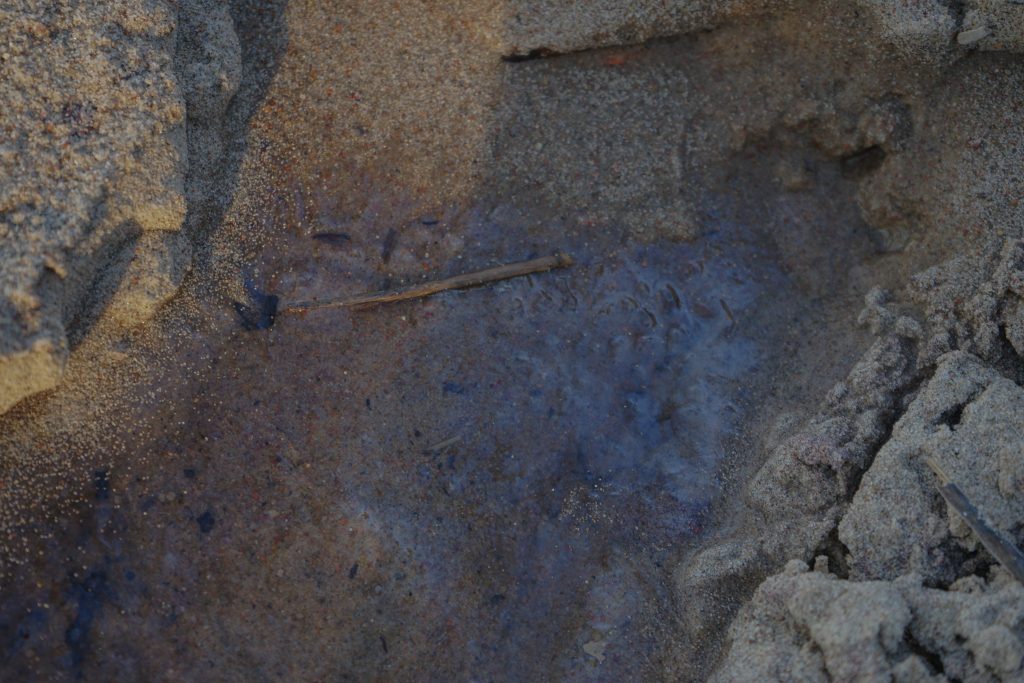
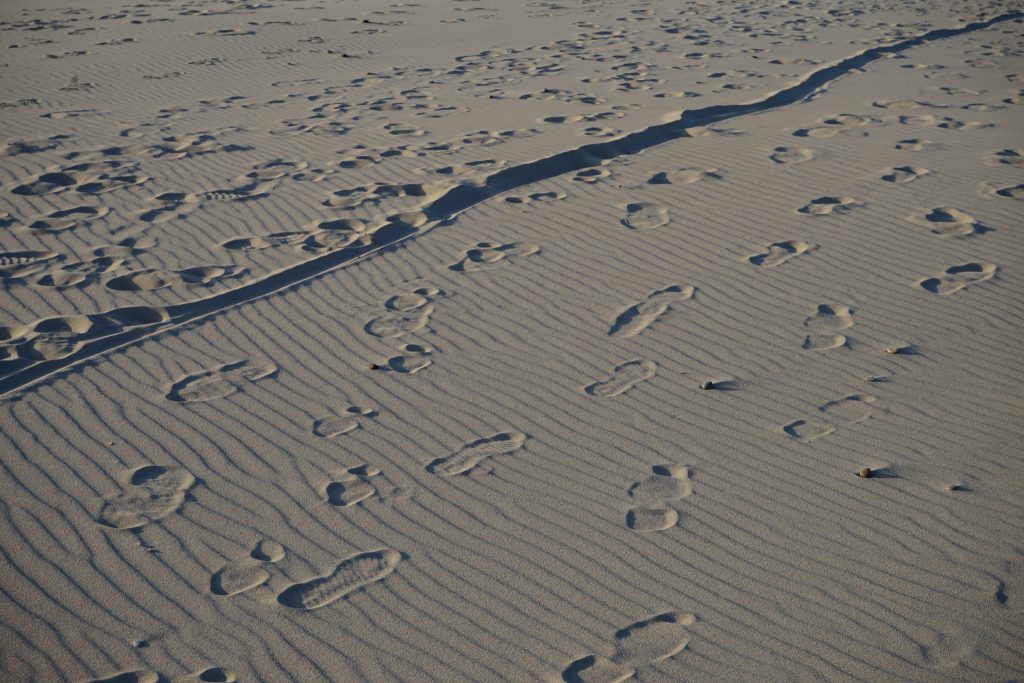
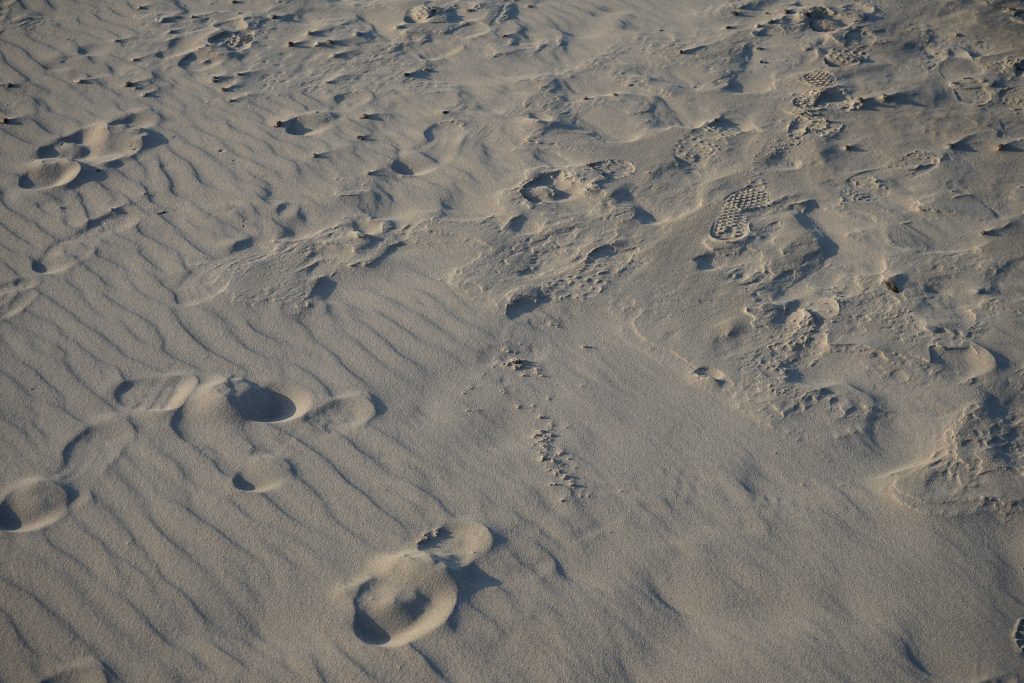
The initial plan for my residency was to go through video footage, images and writing pieces that I accumulated since the last time I made a film.
Finding these images I’m sharing today immediately changed the tone of what I needed to say.
I don’t feel like I can do the “welcome to my blog” thing for this; it’s too abstract, too sad, too intimate. So I recorded audio instead of writing the image description, and there is a transcript for it below too.
Transcript:
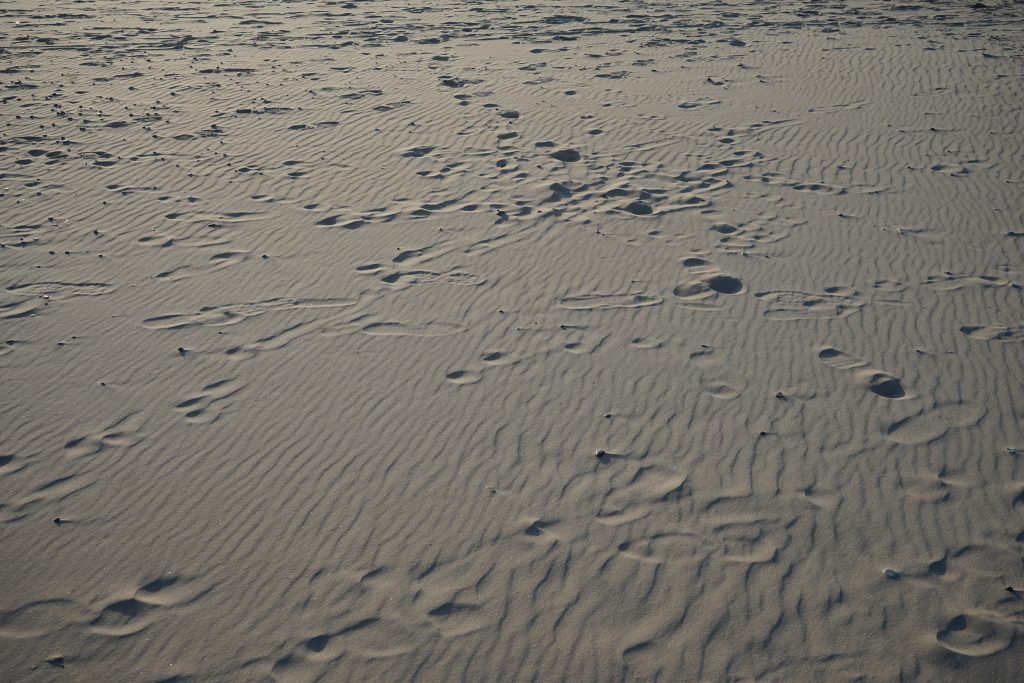
Hi. So I want to talk about these images that I’m posting. I selected them in… I selected them on Tuesday and then was at a loss, I didn’t know what to write, what image description to write… that is not boring. What kind of context to give to it, or what introduction to give to it. Because these photos are the photos I took in November 2019 in Ventspils, Latvia, where my grandparents live, and that was the last time that I visited them – I was a complete emotional mess. And none of the words seemed right, so I’m recording this audio now. So those of you who are just here for matter of fact description, let me do it first. There are three photographs. They are in landscape orientation mode and, and these images show sand. Just sand, what else can I say, but very particular sand, obviously, it’s the Baltic Sea beach. The sand is very light in colour, almost off-white. You… The image shows this interesting pattern on the surface, it shows thin kind of lines created by the wind: very long, thin, wobbly lines quite close to each other. And then it shows footsteps in the sand like sole imprints, that are more rough. Like while the pattern created by the wind is very gentle, as if you know the sand was stroked in this gentle way. The imprints, the sole imprints are obviously like more rough and deeper. There are also like little pebbles of different colours kind of scattered around the images. They’re mostly medium shot. One of them is kind of like a long, longer shot. One is more of a close up, and it maybe makes me think a teeny tiny bit of the surface of the moon. You know that patchy quality of it. But yeah, when I saw this image, the thing that came to my mind was, Oh my God, this is kind of my DNA like the DNA of my perception of the world, the DNA of my perception of beauty, my understanding of what home feels like. It is a very quintessential element of growing up by the sea in that particular place. And also, it’s quite stunning in maybe a quiet, more reserved way. But that’s me talking about the place itself, not necessarily about what these photographs would convey to other people.
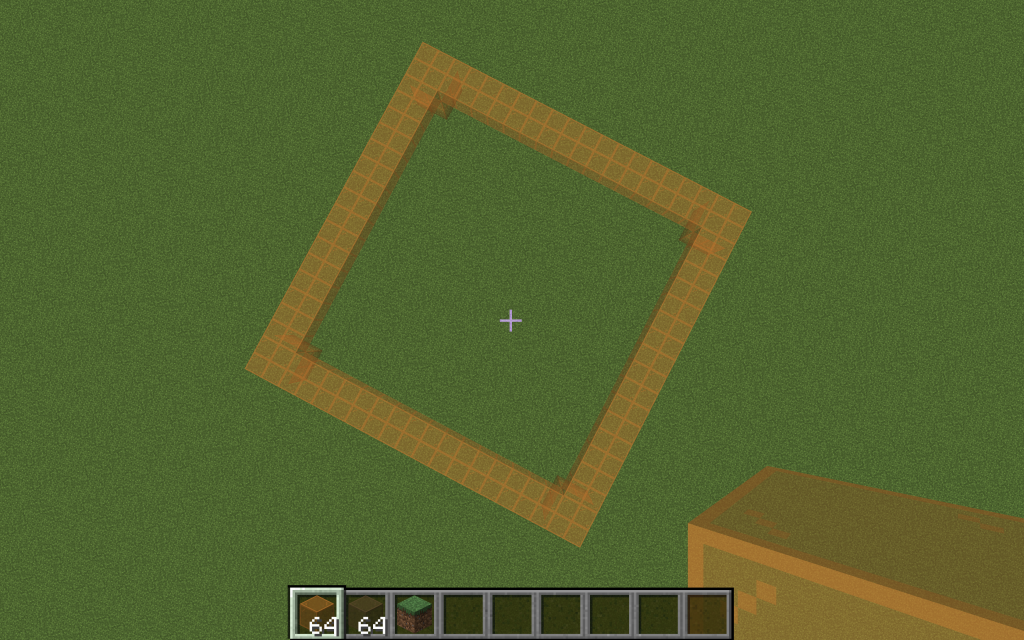
Being sick with COVID kinda ended up being the perfect time to explore the thing I’m doing for Videotage – having a go at creating an intervention for their Leave Your Body realm in Minecraft.
I’ve been struggling with falling asleep for more than a year, and whenever I get sick I secretly hope that falling asleep will become easy at least for a while – it never does. So feeling poorly, unable to sleep and very bored, I tried my first build.
I never played Minecraft before, it took me a couple of tries and a couple of random YouTube tutorials to get the hang of the most basic things.
The game was fun and quite calming, it required the perfect level of engagement and effort for somebody lying sick in bed. I loved doing a bit of math to figure out the scale of what I wanted to do, and then thoroughly enjoyed the repetition of placing a block after block next to each other. it drew me in. Tiny repetitive tasks can be a source of calm to neurodivergent bodies.
I don’t know if Videotage had things like disability and dissociation in mind when they named the project Leave Your Body, but being disabled, we get a lot of reasons to want to leave our bodies so it all really connects for me.
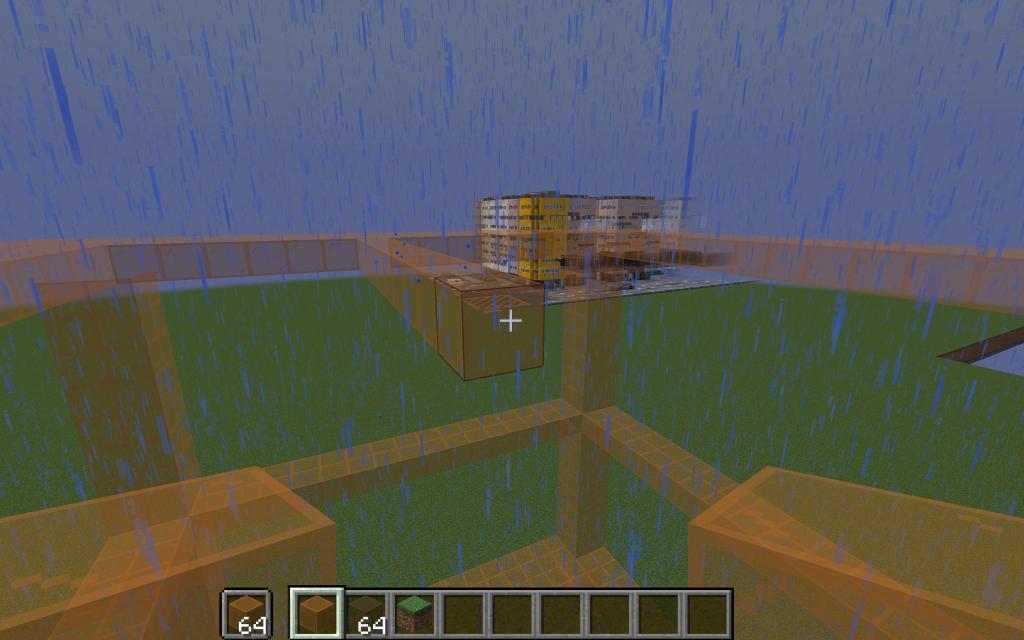
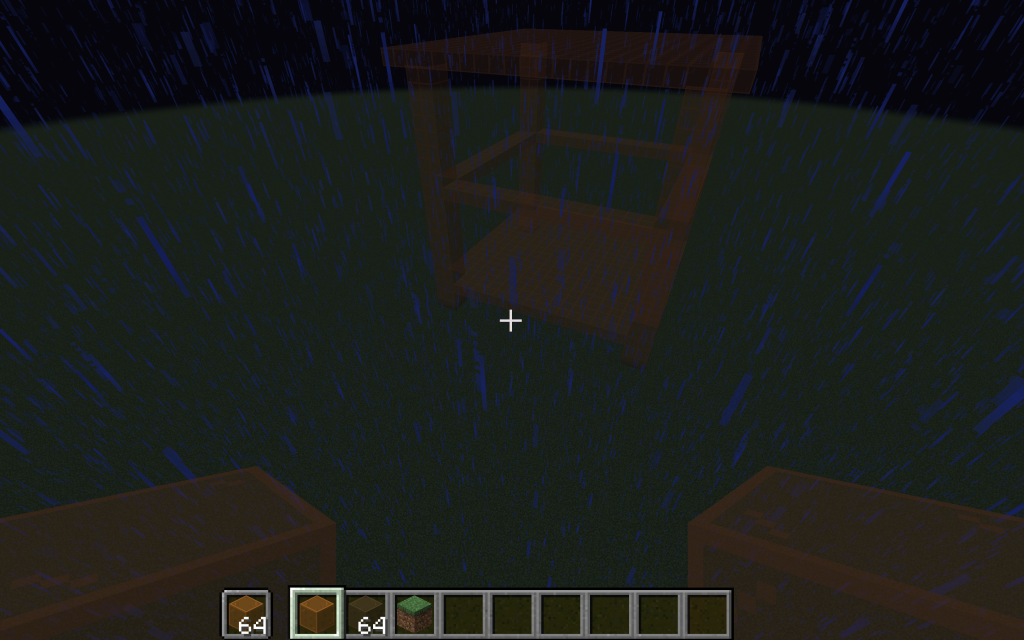
I decided to recreate my bedside table but massive like a tall building. The bedside table was nearby, quite pleasant in shape, basically contained my life in it, and maybe by now, it is an established subject matter in Disability Arts iconography?
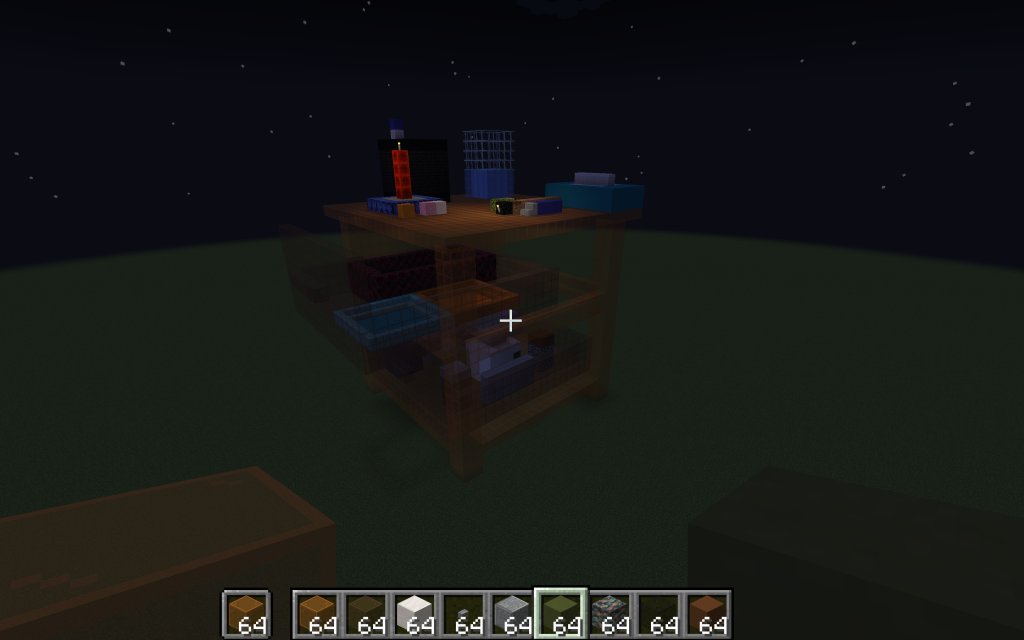
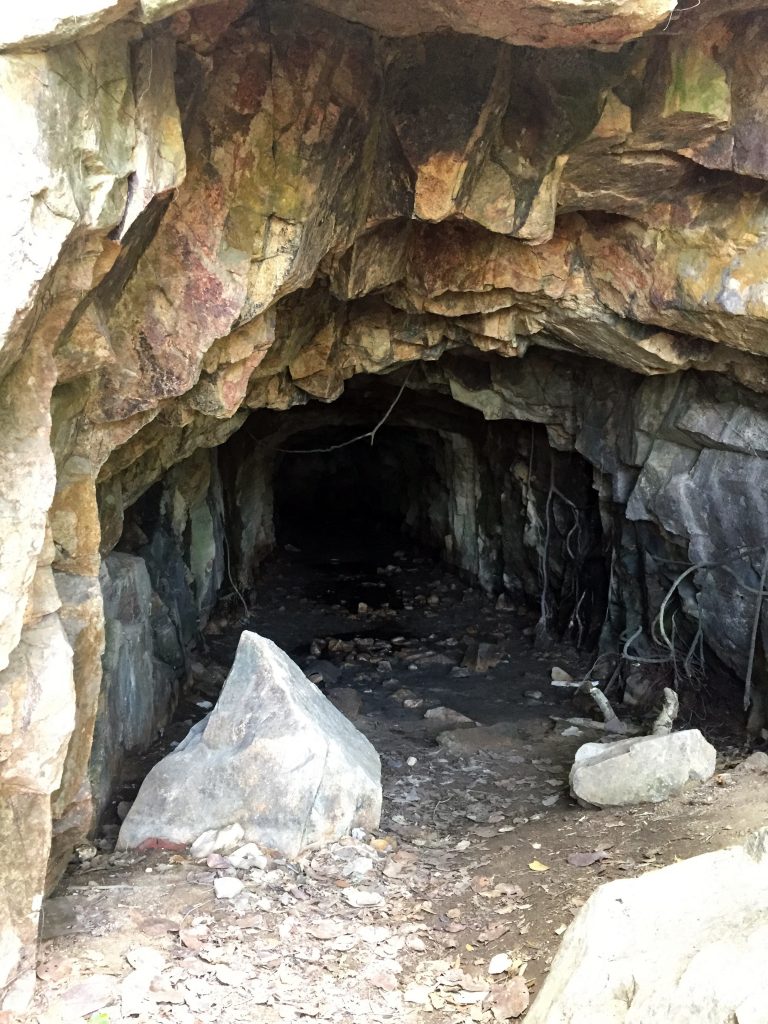
As with the current semi-lock down in Hong Kong, just as in most other lock downs, people develop an inexplicable bubbling primal urge for greenery and sunlight. So this last weekend my partner and I took our poodle to do a short hike on Hong Kong’s outlying Lamma Island.
Although I had seen it before, I somehow completely forgot about this sizeable man-made hole in the hillside along the hiking route, that dated back to the Japanese occupation (1941 – 1945). It is said that this cave was used to hide boats ladened with explosives that would have been launched into unsuspecting enemy ships. There is a small stainless steel plaque near the cave describing it as a “kamikaze grotto” along with some information. However, I have found some speculation on if the caves were ever in use or if the boats and their operators were intended to be sacrificial.
In thinking about the city’s relationship with the subterranean this instance is unique in that it supports a larger historical narrative and also takes on the significance of a landmark. What is essentially an empty hole, contains within it so much thick tension through the power of absence. Somehow it manages to be a very “heavy hole”
To assist in thinking about this I found this quote from Underland: A Deep Time Journey by Robert Macfarlane:
“We all carry trace fossils within us – the marks that the dead and the missed leave behind. Handwriting on an envelope; the wear on a wooden step left by footfall; the memory of a familiar gesture by someone gone, repeated so often it has worn its own groove in both air and mind: these are trace fossils too. Sometimes, in fact, all that is left behind by loss is trace – and sometimes empty volume can be easier to hold in the heart than presence itself.”
Transcript::::
Hello,
My name is Andrew Luk and i am a Hong Kong based sculptor and installation artist. My work primarily begins with historical research and by tracing connections I look for ideological underpinnings and their expressions. Its a process that can be multidisciplinary and sometimes leads into unknown territory. Themes that arise in the practice are entanglements between the natural and The man-made, preservation vs. entropy, historical narratives and science fiction narratives.
I am interested in irregular fragmented connections, things that don’t quite make sense. Art is the discipline of creative exploration, its a process, that leads to different perceptions or a better well – rounded comprehension. My work is not a form of self expression, but as a process of searching, learning and sharing.
Thank you.
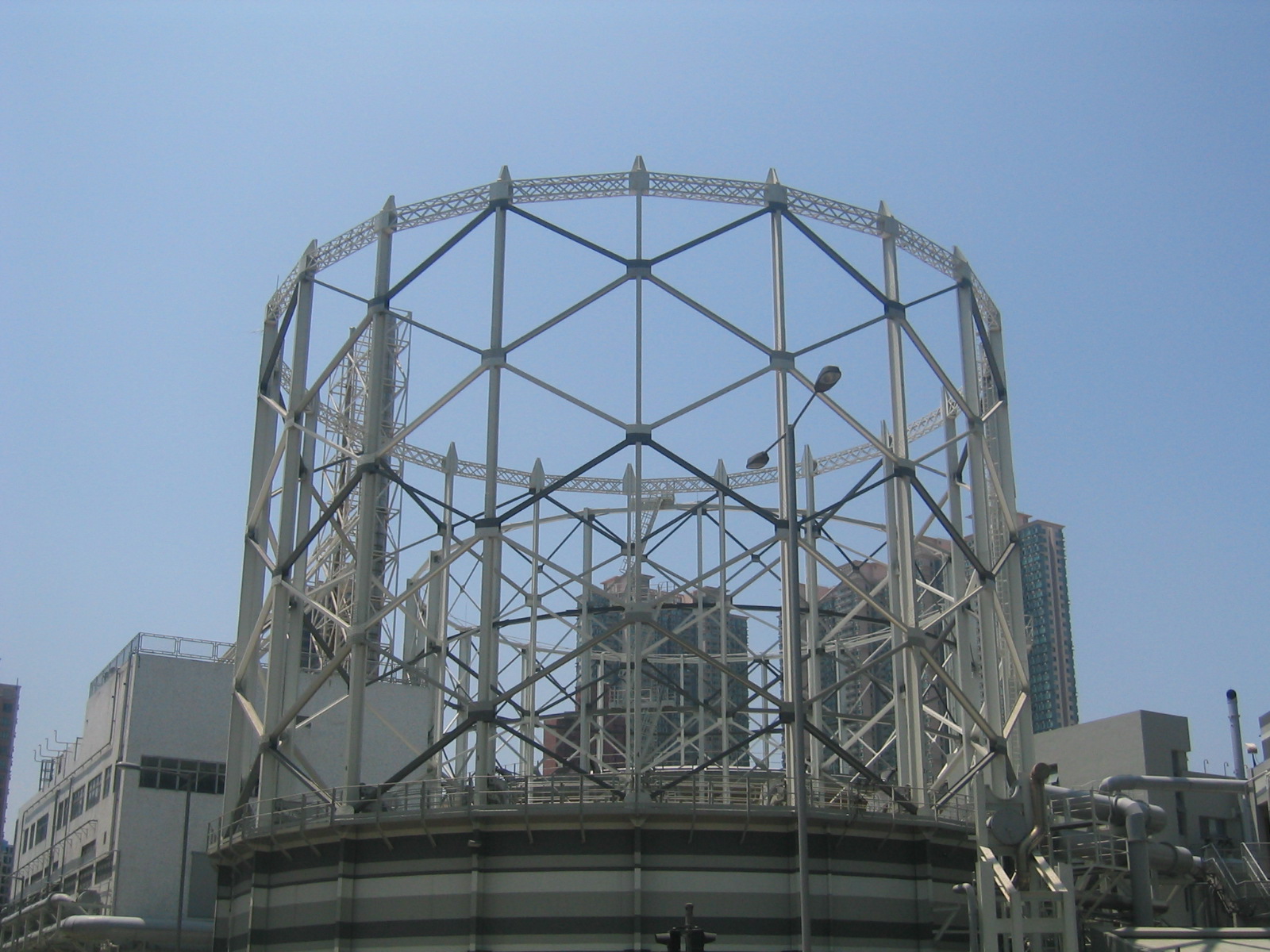
In my research for the Leave Your Body residency, I have been looking at Videotage’s quickly gentrifying neighborhood of To Kwa Wan*. As is usually the case with my practice, underlying historical narratives and connections that are not immediately apparent take precedence. The photo below is of the Towngas Ma Tau Kok Control Centre, located directly next door to the Cattle Depot Artist Village where Videotage resides.
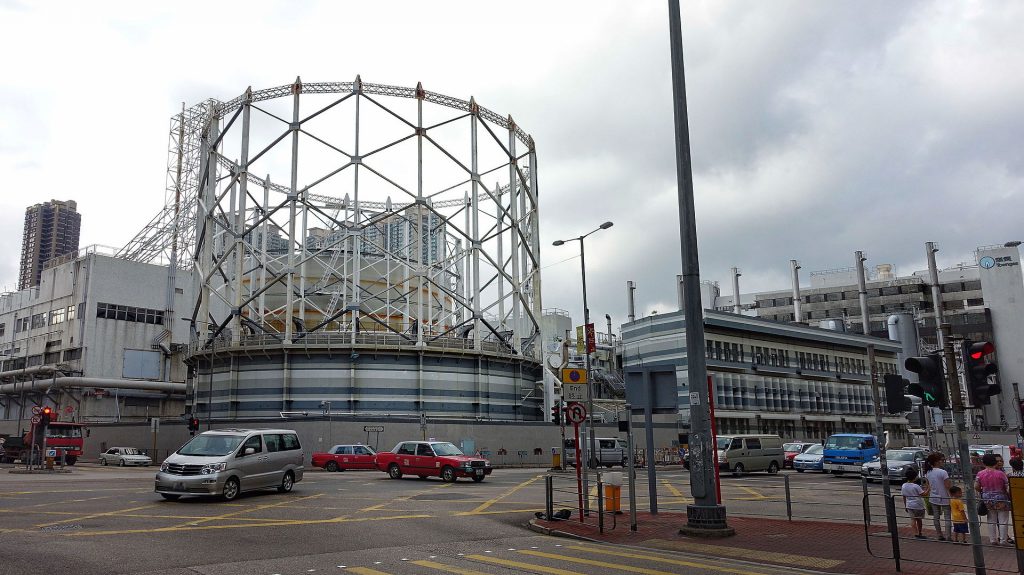
Gasometers are large cylindrical metal tanks built as storage silos for gas for use as fuel.
There are several different types of gasometers. The type of gasometer with scaffolding, like the one at the Ma Tau Kok Control Centre, are predominantly located underground and would telescope up above ground as pressure from stored gas increased and subside as pressure decreased, storing and releasing gas through the day like a massive lung**. However, the use of gasometers has become obsolete in recent times as gas storage is largely done underground in high-pressure pipelines. As our age aligns development with green-washing, immunization, and escapism, the burying or obscuring of unseemly or obsolete systems is an ongoing process worth investigating.
*To be fair, one of the top three of Hong Kong’s pollutants is a result of its use of concrete, so most of the city is under an incessant pace of development and gentrification, which makes pointing out and finding methods of preserving historical landmarks all the more crucial.
**Thinking of the city as an organic machine, composed of its inhabitants and the infrastructure that meets their needs is a biomorphic analogy that runs throughout my practice.
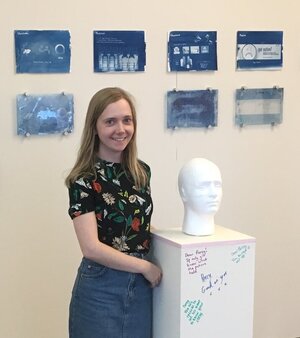
Hello, I am Jess Starns and here is a bit about my studio. My creative process is participatory, collaborative, and inclusive with a focus on social history (mostly Brighton’s history), disability and neurodiversity. It is also multidisciplinary, with materials and approach informed by the theme of the project. I am always interested in learning about new tools to create art that I find accessible and can use to collaborate with others. I like creating art with others that doesn’t feel like you are creating art.
I studied the Inclusive Arts Practice MA at the University of Brighton and this has had a big impact on my practice. Some of my biggest influencers are the Hove cinematographers, Sister Corita Kent and Lee Miller. I enjoy darkroom printing and even though it’s not a huge part of my practice currently, I have been doing so since I was about four years old.
During the residency I am looking forward to developing my creative practice and finding new ways of working whilst exploring the residency theme ‘environmentalism’. Please free to look around my studio, and send me a message in the comments section below. Enjoy
looking around! Jess.
Transcript:
[00:00:00] Jess: I’m Jess Starns and my creative practice is participatory collaborative and inclusive with a focus on disability, neurodiversity, or history. It is also multi-disciplinary with materials and approaches formed by the theme of the project. I have an interest in using digital technology creatively and finding new tools to create art.
I am neurodivergent and due to my dexterity, I’m always looking for new, innovative ways to create art that is accessible to me. A big part of my creative practice is finding accessible tools to collaborate with others, to create art. That doesn’t seem like you are creating art. I also have a background in working in museums with young people and with communities.
A few examples of work I have created before is Bungaroosh, projection mapping piece. Bungaroosh is a composite building material, mostly used in Brighton from the mid 18th to 19th centuries. And Bungaroosh is made of broken bricks, cobblestones, flint, pebbles, sand with chalk and set in hydraulic line. I projection mapped onto stones film and photographs of buildings made from Bungaroosh.
During the first two lockdowns, I organised virtual walks to break down the feeling of isolation whilst we were all social distancing. Using Google street view and Zoom I went on virtual walks with others. I asked the participants if they would like to share places that are important to them, they are missing or places they would like to visit.
The 23rd of July 2020 marked the 50th anniversary of the education of handicapped children’s act in 1970, the act marked for the first time or children of compulsory school age had a right to an education. I gathered audio recordings about people’s experiences of the education system to produce an audio piece telling these stories.
During my residency, I would like to explore the Sussex landscape.
Hi
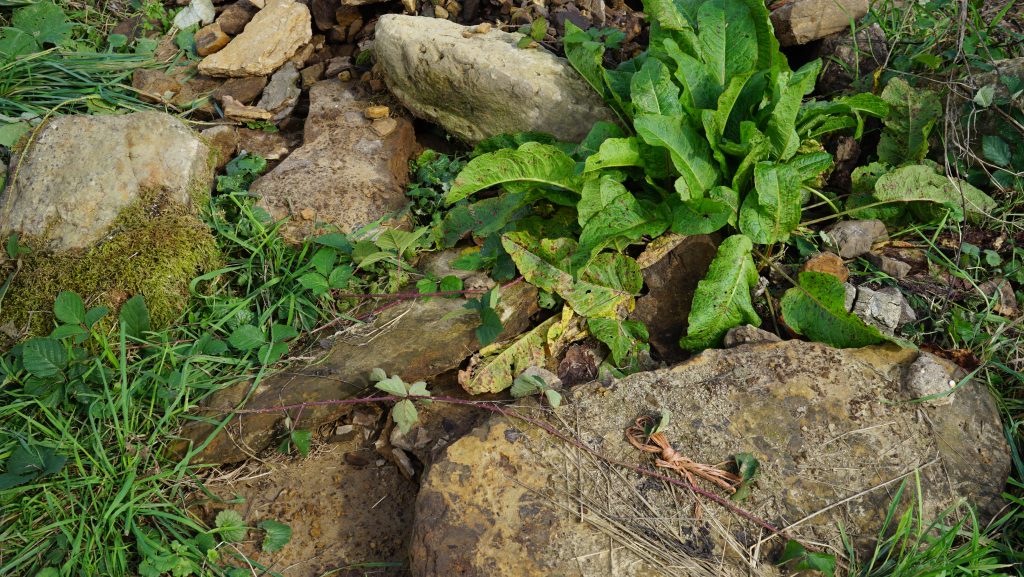
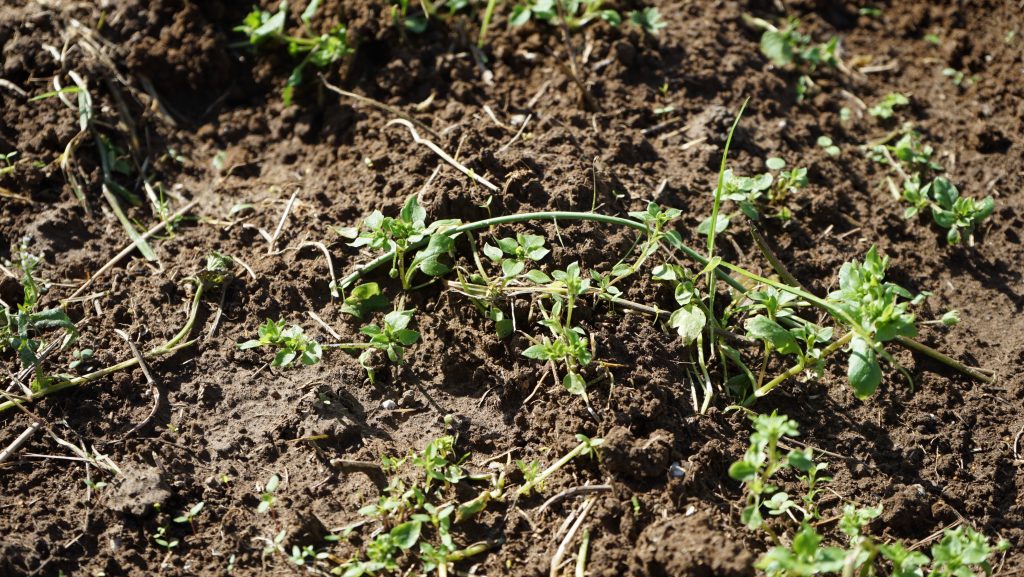
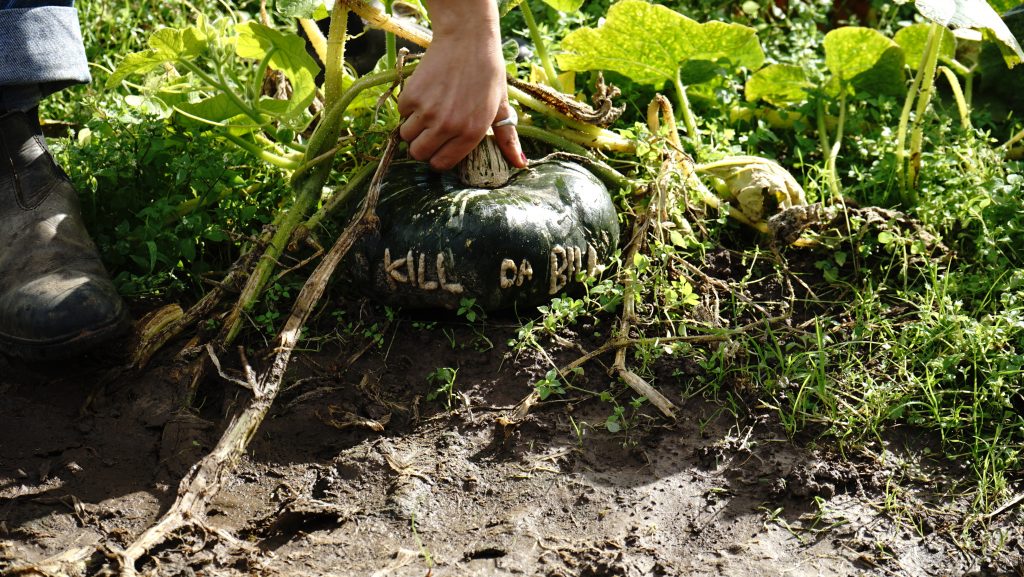
Today is the first day of my residency with Vital Capacities and Both Sides Now. So I thought I’d post some pictures of soil – for things to grow. I said it before but when the virtual studio’s layout doesn’t remind me of Tumblr themes, it reminds me of a garden patch.
Devil’s dykes’ past performer Rosa Farber explained to me that the soil on their family’s vegetable farm is a very very special kind. It is rich in all those minerals that I can’t recall but that sounded important, making that soil a sort of miracle. I know very little but I could sense its power. I am holding the image of the soil’s rich heavy potency in my mind.
Below are two photos of the actual soil, and my first proper attempt at recording an audio description. Digging your fingers in the soil you can find nearby is a valid and great alternative to my rambling.
Hi, welcome to my studio. I am an artist filmmaker, writer, arts worker and community organiser with Devil’s Dyke Network. For the longest time, I’ve been a student of spaces and environments, learning how to create moments of communality, connection and the life-affirming energies of the erotic. It’s almost like I needed to create those spaces that strive for acceptance and a radical kind of inclusivity to affirm the place and possibility of my personal creative work.
Sometimes I think that this queered intimacy is the only medium I’m truly interested in. Otherwise, I’m obsessed with many other things: diaristic practices, dance music, embodied dance practices, mental health, Disability Justice, queer TV content, bisexual culture, why my zoom sangha makes me feel so good, rethinking autism, and more.
I’m going to use this residency as a moment to finally sit down and review various film footage and written pieces I’ve collected over the years, to see if a new film emerges. I’m going to use this time to play and connect with people as much as possible, maybe record some conversations, see people, be seen.
You can watch the last diary film I made in 2019 here. It is called jet lag. These diary films are me but also not me. Parts of me that exist or existed, questions and insecurities I purged (or maybe, reintegrated).
Please feel free to leave me comments on the posts, I’m looking forward to chatting with you. I hope we can connect, even briefly, over these very silly and very serious things.
Lots of love,
s
Hello,
I am Andrew Luk and welcome to my virtual studio. I am a sculptor and installation artist from Hong Kong who was trained as a painter, but has never painted since. I am mainly fascinated with history and how certain civilization-building mythologies and ideologies unknowingly transpire and are unwittingly express themselves, which has lead me into some very diverse territories of research. Often this means working with ideas surrounding preservation and entropy as well as working with the false binary between natural and the man-made.
During my time here I will be working on “Leave Your Body”, a virtual residency that takes place in the computer game Minecraft, with the Hong Kong based organization, Videotage. I expect this will be challenging as it involves learning about an entirely new reality with its own integrated aesthetic, parameters and limitations. Not only do I plan to update my know-how of video games and world building, but I plan to undertake a project that will explore my recent research about the subterranean as well as infrastructure and processes related to Hong Kong’s relationship with geology and resource extraction.
Please feel free to have a look around and please do not be shy; make yourself known. Comments and questions are encouraged.
Thank you very much for stopping in,
Andrew
My creative process is participatory, collaborative, and inclusive with a focus on disability, neurodiversity or history. It is also multidisciplinary, with materials and approach informed by the theme of the project. I have an interest in using digital technology creatively and finding new tools to create art. I am neurodivergent and due to my dexterity, I am always looking for new innovative ways to create art that is accessible to me and others. A big part of my creative practice is finding accessible tools to collaborate with others to create art that doesn’t seem like you are creating art. I have an MA in Inclusive Arts Practice from the University of Brighton and have a background working in museums with young people. I was awarded a place on the Shaw Trust ‘Power 100’ 2018 list of the most influential and inspirational disabled people in Britain.
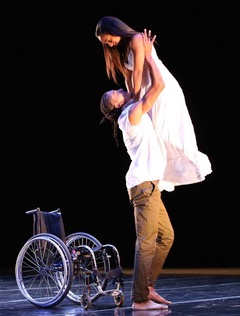
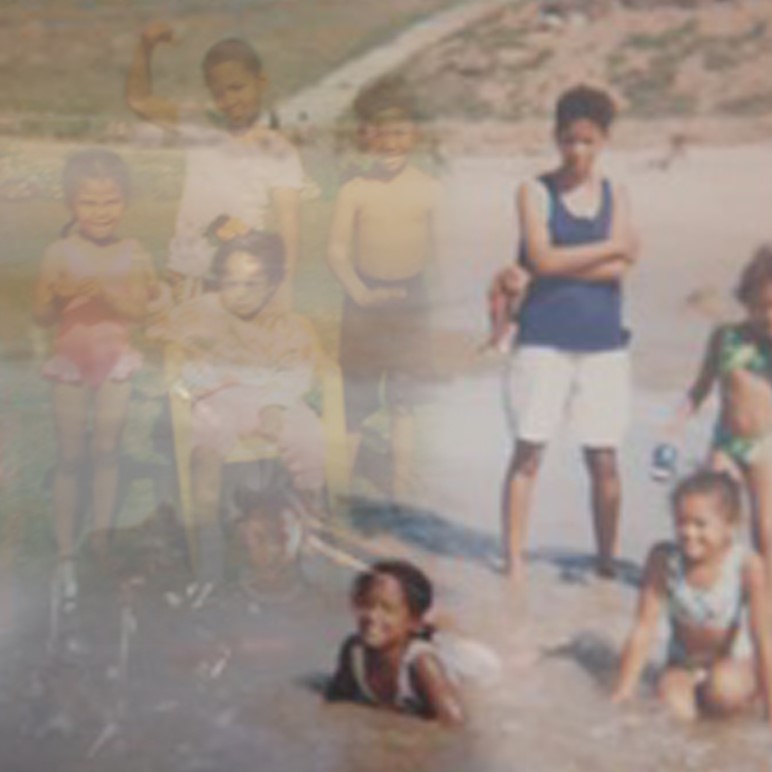
somehow
the chair was never an obstacle
instead
it was a way of breaking the ice
many friendships that grew
in that little cul-de-sac
from movie nights
to girls playing with their skipping ropes
always complaining about who should do the skipping
without me minding
that I couldn’t do the jumping
these conversations
and games happened so organically
with ease, no one ever made a fuss
about the chair
(other than the times they fought to play in it)
we would play, just get on with things
with and without the chair One of the all-time faves was Hide and Seek.
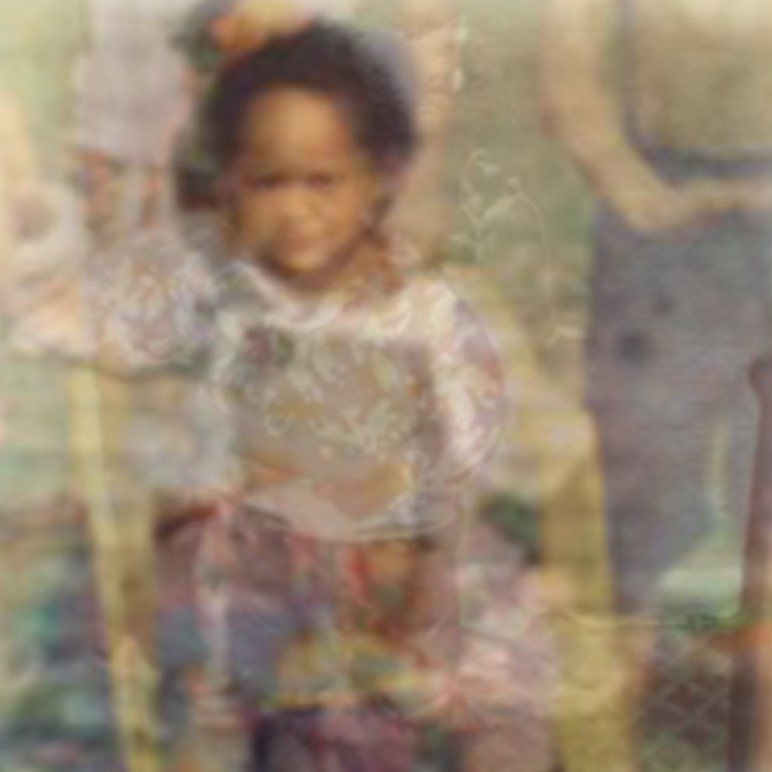
I grew up in a community where everyone
knew each other. For the first 6 years of my life
I was an only child, living with both parents
and the only friends I had and knew
were the ones from school
and cousins.
At the age of 7
we moved to a new home
still in the same area
everyone who moved into the new community
around the same time
none of the homes had fencing
yet most days, I’d spend in the house
and occasionally on the outside kitchen porch
with the kitchen door wide open and mum always busy cooking up something nice
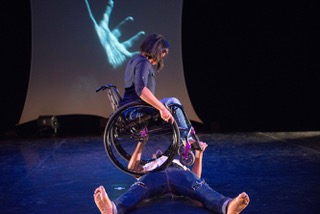
I’ve never known what it means to be bound
bound to this chair, if anything
it’s given me the most incredible ability
the ability to move, the ability to live life,
the ability to experience the world.
When I think of my chair I think
of all the incredible things
I’ve been able to do with it, as a result of it.
when going places, or viewing apartments
over the years, I have never mentioned before the time
that I use a wheelchair:
I somehow always forget
to mention it feeling it to be unimportant.
The scared and shocked faces!
Most close friends now joke about, and say
‘dude did you tell them you’re coming with an extra?’
At times when going out, everyone would
get into the car and ask
‘What are we waiting for?’ and I’d say
‘For one of you to put the chair in the boot!’
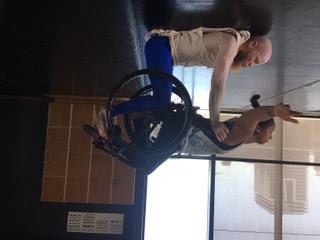
In my childhood,
I felt safe, with my chair
and my environment
and people in my life
my family never allowing any self-pity
but that was in South Africa with its
imbalances, across race, culture, language,
disability is perhaps the most overlooked.
I only experienced discrimination
later in life, feeling the weight and smack
of discrimination hitting me
but I could withstand the blows
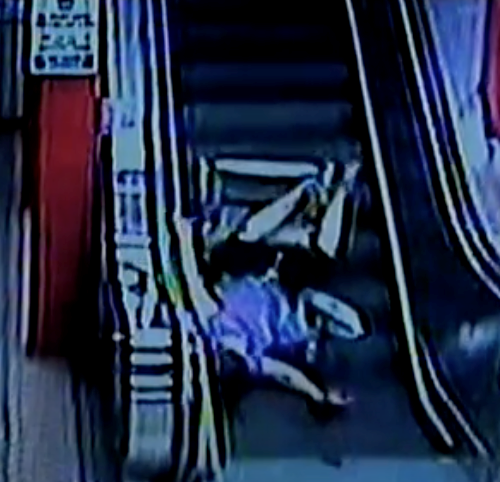
I remember the day –
16th of August –
one of my wheels came off.
Some screws came lose,
got lost and it fell off
as I was wheeling myself.
in that very moment
I burst out with laughter thinking
screw loose laughter, hilarious. Oh shit!
Yet somehow feeling safe and held,
having learned long ago how to handle
my chair, suddenly in that moment
conforming to society’s idea that I am stuck
and bound and cannot move around
which isn’t the case, when
I have my screws in place,
Which isn’t how I feel about my chair at all.
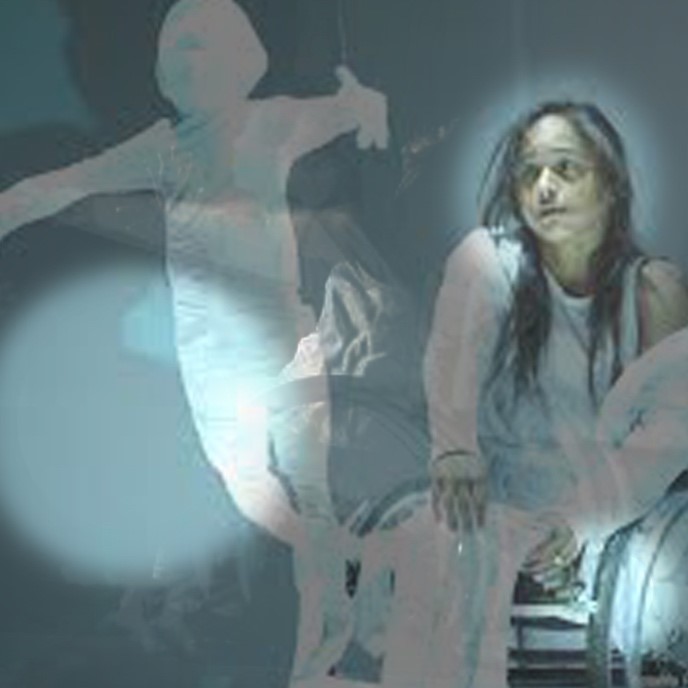
My brakes who at times fail me
yet have always been in reach
when I need to stop
and be still.
The handles, that have made it okay
for others to reach out and come up close
I have learnt that your presence
will always fill the rooms we enter
and that that is not
a bad thing. I have learnt
that we are one and you are not the other.
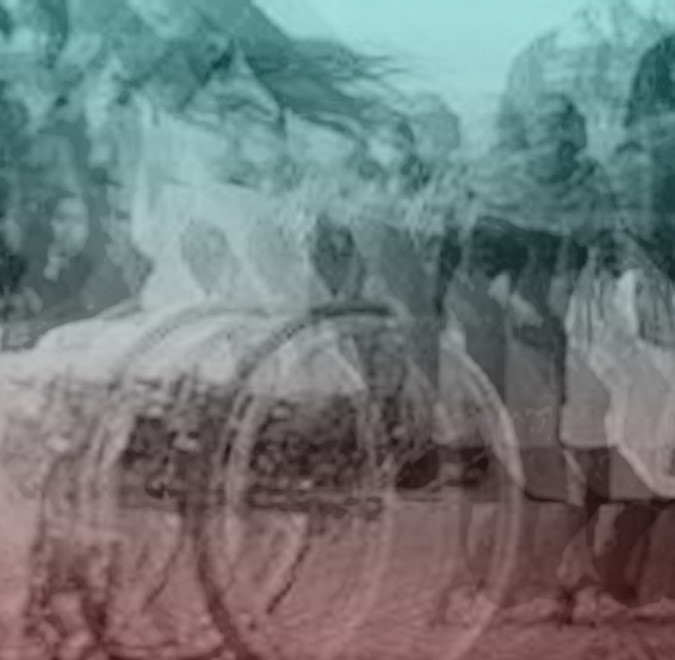
My wheels, gliding me
through wherever I need to be,
uneven roads, uphill, rough streets,
moving-me-keeping-me-moving.
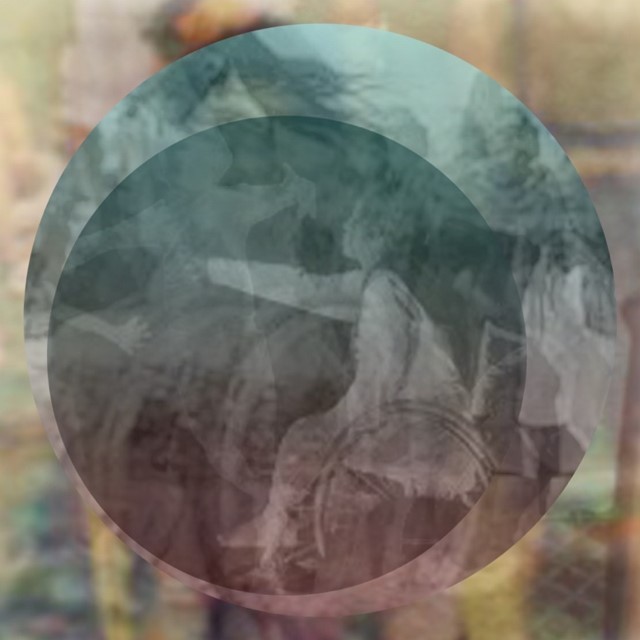
my back rest has taught me
not to slouch, to sit up straight
upright n’ ready to face the world
with confidence; the hard and strong frame
that has carried me through time
on the lightest and heaviest of days.
Sometimes unaware of its strength,
I know it’s always there to rely on.