Research Topic – Gasometer

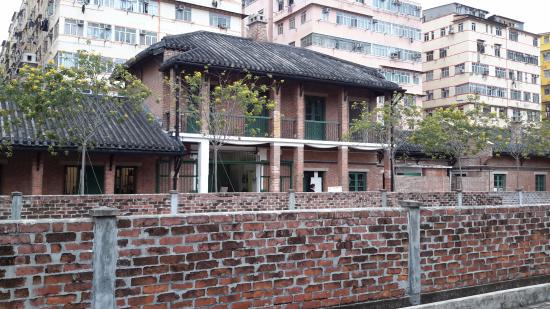
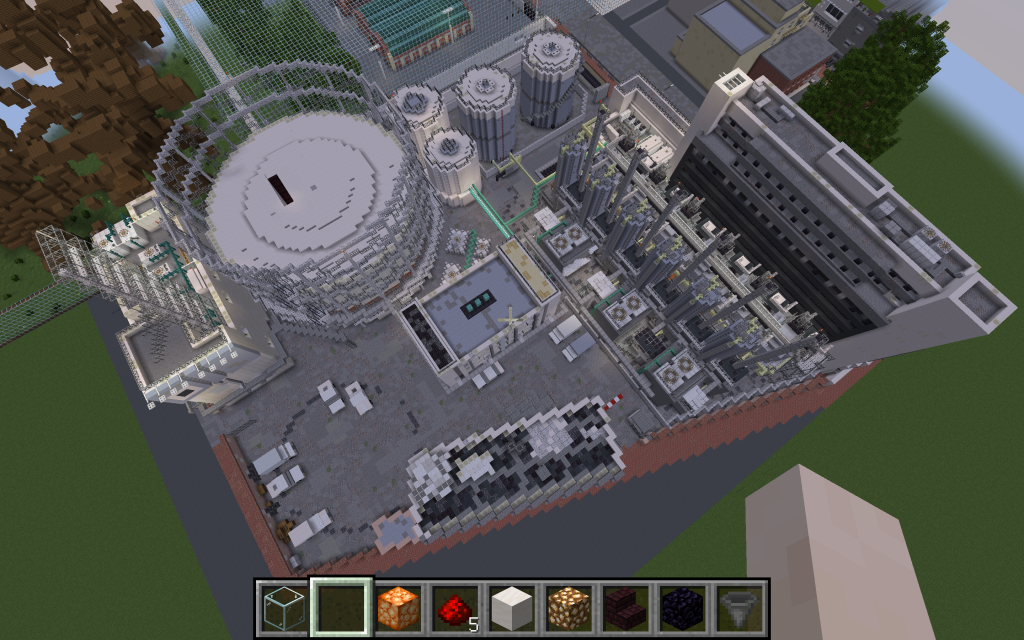
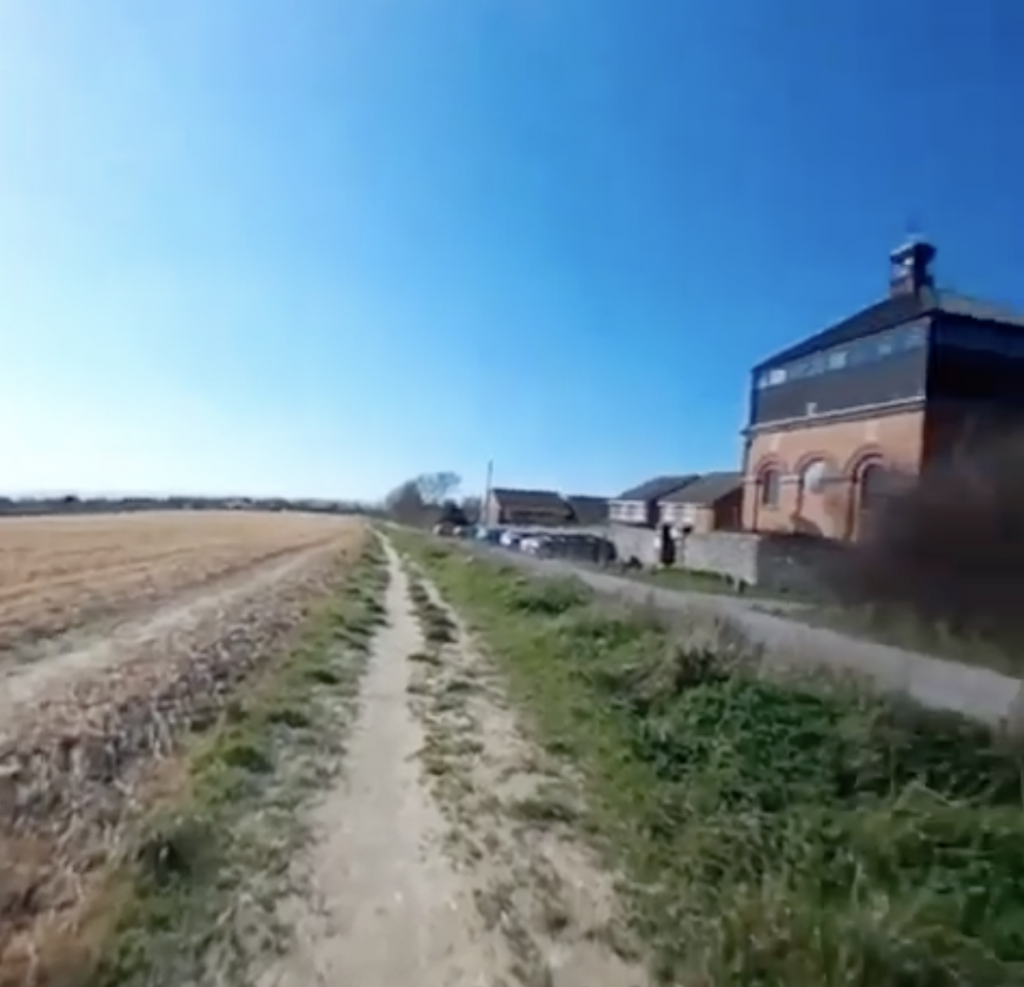
In my research for the Leave Your Body residency, I have been looking at Videotage’s quickly gentrifying neighborhood of To Kwa Wan*. As is usually the case with my practice, underlying historical narratives and connections that are not immediately apparent take precedence. The photo below is of the Towngas Ma Tau Kok Control Centre, located directly next door to the Cattle Depot Artist Village where Videotage resides.

Gasometers are large cylindrical metal tanks built as storage silos for gas for use as fuel.

There are several different types of gasometers. The type of gasometer with scaffolding, like the one at the Ma Tau Kok Control Centre, are predominantly located underground and would telescope up above ground as pressure from stored gas increased and subside as pressure decreased, storing and releasing gas through the day like a massive lung**. However, the use of gasometers has become obsolete in recent times as gas storage is largely done underground in high-pressure pipelines. As our age aligns development with green-washing, immunization, and escapism, the burying or obscuring of unseemly or obsolete systems is an ongoing process worth investigating.

*To be fair, one of the top three of Hong Kong’s pollutants is a result of its use of concrete, so most of the city is under an incessant pace of development and gentrification, which makes pointing out and finding methods of preserving historical landmarks all the more crucial.

**Thinking of the city as an organic machine, composed of its inhabitants and the infrastructure that meets their needs is a biomorphic analogy that runs throughout my practice.

Studio intro

Hello, I am Jess Starns and here is a bit about my studio. My creative process is participatory, collaborative, and inclusive with a focus on social history (mostly Brighton’s history), disability and neurodiversity. It is also multidisciplinary, with materials and approach informed by the theme of the project. I am always interested in learning about new tools to create art that I find accessible and can use to collaborate with others. I like creating art with others that doesn’t feel like you are creating art.


I studied the Inclusive Arts Practice MA at the University of Brighton and this has had a big impact on my practice. Some of my biggest influencers are the Hove cinematographers, Sister Corita Kent and Lee Miller. I enjoy darkroom printing and even though it’s not a huge part of my practice currently, I have been doing so since I was about four years old.


During the residency I am looking forward to developing my creative practice and finding new ways of working whilst exploring the residency theme ‘environmentalism’.  Please free to look around my studio, and send me a message in the comments section below. Enjoy
looking around! Jess.
Introduction video with Jess Starns

Transcript:

[00:00:00] Jess: I’m Jess Starns and my creative practice is participatory collaborative and inclusive with a focus on disability, neurodiversity, or history. It is also multi-disciplinary with materials and approaches formed by the theme of the project. I have an interest in using digital technology creatively and finding new tools to create art.

I am neurodivergent and due to my dexterity, I’m always looking for new, innovative ways to create art that is accessible to me. A big part of my creative practice is finding accessible tools to collaborate with others, to create art. That doesn’t seem like you are creating art. I also have a background in working in museums with young people and with communities.

A few examples of work I have created before is Bungaroosh, projection mapping piece. Bungaroosh is a composite building material, mostly used in Brighton from the mid 18th to 19th centuries. And Bungaroosh is made of broken bricks, cobblestones, flint, pebbles, sand with chalk and set in hydraulic line. I projection mapped onto stones film and photographs of buildings made from Bungaroosh.

During the first two lockdowns, I organised virtual walks to break down the feeling of isolation whilst we were all social distancing. Using Google street view and Zoom I went on virtual walks with others. I asked the participants if they would like to share places that are important to them, they are missing or places they would like to visit. 

The 23rd of July 2020 marked the 50th anniversary of the education of handicapped children’s act in 1970, the act marked for the first time or children of compulsory school age had a right to an education. I gathered audio recordings about people’s experiences of the education system to produce an audio piece telling these stories.

During my residency, I would like to explore the Sussex landscape. 

Audio description of photographs in the film

Soil

Digital photograph in colour. The colour palette is mostly shades of green (leaves, plants, weeds, moss) and grey (rocks, stone slabs, dead grass). Different rocks and broken stone slabs pile up on top of each other, while grass and weeds grow in between. The photo was taken from a squatting position, so a bit of a higher-up angle. Overall, it strikes me as a harmonic image that invites the viewer's eyes to traverse the surface of the photograph.
digital photo (1) of a micro landscape with stones and grass from an afternoon spent on the Laines Organic Farm in October 2021.

Hi

Today is the first day of my residency with Vital Capacities and Both Sides Now. So I thought I’d post some pictures of soil – for things to grow. I said it before but when the virtual studio’s layout doesn’t remind me of Tumblr themes, it reminds me of a garden patch.

Devil’s dykes’ past performer Rosa Farber explained to me that the soil on their family’s vegetable farm is a very very special kind. It is rich in all those minerals that I can’t recall but that sounded important, making that soil a sort of miracle. I know very little but I could sense its power. I am holding the image of the soil’s rich heavy potency in my mind.

Below are two photos of the actual soil, and my first proper attempt at recording an audio description. Digging your fingers in the soil you can find nearby is a valid and great alternative to my rambling.

^ in this audio, violet vocally describes the three photographs in this post ^
A digital photograph in colour. It is a micro photo because it focuses on very tiny objects: a close up of dark brown soil that looks like clay and tiny green sprouts coming out of it.
digital photograph (2) fragment of the soil at Laines Organic Farm.
A digital photograph in colour. At the centre is a white hand with a silver ring lifting up a green pumpkin that has the words "KILL DA BILL" popping out of its flesh. Next to the pumpkin you can see Rosa's boot and at the bottom of the image you can see wet luscious clay-like rich sparkly soil.
digital photograph (3) of the soil at Laines Organic Farm, but most importantly it shows Rosa’s boot and Rosa’s hand lifting up leaves to present a green pumpkin that has words “Kill Da Bill” popping out of its flesh.

Welcome to my studio

A photographed portrait in cold tones, with white background in the distance. The image is square and shows violet's face and shoulders. It shows a white non-binary person, with shoulder-length hair that is bleached blond at the very front, and the rest of the hair is natural ashy blond. violet has blue eyes and rather small facial features. The expression on their face is neutral, they are looking away from the camera, into the distance. They are wearing an oversized suit jacket that is grey and has thin white stripes, underneath it they are wearing a white shirt opened up, you can see silver jewellery like a small hoop earring and a silver necklace.
Portrait of violet.

Hi, my name is violet/a marchenkova, and welcome to my studio. I am an artist filmmaker, writer, arts worker and community organiser with Devil’s Dyke Network. For the longest time, I’ve been a student of spaces and environments, learning how to create moments of communality, connection and the life-affirming energies of the erotic. It’s almost like I needed to create those spaces that strive for acceptance and a radical kind of inclusivity to affirm the place and possibility of my personal creative work.

Sometimes I think that this queered intimacy is the only medium I’m truly interested in. Otherwise, I’m obsessed with many other things: diaristic practices, dance music, embodied dance practices, mental health, Disability Justice, queer TV content, bisexual culture, why my zoom sangha makes me feel so good, rethinking autism, and more.

I’m going to use this residency as a moment to finally sit down and review various film footage and written pieces I’ve collected over the years, to see if a new film emerges. I’m going to use this time to play and connect with people as much as possible, maybe record some conversations, see people, be seen.

You can watch the last diary film I made in 2019 here. It is called jet lag. These diary films are me but also not me. Parts of me that exist or existed, questions and insecurities I purged (or maybe, reintegrated).

Please feel free to leave me comments on the posts, I’m looking forward to chatting with you. I hope we can connect, even briefly, over these very silly and very serious things.

Lots of love,

v

INTRO

Portrait of the artist, Andrew Luk

Hello,

I am Andrew Luk and welcome to my virtual studio. I am a sculptor and installation artist from Hong Kong who was trained as a painter, but has never painted since. I am mainly fascinated with history and how certain civilization-building mythologies and ideologies unknowingly transpire and are unwittingly express themselves, which has lead me into some very diverse territories of research. Often this means working with ideas surrounding preservation and entropy as well as working with the false binary between natural and the man-made.

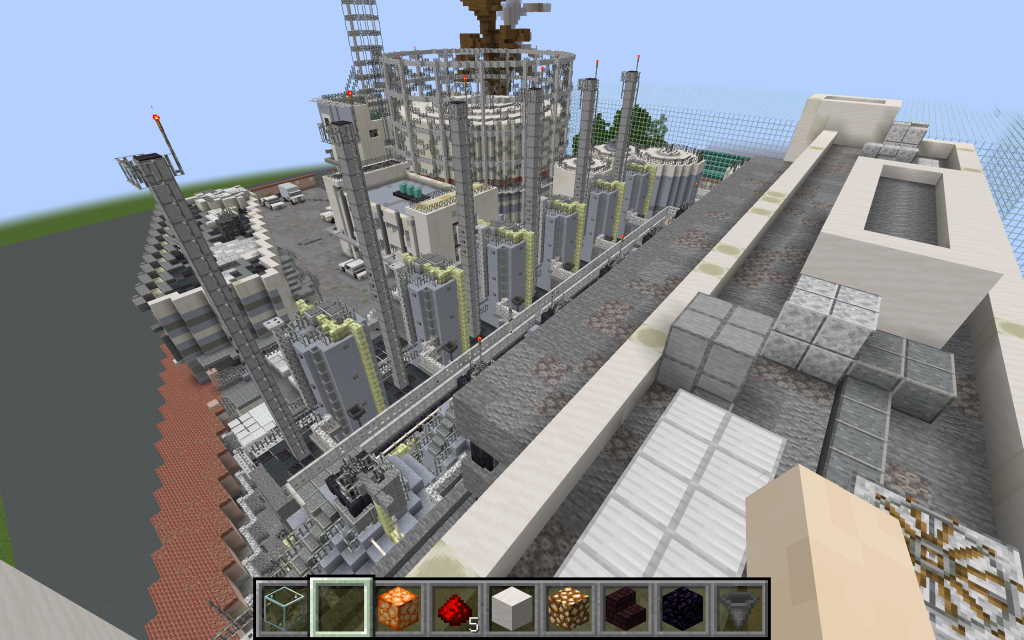
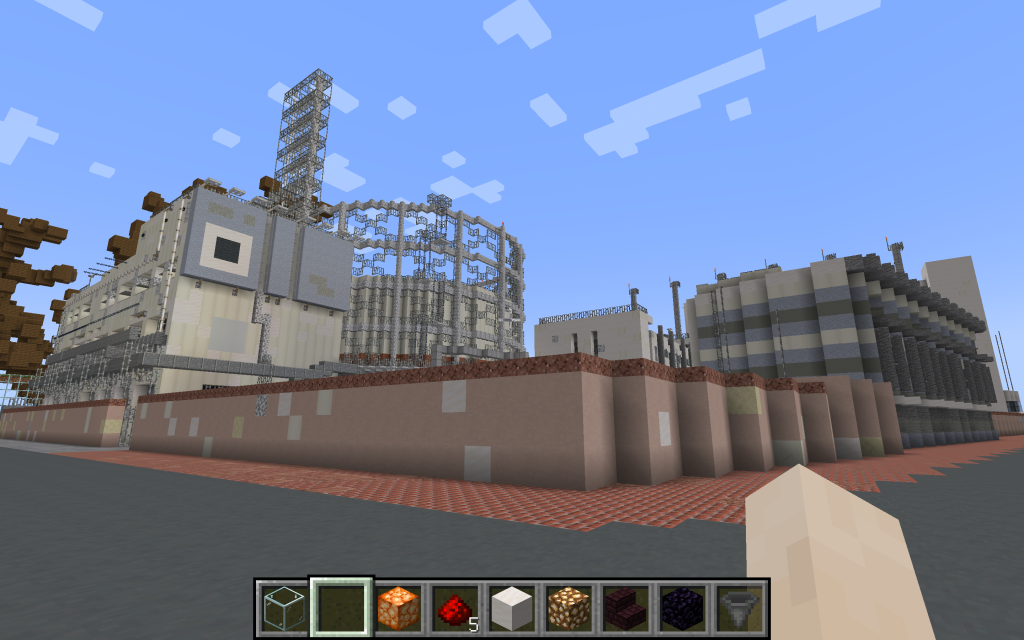
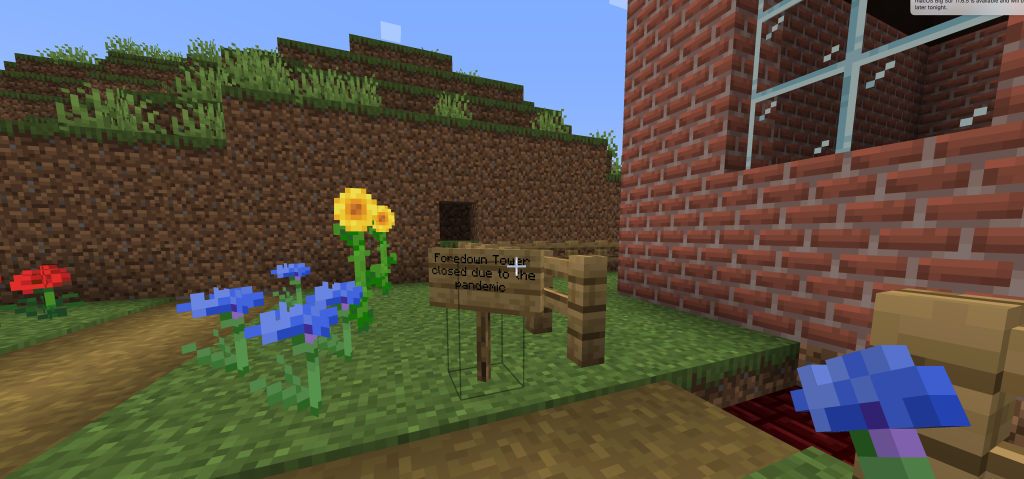
During my time here I will be working on “Leave Your Body”, a virtual residency that takes place in the computer game Minecraft, with the Hong Kong based organization, Videotage. I expect this will be challenging as it involves learning about an entirely new reality with its own integrated aesthetic, parameters and limitations. Not only do I plan to update my know-how of video games and world building, but I plan to undertake a project that will explore my recent research about the subterranean as well as infrastructure and processes related to Hong Kong’s relationship with geology and resource extraction.

Please feel free to have a look around and please do not be shy; make yourself known. Comments and questions are encouraged.

Thank you very much for stopping in,
Andrew

Introduction

My creative process is participatory, collaborative, and inclusive with a focus on disability, neurodiversity or history. It is also multidisciplinary, with materials and approach informed by the theme of the project. I have an interest in using digital technology creatively and finding new tools to create art. I am neurodivergent and due to my dexterity, I am always looking for new innovative ways to create art that is accessible to me and others. A big part of my creative practice is finding accessible tools to collaborate with others to create art that doesn’t seem like you are creating art. I have an MA in Inclusive Arts Practice from the University of Brighton and have a background working in museums with young people. I was awarded a place on the Shaw Trust ‘Power 100’ 2018 list of the most influential and inspirational disabled people in Britain. 

A photograph of me, Jess at my University of Brighton MA end of year show. I am standing next to my final piece of work called 'Neurodiversity Museum'. The exhibition walls are painted cream and on the walls are 3 glass cyanotypes and 4 paper cyanotypes. I am leaning against a plinth which is the same colour as the wall and covered in felt tip pens. On top of the plinth is a polystyrene head. The polystyrene head symbolises Percy F. the first person to be diagnosed as dyslexic.

Hide and seek

A woman in a long white dress and long dark hair is lifted into the air by a tall man with wearing a white t-shirt and beige chinos. An empty wheelchair is next to them, ignored.

somehow

the chair was never an obstacle

instead

it was a way of breaking the ice

many friendships that grew

in that little cul-de-sac

from movie nights

to girls playing with their skipping ropes

always complaining about who should do the skipping

without me minding

that I couldn’t do the jumping

these conversations

and games happened so organically

with ease, no one ever made a fuss

about the chair

(other than the times they fought to play in it)

we would play, just get on with things

with and without the chair One of the all-time faves was Hide and Seek.

Community

I grew up in a community where everyone

knew each other.  For the first 6 years of my life

I was an only child, living with both parents

and the only friends I had and knew

were the ones from school

and cousins.

At the age of 7

we moved to a new home

still in the same area

everyone who moved into the new community

around the same time

none of the homes had fencing

yet most days, I’d spend in the house

and occasionally on the outside kitchen porch

with the kitchen door wide open and mum always busy cooking up something nice

My ability

A woman sits in her chair suspended in the air held by a man who lies on his back.

I’ve never known what it means to be bound

bound to this chair, if anything

 it’s given me the most incredible ability

the ability to move, the ability to live life,

the ability to experience the world.

When I think of my chair I think

of all the incredible things

I’ve been able to do with it, as a result of it.  

when going places, or viewing apartments

over the years, I have never mentioned before the time

that I use a wheelchair:

I somehow always forget

to mention it feeling it to be unimportant.

The scared and shocked faces!

Most close friends now joke about, and say

‘dude did you tell them you’re coming with an extra?’

At times when going out, everyone would

get into the car and ask

‘What are we waiting for?’ and I’d say

‘For one of you to put the chair in the boot!’

Environment

Upside down image of a woman being held in the air in her wheelchair by a man lying on his back.

In my childhood,

I felt safe, with my chair

and my environment

and people in my life

my family never allowing any self-pity

but that was in South Africa with its

imbalances, across race, culture, language,

disability is perhaps the most overlooked.

I only experienced discrimination

later in life, feeling the weight and smack

of discrimination hitting me

but I could withstand the blows

Screw loose

A muffled image in blue and black, a woman in a wheelchair falling backwards down an escalator

I remember the day –

16th of August –

one of my wheels came off.

Some screws came lose,

got lost and it fell off

as I was wheeling myself.

in that very moment

I burst out with laughter thinking

screw loose laughter, hilarious. Oh shit!

Yet somehow feeling safe and held,

having learned long ago how to handle

my chair, suddenly in that moment

conforming to society’s idea that I am stuck

and bound and cannot move around

which isn’t the case, when

I have my screws in place,

Which isn’t how I feel about my chair at all.   

One, not other

The white ghost like figure is clearer, almost dancing holding out to embrace. We see Nadine more clearly in her wheelchair, her long hair dishevelled.

My brakes who at times fail me

yet have always been in reach

when I need to stop

and be still. 

The handles, that have made it okay

for others to reach out and come up close

I have learnt that your presence

will always fill the rooms we enter

and that that is not

a bad thing.  I have learnt

that we are one and you are not the other. 

Confidence

a mottled image of Nadine in a wheelchair sat upright, seen sideways her left arm on the wheel her right arm extended and indecipherable images of people around her in circles and shades of salmon and aquamarine

my back rest has taught me

not to slouch, to sit up straight

upright n’ ready to face the world

with confidence; the hard and strong frame

that has carried me through time

on the lightest and heaviest of days.

Sometimes unaware of its strength,

I know it’s always there to rely on.

I’m ready

A blurred unclear picture in soft aquamarine blue and light browny pink of a hand reaching. A wheelchair wheel is visible.

My seat that I gently slide over

and into each day

Sometimes unaware

of the support you give

As I slide over my body sinks into it,

the feeling of being held and ready –

I am ready to go do life. 

Connection

Black and white image of a woman with long dark hair sits horizontally held in her wheelchair in a dance pose. A man lying on the ground holds the woman and her wheelchair above him.
Nadine Mackenzie dances with partner in her wheelchair

Through this residency I am exploring the connection to, and relationship with, my wheelchair and me moving in different spaces and what this has meant for me over the 29 years of using one.

I am interested in the different emotional phases I’ve gone through in using a wheelchair. How this has had an impact internally but also externally.

Dance has played a huge role in my independence, confidence and acceptance of self and others.  I want to explore motion in the studio, where I am more fluid and confident compared to outside spaces, revisiting my childhood games of hide and seek and when one of the kids would give me a piggy back so I could be part of the game with another pushing the chair, erasing the wheel tracks in the sand so no one could find us. 

This Vital Capacities commission is about exploring these different pathways, tapping into these trails and travails and experiences through film.

I think self-awareness and awareness of the chair and difference came at quite a later stage, and a lot of this had to do with society, and how disability is perceived in the world we live in and how people with disabilities get treated. So with the work I am thinking of putting together a 5 minute video of me moving in studio, exploring different connections, emotions and states of being I have experienced.

Word drawings

It’s very interesting, going back and visiting old work. I tend to be consumed by new work, absorbed in my making and thinking. When my practice focused on drawing, drawing was all I wanted to do. For a while, a walk without a walking drawing was a wasted walk. My excitement and enthusiasm for the drawings gripped my mind totally.


So re-visiting the process of making walking drawings for this residency I expected to have that same consuming interest, and at first I definitely was excited and enjoyed seeing the work that was produced. Then as the days went on the work became frustrating. I felt stuck and I felt like I had gone backwards in some way. My focus has changed, my work is currently engaged with word crafting, I felt in some strange way that I was letting my practice down by attending to drawing, despite how much I love drawing as an art form. It was a very uncomfortable moment in this residency.

After wrestling with this problem and talking to artist friends I realised that I have definitely moved on from making drawings in the old style, with the drawing devices. But I haven’t finished making drawings per se, I realised that I have just changed the medium with which I make drawings.

I’ve written quite a lot during this residency and I was idly thinking about drawing, writing and the possibility of drawing with words. I wondered what the writing I have done for this residency would look like in a word cloud? I was thinking that perhaps I have used particular words very often and maybe looking at those words would inspire me to create something interesting for my final exhibition piece.

So I pasted my posts into some word cloud software. There were some interesting results, so I decided to copy and paste the words into Google docs and play around with them, trying to find some way of drawing with words. Surprisingly, when I pasted the word cloud words into the document I discovered that many of the words had somehow been stuck together, forming new and rather wonderful words. For instance, fungi and old became fungiold, way and road became wayroad, breath and raven, breathraven.

Reader, my brain exploded. Okay, not literally, but I was so excited to see these wonderful, randomly created new words. The process felt simillar to how I used to make drawings, in that I would set up an experiment which had an element of the unexpected and/or random process and then metaphorically step back and allow the outcome to generate itself. In drawing, that is effected when I design a device for making a drawing based on some input not deliberately controlled by my hand, as when the pen in the device moves because I am walking.

Using the word cloud felt similar. I wrote the initial words and input them into the word cloud, therefore setting up the conditions for something to happen, yet it was the way the word cloud software handled the text and the Google software handled the copy and paste process that determined the outcome of the combined words.

These combined words placed together in an arbitrary collection are word drawings, maybe even a poem. But I am the mother of a poet and I have enormous respect and awe for a poet’s effort and creativity in combining words and meaning and I feel that to call what I have created poetry is incorrect, even audacious. They are word drawings; odd, sometimes beautiful, nonsense in which we may nonetheless see meaning.

Just as I make the decision what type of pen or what colour ink to use in a walking drawing, therefore having some aesthetic control over the final drawings, so I took some control over the placement of words in my word drawings. Mostly, I left them as they were arranged by the word cloud software, but in some cases I moved them around and I sometimes inserted words, such as go, and or where to break up the list and improve the rhythm or flow of the piece.

Finally, I used some Open Source software called Twine to gather all the words into an interactive word drawing. Readers determine what text will be displayed on screen by clicking on the highlighted words, therefore having a different experience with each reading, depending on which words are selected.

I’m very happy with this result! I never could have imagined getting to here from where I began on this residency, back at the beginning of August. What is really exciting for me is that this feels like the start of a new way of working, a new stream to my practice, which is always evolving anyway. It was so good to pass through that uncomfortable place, revisiting the walking drawings, to come to this. Sometimes, being an artist is like walking along a path, one with switchbacks and branchlines and where the path ahead is often completely obscured by the trees.

Ten failed drawings

Okay, they are not exactly failures, in fact they are very lovely drawings I think. These are some of the walking drawings I have made over the last couple of weeks. Most are black ink on paper but three are on clear acetate and one is on a dried green leaf.

Black and white abstract drawing, ink on acetate. A tangle of short, straight and curved lines drawn with a brush pen.

These drawings have all been created using a very simple drawing device I made using wire, cardboard and a copper spring. I suspend a ink pen from the copper spring and take the whole contraption for a walk, the pen drawing as I move.

Black and white abstract drawing, ink on paper. A dense tangle of very short lines going in all directions but forming almost a circle. Small dots of ink decorate the edges of the drawing.

I’ve been attempting to film the process, with varying results. I bought myself an iPad, hoping for better film results, but it’s new technology for me and is currently proving quite frustrating, not least in the weird placement of the iPad camera to the far right of the device, which is really awkward in the drawing device. I might go back to my simple, but trusty mobile phone!

Black and white abstract drawing, ink on paper. Delicate, short, feathery lines made with a brush pen at the center and center top of the page, forming a roughly circular shape.

So back to the drawing board (or drawing device I should say)…

Black and white abstract drawing, ink on paper. Delicate, lines and dots form an almost triangular shape. The lines crisscross over each other.
Black and white abstract drawing, ink on paper. Close up image of a very dense roughly circular drawing made with thick, short, feathery lines going in all directions
Photograph of a dried green hazel leaf decorated with dense black ink lines in the centre of the leaf. The ink marks mostly go in the same vertical direction and cross over each other in the centre.
Black and white abstract drawing, ink on acetate. The lines go in all directions forming a roughly circular, spidery shape. The ink remains wet and forms little blobs of thicker pigment along each line.
Black and white abstract drawing, ink on tracing paper. A small roughly square tangle of thick ink lines decorates the centre of the page. One single fine line is drawn from the right edge of the page, not quite meeting the tangle of lines.
Black and white abstract drawing, ink on acetate. two ink blobs sit side by side roughly in the centre of the page. The blobs swirl in roughly circular form where they have been wiped with a cloth or rag.
The Black and white abstract drawing, ink on acetate. The image is full of movement, lines made in many different directions. The ink has not dried and has pooled in blobs along the drawn lines and in the centre of the drawing.

Spinning the lines

Last year I began toying with writing a novel. It’s not gone anywhere yet and on re-reading it’s fairly dire, as all first novel attempts are allowed to be.

One of the central characters in this story is a wild, grey haired woman who may or may not be centuries old and profoundly occult. She came to me as a vivid image, a woman in a long yellow coat walking the lanes and roads of Britain constantly twisting her fingers, which others think is a mere tic. What her twitching fingers are really doing is spinning unseen lines of magical force across the land.

“We were important people us spinsters. An’ I was one of the best. So they made me what I am today. Did the ritual, gave me to Britain. Spinster. Spinner. Walking the lines, spinning the magic.”

So. I am at that lovely (sarcasm that) stage in making when I have many ideas and no resolution. Yet. I’ve been dissatisfied with the drawing device work, feeling like it hit a dead end, uninspired with my results but feeling somehow nagged by the work, like it still had a way to go, even if I couldn’t see how to resolve it.

At the same time I’ve been thinking a lot about paths and walking and at the same time continuing to work on a long term project I am developing, called AuTCRONE Chronicles, which attempts to voice my grief about the current global ecological stupidity humans are embroiled in.

Anyway, one of the characters in the project (it’s a speculative fiction project) walks. She is a near immortal nomad bearing witness to climate disaster.

I want to write about her walking and have been thinking about how to tell the story of her walking even as I have been walking paths for this residency. And at the same time I’ve been making and filming walking drawings. I’m thinking stories and making drawings and have been unable to resolve either work and it’s been driving me mad!

Then I read the words I wrote for that occult character in the abandoned terrible novel and I think I’ve had a lightbulb moment.

What you don’t know about me is that I started my art career working exclusively with textile. I’m still a regular knitter (because I make all my clothes. And that’s another story) and I can spin on a drop spindle. I can spin on a drop spindle and walk at the same time. And so maybe I can gather up the threads of my making and storytelling and work them into something that might possibly involve spinning, drawing and storytelling.

It’s getting late and I’m tired after a long day walking but I think this idea might have legs. I’m going to run with it, metaphorically speaking. Goodnight.