
 Accessing this site
 Display settings
 Artist login

Intro video by artist Seo Hye Lee
Jamie Wyld (Vital Capacities’ director): Thanks for being part of the Vital Capacities residency programme! Can you say a little about yourself and your work, perhaps in relation to what you’re thinking about doing during the residency?
Thanks for inviting me. I am a sick and disabled artist, researcher and community cultural worker. My practice challenges the preconceptions of what it is to be sick and disabled. It acts as a reminder that sick and disabled bodies are actively political even in states of what might look like physical inactivity to someone who is able. In reality, ‘resting’ isn’t really rest if you don’t have a choice.
Continue reading “Interview with resident artist Laura Lulika”
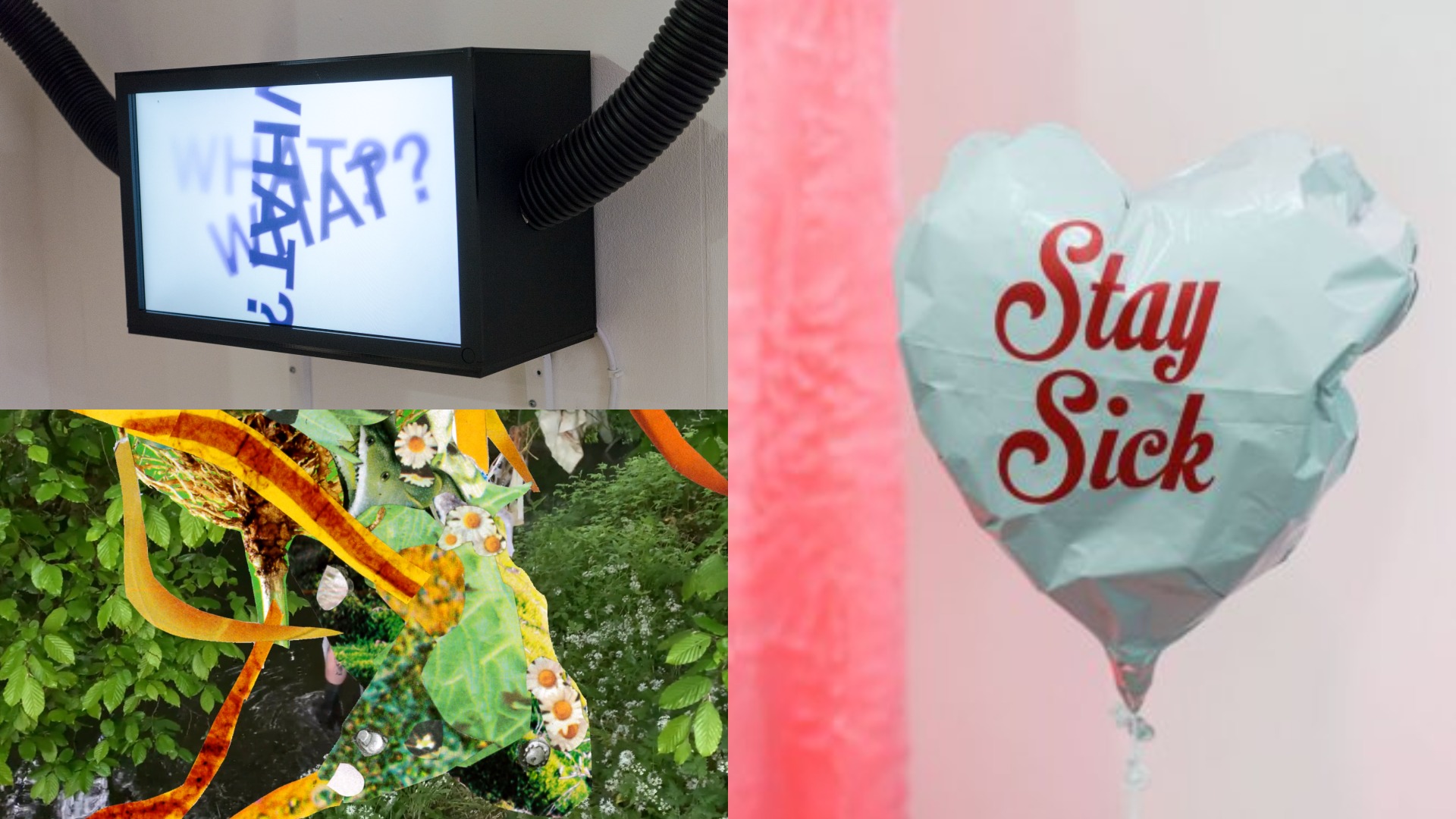
For June 2021’s Vital Capacities’ residency, we are collaborating with Film London Artists’ Moving Image Network (FLAMIN), Phoenix and University of Salford Art Collection. Working with three artists from across the UK, Seo Hye Lee, Laura Lulika and Linda Stupart.
Across June, artists will be researching and developing new work, with work commissioned in collaboration with our partners. Artists will be experimenting with ideas, developing new projects, and sharing work with audiences. The artists are:
Continue reading “Artists from across UK join Vital Capacities as artists-in-residence for June 21”
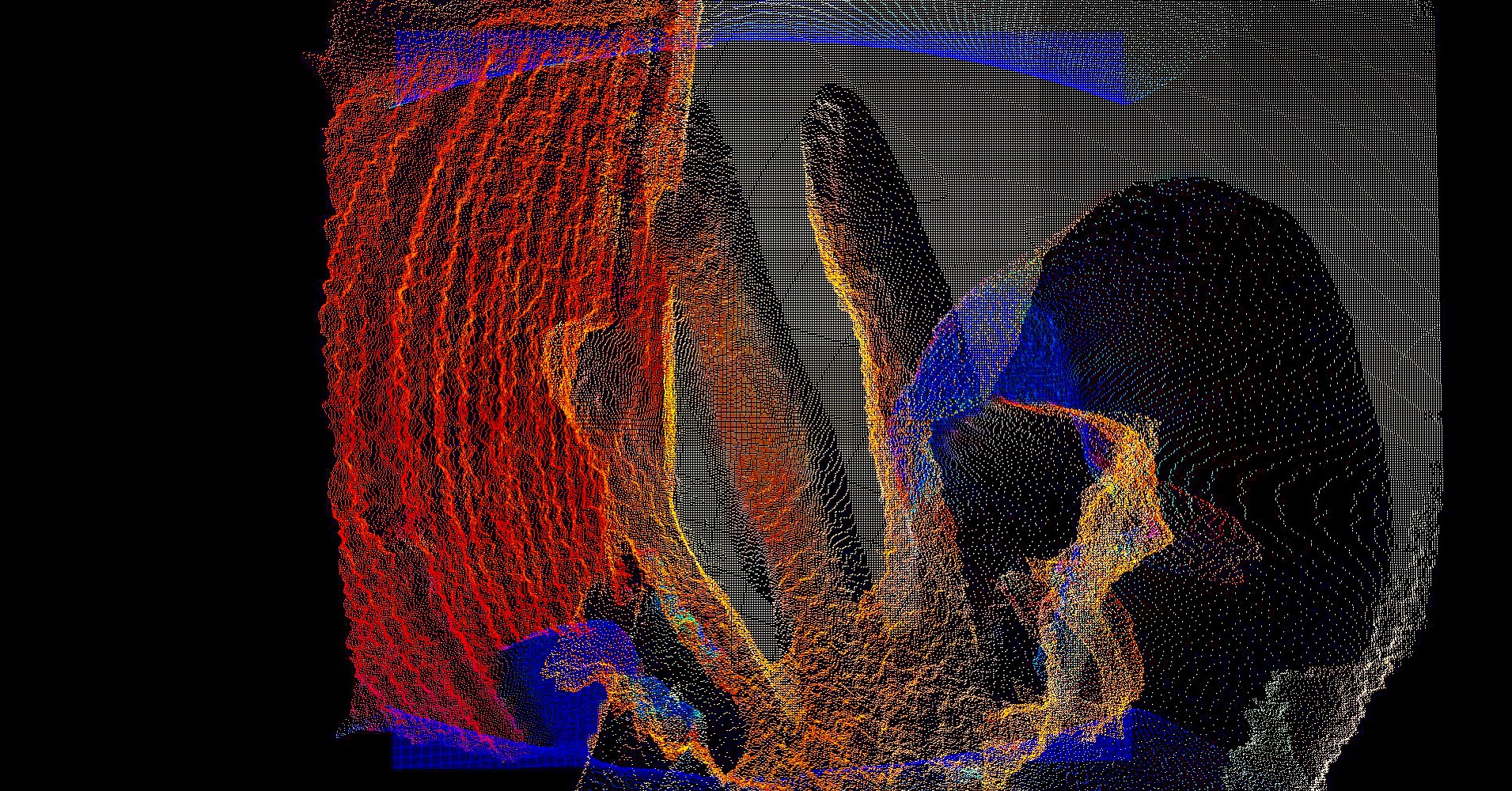
As an artist working with experimental technologies, hacking/re-purposing tools to create artistic works I’m often looking for ways in which I can create intimate shared experiences. Even before the pandemic, a lot of my practice was being conducted solely through computer based interactions due to a lack of funding and other resources. This mode of working allowed me to focus my practice towards making accessible works and I began thinking about the language, technology and context accessibility of my works within a larger contemporary art conversation.
Continue reading “04 ಕಥೆ Kathe (Story) / Dematerialise”
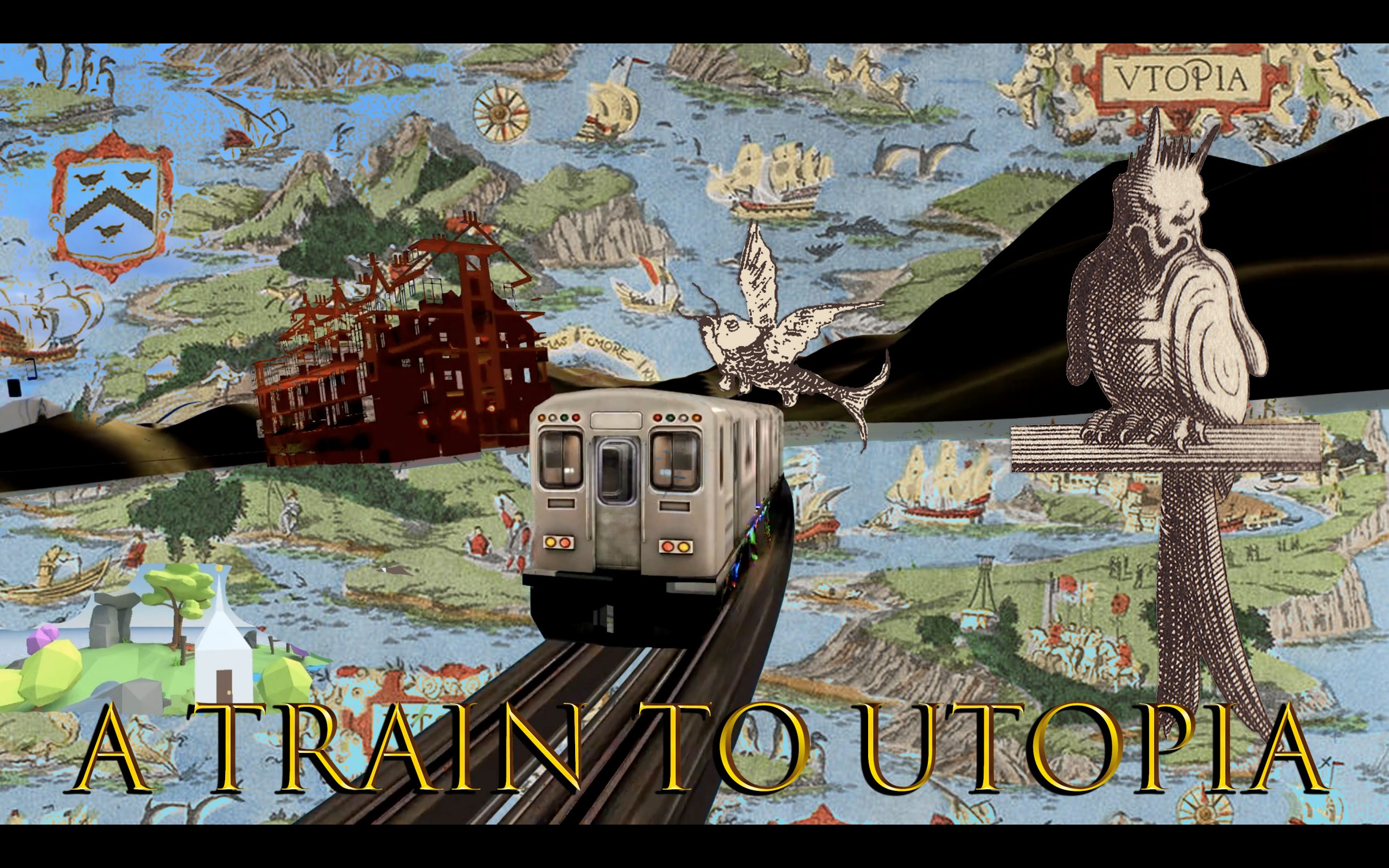
Digital workshop on Mozilla’s immersive platform Hubs – imagining and building Utopia by Vital Capacities artist, Tzu-Huan Lin
A Train to Utopia is a digital workshop taking place on Mozilla Hubs led by artist, Tzu-Huan Lin. Questionning Utopia’s existence (and if we can create it), the workshop explores ideas related to this unknown but longed for place.
Continue reading “Free workshop by Tzu-Huan Lin – A Train to Utopia”
‘your dataset won’t let me thrive / your dataset must die’ are a pair of video essays that seek to counter the mythologies surrounding Artificial Intelligence datasets & algorithms They are carried out as a comparative study of the works of the Black Beat Poet Bob Kaufman and the Kannada Dalit poet Siddalingaiah whose words (translation) are input into the text based neural network GPT-2. The visual aesthetics of the work are drawn from generative AI imagery of brown faces, creative programming as well as animated representation of the words of each poet alongside text generated by the algorithm. The inability of the algorithm to generate text drawn from sufficient references to Black & Bahujan lived experiences reveal the encoded biases within the dataset and trace their origins to harmful mythologies of Caste & Race.
The works were commissioned by the Mozilla Foundation as part of the Reclaiming AI Futures project for the AI Observatory (https://ai-observatory.in/)
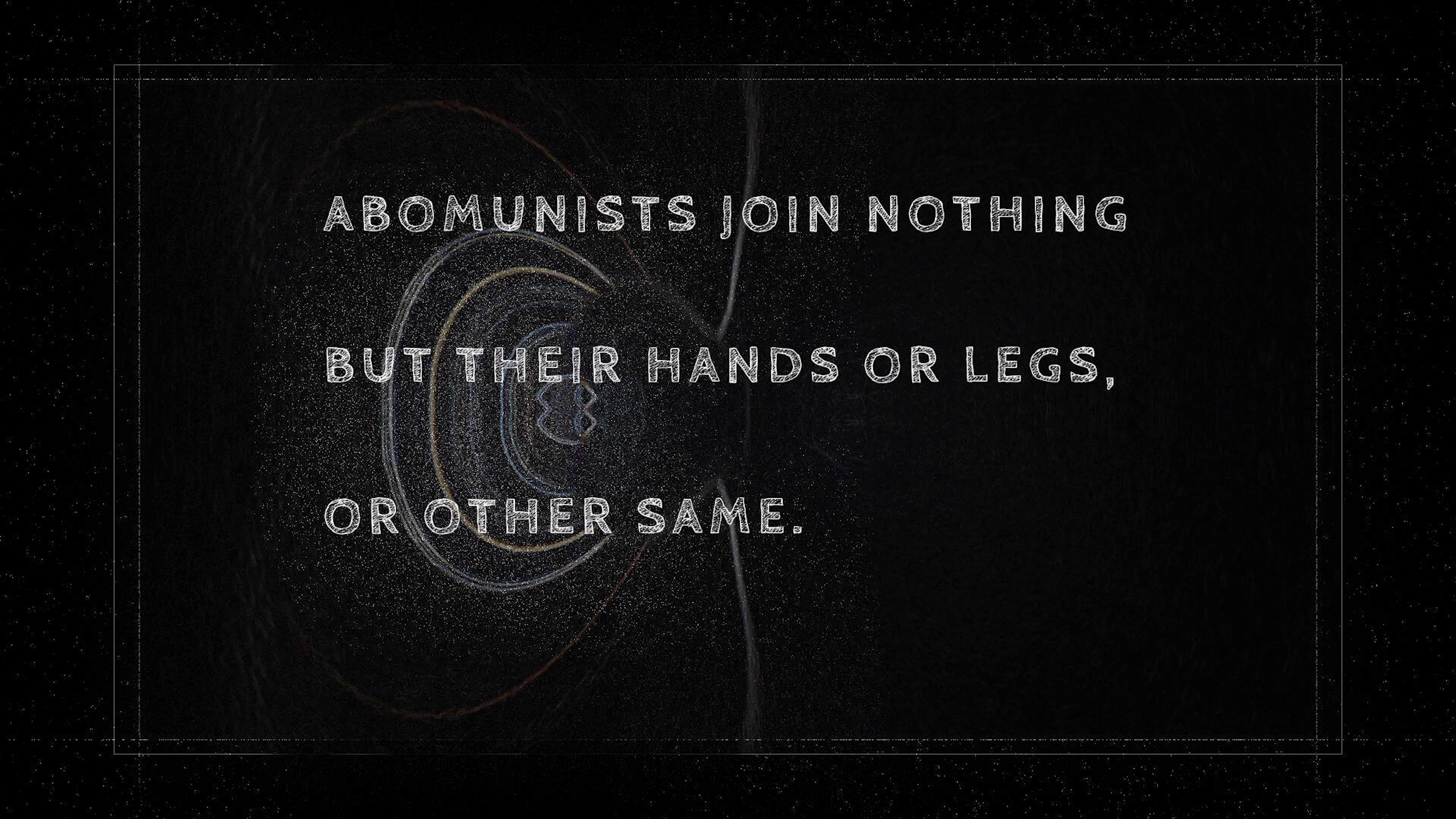

Over the last two years, I’ve been developing a theoretical and critical framework titled ‘Subaltern Futurism’. Subaltern Futurism is envisioned as a speculative resource framework for artistic research, practice and the technological education of marginalised. Drawing from anti-caste literature, critical race theory, bahujan solidarity practices among other guiding experiences, it asks if artistic practice can become pedagogical tools to communities that are excluded from regular access to critical discourse around contemporary art & technology. The framework views technology through a sociological lens, as a fundamental right and shared resource. It expands upon Gramsci’s post-colonial notion of the Subaltern as ‘colonial populations who are excluded from the hierarchy of power’ to include the current state of digital colonisation, the shared sites for the digital commons and sections of technology users rendered ‘subaltern’ due to the capitalist pursuit of efficiency. Subaltern Futurism speculates that developing empathic relationships with technology through a range of critical & pragmatic actions can assist in the imagination of radical futures that are diverse, inclusive and conducted from multiple geographies especially arising from the global south and from contexts outside of euro-centric biases of inquiry. By considering a very wide scope at the outset, it is envisioned as a multi-year generative project occurring as various modular forms and widely disseminated within the ethos of open access.
Continue reading “02 Subaltern Futurism”
Find out more about Vishal’s work by visiting his studio.
In the past week I tune in with two live streaming, I used hubs to build a 3d space for the future workshop. The workshop is expected to be hold at the end of the residency, somewhere closer to the week of the 20th. The reason to use hubs is that it allows participants to use existing models lively. So during the workshop, they can just create things really fast. Also using the internet as the platform instead of the real world fits the idea of migrant utopia out of physical space into an idea. Although during the workshop I will still ask participants to picture utopia out of the real world. I will play some demo with some of my friends in the next live streaming. I am using this software called hubs from Mozilla, and here you can see I am using its environment building software called spoke.
Continue reading “03 Building Utopia on Hubs for workshop”
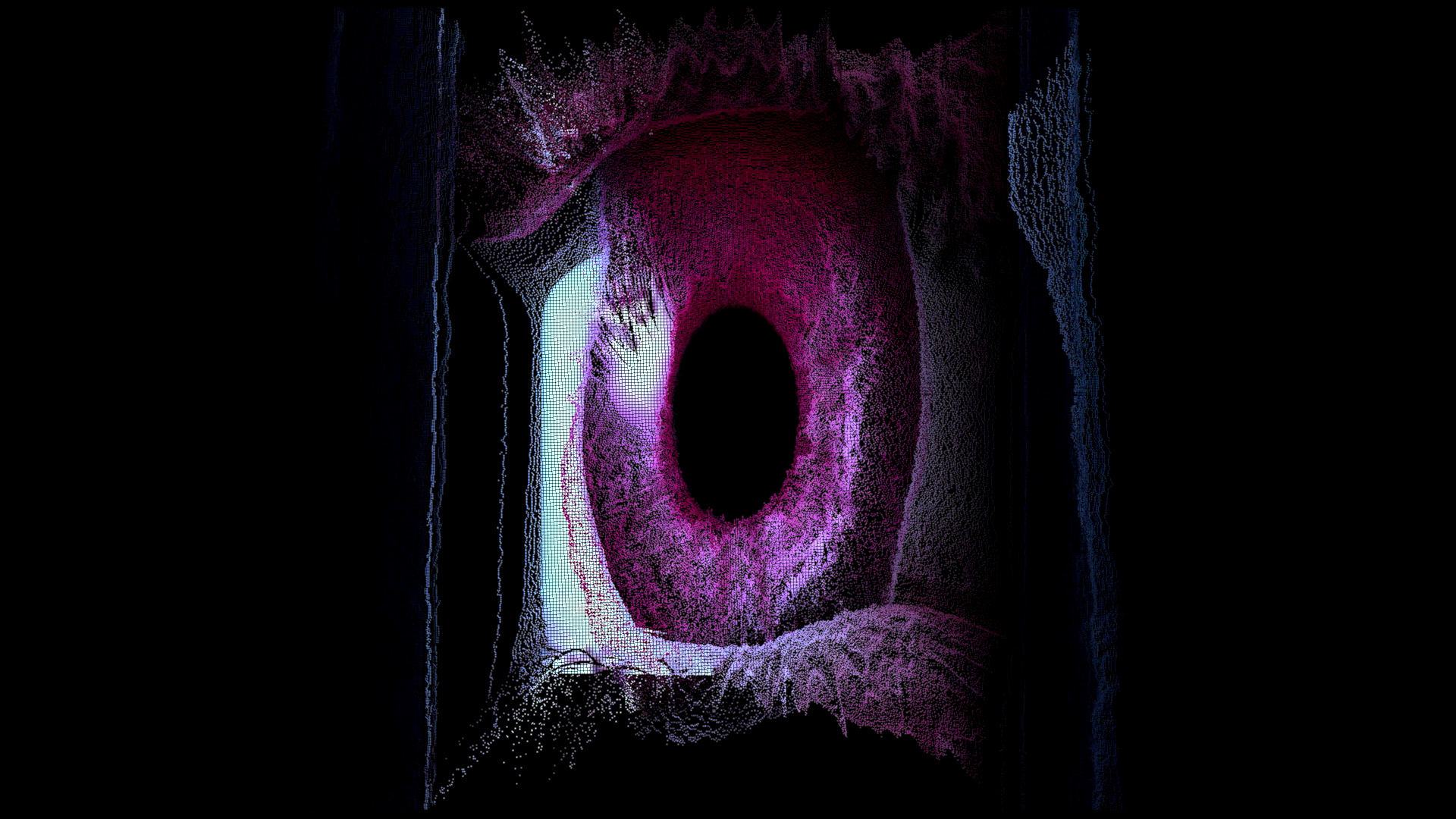
In 2020, I was able to bring the ideas behind Subaltern Futurism as a speculative framework into my practice through my work Swaayattate (Autonomy). The work is an investigation into the complex entanglements of the synthetic and organic worlds. Taking the form of a bi-lingual trilogy, the films are set inside a computer repair marketplace in Bangalore and examines the nature of human-machine relationships through the contemporary lens of gender, caste and labour. The narrative moves between multiple timelines as the evolution of an embedded neural network references prescient concerns around language, accessibility and justice.
Portions of the script for the films were written in collaboration with a text based neural network GPT-2 Transformer (https://transformer.huggingface.co/) extracting & revealing the extent of encoded biases within this AI model. GPT-2 is essentially a text generator similar to the autocomplete functions on our phones. You can input words or sentences and the neural network generates the next word or sentence using pre trained machine-learning models. Widely hailed as being very close to human speech and syntax, my interactions with the language model has proven this to be highly misleading as they contain encoded biases brought over from the subjectivity of the programmers and its own training data. Chapter 2 ADI, speculates upon this process of transference of social biases into algorithmic ones.
Excerpt from Swaayattate (Autonomy)
There are multiple strands of thought I’m following and working through my findings at the moment. I usually do this by identifying the emotions that certain research materials stir up as I engage with them and then head off on a journey to locate its companions in a way. Imaginations of ‘what else might complement this’ guide how I proceed or retreat and the connections I end up making are often circuitous and serendipitous.
I attribute this to the sense of wonder I have for technology in general and the internet in particular. I have visceral memories of being enamored by the sheer power of being able to access random streams of knowledge that had nothing to do with school work as a kid and I’ve held on to these memories quite strongly. They help me determine when I stop the process of ‘making’ my works and how I determine if I am sufficiently intrigued by the things I create.
Continue reading “01 Thoughts on Race & Technology”
Jamie Wyld (videoclub & Vital Capacities’ director): Thanks for being part of the Vital Capacities residency programme! Can you say a little about yourself and your work?
Vishal Kumaraswamy: Hi, my name is Vishal Kumaraswamy I’m a Bangalore based Artist & Filmmaker. Within my practice, I work across AI, text, video, sound and performance and I look for points of convergence between Caste, Race & Technology. My works a by weaving speculative narratives & counter-mythologies in multiple Indian languages around themes of Artificial Intelligence, Gender & Labour.
Continue reading “01 Interview with Vishal Kumaraswamy”
I’ve been working on this project for the past two years, during the time I made two videos that related to the subject. As I mentioned before, I couldn’t digest the subject into one simple work.
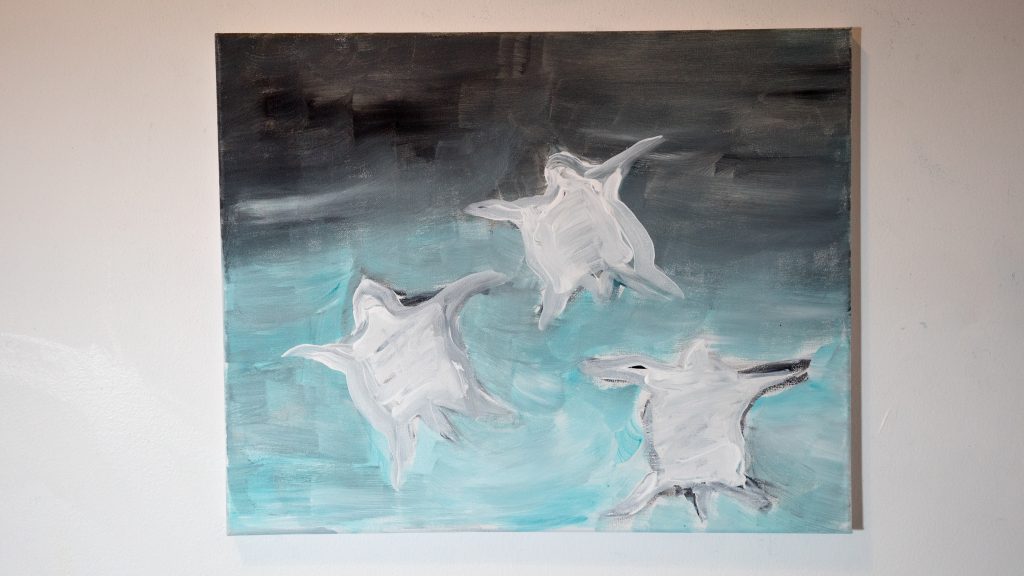
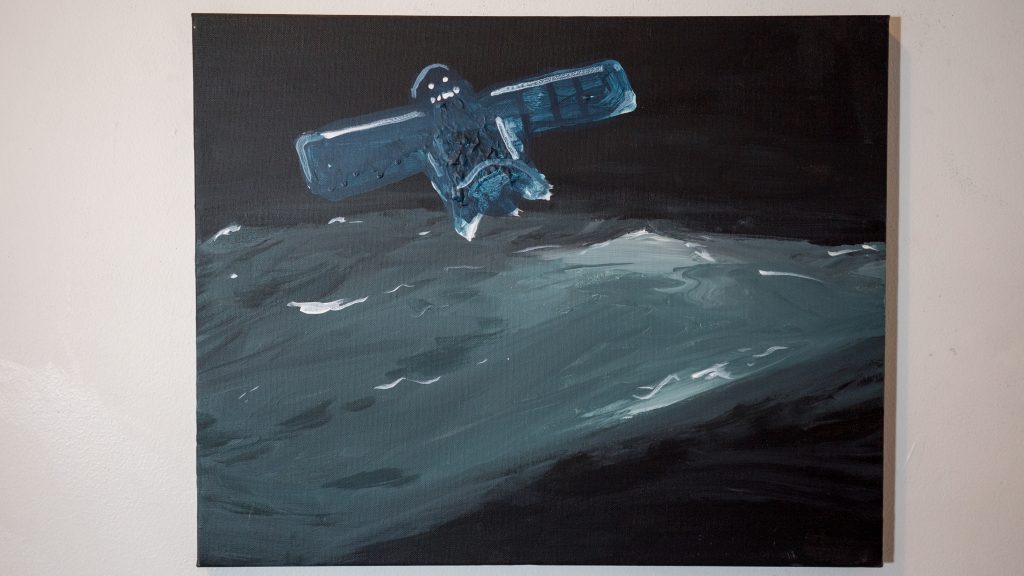
The Journey begins at the end of 2017 after I finished a project called “The Yellow Snake Is Waiting”. As usual, I look inward to see what is that thing I want to express in the form of Art. I started to paint. I painted some sea turtles and artificial satellite
◐◒◑◓ 6 months past ◴ ◵ ◶ ◷
In 2018 during my 6-month residency at Trestle Art Space, I was thinking about the relationship between sea turtles and artificial satellites. 20000 miles under the sea caught my eye, one of the main character Captain Nemo, he lost his family back to his hometown now he traveled the underworld took it as his land. This reminds me of the idea of Utopia, my journey from Taiwan to the United State. My research shifted from artificial satellite to Utopia…
Continue reading “02 The Beginning: Two video works in the past two years that related to this project #Utopia #Satellite #Displacement”
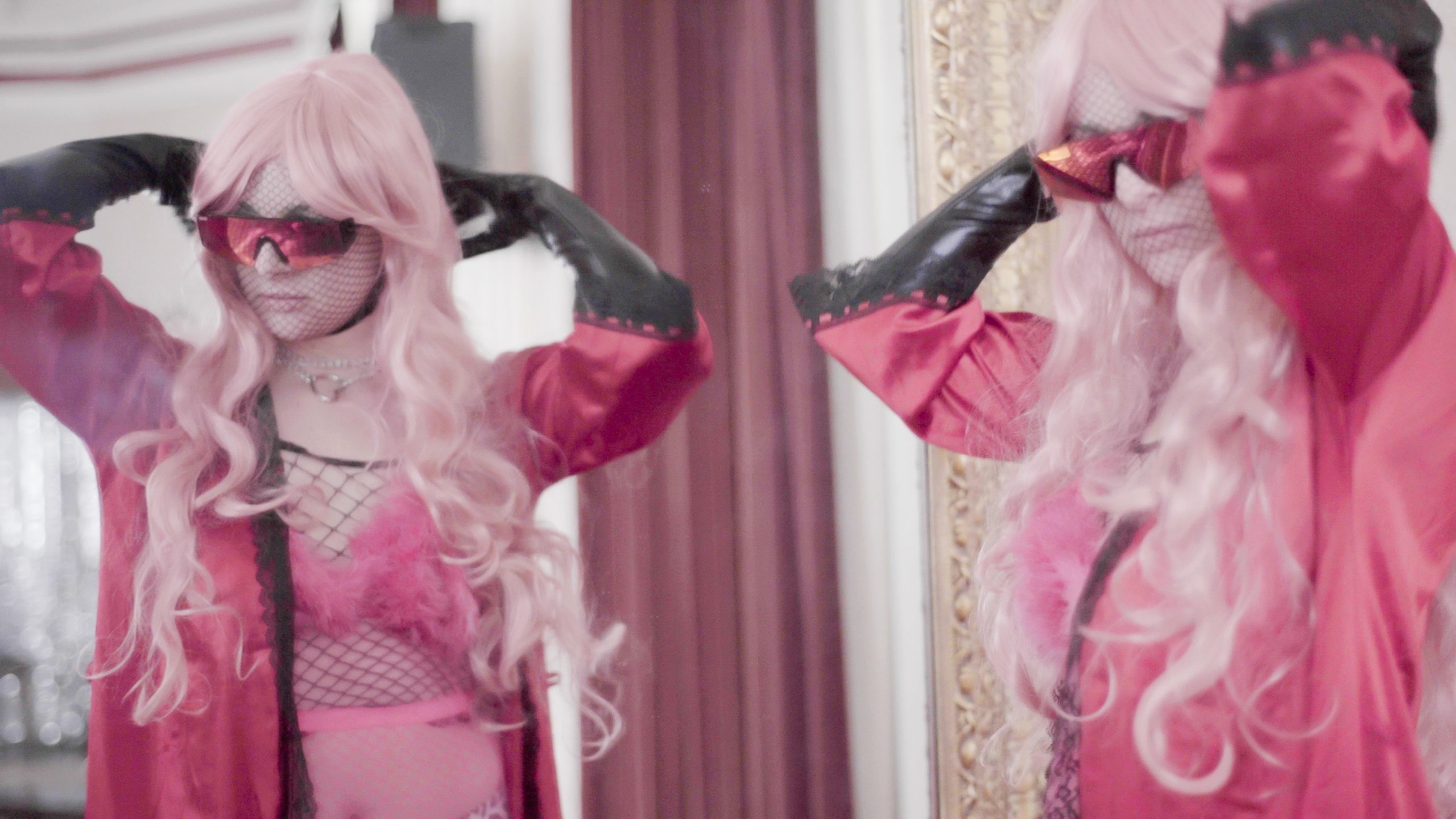
Jamie Wyld (Vital Capacities’ director): Thanks for being part of the Vital Capacities residency programme! Can you say a little about yourself and your work, perhaps in relation to what you are thinking about doing during the residency?
My practice engages moving image, performance, sound, installation and textiles and explores the intersection of politics and feelings, tackling perceptibly static subjects such as history, nationalism and power, through affect, desire and collective memory – informed by my own experience as a queer woman and immigrant to the UK from Eastern Europe. I am interested in the capacity of art to move us through our shared vulnerabilities and enable us to problematise how history is written and traditions represented.
Continue reading “Interview with artist Katarzyna Perlak”
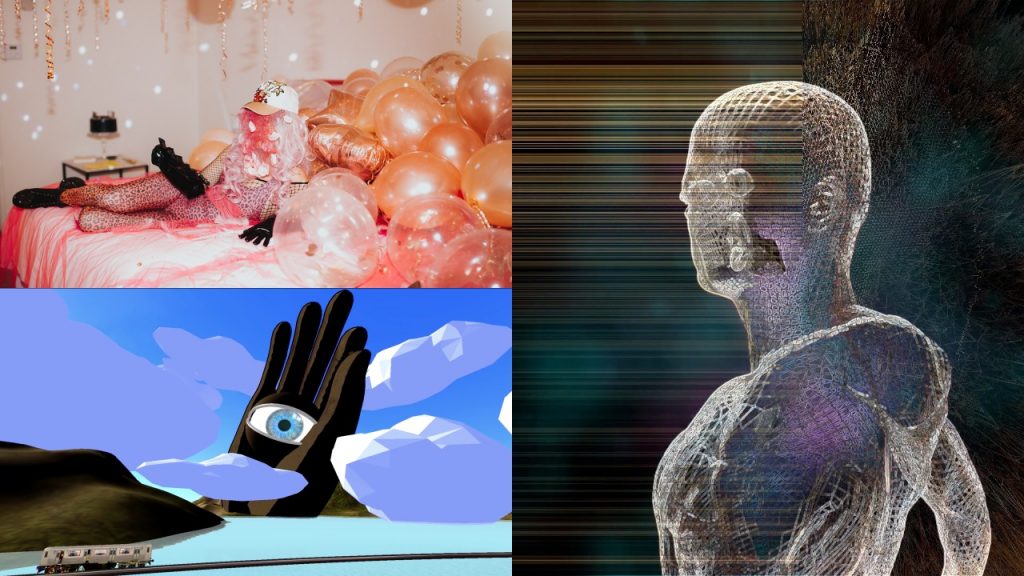
We will be delivering our third residency programme on Vital Capacities – bringing together artists from UK/Poland, India and Taiwan, which will take place throughout May 2021. Artists will be experimenting with ideas, developing new projects and sharing work with audiences. The artists are:
Continue reading “New international artists for May 2021”
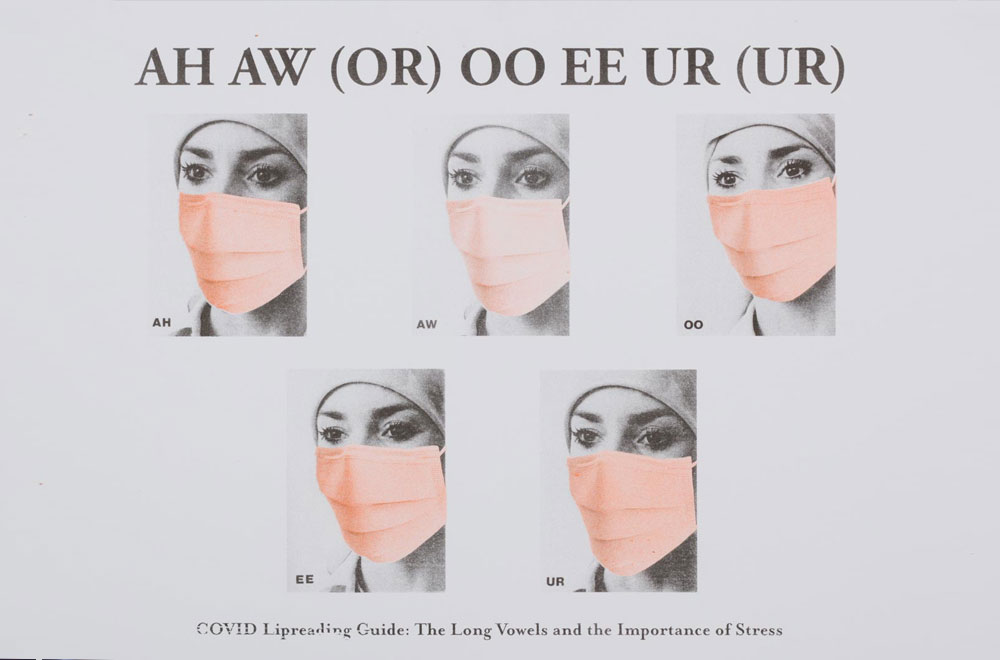
Disability Arts International’s Joe Turnbull spoke with videoclub and Vital Capacities’ director, Jamie Wyld about the development of Vital Capacities. Read the article on Disability Arts International.
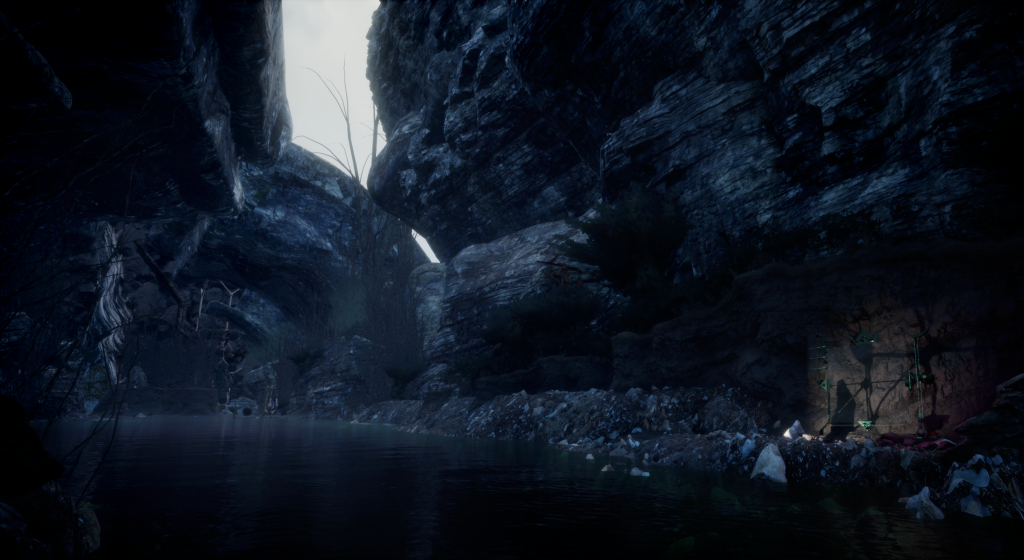
The initial plan was to create a loop map in order to represent the continues endeavour we find our selves in searching and freeing fish. But over the residency period I pursued on an end goal. That end being the Tree of life!
In older versions of tuner we have been deprived of Vegetation, leaving a more sterile approach. But this has been hard as I love trees. And now with this new reincarnation of Tuner and its updated water system allowing the ability of more vertical landscapes (rather than water line dependent), evolves for more irregular and hopefully interesting environments.

Inside Your Body is an exhibition of work created by Jaene F. Castrillon, Damien Robinson, Clifford Sage and Angela Su during a month-long online residency on Vital Capacities in November 2020.
The exhibition can be seen on the exhibition page from 7 December 2020.
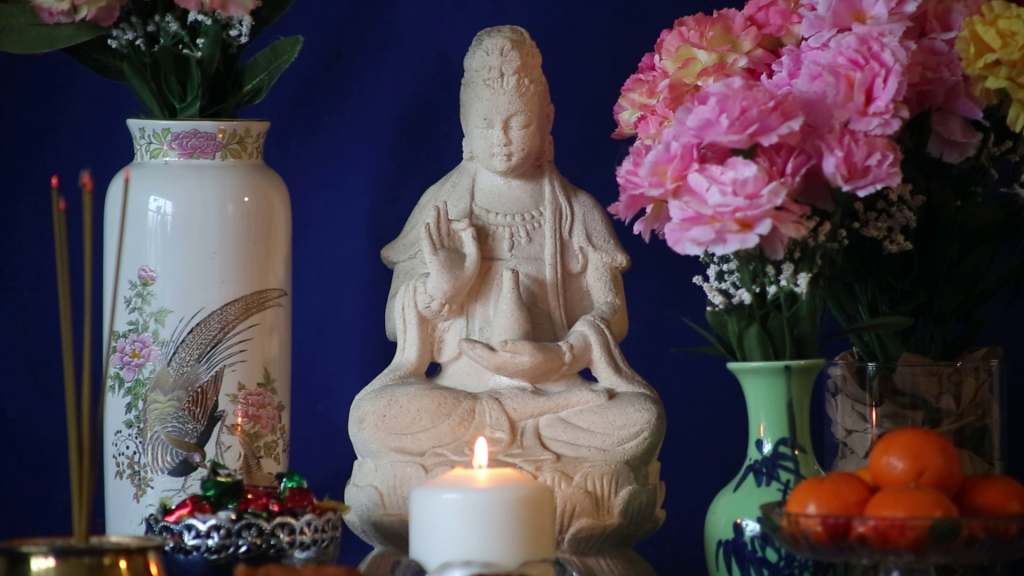
Growing up my mother always had something, a drawing, a statue, a picture she treasured of Kuan Yin. The one I think of the most; she is standing on a lotus flower in full bloom, her left hand pouring water from an elegant vase and her right holding a plant of some sort, usually a delicate one like wisps of willow or something like that.
Continue reading “Teachings of Kindness”
I was nominated for Vital Capacities via Tangled Art + Disability. My journey with them started with the exhibition Thaumaturgy. I believe it was our 2nd or 3rd meeting that accessibility training was conducted, in depth instruction was provided so that our exhibition was developed on a foundation of accessibility grounding our direction from day one to be accessible to people of different abilities.
Continue reading “Working with Tangled Art + Disability”


