Accessing this site
 Display settings
 Artist login

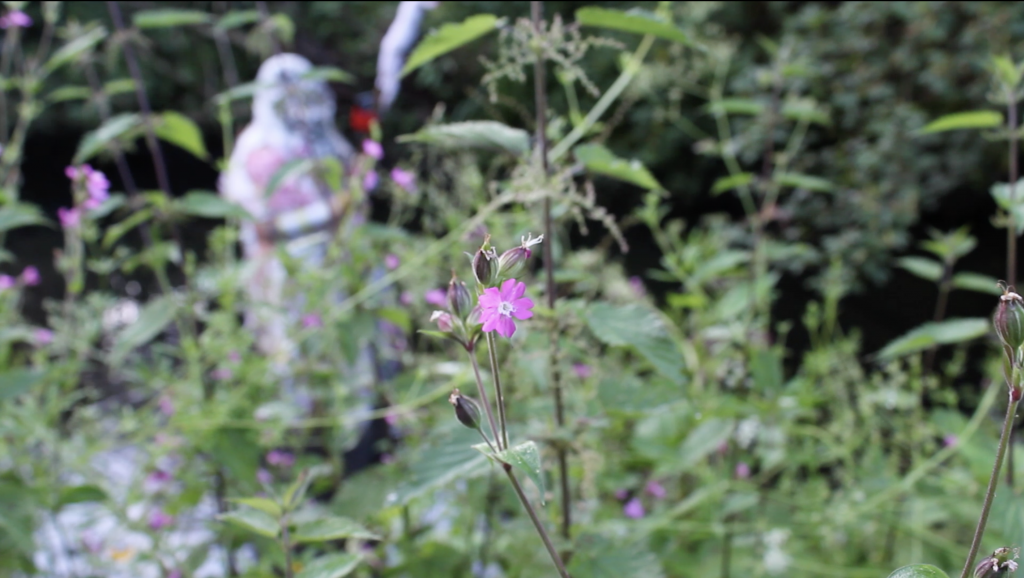
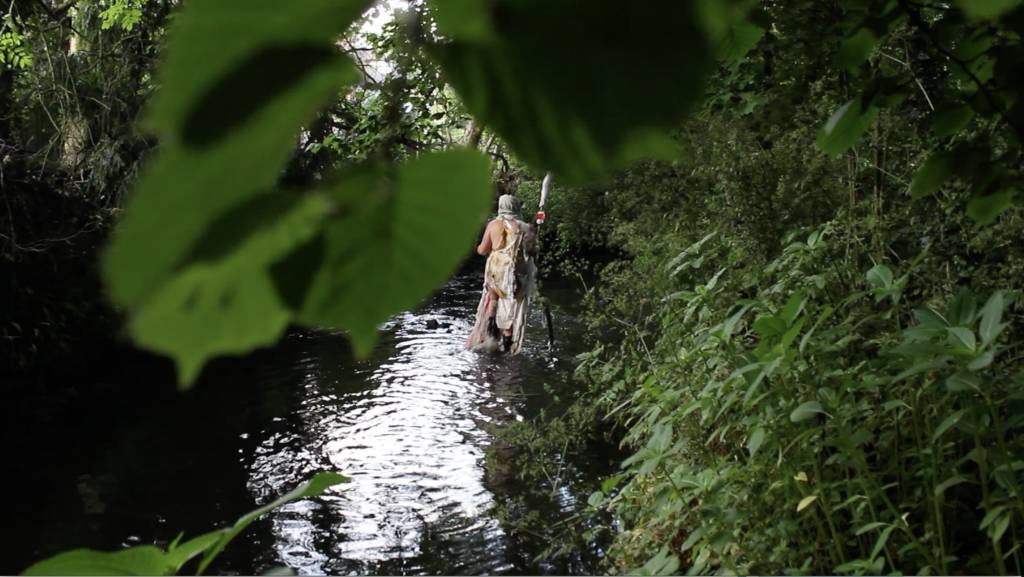
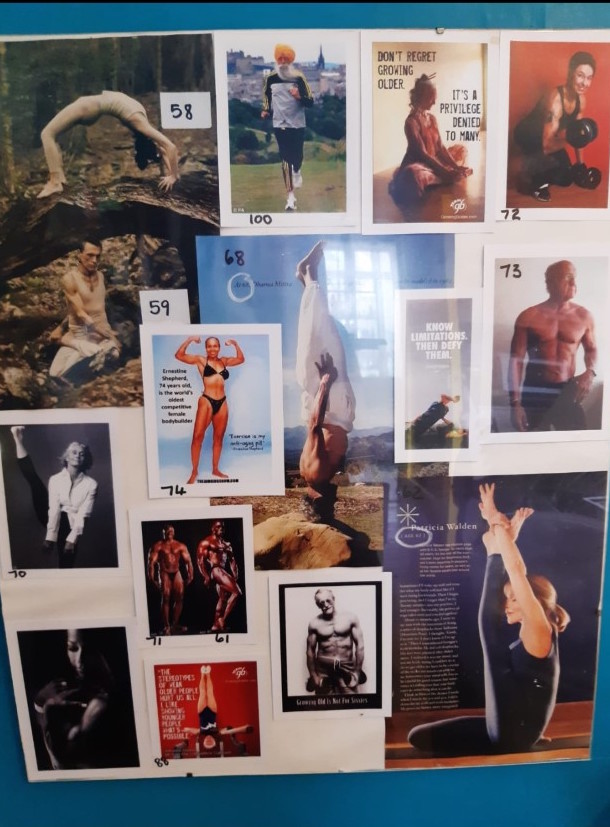
Growing up, my Mum, like my previously mentioned biological Dad, was also into body building and fitness in general.
For as long as I can remember she has kept mood boards of desirable body types and ideas of what is ‘healthy’ that she aspires to, around the house. These are the current ones which have been sat in her kitchen for the past couple of years which are very age focused. They used to only feature body builders when I was younger but more recently yogis, swimmers and runners have joined her fitness inspo crew as her own interests have diversified.
When I mentioned the body boards in passing to a disabled friend of mine a couple of years ago, they asked me what it was like to be around these images when you’re not physically able to ever attain one of these bodies. I was so used to them being around, posing next to the fridge, gleaming on the wall of whichever corner of the house she’d displayed her weights, that I had never really thought about it. I still don’t really know what I think about it now. I mean, I don’t tend to judge how other people want to decorate their houses or what they do to make themselves feel good.
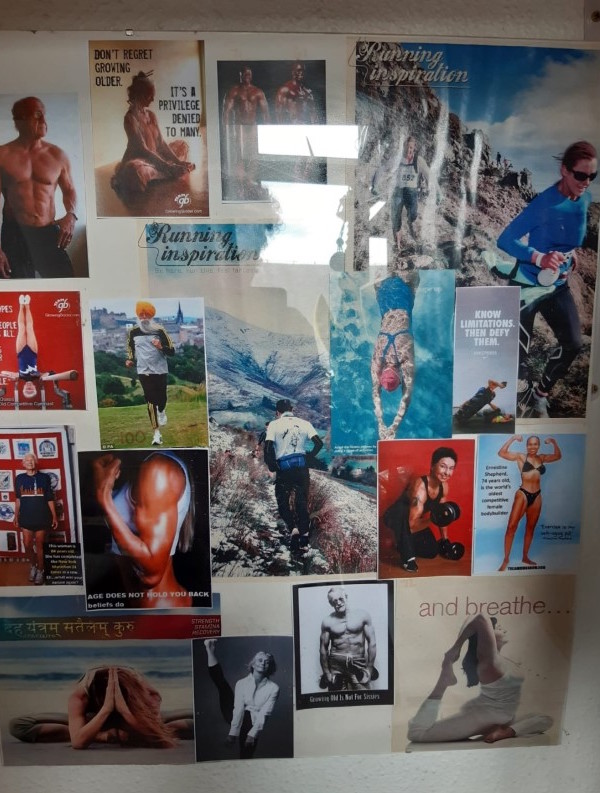
I may not be able to attain one of these bodies but my body is pushed to it’s limits in a different way. It’s not by choice and the experience may not appear how you might expect it to. I’m no athlete, training to impress you with a record breaking, gold medal, fastest time, personal best PERFORMANCE. I don’t want to be anyone’s inspiration for managing to get through the day either.
I might start making mood boards of people just lying down, looking really comfortable watching telly and put them up around my house. It’s one of the only physical states I desire. (Which by the way, are very hard images to find because everyone looks stiff and staged). The other physical states I desire are only attainable through different forms of visualisation; alien, jelly creature, plant, cyborg, insect, sea creature, goat, mascot and floating air molecule. This is what I use to escape the pain of my physical form. I keep digital collections of images of these bodies, which I guess is a similar practice to my Mum’s boards.
We all do what we’ve gotta do.
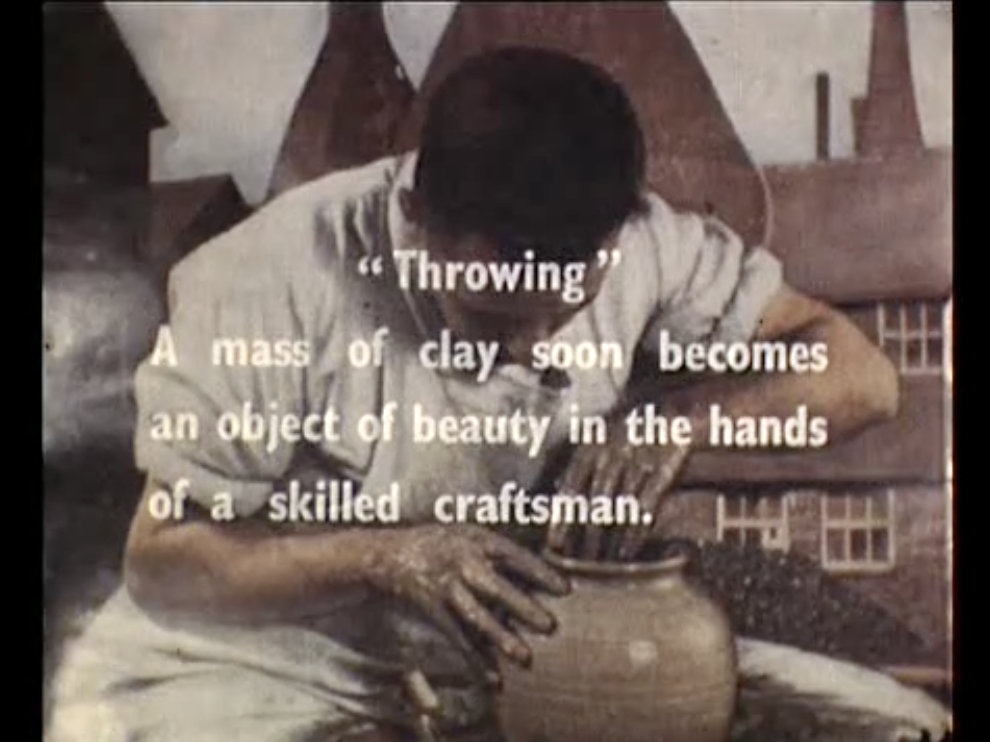
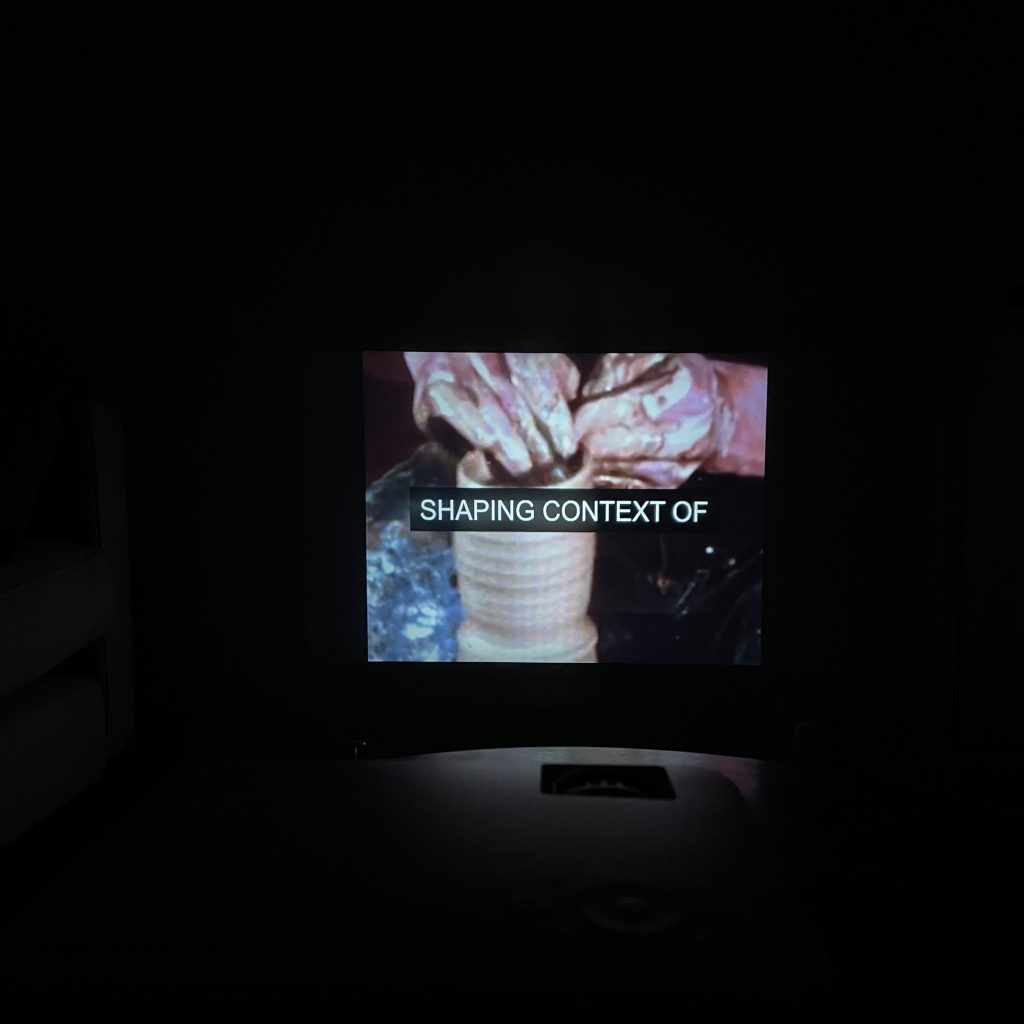
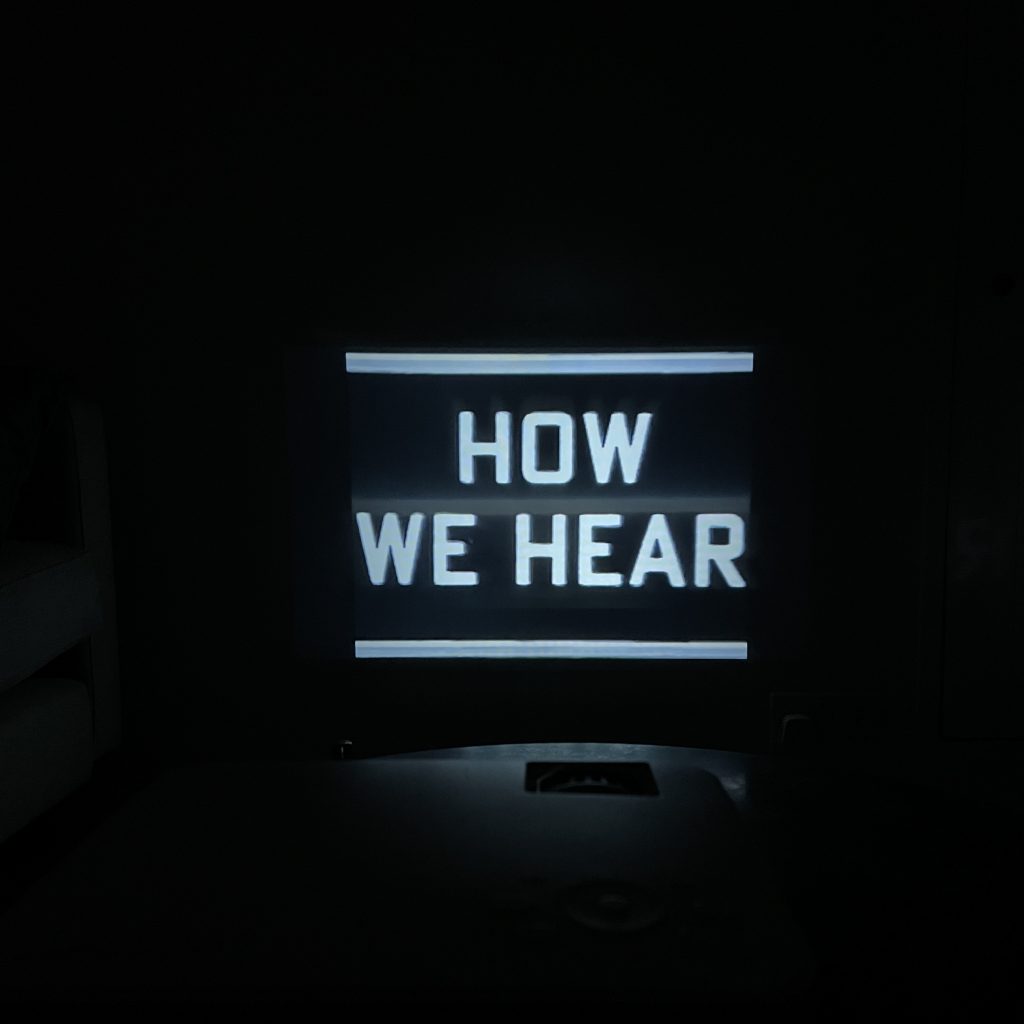
In this post, I’m going to explain why I am using visual of the ceramic throwing process and hands crafting. In the picture above, the definition of throwing is described as “A mass of clay soon becomes an object of beauty in the hands of a skilled craftsman”- this description resonates with my intention of turning the subtitle into something of beauty, and something that should always be included from an accessibility point of view. On a side note: the word “craftsman” should be changed to craftsperson or maker (unfortunately, some old film archives can reveal archaic gender stereotypes).
Craft videos are fascinating as they frequently show pairs of hands making objects from a shapeless form into something beautiful. For me, this formation presents a parallel between the idea of digitally shaping words into the language of subtitles, exploring its poetic nature. I’d like to thank Will McTaggart from North West Film Archive for the recommendation of the beautiful craft films by Sam Hanna—to view these, this website has a compilation of Hanna’s craft films- the link is here.
As we are reaching the end of June residency, I would like to focus on making a visual connection between videos of hands throwing, crafting, intertitles, and open captions using re-written subtitle language.
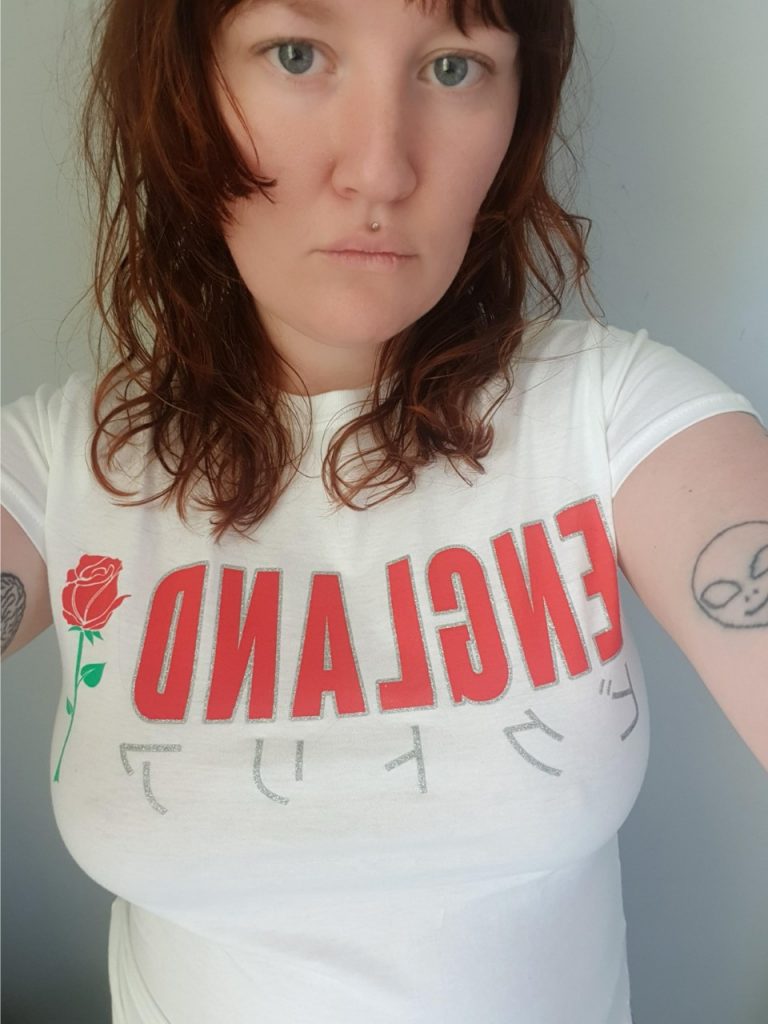
I found this tshirt for two quid from a shop round the corner from my house. I’m not really into patriotism but I’m feelin pretty underwhelmed by the games I’ve seen so far and I want to try and get into the spirit while watching at home. Let’s hope tonight’s game is a little more exciting!
There is too much to say about what I love and hate about MMA culture, the UFC and their reality recruitment show, The Ultimate Fighter (TUF), because time is ticking away on this residency.. but I feel like I can try to sum it up briefly with some video examples and I will just say this… What I learned during an intro session at a pro MMA gym (that I got for my partner for their birthday for a lol) is that MMA is not about your gender, size or strength, it’s about how you use your body to protect yourself. In contrast to many other sports, it’s about not pushing your body to it’s limits as much as possible.
Things I like about the UFC: the build up, the creation of the persona (and presented as multidimensional beings (eg. Maurice ‘The Crochet Boss’ Greene), the shit talk, the theatrical walk-outs, Bruce Buffer’s suits, the working class culture of the sport and the social engagement that self-defence gyms bring to low-income communities, the equal reverence for both male and female fights, the tattoos, it’s international reach and the blatant homoerotica.
Things I don’t like about the UFC: Dana White, the lack of diversity in the ‘ring girls’, allowing fighters in the ring who have committed violence outside of it, casual xenophobia and racism, the fighter’s pay not reflecting their contribution and work.
Okay now for the fun part:
My favourite fighter is Israel ‘the last style bender’ Adesanya for his choreographed walkouts and unique dance-like fighting style as well as his confidence. His desire for hyper ability extends to the superhuman as he has repeatedly asked Marvel to cast him in a superhero movie or create a superhero based on himself. Here is his walkout for his last fight a week ago (there is some flashing imagery in the first 15 seconds of this clip):
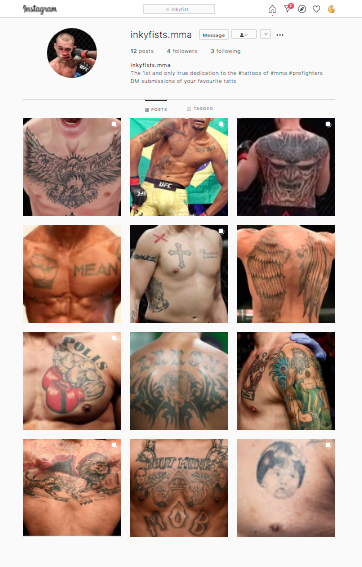
Me and my partner casually run an Instagram account dedicated to the tattoo culture of MMA fighters, called inkyfists.MMA. I really like the way that they choose to mark and decorate themselves and I have some tattoos inspired by that too
The page from [reading] [sounds] I posted earlier last week produced a question that has been pondering on my mind- what word could be used to represent silence in the subtitle?
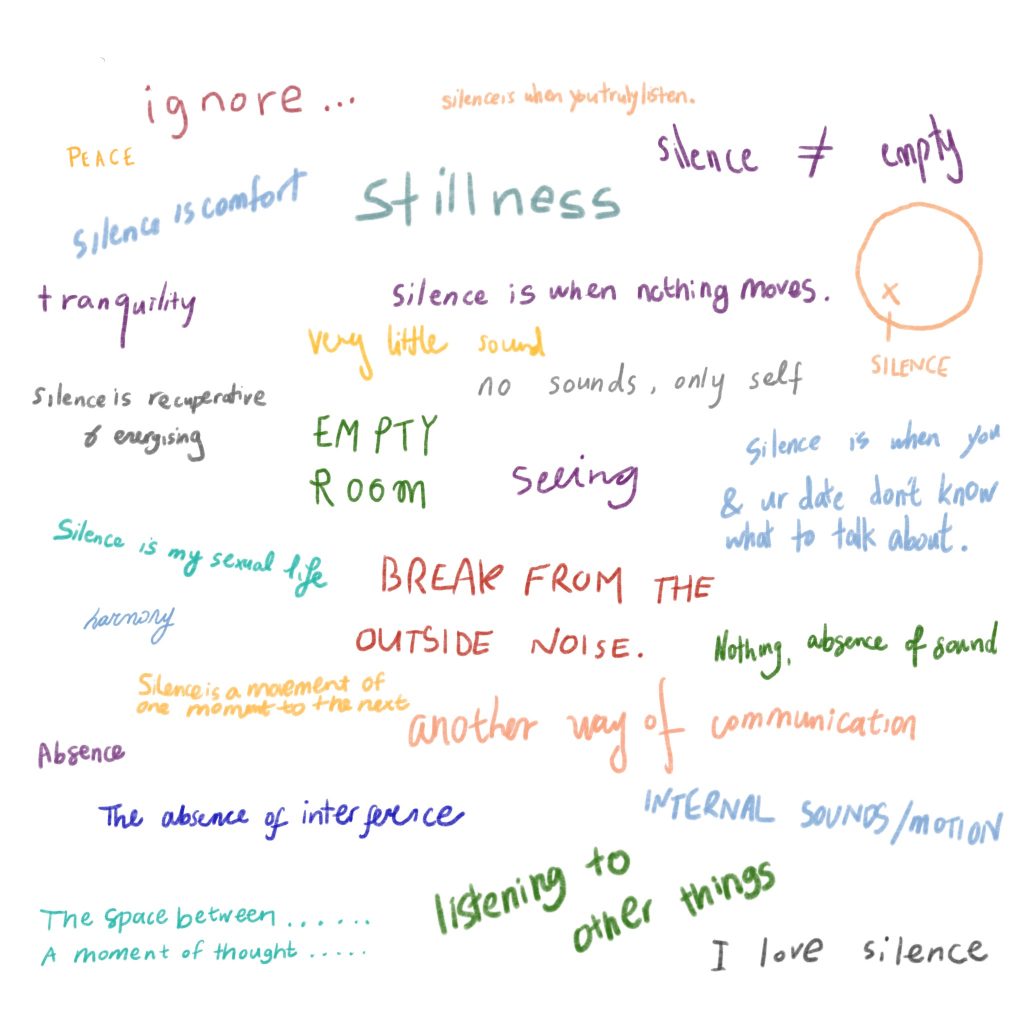
I wanted to share the responses I have collected from people during my work in progress show during my MA year 2017. I had a sketchbook laid out in front of the audience asking the question “WHAT IS SILENCE?”
The answers I received were all different and made me realise that silence can be represented in a poetic and abstract way.
Below is the digital collation of selected answers from the sketchbook.
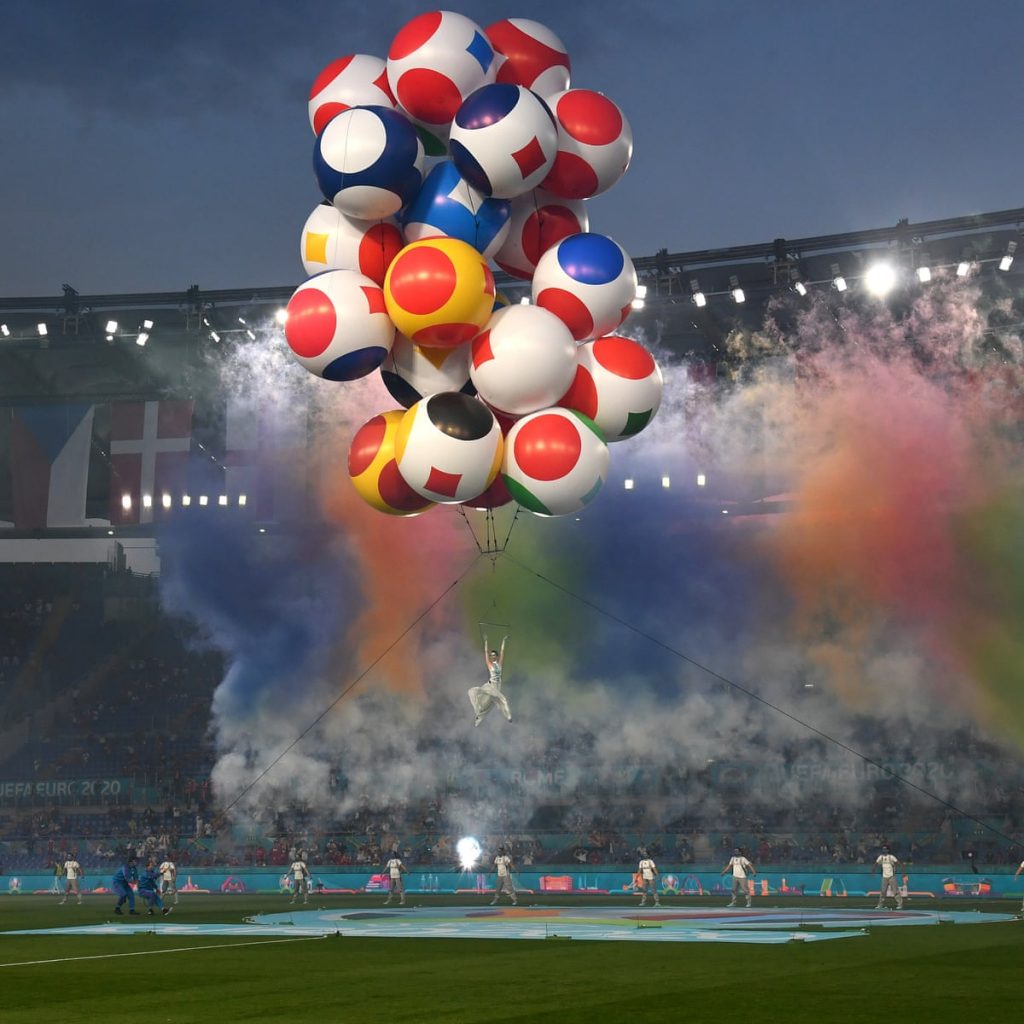
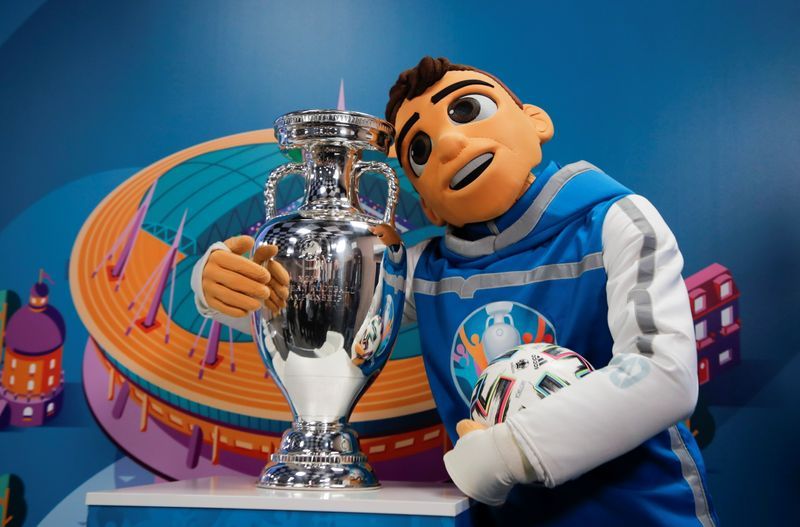
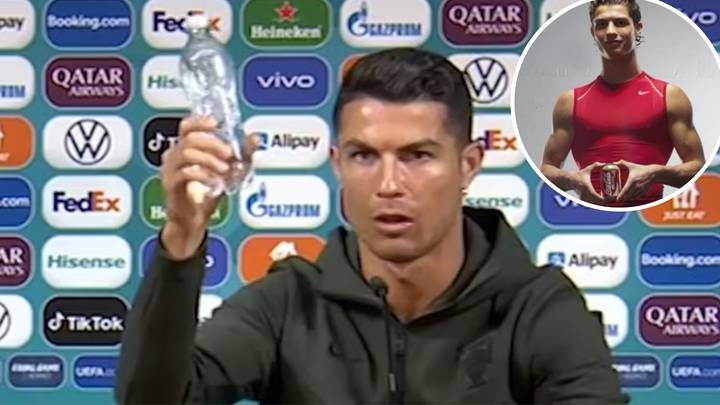
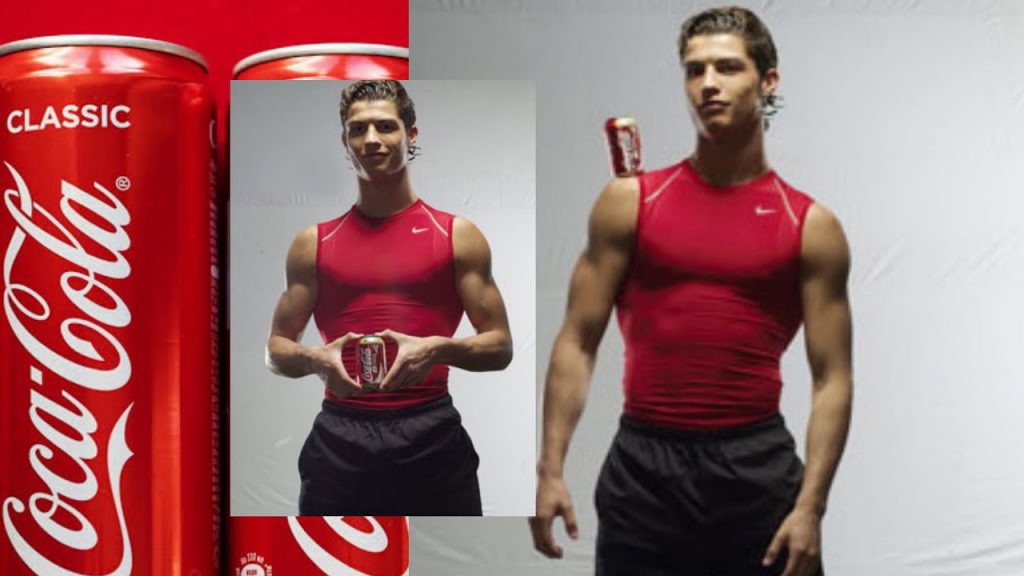
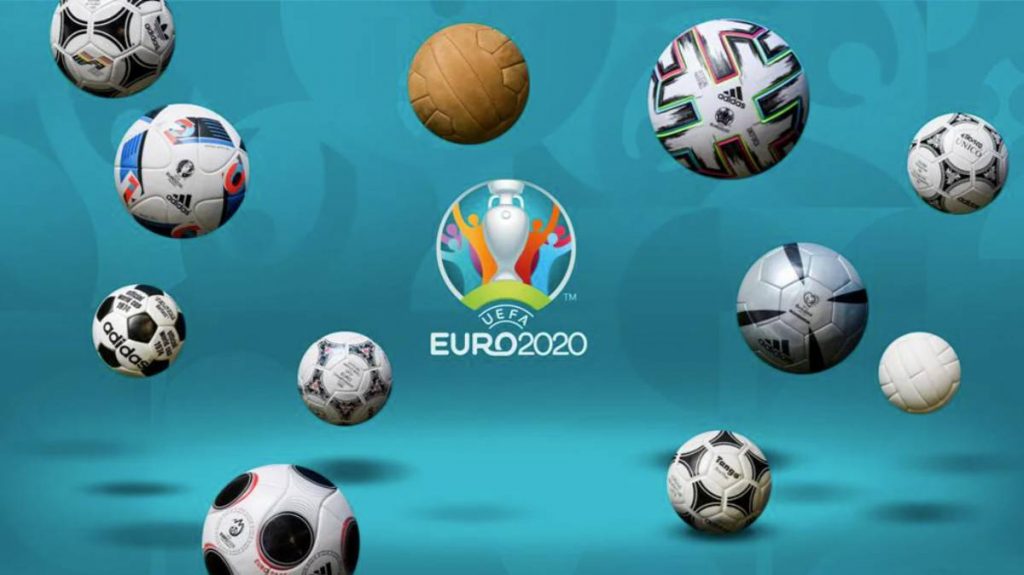
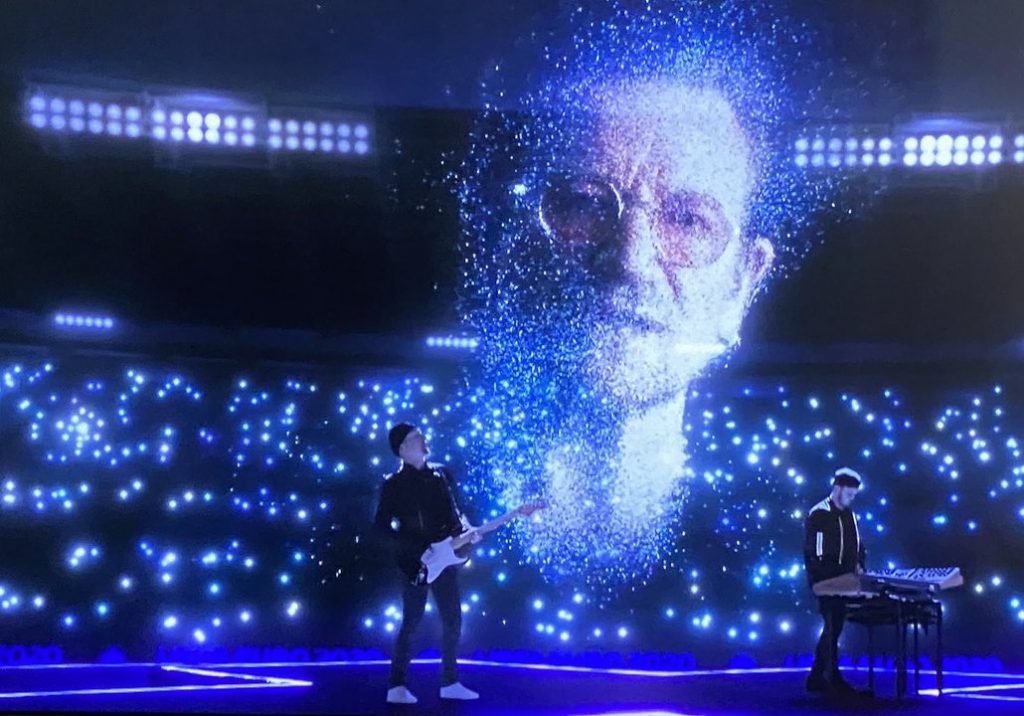
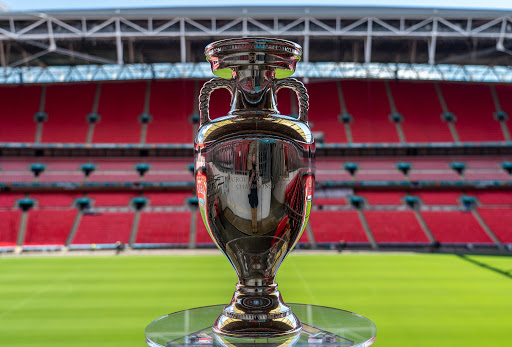
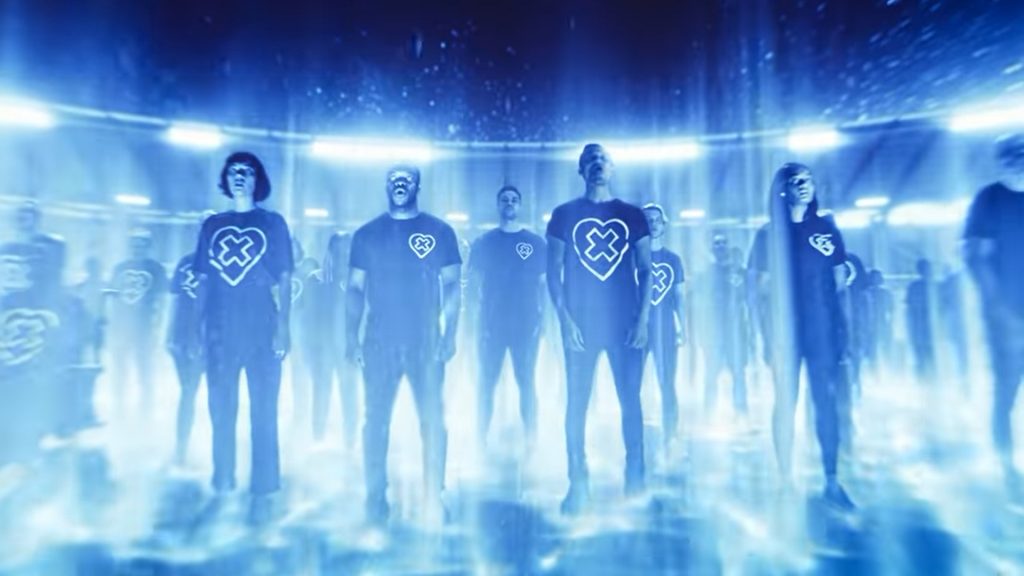
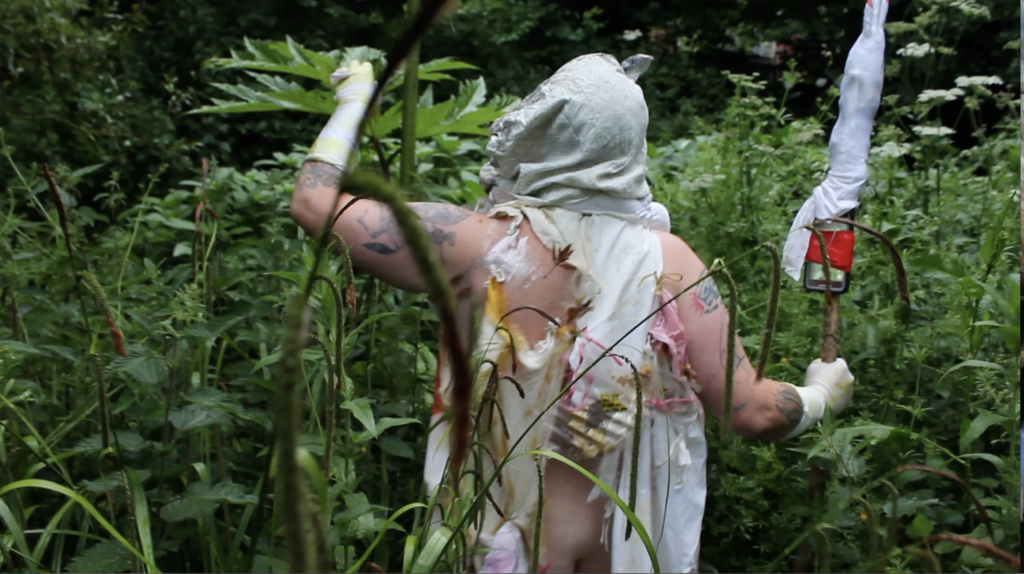
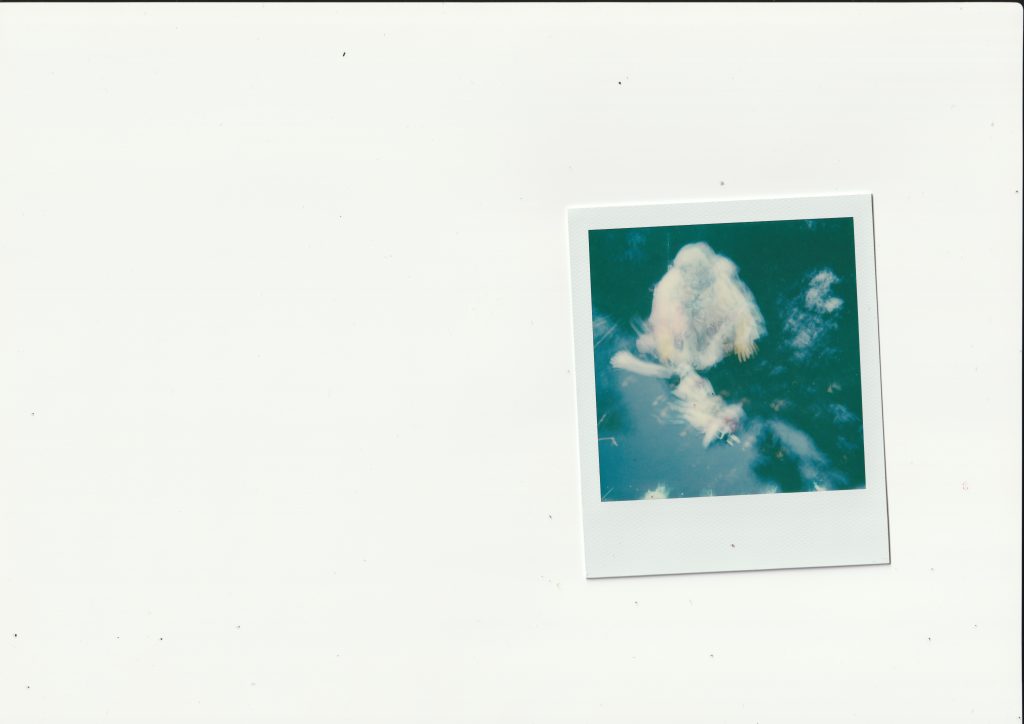
If you head over to my studio, I wrote a review of the Euros opening ceremony. These are a few images which capture the moments that inspired me. I hate mascots that try to look like real people, where is the fun in that..
![Page 183 of the book [reading] [sounds] by Sean Zdenek - title of chapter "Captioned Silences and Ambient Sounds" Below the title, the paragraph starts with "As counterintuitive as it may sound, silence sometimes needs to be closed captioned. Captioners not only inscribe sounds in writing but must also account for our assumptions about the nature, production, and reception of sounds. One of our most basic assumption is hat sounds are either discrete (with a clear beginning and end) or sustained (continuous). Sustained sounds, including sounds that are captioned as continuous or repeating (e.g., using the present participle verb+ing, as in [phone ringing]) may need to be identified in the captions as stopped or terminated if it's not clear from the visual context. That is, if we can't see the phone being answered or the ring being turned off, the captioner may need to mark the termination of the ringing sound. We also assume as moviegoers that the world is never technically silent. Ambient noise provides context. True silence is rare on the screen. In the real world beyond the screen, the same assumption holds.Sound waves envelop hearing viewers even in "silence." The total absence of sound can only be achieved on Earth artificially in an anechoic chamber, a room designed to block out exterior noise and absorb interior sound waves. Designed to test product noise levels (and not human tolerance levels), the chamber reportedly causes hallucinations and severe disorientation in hearing visitors who spend even a little time in one (Davies 2012):"](https://vitalcapacities.com/wp-content/uploads/2021/06/IMG_2319-768x1024.jpg)
This chapter of the book starts with the sentence “As counterintuitive as it may sound, silence sometimes needs to be closed captioned.” I couldn’t agree more with this line because it is so easy for captioners to oversee the importance of including silence/ambient sound and the difference this makes for viewers to understand the story better. There have been several occasions where I could hear something happening on TV (ambient sound in films that adds to the atmosphere/scene) but no word appears in the subtitle section to give me an answer to my curiosity.
Can silence be captioned? How can one interpret silence into words?
“A large proportion of the U.K. television audience relies on subtitles. The BBC’s audience research team has run two audience surveys for us over the past two years. Each used a representative sample of around 5000 participants, who were questioned on that day’s viewing. The responses indicate that about 10% of the audience use subtitles on any one day and around 6% use them for most of their viewing. This equates to an audience of around 4.5 million people in the U.K., of which over 2.5 million use them most or all of the time. Importantly, not all subtitle users have hearing difficulties, some are watching with the sound turned off and others use them to support their comprehension of the program, while around a quarter of people with hearing difficulties watch television without subtitles.” (from the article published in 2017 titled Understanding the diverse needs of subtitle users in a rapidly evolving media landscape)
It is important to note that not everyone that uses subtitles identifies as d/Deaf or hard of hearing. In my recent research, I found an article written in 2006 discussing subtitles used by 6 million people with so-called “perfect” hearing. In the comments section, some individuals have shared why they enjoy using subtitles, their answers included that of providing a distraction for kids, learning English, or being able to multi-task etc. The link to the article is here.
Can subtitle capture emotions on screen? How does reading subtitle enhance the experience of film watching? When you read the subtitle, what kind of tone do you read in?
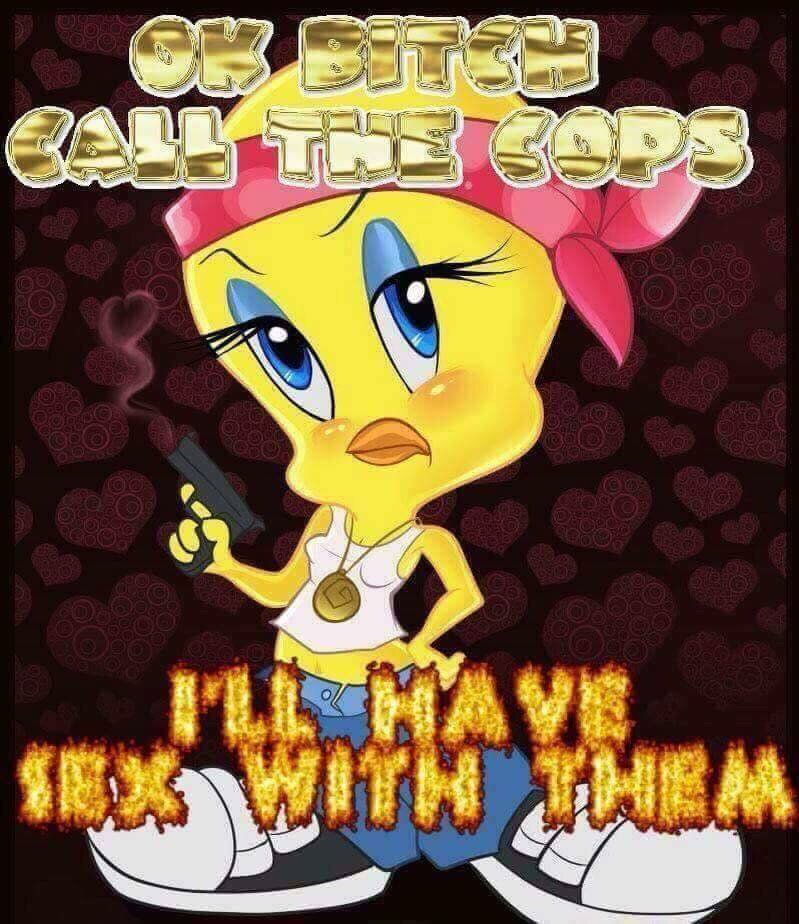
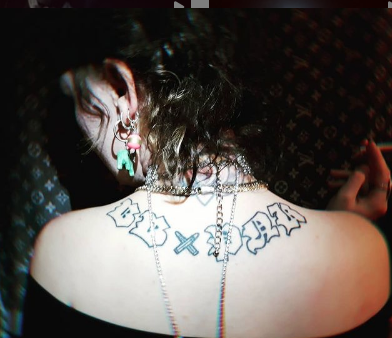
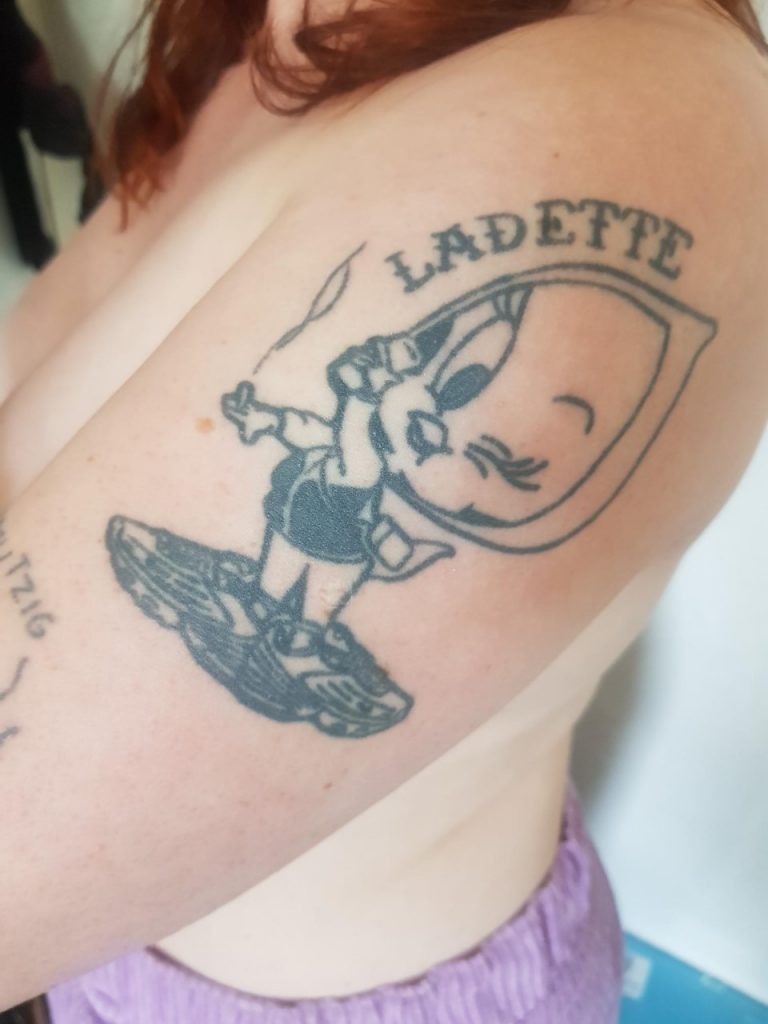
Tweety Bird, whose gender was intentionally ambiguous in the original Looney Tunes cartoons, is one of the first and only examples of a non-binary character in mainstream media that I really relate to. I even have them tattooed on my arm with the word ‘LADETTE’ (see below).
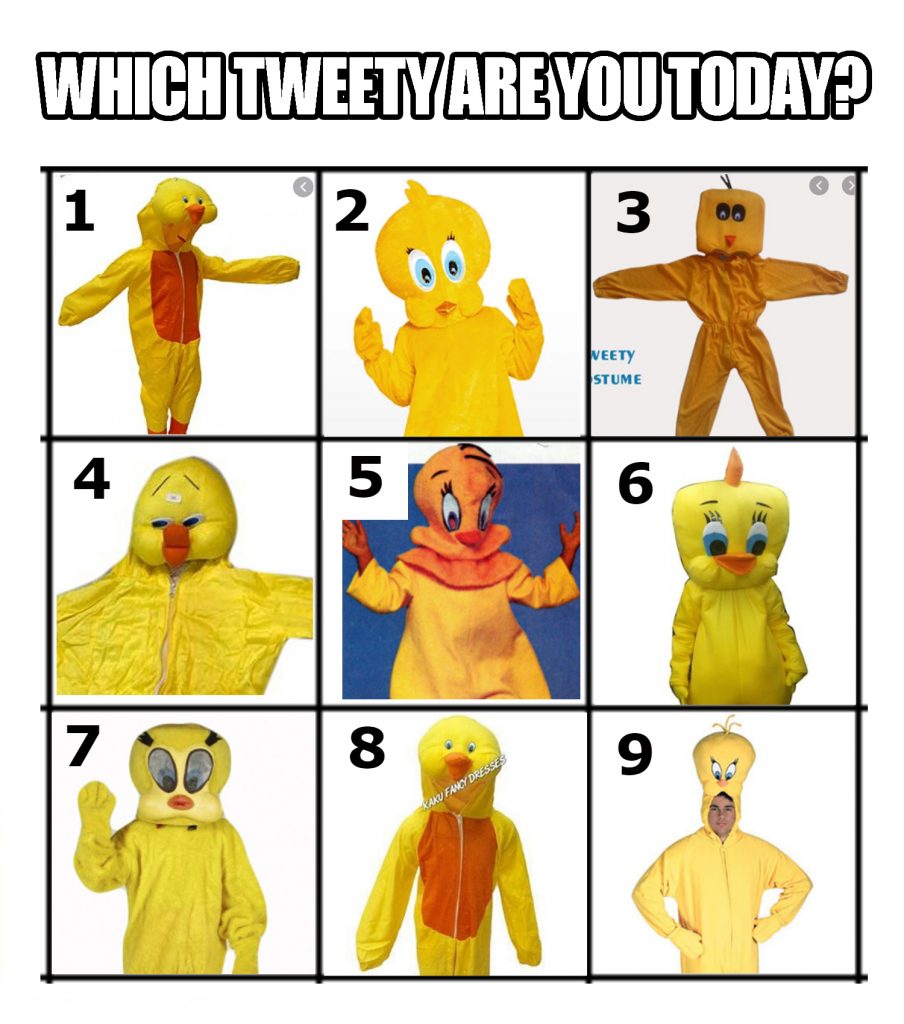
I love how Tweety’s persona has continued to develop outside of the cartoon narrative in memes, one of my favourite being the one above, although I can’t find the original creator to credit them. Does anyone know?
In the cartoon, Tweety survives constant harassment and attacks from Sylvester the cat, all while being a physically small and sometimes unassuming creature, although a crafty and clever side is suggested. Proof that it takes more than hyperable physiques to survive the energy vampires of this world. Looney Tunes played with the ambiguity and fluidity of gender with many of their characters and it was never targeted at a specific gender audience which I think is unusual for a lot of children’s mainstream entertainment.
I made a little Tweety meme myself below using some of the vast collection of images I have of unofficial Tweety costumes.
I really love cartoons a lot, especially how malleable bodies and environments are. Sudden and drastic changes can occur in a short space of time which I think is a lot like the experience of being chronically sick. There is a predictable unpredictability about it. The morbid comedy of having a body is captured so well in cartoons. It also offers a world to escape into which doesn’t feel too exhausting to consume on low energy, because it’s fantasy, a playfully cutting reflection of the real world.
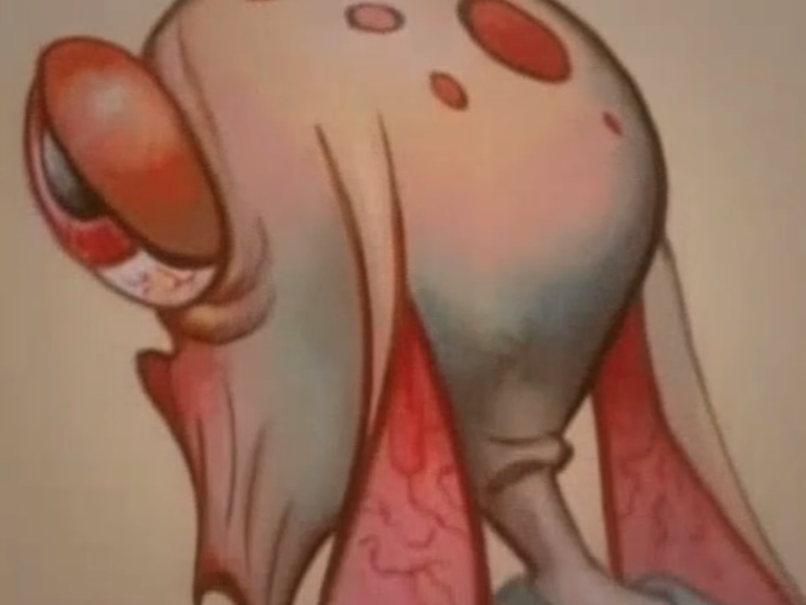
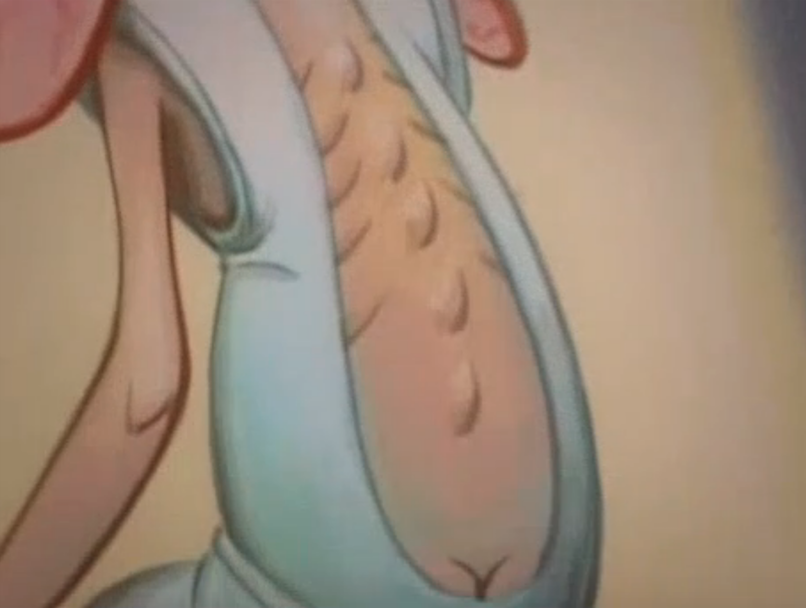
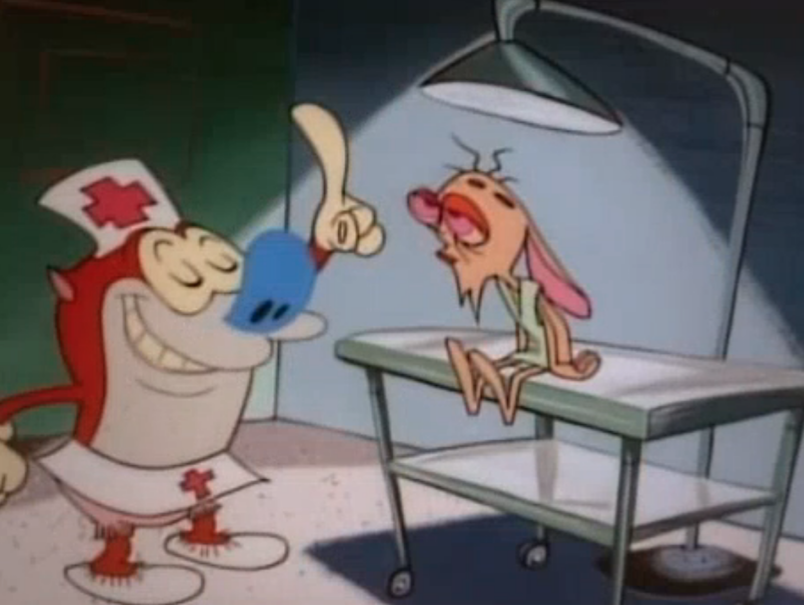
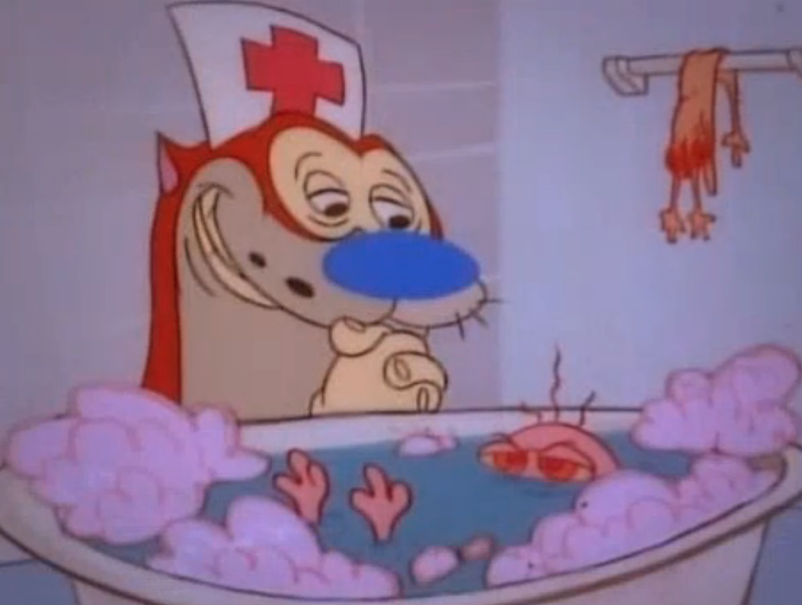
I have been totally drawn into this episode of Ren and Stimpy recently which highlights perfectly the ridiculousness of medical care, as well as the importance of caring for carers and the need for interdependent support systems.
You can watch the episode in the embedded video above. It doesn’t have closed captions unfortunately but I found a transcript of the episode here.
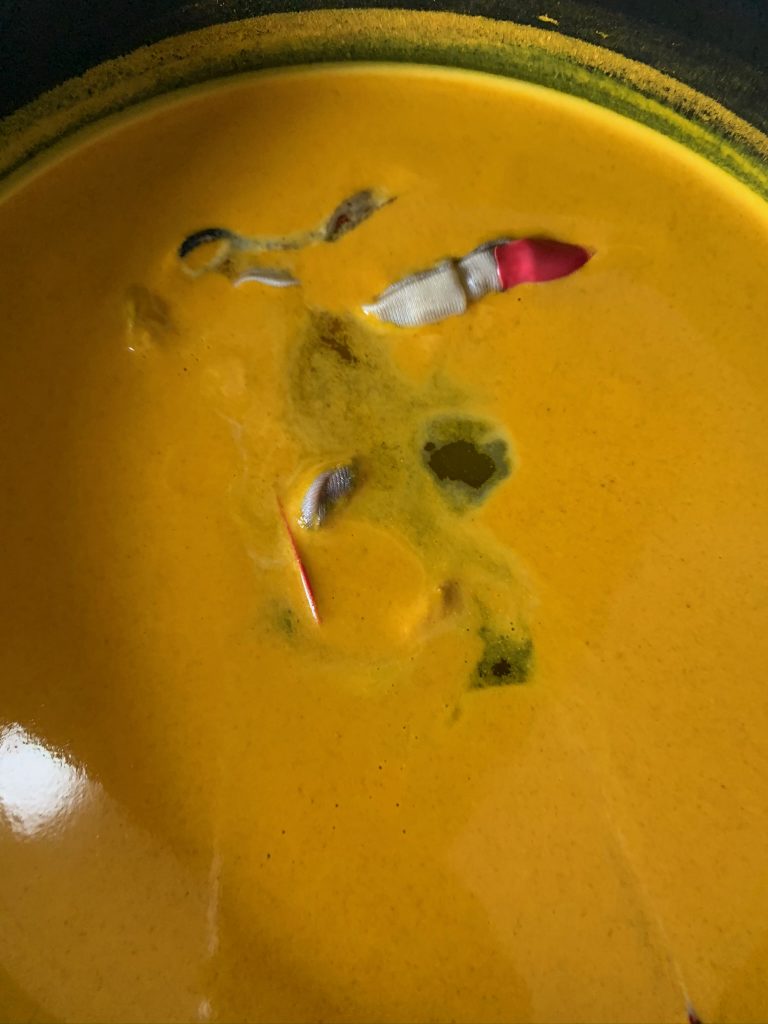
I have included some screenshots below that I think are just SO beautiful for their colour palette and the way they illustrate the feelings of being sick, which I so strongly relate to. I love these images so much that I used them as my new website theme and I hope to turn them into memes about the sick experience one day..
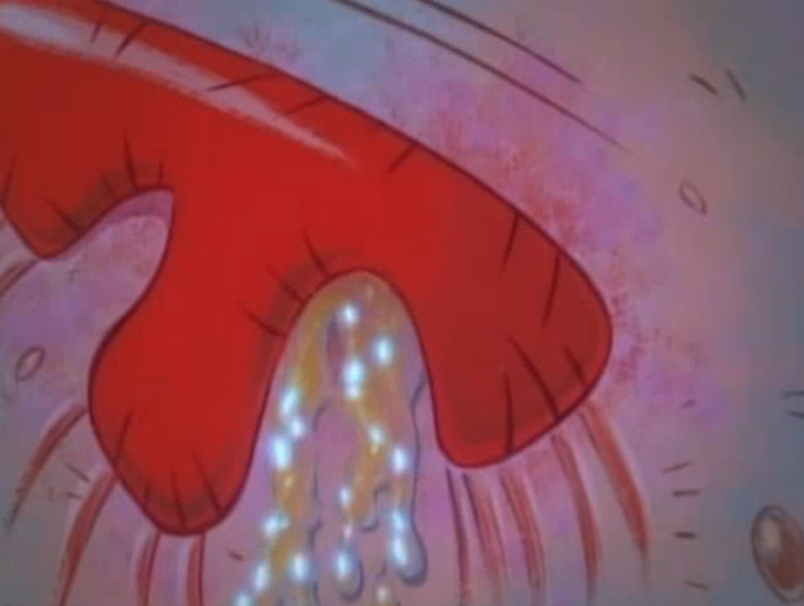
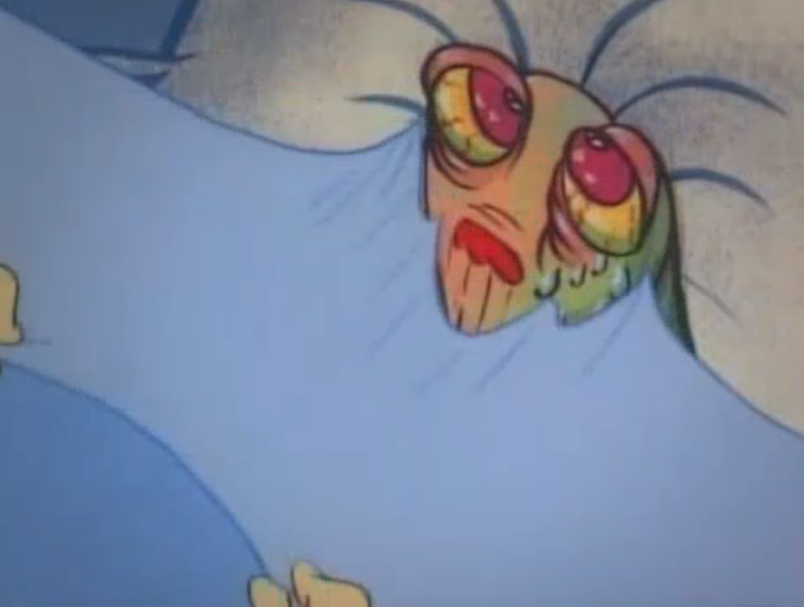
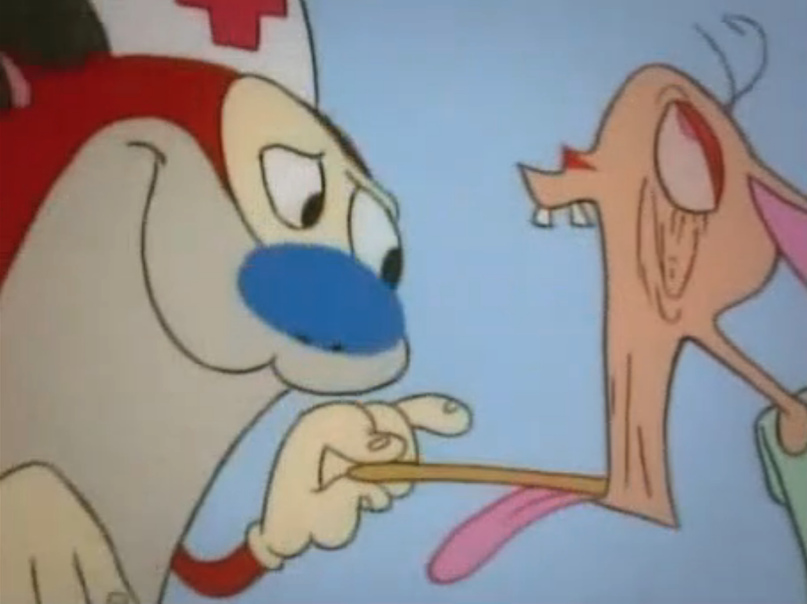
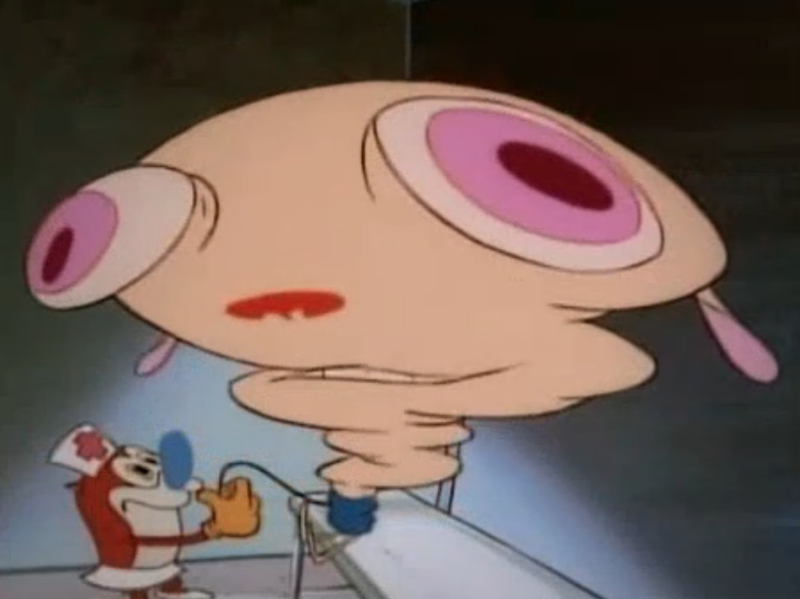
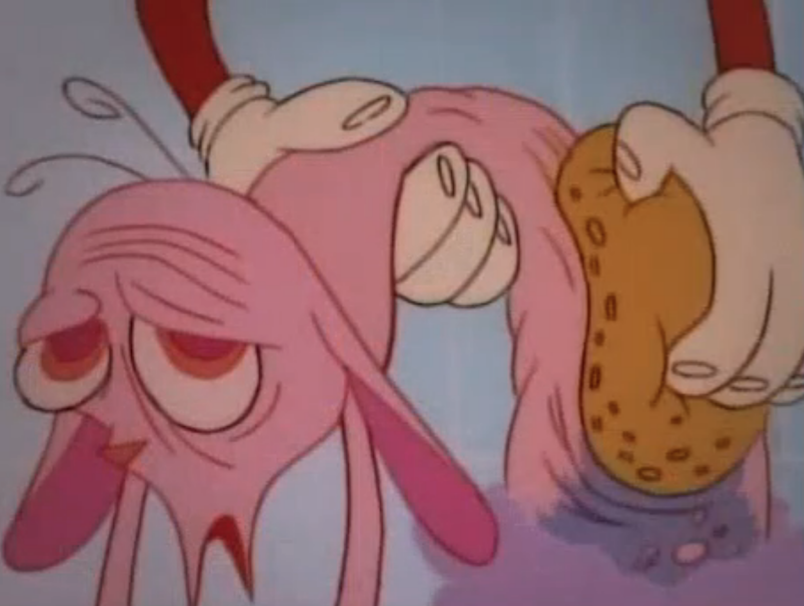
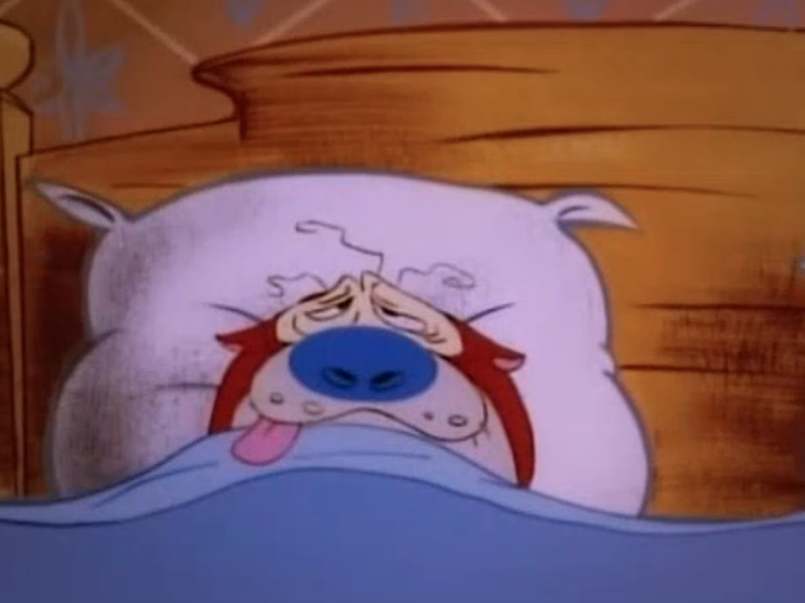
disembodied hand of a (prefer not to say)
mermaid tattoo
plaited mane
on a woman or a horse
your pink white skin, which punctuates the field
we run our hands through her hair
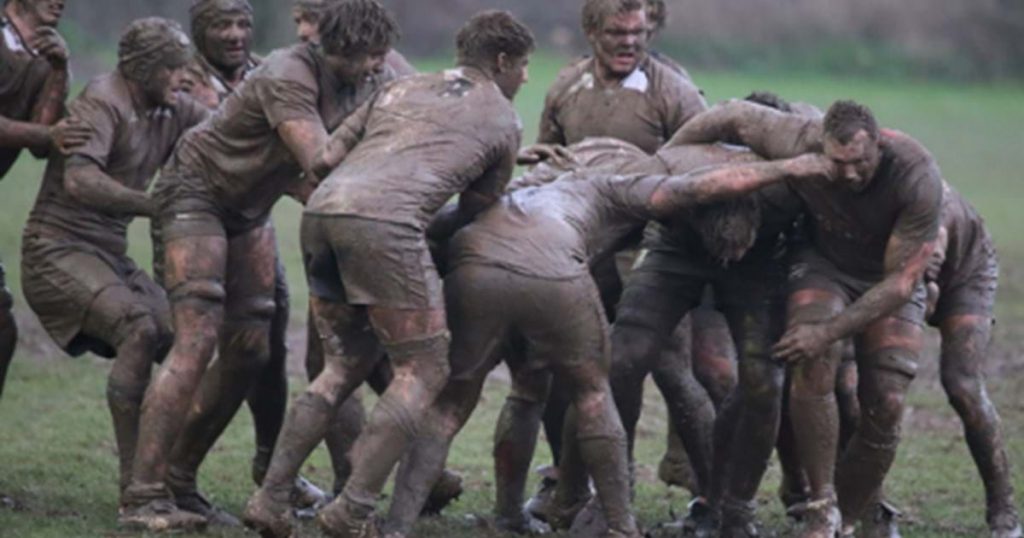
This text was suggested to me by Linda Stupart, who is also currently doing a residency with Vital Capacities at the moment. It’s written by Joseph Noonan-Ganley and it is titled, ‘Our Prop Mud’ and you can read it in full here. It’s about rugby and mud and gay feelings. I could really relate to these contemplations on sports and queerness and the consumption of bodies and their public personas.
Here is an excerpt that I really like,
‘The scene that stopped me was the Cardiff Park Arms rugby match from 1970, transformed by the unrelenting appearance of mud. Ironically, mud allowed me to see clearer. The scene clarified and exposed some of what I was interested in in Gareth Thomas. Mud’s addition messed up rugby’s conventional surface and allowed a view onto the base material composition of the game: people’s bodies in relation. These kinds of political derivatives seem far more generative and uncertain than Gareth Thomas’s recycled admissions of guilt and fault.’
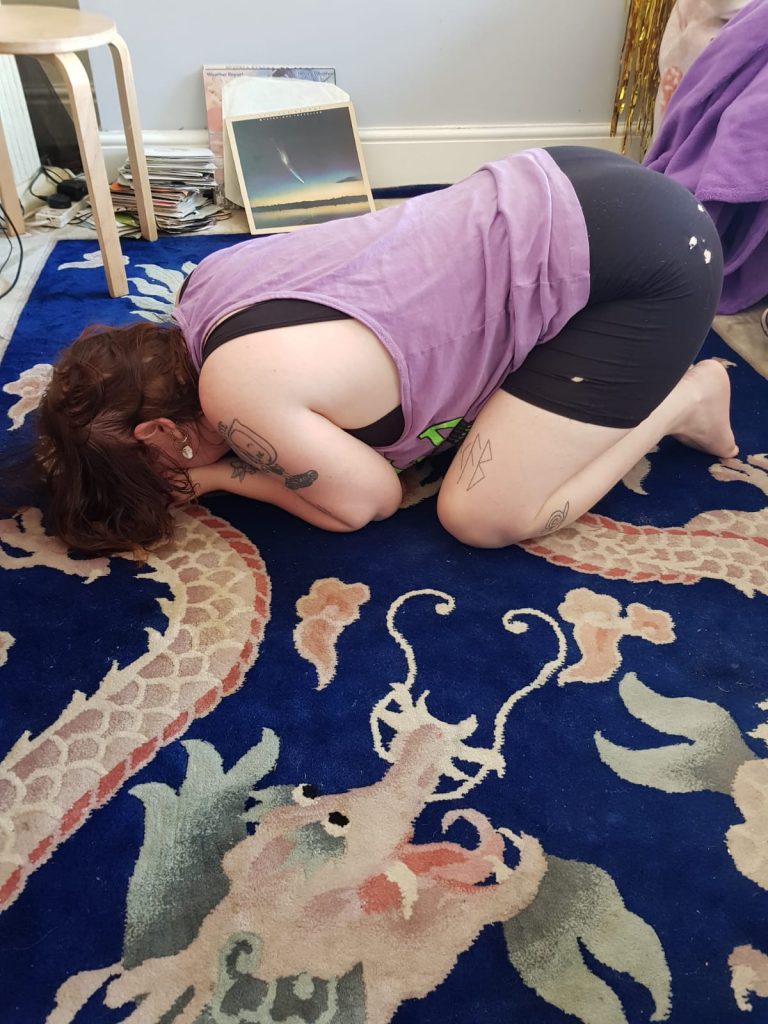
I wanted to be in the studio more over the past days but I got hit with a pain and migraine flare up. This usually involves at least three days of me lying in various positions, looking like I’m the slow-motion action replay of a football dive or foul. This image shows where I spent some of Saturday. It was FOUL.
I wanted to share here my previous experimental project called Partial Gestures. This is a short 16 second video of a cropped Youtube video that shows only the subtitles that appear in two lines at a time:
“Implanted her at the age of four and a half that she would be able to develop near natural speaking skills. Have you met other deaf people who are 20 to 35 years old and who got an implant as an adult out of our 300 patients we”
Hand movements are partially cropped and hidden behind the subtitle to hinder the audience from understanding the context. Behind the subtitle, there is a conversation happening between two people, one of which is using American Sign Language to ask a question. This video is originally from a documentary called ‘Sound & Fury’ directed by Josh Aronson in 2000. You can find more information on this wiki page here. The original video can be found on Youtube on here.
This documentary shows the journey of two sets of parents discussing the future of their children in regards to how much cochlear implant surgery may be ‘beneficial’ or how it could separate the child from one’s Deaf family.
I found the film relevant as Cochlear Implant can be controversially seen as something that ‘erases’ Deaf identity because it usually encourages one to speak and hear instead of using the sign language. At the time of first watching this documentary, I also came across a book titled Made to Hear: Cochlear Implants and Raising Deaf Children by Dr. Laura Mauldin. The book is about the consequences of Cochlear Implant surgery for parents and medical professionals and I found it to be quite informative for me. You can find more info about the book on here. I must’ve been about 10 or 11 when I received the surgery and I do not remember anything particular about what hearing sound was like before switching to digital hearing. As my hearing started to deteriorate from the age of 4, I don’t have much recollection of listening the music with natural hearing. It was intriguing to learn about how a child gets to train the brain to reconfigure the way of listening with new cochlear implant device.
The Co-Designing the Sound Art with Cochlear Implant Users workshop I attended at V&A in 2016 has helped me to understand more about CI and its users’ experiences. Lead by artist Dr. Tom Tlalim, the workshop included a series of interviews conducted to discuss the varied experience of music within Cochlear Implant users. This website showcases multiple interviews and information about the project which can be found here.
As I have been learning more about CI, I became naturally interested in the language of British Sign Language. The mini booklet I have made as a documentation of my journey into learning the British Sign Language alphabet through fingerspelling- it was printed by Berlin based Risograph printing studio WeMakeIt.
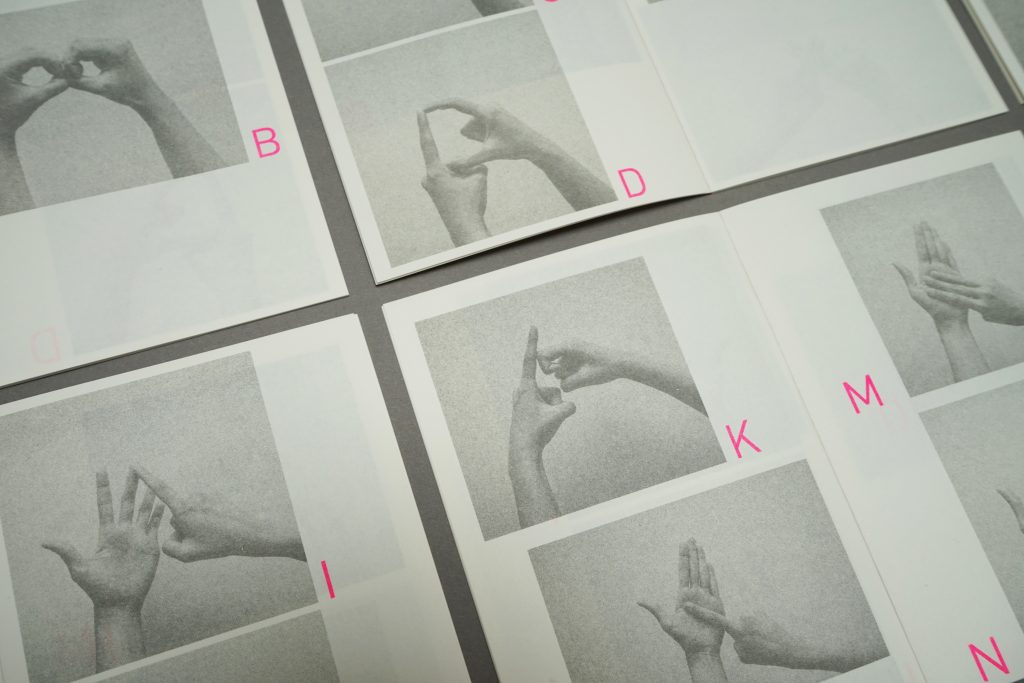
This booklet was selected to be part of Artist Self-Publishers fair 2020- as part of showcasing the book, I made Partial Gestures as the video experimentation to accompany this project.
I am looking forward to seeing how I can expand on this process of study and continue to think about the language of subtitle in engaging way through researching!