Accessing this site
 Display settings
 Artist login

Here’s a long tutorial on water that has already caused chaos in my Minecraft build, god give me the strength to watch it all through till the end.
Minecraft water
Here’s a long tutorial on water that has already caused chaos in my Minecraft build, god give me the strength to watch it all through till the end.
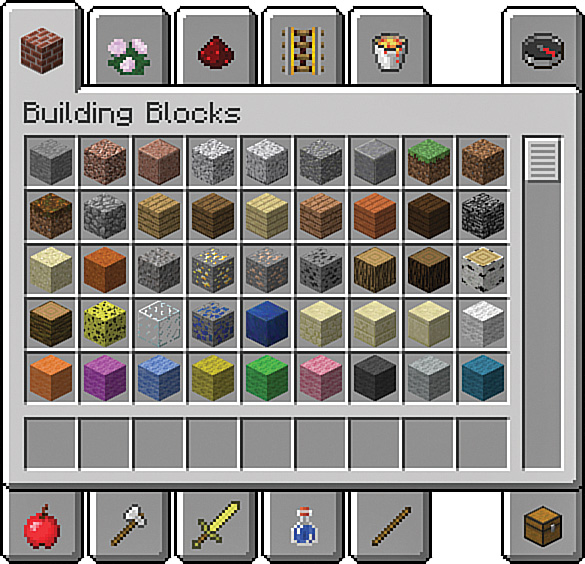
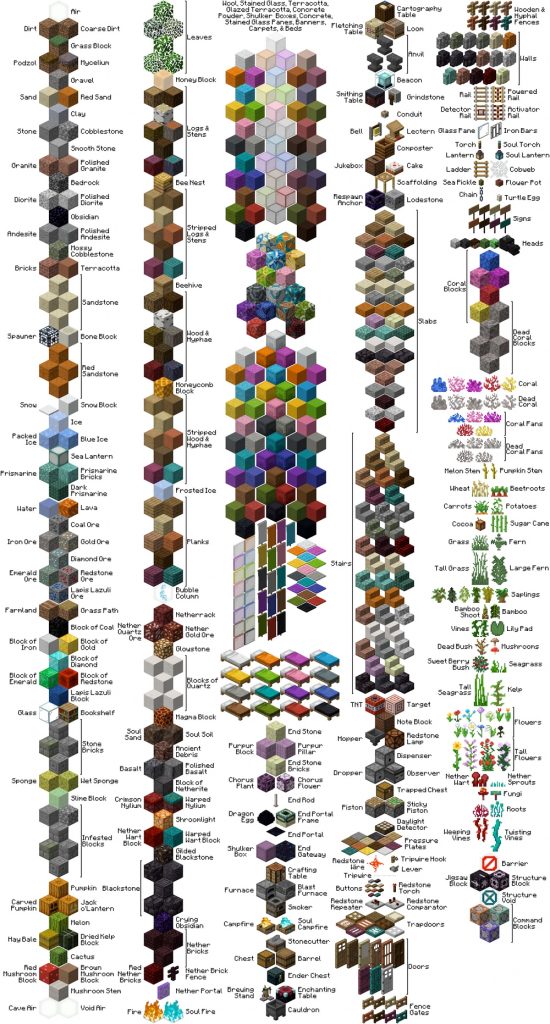
As I was unable to visit Foredown Tower for this residency as it is still closed due to covid. I’ve instead recreated Foredown Tower in Minecraft.
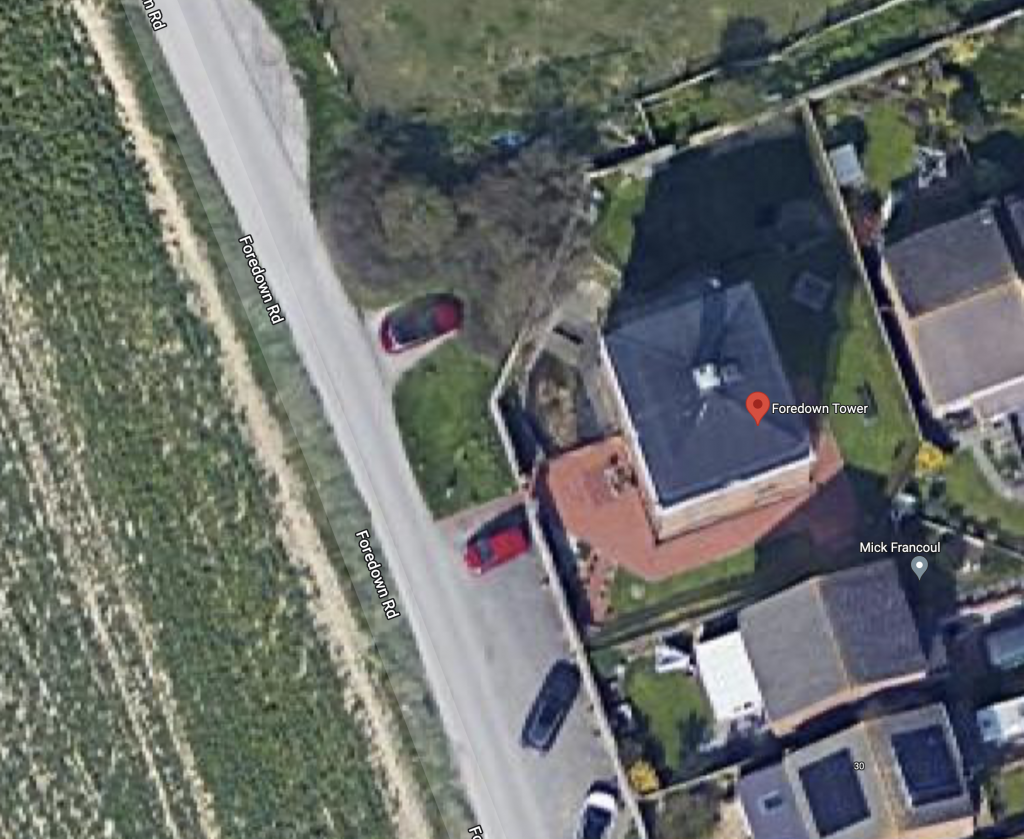
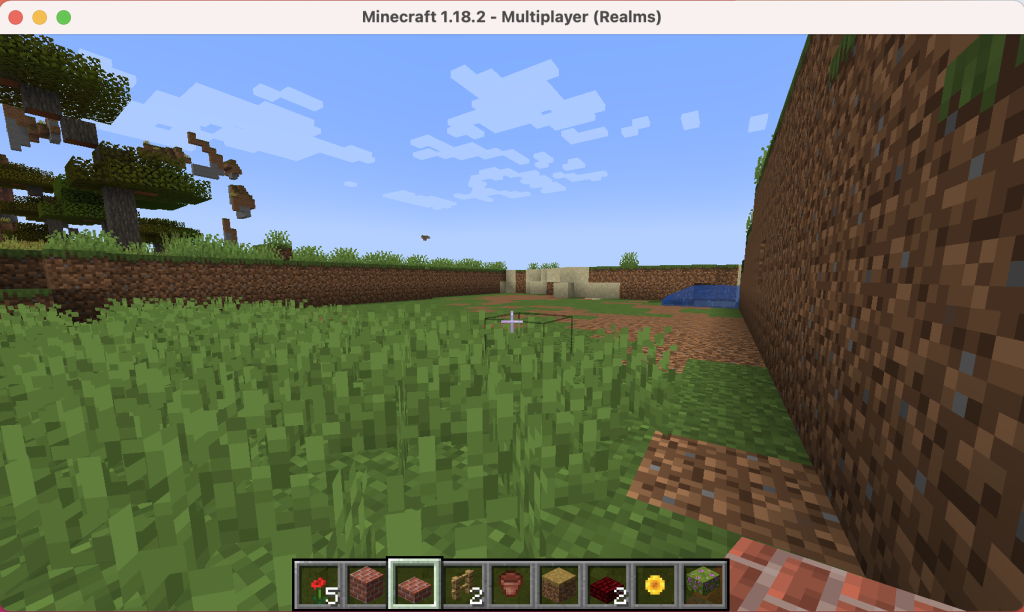
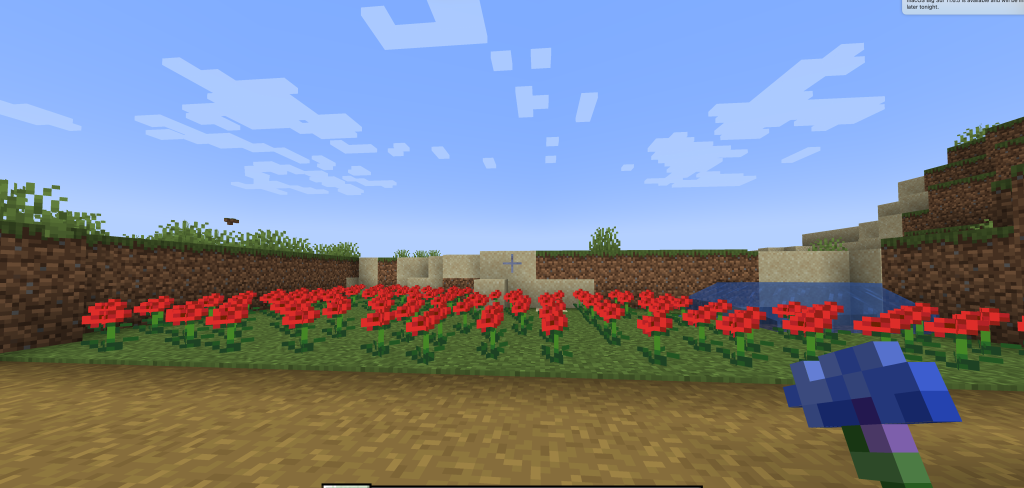
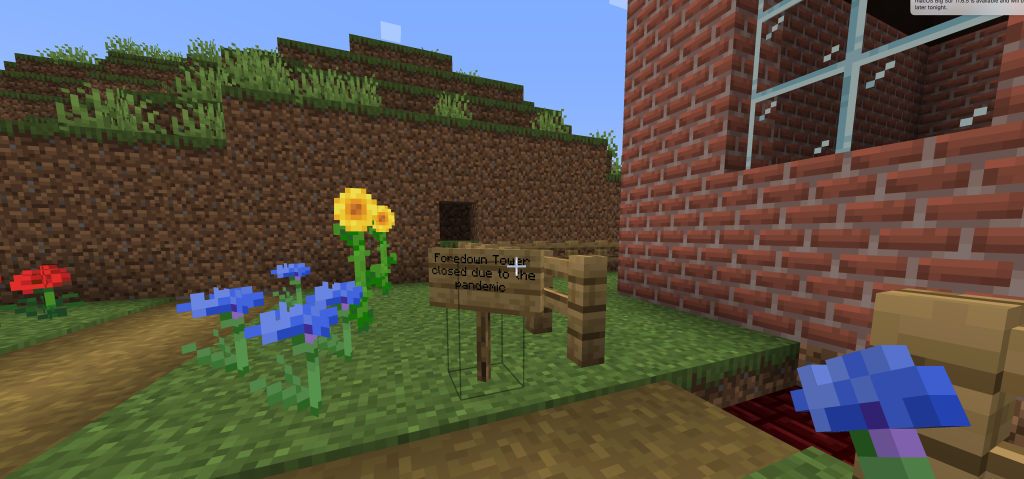
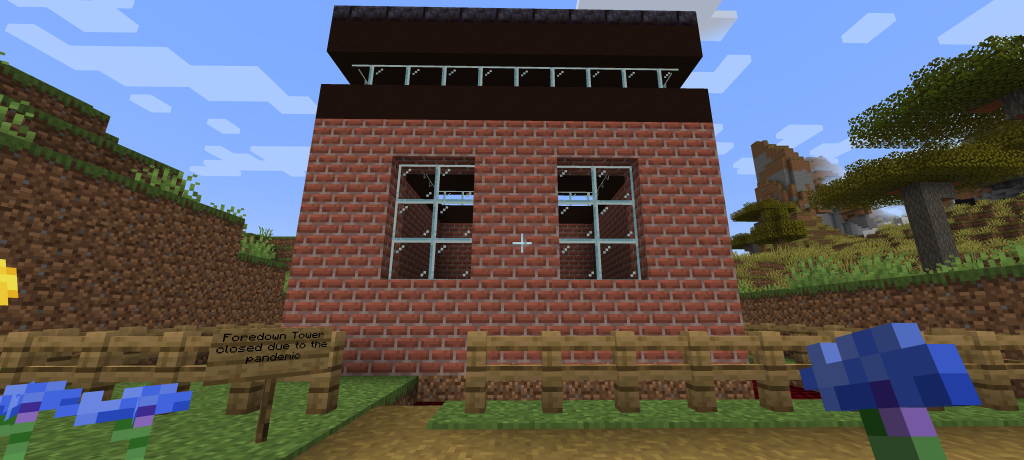
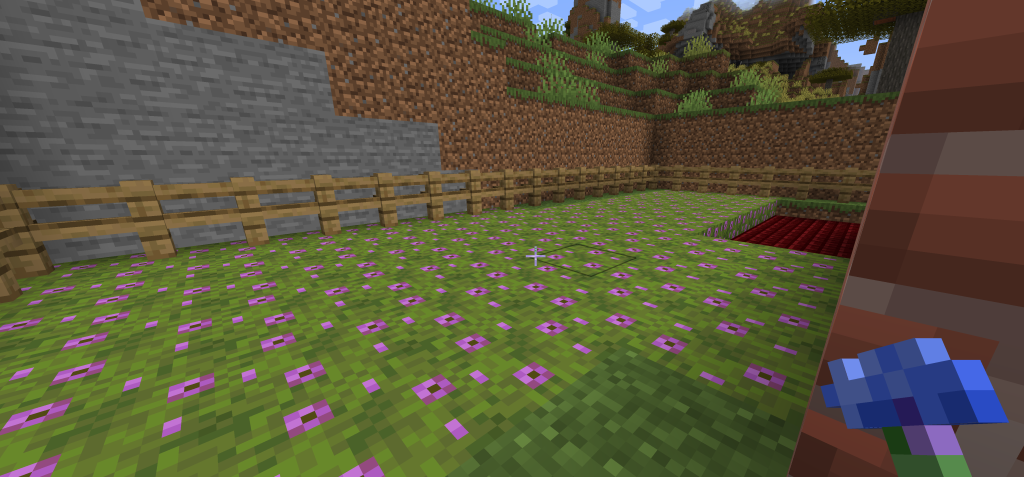
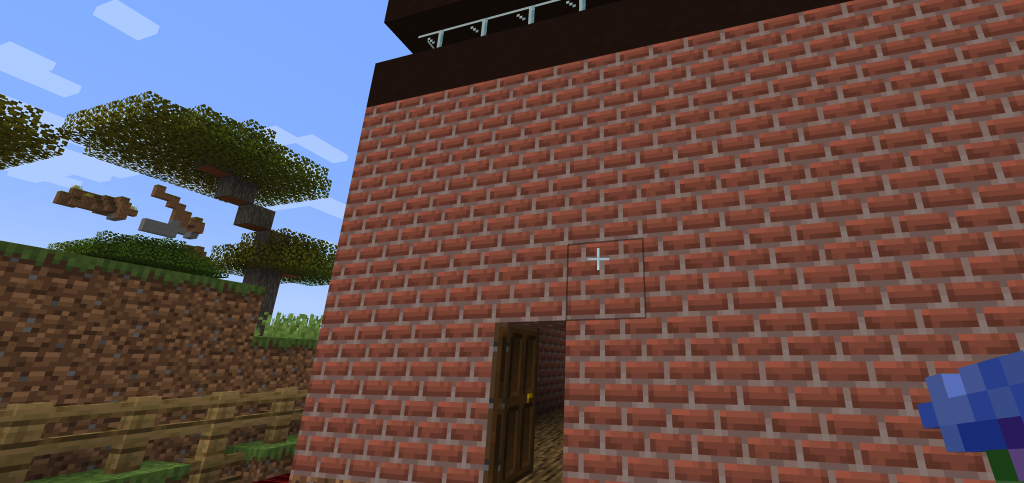
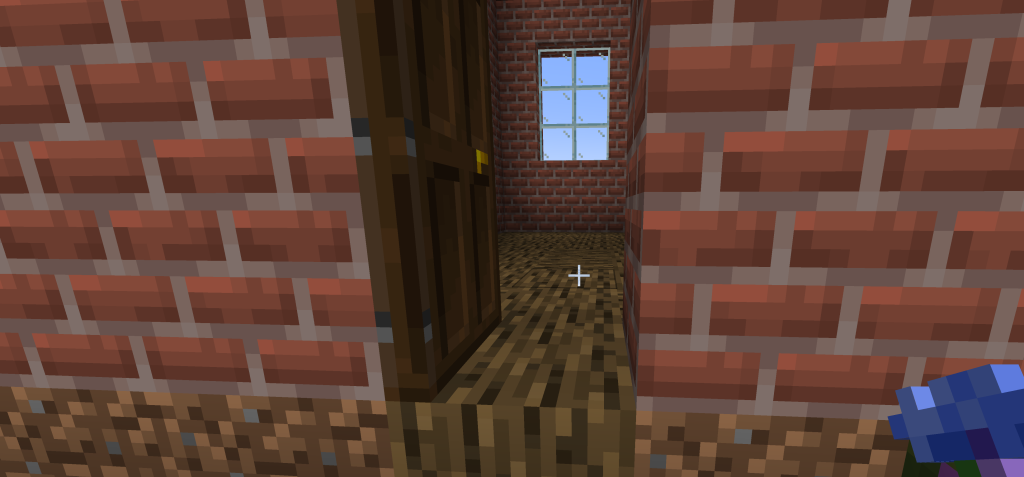
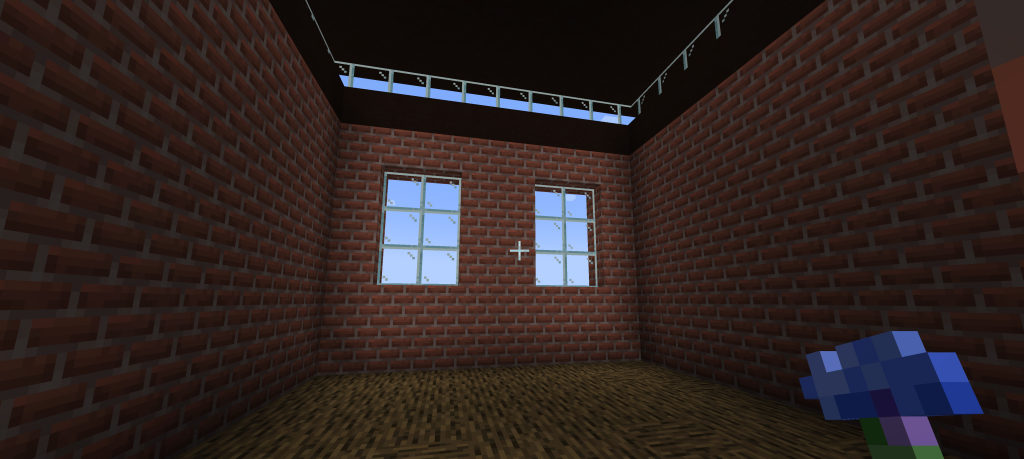
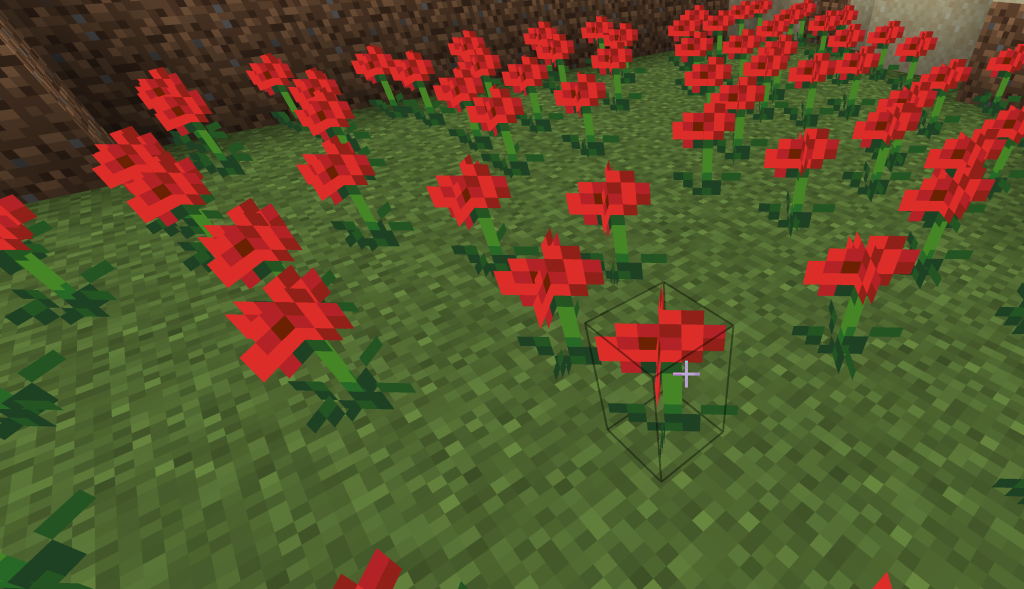
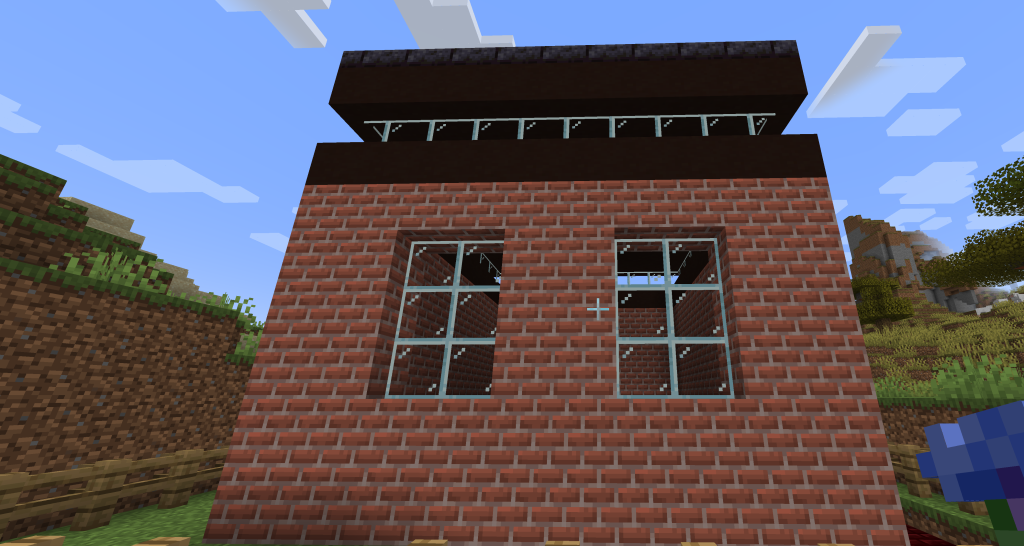
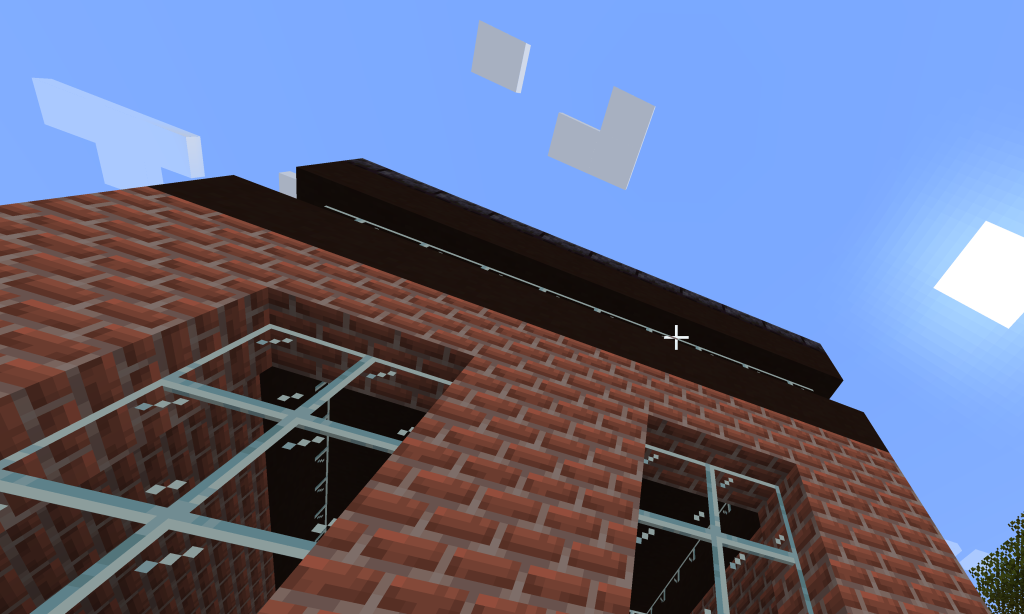
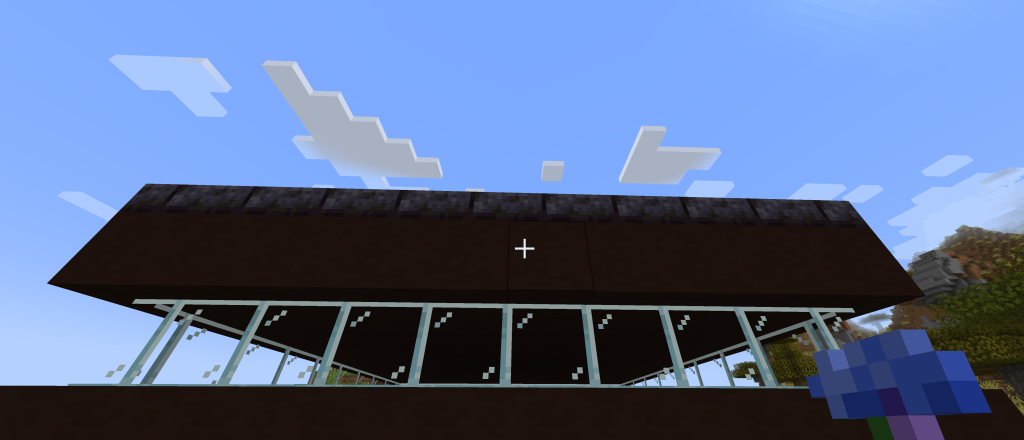
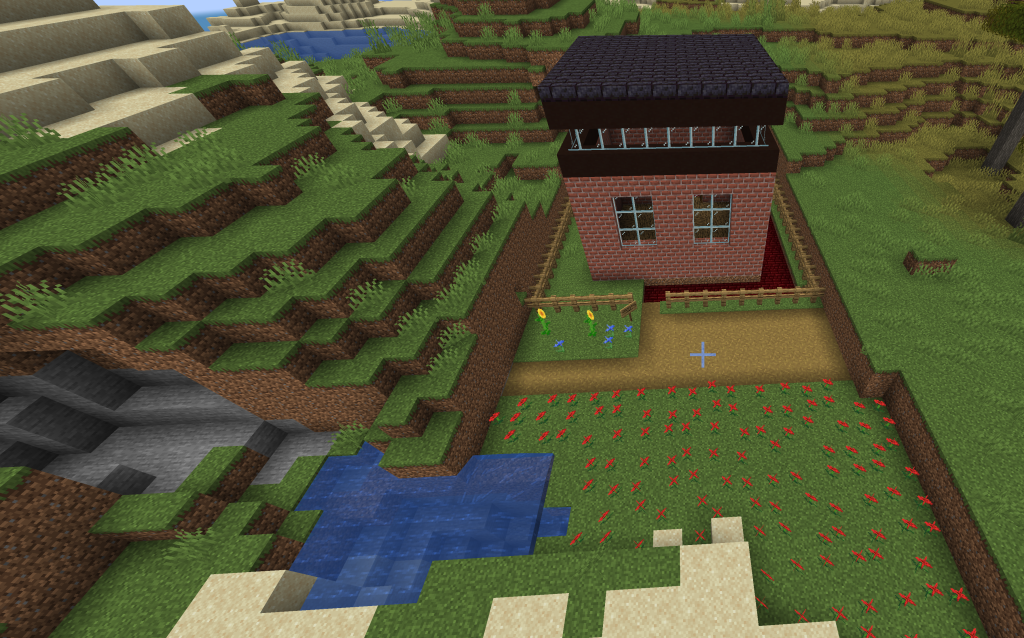
It took me a couple of days to learn how to use Minecraft. I thought my difficulty was due to my dexterity but was mostly due to my mouse not having a right click and you need a red click to place blocks. I oddly also experienced motion sickness and had to take breaks in between creating.
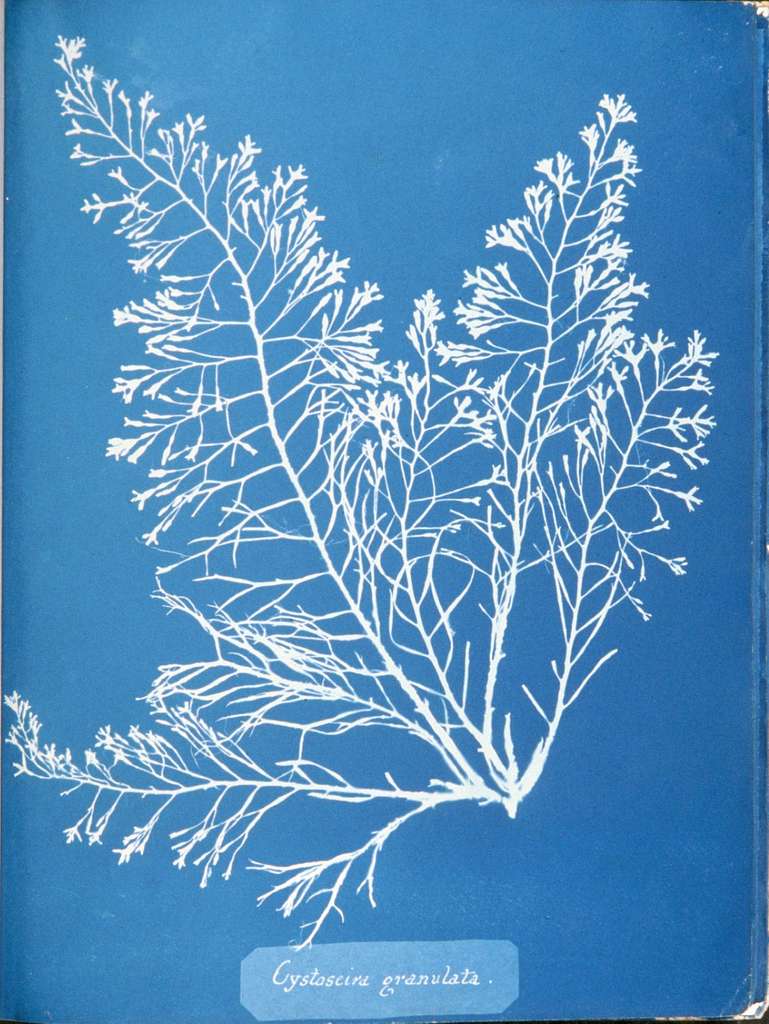
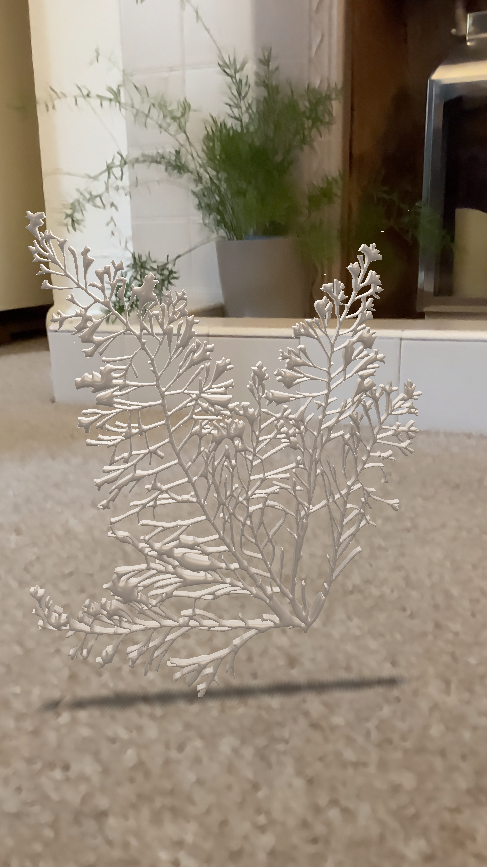
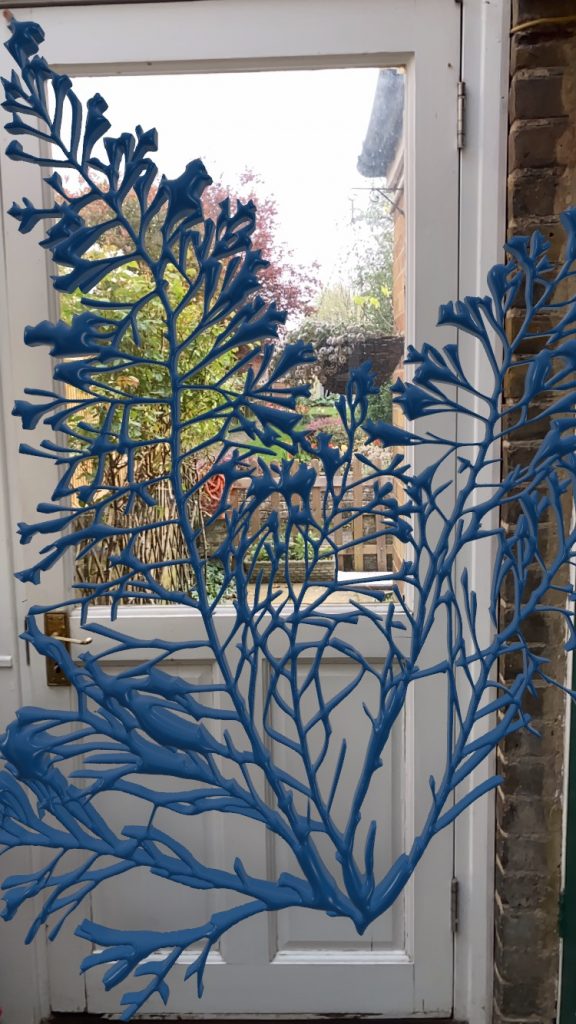
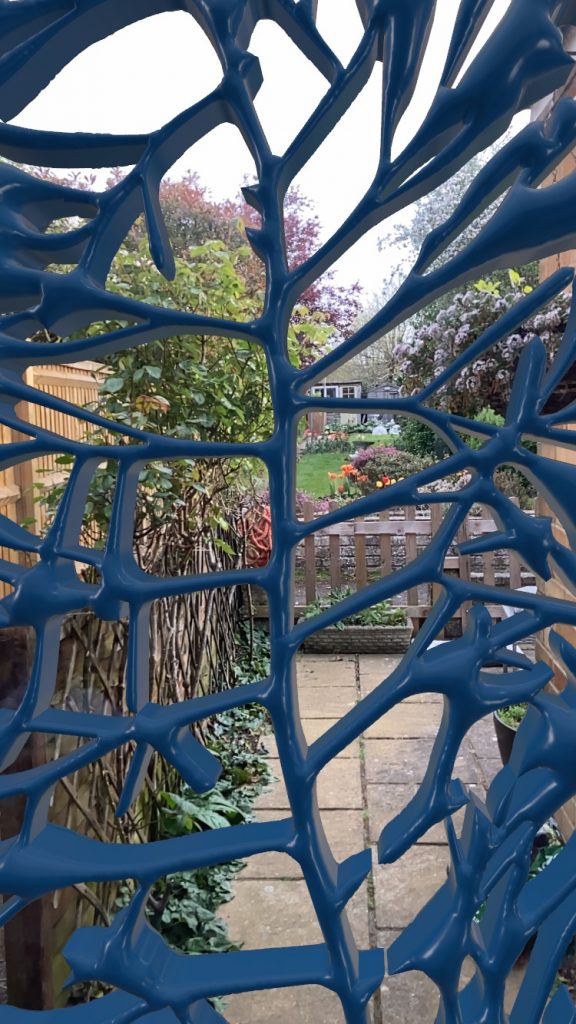
I am interested exploring darkroom printing with AR/VR. Today I downloaded an Anna Atkins cyanotype to edit and create into an AR artwork.
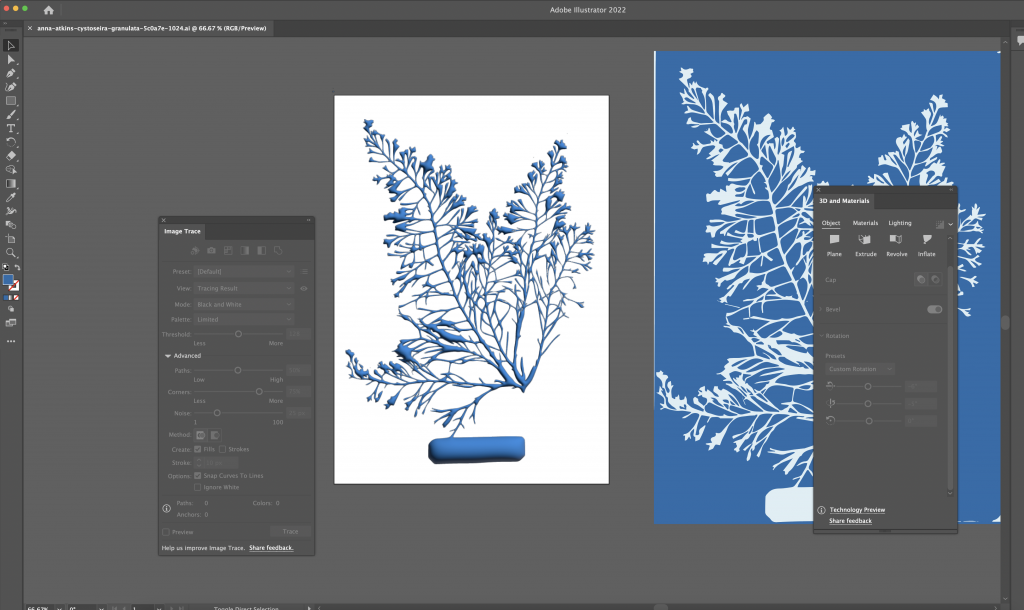
I used Adobe Illustrator to edit the print.
1. Use the image trace tool to turn your image into a vector
2. Use the 3D & materials tool to inflate the vector into a 3D shape
3. Used the eyedropper tool on the original blue colour on the print and added this as the material
4. Export the shape as an .obj file
5. Uploaded to Abobe Aero
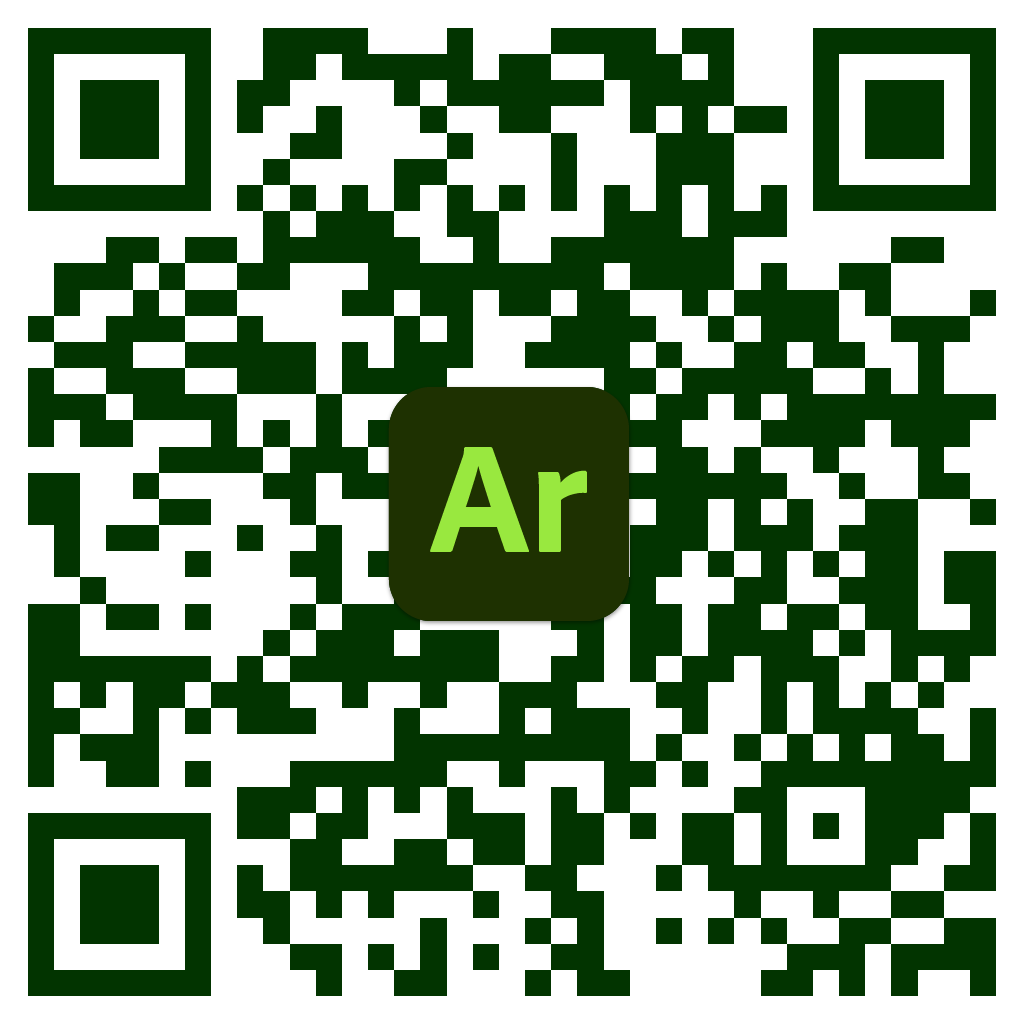
If you have the Adobe Aero app you can scan the QR code below to see the work in AR. Sadly the material hasn’t transferred over and so I need to learn how to keep the colour when exporting from Adobe Illustrator.
Edit…
I used Vectary to add the colour and I also used Vectary to create into AR.
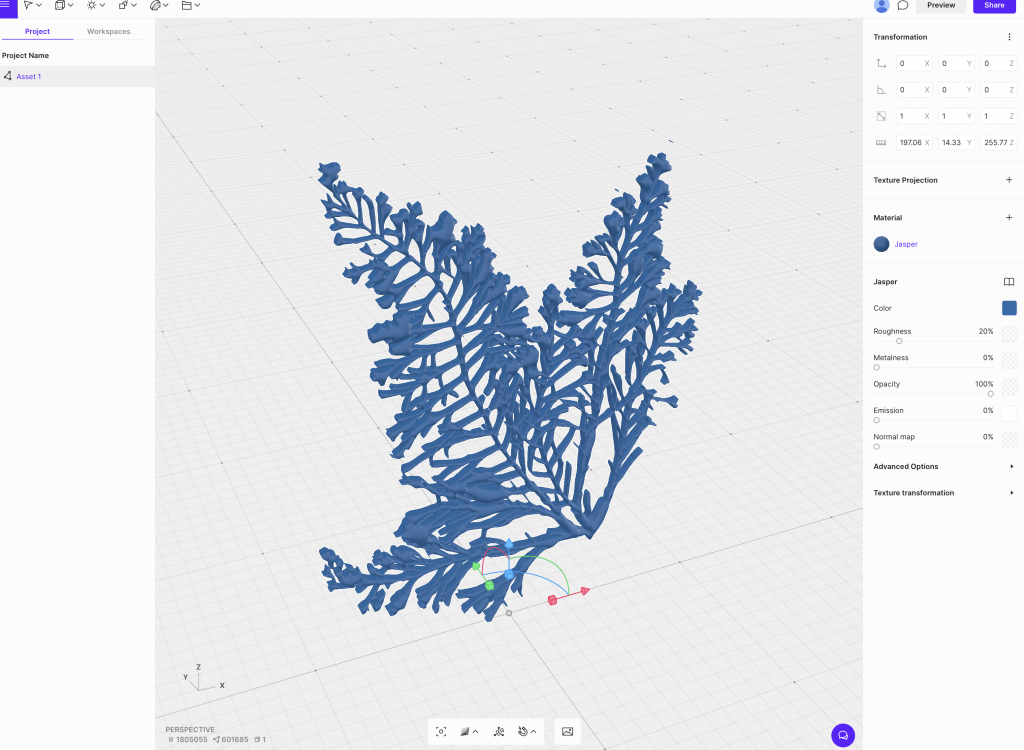
Please find another QR code to see the work in Vectary. You do not need to download an app for this.

Breathing in,
I have become space
without boundaries.
I have no plans left.
I have no luggage.
Breathing out,
I am the moon
that is sailing through the sky of utmost emptiness.
I am freedom.
~ an extract from Thich Nhat Hanh‘s writing
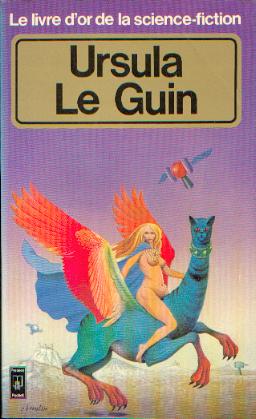
Research into the subterranean reminded me of Ursula K. Le Guin’s sci-fi short story, “Semley’s Necklace” (1963). In the story, a highborn woman goes in search of an heirloom and is instructed to embark on a journey that will last “only one long night.” Upon returning with the heirloom from only a two-day journey, she discovers nine years have elapsed on her home planet. The story borrows from Nordic mythology and utilizes the concept of time dilation.
The subterranean often represents the collective past of our species’ earthbound existence, which has manifested into the the most recent geological age of the Anthropocene. Yet outer space has always and continues to be considered humanity’s final frontier, associated with things hopeful and futuristic. Le Guin shows these narratives are not at odds with each other and adeptly weaves them in an alternative reality where a being from the equivalent of our historical past is thrust into our prospective future in such a way that the two realities not only coexist mutually but are able to inform one another.
—–
“Can we go soon on this journey? I would not stay long away from my home.”
“Yes. Soon.” Again the gray lips widened as he stared up into her face.
What was done in those next hours Semley could not have retold; it was all haste, jumble, noise, strangeness. While she held her steed’s head a dayman stuck a long needle into the golden-striped haunch. She nearly cried out at the sight, but her steed merely twitched and then, purring, fell asleep. He was carried off by a group of Clayfolk who clearly had to summon up their courage to touch his warm fur. Later on she had to see a needle driven into her own arm—perhaps to test her courage, she thought, for it did not seem to make her sleep; though she was not quite sure. There were times she had to travel in the rail-carts, passing iron doors and vaulted caverns by the hundred and hundred; once the rail-cart ran through a cavern that stretched off on either hand measureless into the dark, and all that darkness was full of great flocks of herilor. She could hear then: cooing, husky calls, and glimpse the flocks in the front-lights of the cart; then she saw some more clearly in the white light, and saw that they were all wingless, and all blind. At that she shut her eyes. But there were more tunnels to go through, and always more caverns, more gray lumpy bodies and fierce faces and booming boasting voices, until at last they led her suddenly out into the open air. It was full night; she raised her eyes joyfully to the stars and the single moon shining, little Heliki brightening in the west. But the Clay-folk were all about her still, making her climb now into some new kind of cart or cave, she did not know which. It was small, full of little blinking lights like rushlights, very narrow and shining after the great dank caverns and the starlit night. Now another needle was stuck in her, and they told her she would have to be tied down in a sort of flat chair, tied down head and hand and foot. “I will not,” said Semley.
But when she saw that the four daymen who were to be her guides let themselves be tied down first, she submitted. The others left. There was a roaring sound, and a long silence; a great weight that could not be seen pressed upon her. Then there was no weight; no sound; nothing at all.
“Am I dead?” asked Semley.
“Oh no, Lady,” said a voice she did not like.
Opening her eyes, she saw the white face bent over her, the wide lips pulled back, the eyes like little stones. Her bonds had fallen away from her, and she leaped up. She was weightless, bodiless; she felt herself only a gust of of terror on the wind.
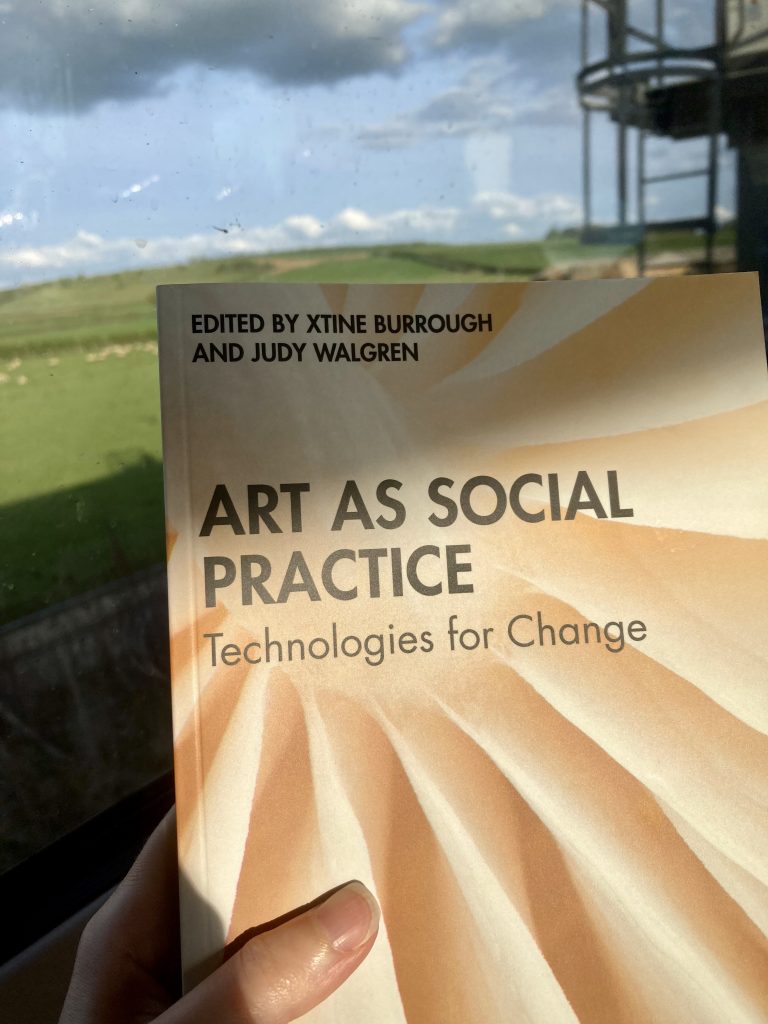
This week I’ve been reading ‘Art as social practice technologies for change’ edited by Xtine Burrough and Judy Walgren.
I have an interest in learning how to use technologies when collaborating with others on inclusive arts and participatory based projects. In my practice I’ve been learning how to use digital technology tools and how to use them in my creative work. In the future I would like to feel confident enough in my digital technology skills to develop and deliver inclusive arts and participatory based projects using digital technologies with participants also developing new skills through the work. So far I’ve been developing my skills in AR, VR, projection mapping and sensors.
Through reading the book I hoped to of learnt more on how others are using digital technologies creatively for socially engaged practice but most the projects where using already very established technologies such as photography, websites, social media and other forms of visual arts such as clay. Or the artist worked with participants to create visual artwork and then the artist developed the digital technologies aspect by themselves afterwards or beforehand. I would like to learn from more projects that have worked with participants to create the content but also worked with them to develop the digital output.
“I see technology as a tool, an important addition to my traditional, artistic skills, and like materials, to be used to strengthen an idea, and not for the sake of novelty. In social practice, technology allows participants with limited art experience to create beyond their own experience” – Kin Abeles – Valises for camp ground page 56
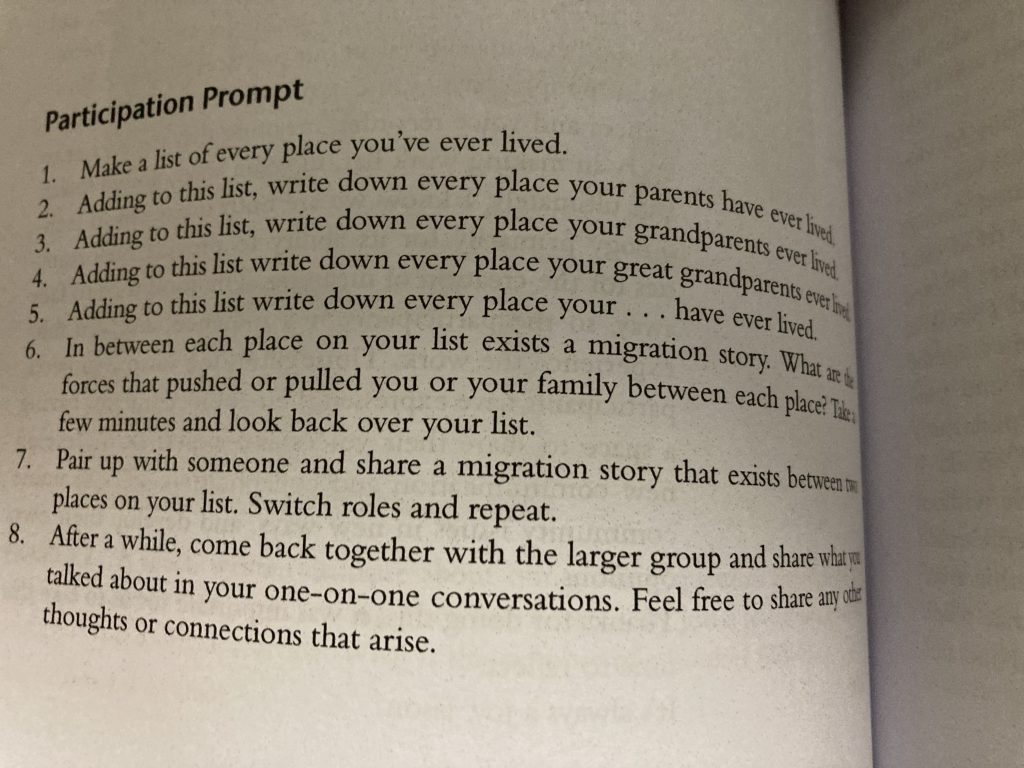
What I did like was the participation prompts at the end of each essay.
“I feel, for one, technology is merely a tool, and it’s really important for me to think in that way. It can be easy, as a technologist, to create projects around technology and the capabilities of the technology. But that’s merely an exhibition of the potential of technology. For me, the questions are: How can I execute this idea that I have, create an experience around it and then what are the best tools to make that happen? – Ari Melenciano page 115
I managed to work out how to download the stitched files from Samsung Gear 360 software and I’ve uploaded the four 360 stitched footage to YouTube. You can move around the 360 footage.
Being a 360 recording you can see a 360 view of the area outside of Foredown Tower. There is a dry field, a path next to the field and the road that goes alongside Foredown Tower. Foredown tower is an old water tower and so is a cube shaped made of bricks with a black triangular roof. I am in some of the footage wearing a brown coord jacket, dark blue jeans and a yellow jumper.
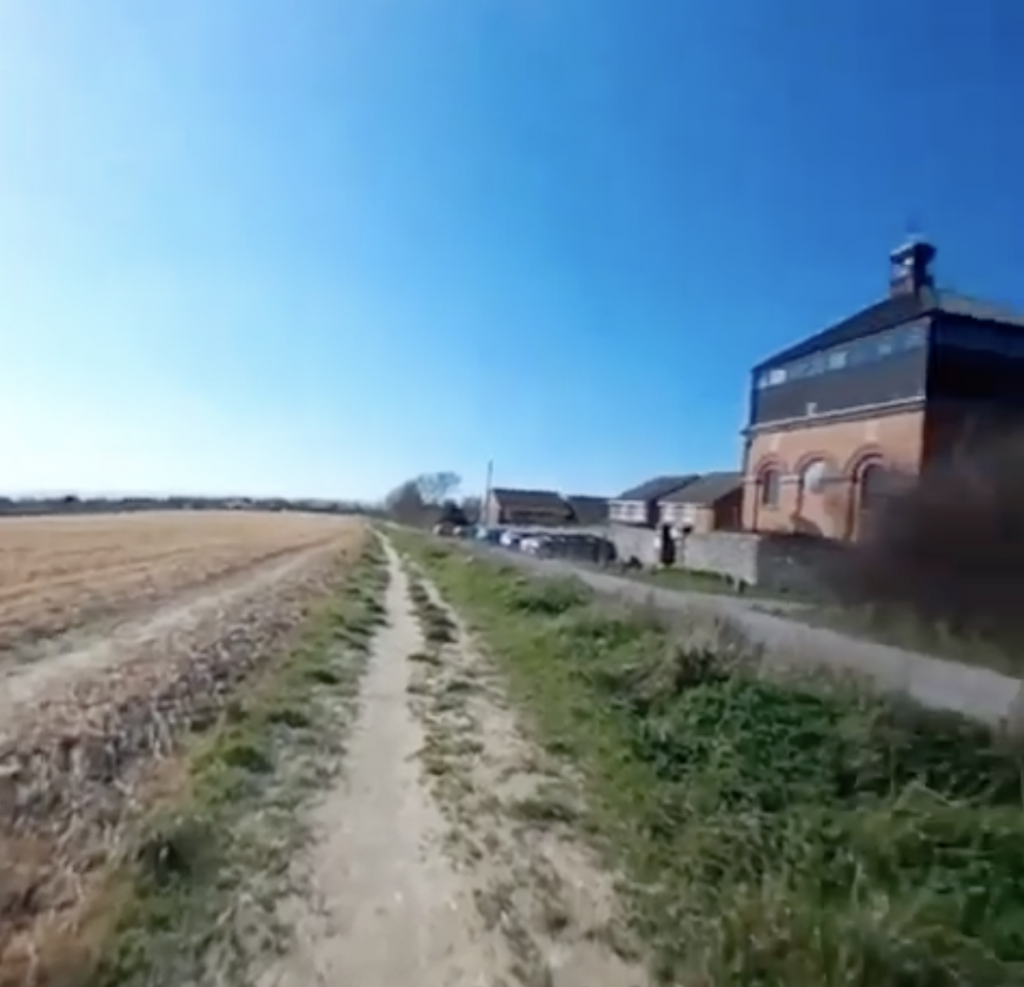
For my residency I would have liked to been able to visit Foredown Tower a camera obscura in Portslade but unfortunately due to covid they are still closed. I would have liked to of recorded scenes from the camera obscura to create VR piece of work.
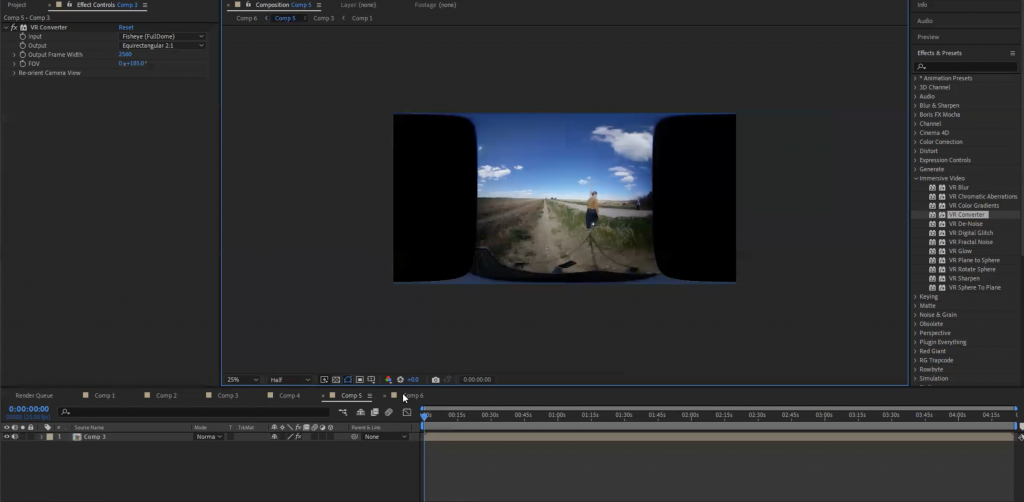
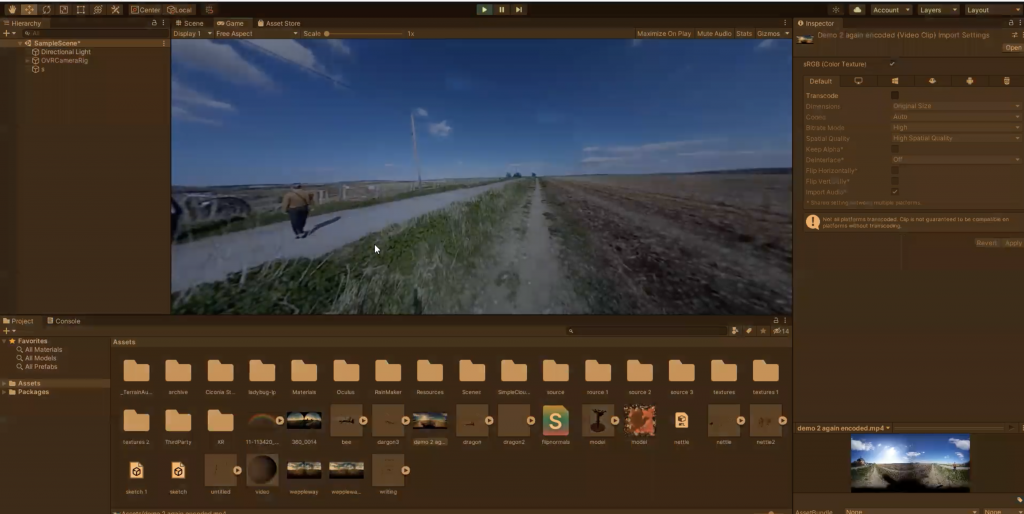
Recently I visited the outside of Foredown Tower and recorded some footage with my Samsung Gear 360 camera. I then learnt how to use Adobe After Effects to stitch the footage together as unfortunately Samsung’s software does still work but you are unable to download it anymore as the software is now not being updated due to them discontinuing the camera. I then used Unity to create the short VR work. If you click on the screenshot it will take you to YouTube to play the short VR recording.
Being a 360 recording you can see a 360 view of the area outside of Foredown Tower. There is a dry field, a path next to the field and the road that goes alongside Foredown Tower. Foredown tower is an old water tower and so is a cube shaped made of bricks with a black triangular roof.
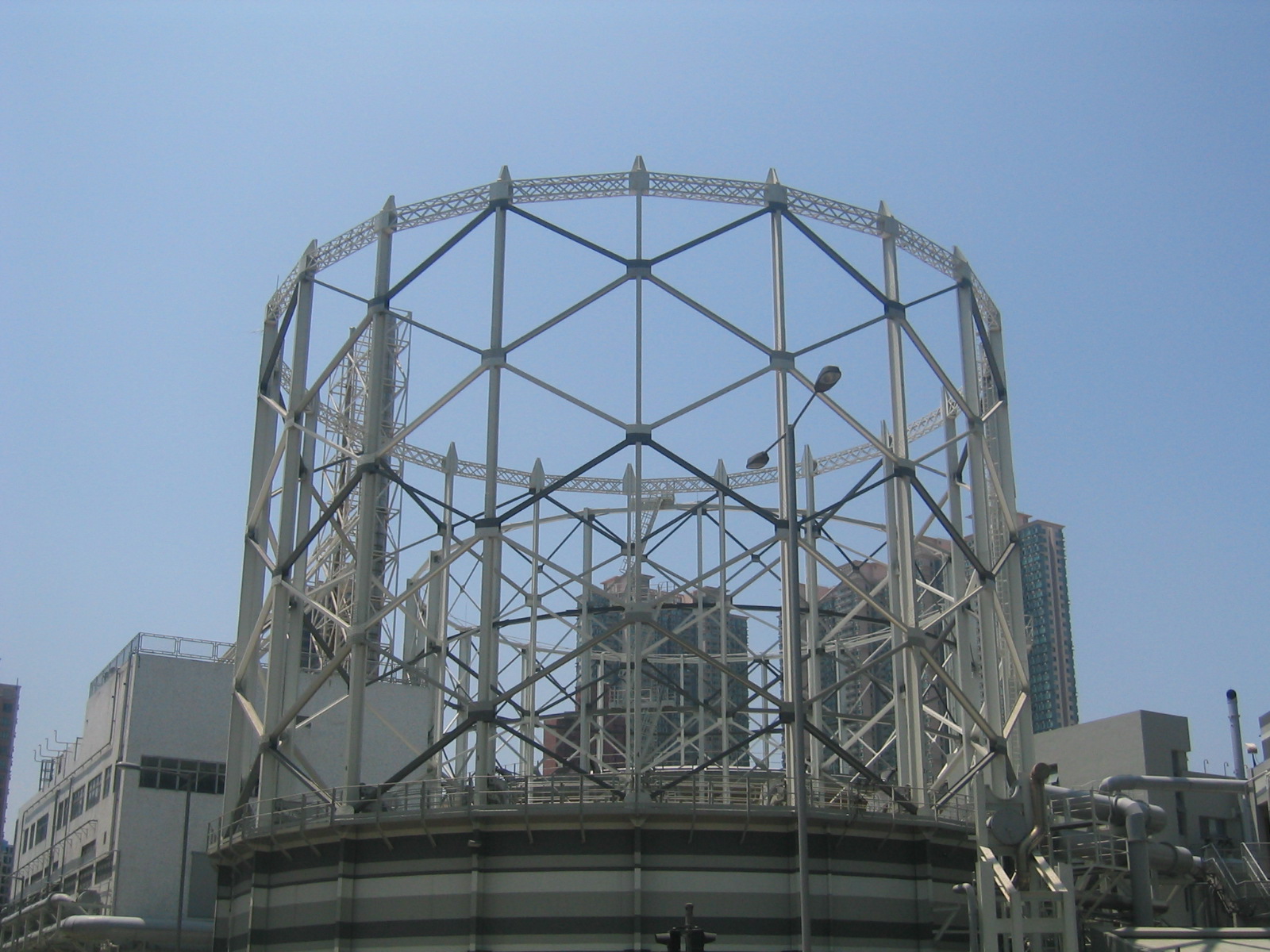
In my research for the Leave Your Body residency, I have been looking at Videotage’s quickly gentrifying neighborhood of To Kwa Wan*. As is usually the case with my practice, underlying historical narratives and connections that are not immediately apparent take precedence. The photo below is of the Towngas Ma Tau Kok Control Centre, located directly next door to the Cattle Depot Artist Village where Videotage resides.
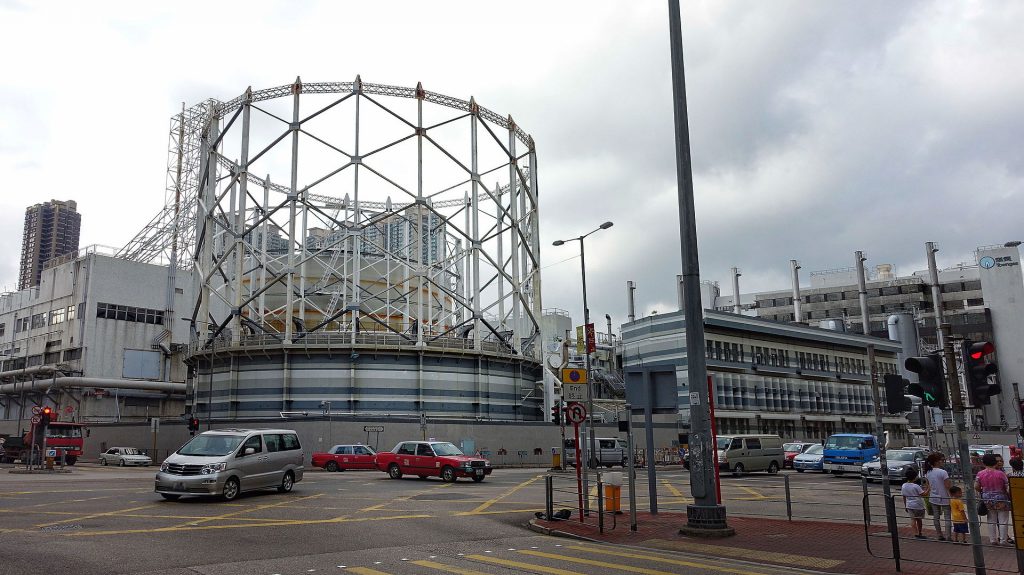
Gasometers are large cylindrical metal tanks built as storage silos for gas for use as fuel.
There are several different types of gasometers. The type of gasometer with scaffolding, like the one at the Ma Tau Kok Control Centre, are predominantly located underground and would telescope up above ground as pressure from stored gas increased and subside as pressure decreased, storing and releasing gas through the day like a massive lung**. However, the use of gasometers has become obsolete in recent times as gas storage is largely done underground in high-pressure pipelines. As our age aligns development with green-washing, immunization, and escapism, the burying or obscuring of unseemly or obsolete systems is an ongoing process worth investigating.
*To be fair, one of the top three of Hong Kong’s pollutants is a result of its use of concrete, so most of the city is under an incessant pace of development and gentrification, which makes pointing out and finding methods of preserving historical landmarks all the more crucial.
**Thinking of the city as an organic machine, composed of its inhabitants and the infrastructure that meets their needs is a biomorphic analogy that runs throughout my practice.
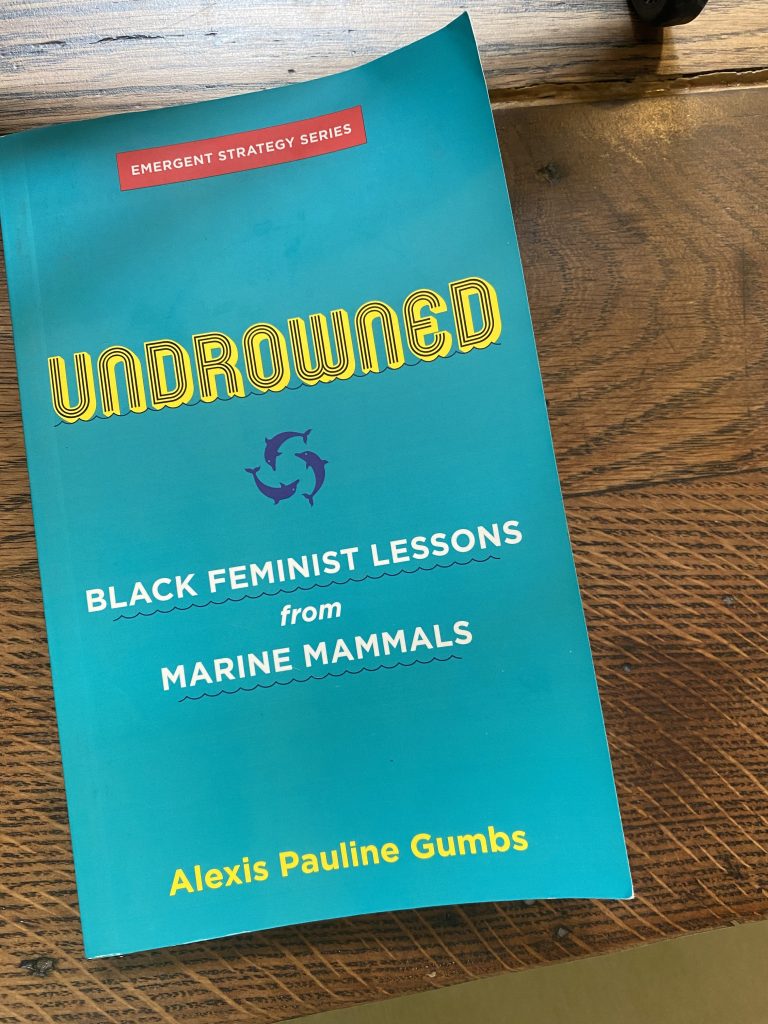
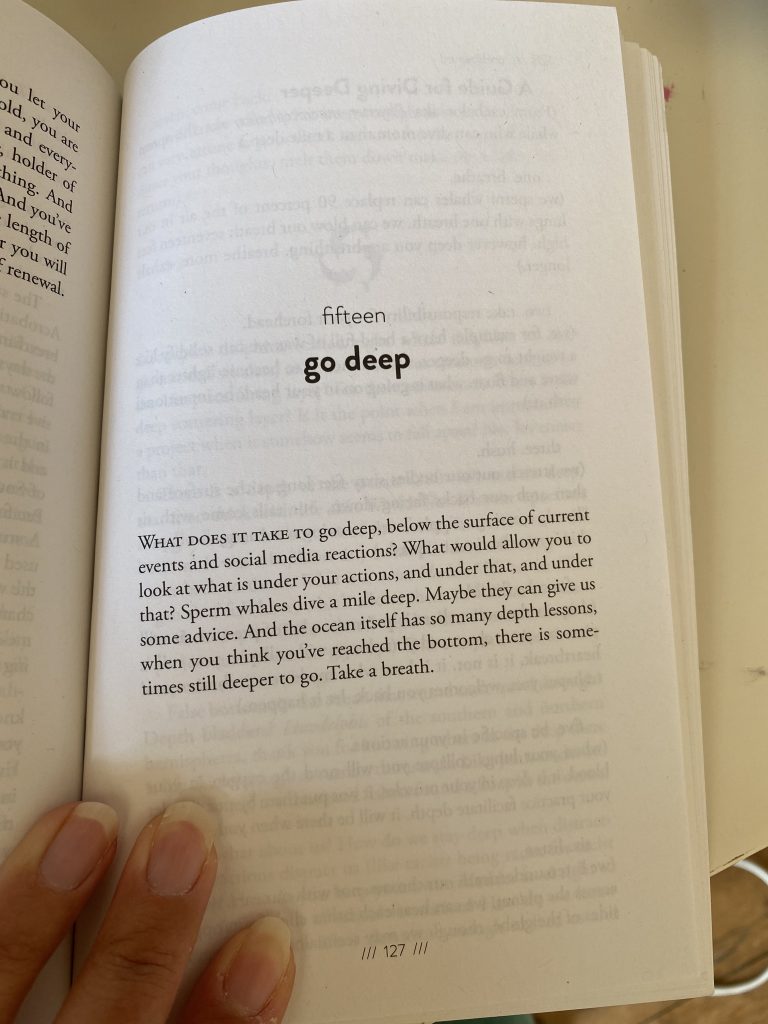
Extract from ‘Undrowned: Black Feminist Lessons from Marine Mammals’ by Alexis Pauline Gumbs’, Chapter: ‘Go Deep.’

Extract from ‘Undrowned: Black Feminist Lessons from Marine Mammals’ by Alexis Pauline Gumbs’, Chapter: ‘Be Vulnerable’
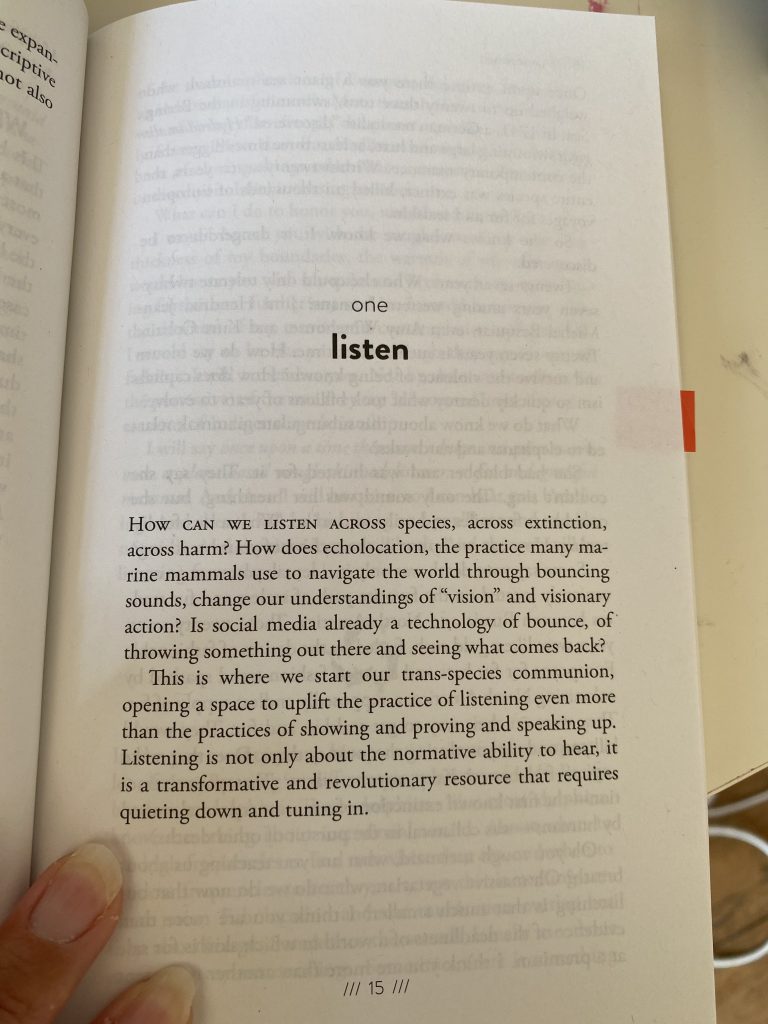
Extract from ‘Undrowned: Black Feminist Lessons from Marine Mammals’ by Alexis Pauline Gumbs’, Chapter: ‘Rest’
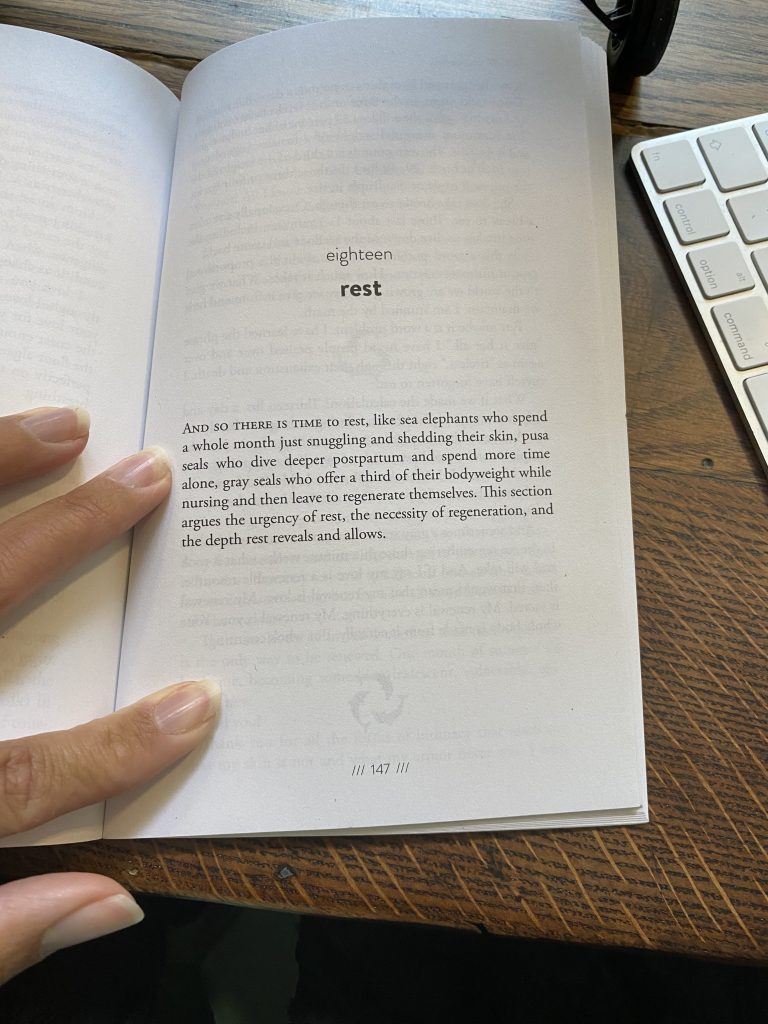
Extract from ‘Undrowned: Black Feminist Lessons from Marine Mammals’ by Alexis Pauline Gumbs’, Chapter: ‘Rest’
I am contemplating my blog posts on this platform.
In order to REFLECT I feel I need some SLOWING DOWN, RESTING, PAUSING time…to ALLOW my mind, heart, body etc. to RELAX, LET GO + BE.
And to do that I need to grant myself PERMISSION…
I think a lot about how resting, reflecting and repose are all about permission.
I feel conflicted about work and rest. Like the two oppose each other and lead to a sense of dissatisfaction.
Yet, the pace with which I have been enculturated, I’d say from the age of five or so, is so fast. It’s a constant busy-ness for the sake of busy-ness type feeling. And it has shaped the way I conceive of most, if not all things, including my own sense of intrinsic value.
The issue I am already confronting (for the sake of this residency) is:
I am choosing to free write – and record it as it’s happening. I guess I want to remove my tendencies towards PERFECTIONISM which I think is linked to this sense I have of NEEDING PERMISSION to REST.
So recording myself write this, removes the self-censoring, self-editing, self-criticism and allows for an acceptance of what is.
To get me started in this residency space I am slowly, deeply and intentionally breathing into Alexis Pauline Gumbs’ book ‘Undrowned: Black Feminist Lessons from Marine Mammals’
I have a lot to process and it feels important to:
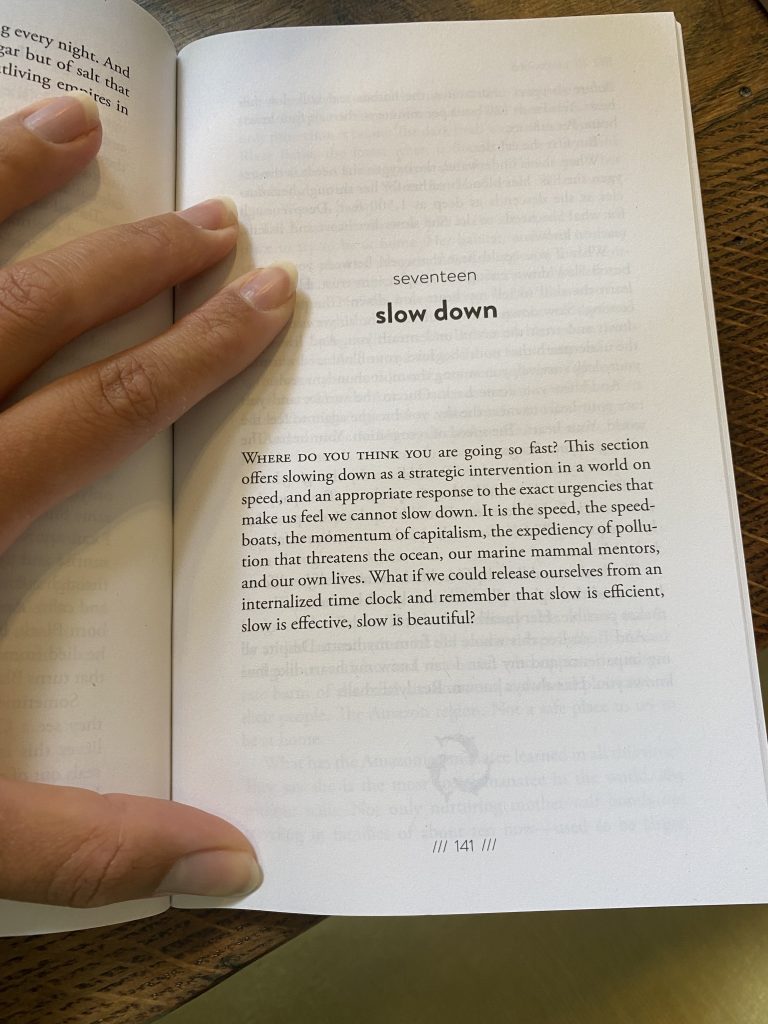
Extract from ‘Undrowned: Black Feminist Lessons from Marine Mammals’ by Alexis Pauline Gumbs’, Chapter: ‘Slow Down’
I’m using this space as a place to list everything I am/plan to read for this residency.
In Praise of Paths by Torbjorn Ekelund (translated by Becky L. Crook)
published by Greystone Books, Canada 2020
EAN: 9781771644952
The Old Straight Track by Alfred Watkins (Kindle edition)
published by Heritage Hunter 2017
The Old Ways by Robert MacFarlane
published by Penguin books 2013
EAN: 9780141030586
The Book of Trespass: Crossing the Lines that Divide Us by Nick Hayes
published by Bloomsbury Publishing PLC 2021
EAN: 9781526604729
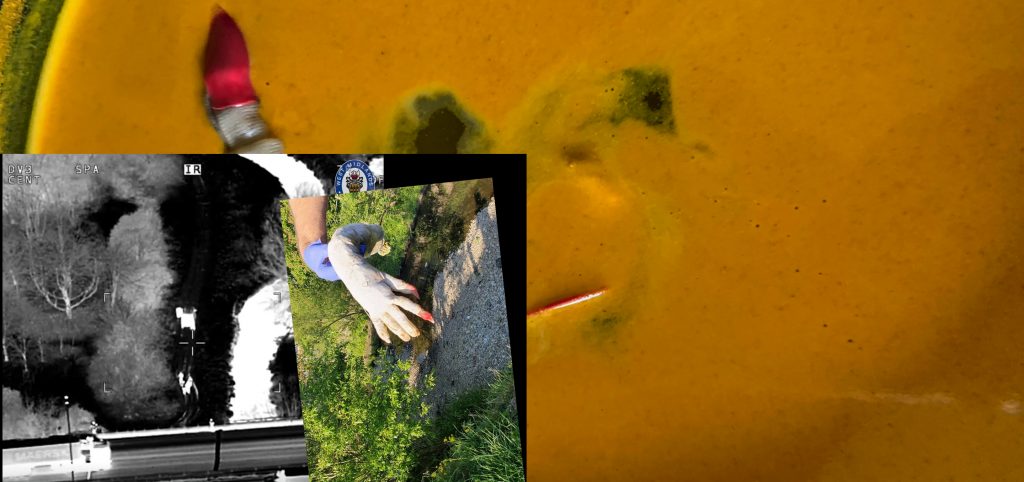
![(text-colour:red)+(background:(hsl:162,0.7238,0.6451,0.7))[Alt/Text: .. (t8n-time:1.5s)[[melted red plastic fingernail on white hand in boiling put of tumeric on cheap stove in Kitchen in Birmingham,->blood on the water]] alongside the River Cole. Inset image: an image of a large police-hand covered tight in sick-blue gloves, which the police wear when they are touching (t8n-time:2s)[[bodies->The Body]] or objects without consent. The rubbered-de-oxiganted-blue police hand holds a dirty white arm, with long read nails; dripping water. The red nails bleed on to fingers. The image is from (link: "this news article")[(goto-url: 'https://www.birminghammail.co.uk/news/midlands-news/hand-arm-found-river-cole-18211227')].Inset 2: black and white night vision police image of the river cole taken from above. T(t8n-time:1.5s)[[his is from the night the police break up a rave in June 2021->police rave]]. Bodies are close to each other. Inset 3: body in pink in front of a bridge over the river looking down at knee](t8n-time:1.5s)[[spit->The foam]]](https://vitalcapacities.com/wp-content/uploads/2021/07/collage2-1024x482.jpg)