
 Accessing this site
 Display settings
 Artist login

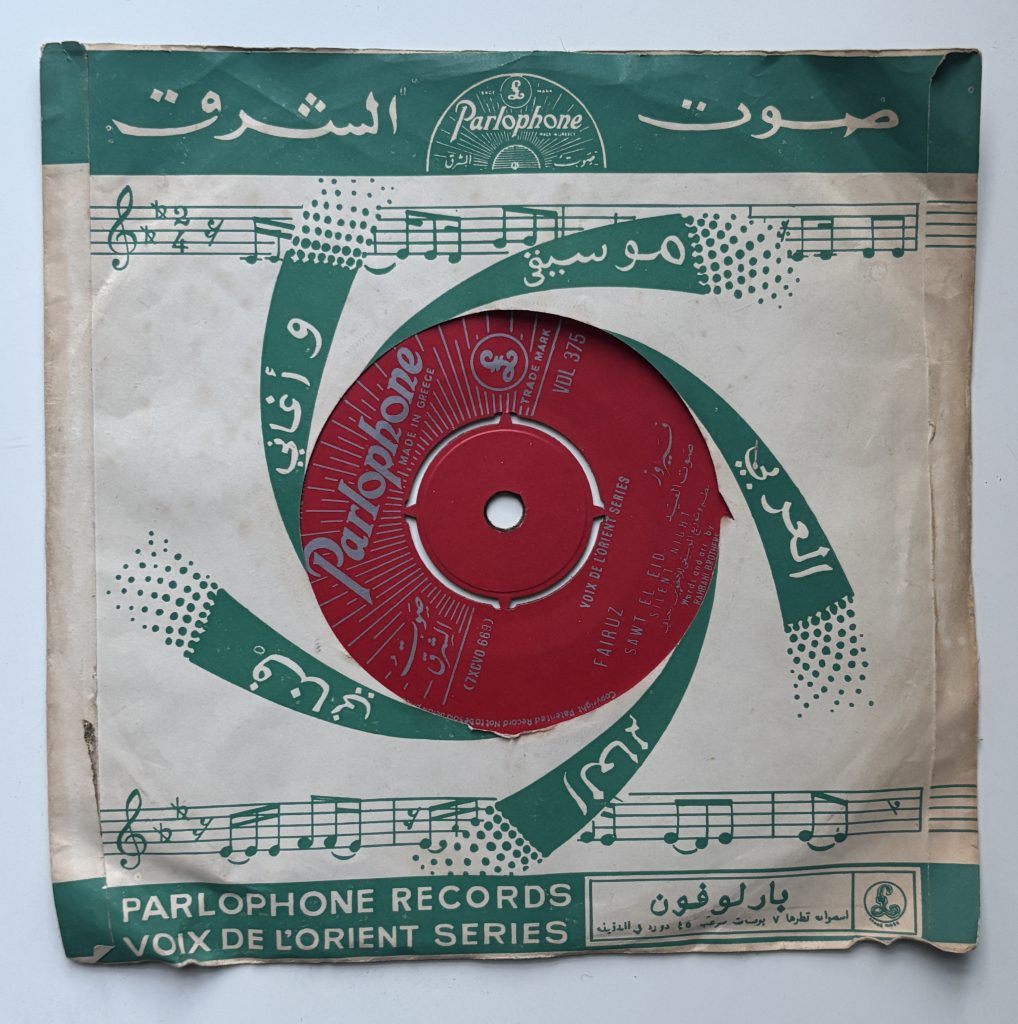
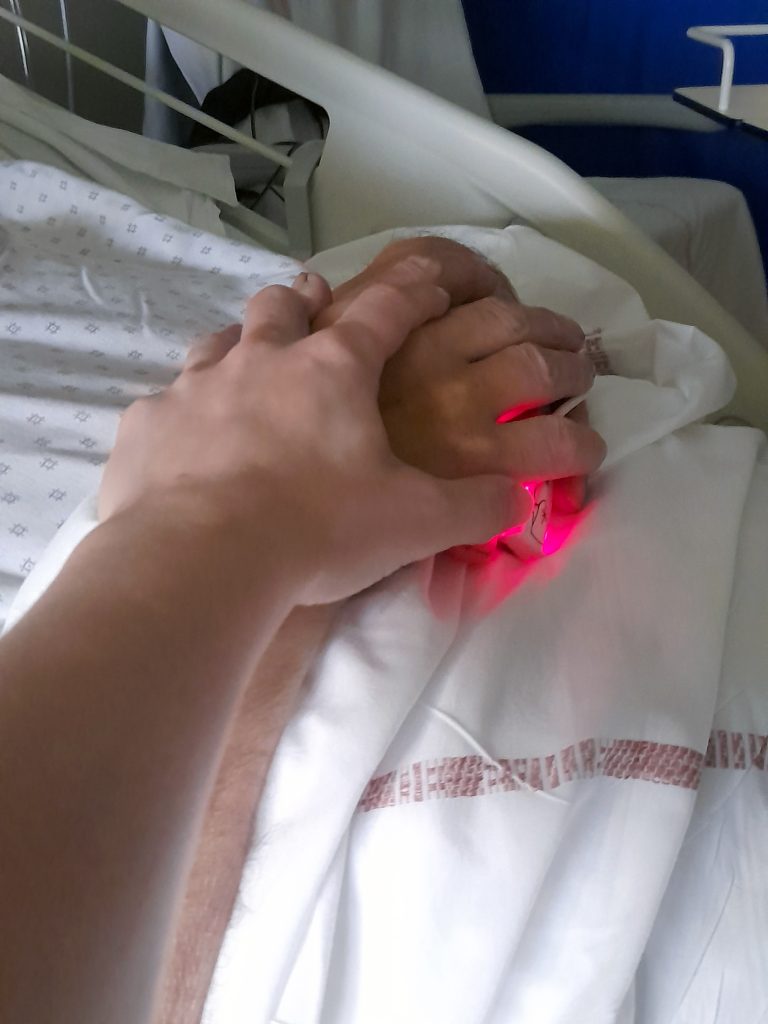
One of things I intend to try during this residency is to be simple and direct; in my artwork I tend to obscure and build layers around a subject until it becomes less recognisable, because raw pain feels too exposing to share. This is a small attempt at being more straightforward.
While my Dad was in intensive care, I played ‘Li Beirut’ and other music in the hospital. He has Alzheimers and it’s said that music and smell can connect to memory more directly or differently; when I play music there’s a flicker of a deeper recognition in a way that doesn’t register when just talking. He doesn’t know what day or time it is, but he remembers mountains in Lebanon and streets in Cairo.
This was in Sept 2023, and he is now relatively more stable. Only a month later the genocide on Gaza started, and I/we all saw people in intensive care being hospitals being bombed, families that look like ours; and a year later the IOF invaded Lebanon again (Autumn 2024) where my extended family live, and aggressive attacks continue on both places relentlessly.
There are many different types of grief; the anticipatory grief of watching a loved one slowly become ill, physically or mentally; or watching a place and its communities that you know being destroyed, which is also anticipatory: watching the news constantly, waiting for updates. Though this is nothing compared to the grief of those living through it directly. An indirect, mediated and/or diasporic grief, where the physical distance can leave a feeling of helplessness if you can’t be there or contribute materially. A grief or longing that’s also entangled with experiences of violence creates a complicated relationship. But it’s important to reiterate that there is more than suffering: there is agency, autonomy and liberation; but people are worn down by successive decades of invasions and bombing. Here is one of the mutual aid groups in Lebanon that you could support: https://chuffed.org/project/184290-lebanon-urgent-relief-campaign
Image Descriptions:
- A colour photo of an old 7-inch vinyl record ‘Sawt El Eid’ by Fairuz in a paper record sleeve, which belonged to Teta. The record (the centre of which is visible through a cut out circle in the paper sleeve) is bright red with white writing which reads in English, Arabic and French: ‘Parlophone, Voices of the East Series, Fairuz, Silent Night’. The record sleeve design is green and white (which has yellowed with time), with a green stripe across the top and bottom with white text which reads in Arabic, French and English and translates (roughly) as: ‘The luxurious sound, Parlophone, Voices of the East Series’, and illustrations of a musical score in green. Around the central cut out circle are green patterns that swirl outwards, and translates (roughly) as ‘Arab music and songs’
- A colour photo on a hospital ward, cropped to show two hands resting on top of each other in the foreground; the first hand underneath is a man (my Dad) who is lying in a hospital bed, wearing a white patterned hospital gown, and a white sheet up to his waist, and has an electronic device to measure his pulse attached to his forefinger which emits a bright pink light. My hand is reaching from outside of the hospital bed and resting on top of his. The background includes a white plastic hospital bed side rail, a white table and chair, a blue wall and wires.


